

When your car’s brakes start to squeak or feel less responsive, you know it’s time for a change. But how much labor does it really take to replace your brakes and rotors?
You might be wondering if it’s a quick job or something that will keep you in the shop all day. Knowing the time and effort involved can help you plan better, save money, and avoid surprises. Keep reading, and you’ll discover exactly what goes into this important repair and how long you can expect it to take.
Credit: www.aaa.com
Labor Time For Brake Change
Labor time for brake change varies depending on the vehicle and the job type. Brake systems differ, so the work may take more or less time. Knowing the typical labor time helps plan your visit to the mechanic. It also gives you an idea of the cost involved. Understanding this helps avoid surprises during your brake service.
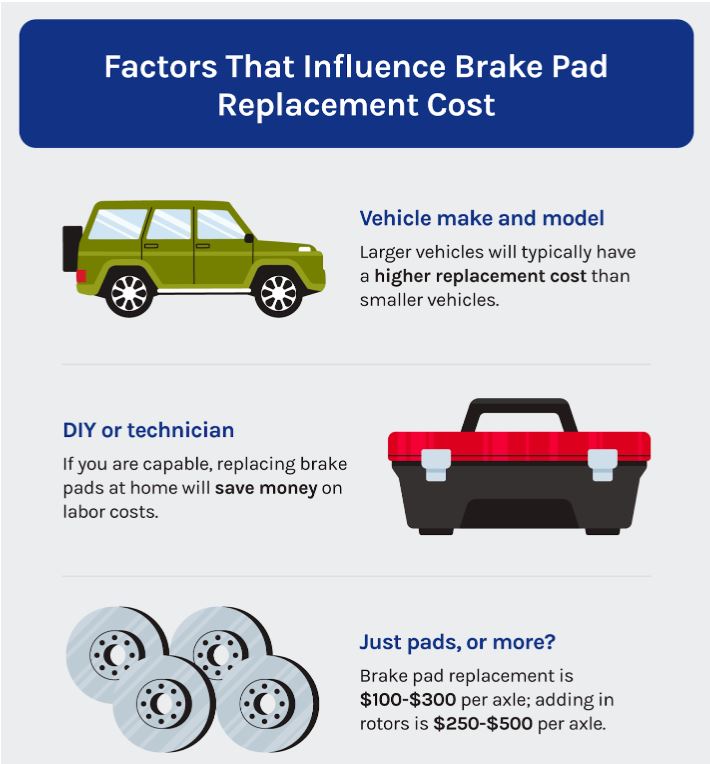
Factors Affecting Labor Time
Several factors affect how long brake work takes. The vehicle make and model can change the time. Some cars have complex brake systems that need more work. The condition of the brake parts also matters. Rusty or stuck parts slow down the process. The mechanic’s experience influences the speed too. Well-equipped shops finish the job faster.
Average Time For Brake Pads Replacement
Replacing brake pads usually takes between 30 and 60 minutes. This job involves removing the wheel and old pads. Then, the mechanic fits new brake pads carefully. Most cars fall within this time range. Some models with simple brakes take less time. Others with advanced systems might need more time.
Time Required For Rotor Replacement
Changing brake rotors takes longer than pads. It often requires 1 to 2 hours. The mechanic removes the wheel and old rotor first. Sometimes, the rotor is stuck and needs extra effort. After that, the new rotor is installed and tested. Rotor replacement needs more care to ensure safety.
Cost Breakdown For Labor
Understanding the labor costs for changing brakes and rotors helps you plan your budget better. Labor is a big part of the total repair bill. It varies based on several factors, like where you live and the type of vehicle you own. Knowing these costs can save you from surprises at the mechanic.
Hourly Labor Rates
Labor rates differ by location and shop type. In big cities, rates tend to be higher. Expect to pay between $75 and $150 per hour. Independent shops usually charge less than dealership service centers. Some shops set flat fees for brake jobs instead of hourly charges.
Labor Costs By Vehicle Type
Labor costs depend on the vehicle’s size and complexity. Small cars often need less time, lowering labor costs. Trucks and SUVs take longer to service. Luxury and imported cars may require special tools or parts. This raises the labor price and repair time.
Diy Vs Professional Labor Costs
Doing brake work yourself saves labor fees but needs tools and skills. Mistakes can cause safety issues and extra costs. Professionals charge for their experience and equipment. Their work usually comes with a warranty. Choosing between DIY and professional depends on your confidence and budget.
Parts Cost Impact
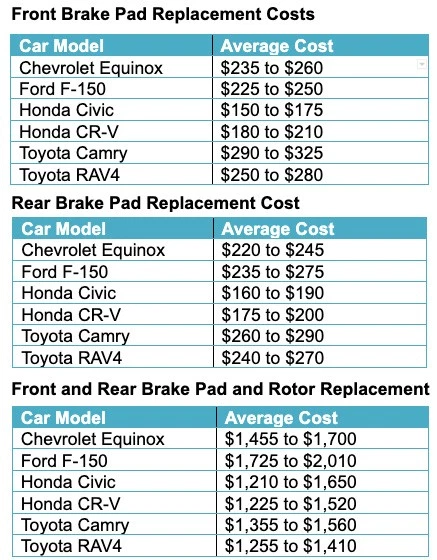
Parts cost plays a big role in the total price of brake and rotor replacement. The price of brake pads and rotors varies widely. This affects how much you will pay overall. Choosing the right parts can save money or improve performance. Understanding parts costs helps you plan your budget better.
Brake Pads Price Range
Brake pads cost depends on the material and brand. Basic pads start around $20 per set. Mid-range pads usually cost between $40 and $70. High-performance or specialty pads can cost over $100. The price reflects durability and stopping power. Cheaper pads wear out faster and may need replacing soon.
Rotor Prices Explained
Rotors vary in price based on size and type. Standard rotors cost from $30 to $60 each. Premium rotors with better heat resistance cost $70 or more. Some rotors have special coatings to reduce rust. Drilled or slotted rotors are usually pricier. Replacing both rotors and pads raises parts cost significantly.
Quality And Brand Influence
Brand reputation affects parts cost. Well-known brands often charge more for quality assurance. Budget brands offer lower prices but less longevity. High-quality parts improve safety and last longer. Cheap parts might save money now but cost more later. Always balance quality with your budget for best results.
Credit: www.ebay.com
Additional Charges To Expect
Changing brakes and rotors involves more than just labor costs. Extra charges can affect the total price. Knowing these fees helps you plan your budget better. Here are some common additional charges to expect during a brake and rotor replacement.
Shop Fees And Taxes
Shops often add fees for shop supplies and disposal. These fees cover small items like grease and cleaning products. Expect a small charge for recycling old brake parts. Sales tax applies to both parts and labor. This tax varies depending on your location.
Possible Hidden Costs
Sometimes, unexpected problems arise during the repair. Worn brake lines or damaged hardware may need replacement. Some vehicles require extra work like brake fluid flush. This work adds to labor and parts costs. Always ask if the estimate includes all potential charges.
Ways To Save On Labor Costs
Labor costs for changing brakes and rotors can add up fast. Saving money on these costs helps keep your car maintenance budget low. There are smart ways to reduce what you pay for labor without cutting corners on quality.
Scheduling During Promotions
Many repair shops offer discounts during certain times. These promotions can be seasonal or linked to holidays. Book your brake and rotor work during these offers. It reduces labor costs significantly. Call ahead to ask about upcoming deals.
Choosing Independent Shops
Independent repair shops often charge less than dealer service centers. They provide good service at lower prices. Look for trusted, local mechanics with good reviews. They may also offer flexible pricing for labor. This choice can save you a lot on brake jobs.
Performing Partial Repairs
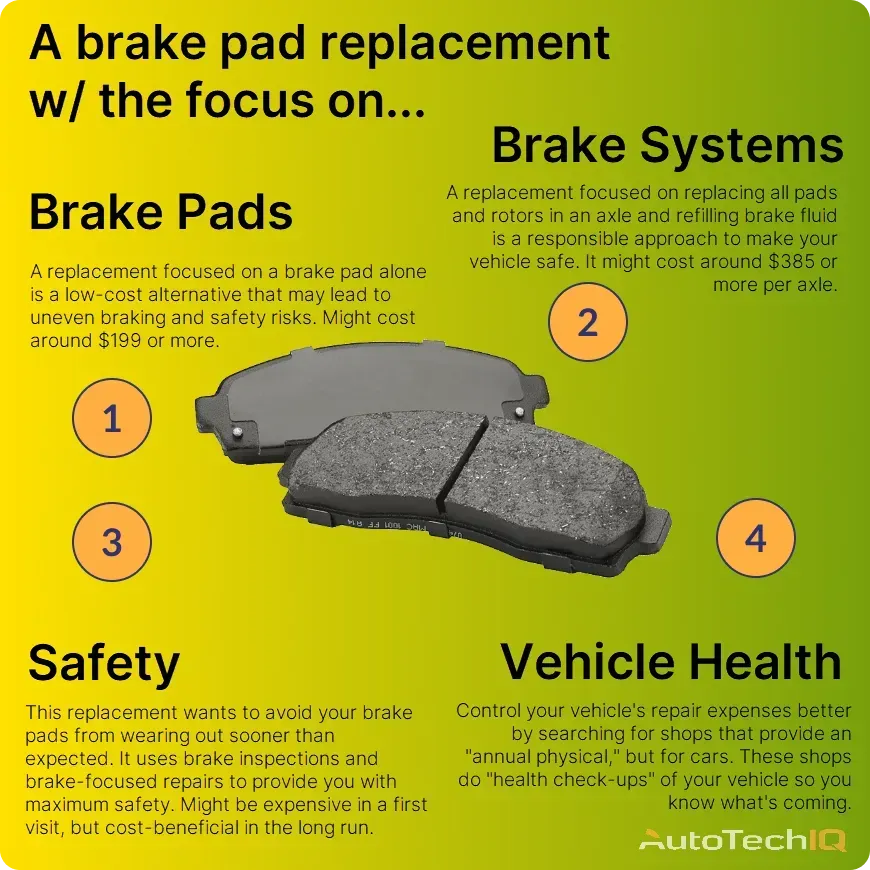
Not every brake or rotor part needs replacement at once. Inspect your brakes carefully to see what needs work now. Changing only worn parts cuts down labor time and cost. Ask your mechanic about partial repairs. This approach stretches your budget further.
Signs You Need Brake And Rotor Replacement
Knowing the signs of brake and rotor wear helps keep your car safe. Worn brakes and rotors can cause serious problems. Early detection saves money and prevents accidents. Watch for clear signals that your brakes need attention.
Check your car often for any unusual sounds or changes in how it stops. These clues tell you when to replace brake pads and rotors. Act fast to maintain good braking power and control.
Brake Noise And Vibration
Squealing or grinding sounds come from worn brake pads. These noises mean the pads are thin or damaged. Vibrations felt in the brake pedal or steering wheel signal rotor issues. Warped rotors cause shaking during braking. Ignoring these signs risks further damage and unsafe driving.
Reduced Braking Performance
Longer stopping distances show brake problems. Your car may not stop as quickly as before. Soft or spongy brake pedals mean air or fluid leaks. A brake warning light on the dashboard also signals trouble. These signs mean your brakes and rotors need urgent checking.
Credit: www.autotechiq.com
Frequently Asked Questions
How Long Does It Take To Change Brakes And Rotors?
Changing brakes and rotors typically takes 1 to 2 hours. This depends on the vehicle type and mechanic’s experience. Complex models may take longer. Proper time ensures quality and safety during replacement.
What Factors Affect Labor Cost For Brake And Rotor Change?
Labor cost depends on vehicle model, part accessibility, and local labor rates. Luxury or heavy vehicles usually cost more. The mechanic’s expertise also influences pricing. Additional repairs can increase total labor time and cost.
Can I Reduce Labor Costs By Changing Brakes Myself?
Yes, DIY brake and rotor replacement saves labor fees. However, it requires mechanical skills and proper tools. Incorrect installation risks safety and vehicle damage. Consider professional help if unsure about the procedure.
Is Labor Cost Included When Buying Brakes And Rotors?
Labor cost is usually separate from parts price. Brake pads and rotors are sold individually. Mechanics charge labor fees for installation services. Always confirm if labor is included before purchase.
Conclusion
Changing brakes and rotors usually takes one to two hours. Labor costs depend on your car’s make and model. Mechanics charge differently, so prices may vary. Knowing the time and cost helps you plan better. Regular brake care keeps your vehicle safe and smooth.
Don’t wait until problems get worse. Simple maintenance saves money and stress later. Always choose a trusted mechanic for the job. Your car’s safety is worth the effort and cost.


