

If you’ve noticed your car acting up or your engine struggling, the fuel filter might be the culprit. But how much should it cost to replace a fuel filter?
You want to avoid overpaying or getting stuck with a part that won’t last. Understanding the right price helps you make smart decisions for your vehicle and your wallet. You’ll discover what affects the cost, how to spot fair prices, and tips to save money without sacrificing quality.
Keep reading to protect your car and get the best value for your fuel filter replacement.
Fuel Filter Basics
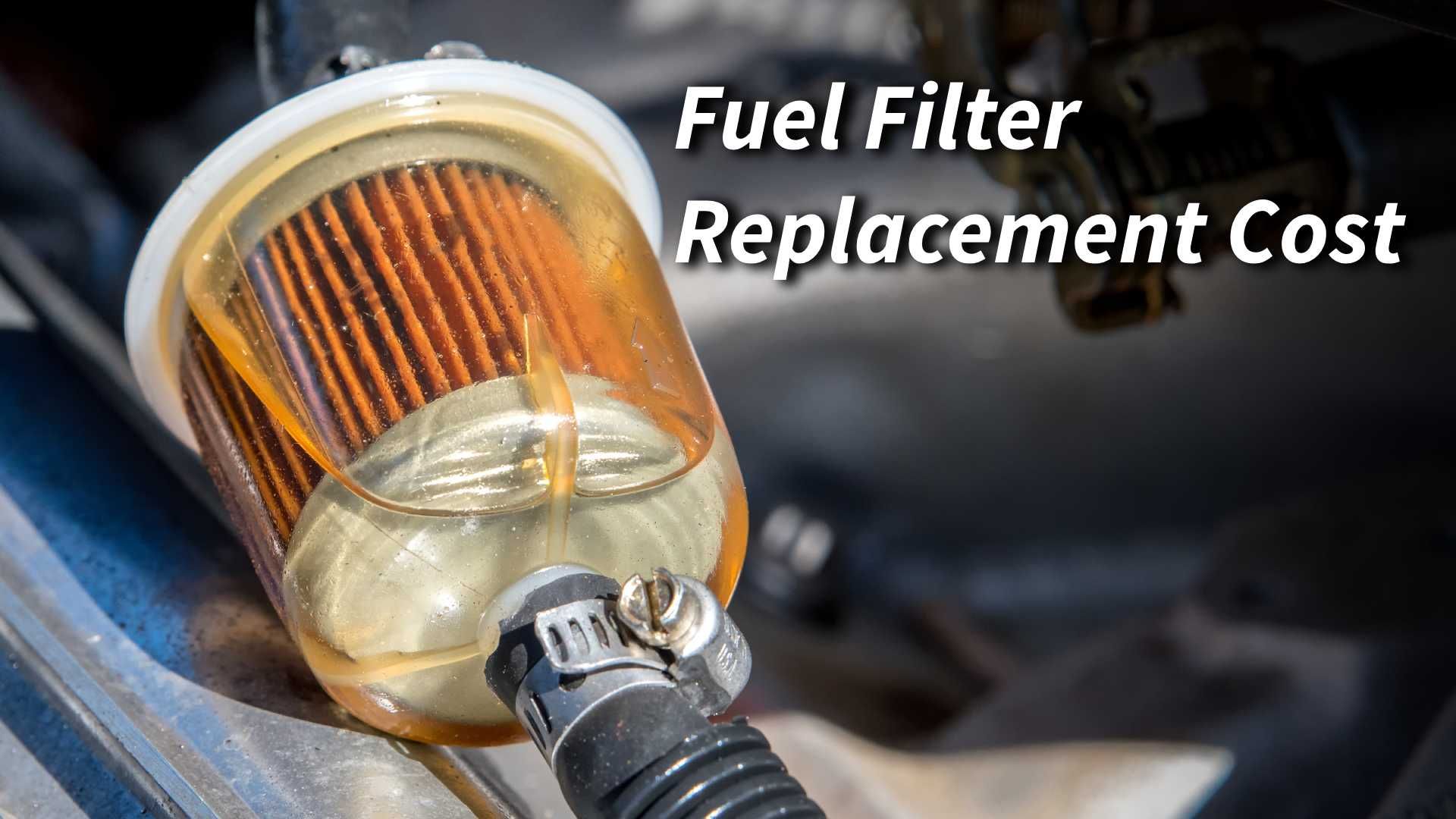
A fuel filter keeps dirt and rust from entering the engine. It cleans the fuel before it reaches the engine parts. This helps the engine run smoothly and last longer.
Fuel filters protect important engine parts. They stop tiny particles that can cause damage. A clean fuel filter means better fuel flow and engine performance.
Role In Vehicle Performance
The fuel filter stops dirt from clogging the fuel system. Clogged filters reduce fuel flow and make the engine weak. A clean filter helps the engine start easily and run well.
Fuel filters also help keep fuel injectors clean. This keeps the engine efficient and saves fuel. Ignoring the fuel filter can cause engine problems and costly repairs.
Types Of Fuel Filters
There are several types of fuel filters. Some are inside the fuel tank, called in-tank filters. Others are outside the tank, called inline filters.
In-tank filters clean fuel before it leaves the tank. Inline filters clean fuel before it reaches the engine. Both types help keep the fuel system clean.
Fuel filters can be made of paper, mesh, or cloth. Paper filters are common and easy to replace. Mesh filters can be cleaned and reused.
Signs You Need Replacement
Knowing the signs that a fuel filter needs replacement helps avoid bigger car problems. A clogged filter stops fuel from flowing well. This can cause your car to run poorly or even break down. Watch for these signs to keep your engine healthy and running smooth.
Common Symptoms
Engine misfires or runs rough. The car struggles to start or stalls often. You notice a drop in fuel efficiency. The engine may hesitate when you press the gas pedal. These issues often point to a dirty or blocked fuel filter. Strange noises from the fuel pump can also mean trouble.
Impact On Engine Health
A bad fuel filter causes poor fuel flow. This makes the engine work harder and wear out faster. Dirt and debris can reach the engine and cause damage. Over time, this leads to costly repairs. Replacing the filter keeps the engine clean and protects its parts.
Factors Affecting Replacement Cost
The cost to replace a fuel filter varies. Several factors influence the final price. Understanding these can help you prepare your budget better. Each factor affects the cost differently and plays a key role.
Vehicle Make And Model
Different vehicles need different fuel filters. Some cars have easy access to the filter, lowering labor costs. Luxury or older models might need special parts. This can increase both parts and labor expenses.
Filter Quality And Brand
Fuel filters come in various qualities and brands. OEM (Original Equipment Manufacturer) parts usually cost more. Aftermarket filters are cheaper but may last less. Choosing a trusted brand ensures better performance and longevity.
Labor Charges
Labor fees depend on the mechanic and location. Dealerships often charge higher rates than independent shops. Complex replacements take more time, raising labor costs. Simple jobs in local garages cost less.

Credit: www.fonho.com
Average Cost Range
The average cost to replace a fuel filter varies based on several factors. Most drivers can expect to pay between $50 and $150 for this service. This price depends on the type of vehicle and the quality of the fuel filter. Labor costs also affect the final price. Understanding these costs helps you plan your car maintenance budget better.
Diy Vs Professional Service
Replacing a fuel filter yourself can save money. The part alone usually costs between $10 and $40. You only pay for the filter. No labor fees apply. But some cars have filters in hard-to-reach places. This makes the job tricky for beginners. Using a professional means paying for labor. Labor costs can range from $40 to $100. Professionals also guarantee their work. They use the right tools and parts. This reduces the risk of mistakes.
Regional Price Variations
Prices for fuel filter replacement change by location. Cities with higher living costs often have higher labor rates. Rural areas might offer cheaper services. Parts prices can also differ. Some regions have better access to specific car parts. This affects availability and cost. Always check local shops for the best prices. Regional differences can change your total bill by $20 to $50.
Steps To Replace A Fuel Filter
Replacing a fuel filter keeps your vehicle running smoothly. This guide breaks down the basic steps. It helps you understand the tools and safety needed. Follow the clear procedure to do it right.
Tools Needed
- New fuel filter matching your car model
- Wrench set for loosening bolts
- Screwdriver for clamps
- Container to catch fuel drips
- Gloves to protect your hands
- Safety glasses for eye protection
- Rags for cleaning spills
Safety Precautions
Work in a well-ventilated area to avoid fumes. Keep away all open flames and sparks. Wear gloves and safety glasses at all times. Relieve fuel system pressure before starting. Dispose of old fuel and filter properly. Avoid skin contact with fuel to prevent irritation.
Step-by-step Procedure
- Locate the fuel filter under your vehicle or near the engine.
- Use the wrench to loosen the bolts or clamps holding the filter.
- Place the container under the filter to catch any fuel.
- Remove the old fuel filter carefully to avoid spills.
- Install the new filter in the correct direction, following arrows if present.
- Tighten the bolts or clamps securely but do not overtighten.
- Check all connections for leaks before starting the engine.
- Start the vehicle and inspect the filter area again for leaks.
Credit: www.reddit.com
Tips To Save On Replacement
Replacing a fuel filter can be costly. Saving money matters. Small steps help cut expenses without risking quality. Focus on smart choices for parts and service. These tips reduce costs and keep your vehicle running well.
Choosing Affordable Parts
Buy parts that fit your car model exactly. Generic filters can work well and cost less. Check prices online before buying. Compare quality and price to get the best deal. Avoid very cheap parts; they may fail quickly. Spending a little more often saves money in the long run.
Finding Reliable Mechanics
Pick mechanics who charge fair prices and have good reviews. Ask friends or family for recommendations. Visit local shops instead of big dealerships for lower rates. A trusted mechanic prevents costly mistakes. Always get a written estimate before work starts. Clear communication stops surprise charges.
When To Replace Vs Clean
Knowing when to replace or clean a fuel filter helps keep your car running well. Fuel filters stop dirt and rust from reaching the engine. Over time, they get clogged and need care. You must decide if cleaning works or if replacement is better. This choice saves money and avoids car trouble.
Signs That Indicate Fuel Filter Replacement
Slow engine start is a common sign. The car may stall or lose power during driving. Check engine light might come on. The engine may run roughly or hesitate. These signs show the filter is too clogged. Cleaning may not restore proper flow. Replacement ensures the engine gets enough fuel.
When Cleaning The Fuel Filter Is Enough
Some fuel filters can be cleaned instead of replaced. This works if clogging is light or from soft debris. Cleaning removes dirt and improves fuel flow. It saves money compared to replacement. But not all filters allow cleaning. Check your car’s manual for guidance.
Factors That Affect Cleaning Or Replacing
Age of the fuel filter matters. Old filters may break during cleaning. Type of fuel used can cause different clogging. Diesel filters often need replacement more than gasoline filters. Driving conditions affect filter life. Dusty or dirty roads cause faster clogging. Follow your car’s maintenance schedule closely.
Impact Of Neglecting Replacement
Neglecting to replace a fuel filter can cause serious problems for your vehicle. The fuel filter cleans dirt and debris from the fuel before it reaches the engine. Over time, the filter becomes clogged and less effective. This affects how well your car runs and can lead to costly repairs.
A dirty fuel filter can reduce engine performance. It limits fuel flow, causing poor acceleration and rough idling. Your car may also stall or hesitate when you press the gas. These signs show the fuel filter needs attention.
Engine Damage Risks
A clogged fuel filter forces the fuel pump to work harder. This extra strain can cause the pump to fail early. Fuel contaminants may reach the engine, causing damage to fuel injectors and cylinders. Repairing these parts costs much more than replacing a filter.
Fuel Efficiency Drops
A blocked fuel filter reduces fuel flow and engine power. Your car uses more gas to keep running. This lowers fuel efficiency and increases fuel costs. Regular filter replacement helps maintain good mileage.
Starting Problems
A bad fuel filter can make it hard to start the engine. The fuel flow is not steady, so the engine may crank but not start. This issue may leave you stranded and needing a tow.
Costly Repairs And Breakdowns
Ignoring the fuel filter can lead to breakdowns on the road. Emergency repairs and towing add to your expenses. Replacing the filter on time avoids these risks and saves money.
Credit: driving.ca
Frequently Asked Questions
How Much Does Fuel Filter Replacement Usually Cost?
Fuel filter replacement typically costs between $50 and $150. Prices vary based on vehicle type and labor charges. Parts usually range from $20 to $70, while labor costs can be $30 to $80. Always get a quote from your mechanic for accurate pricing.
What Factors Influence The Cost Of Replacing A Fuel Filter?
The cost depends on vehicle make, model, and fuel filter type. Labor rates and location also affect pricing. Some filters are harder to access, increasing labor time. OEM parts usually cost more than aftermarket options, impacting the total expense.
How Often Should You Replace Your Fuel Filter?
Fuel filters generally need replacement every 20,000 to 40,000 miles. Check your vehicle’s manual for specific recommendations. Replacing it on time ensures optimal engine performance and prevents fuel system damage. Delaying can lead to costly repairs.
Can I Replace A Fuel Filter Myself To Save Money?
Yes, if you have basic mechanical skills and tools. DIY replacement can save labor costs. However, some vehicles have complex systems needing professional handling. Always follow safety procedures and consult your vehicle manual before attempting.
Conclusion
Replacing a fuel filter usually costs between $50 and $150. Prices depend on car type and filter quality. Doing it yourself saves money but needs care. A clean fuel filter keeps your engine running well. Regular checks help avoid costly repairs later.
Choose a trusted mechanic for the best results. Don’t ignore signs like poor engine performance or strange noises. Keeping your fuel filter in good shape protects your vehicle. Simple maintenance can save you time and money.


