

You rely on your diesel engine every day, so keeping it running smoothly is crucial. One simple step can save you from costly repairs and unexpected breakdowns: changing your diesel fuel filter regularly.
But how often should you do it? If you’re unsure, this article will clear up the confusion and help you protect your engine’s health. Keep reading to find out exactly when and why changing your diesel fuel filter matters for your vehicle’s performance and longevity.
Credit: bostechauto.com
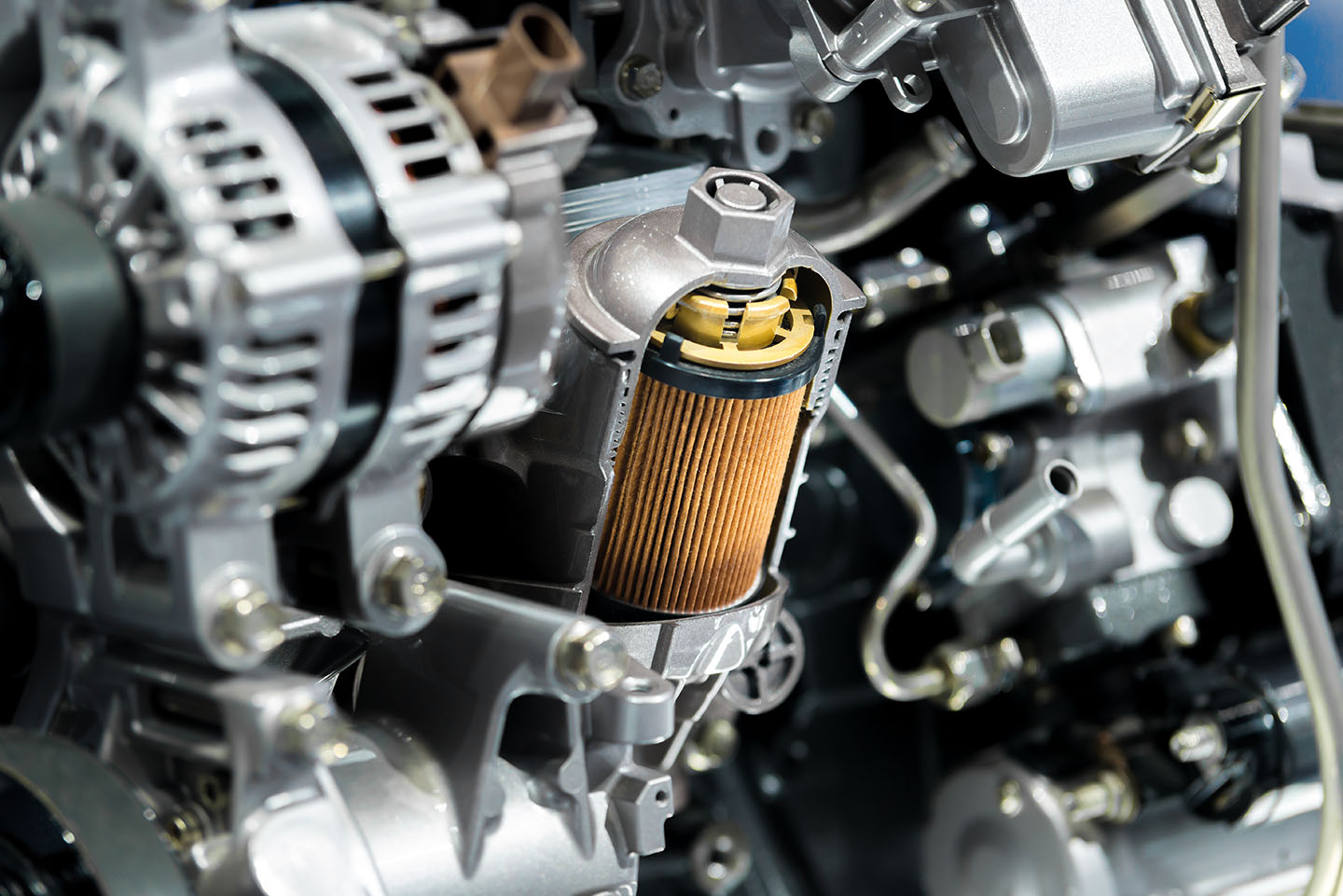
Importance Of Diesel Fuel Filters
Diesel fuel filters play a crucial role in keeping your engine healthy. They trap dirt and impurities from the fuel before it reaches the engine. This helps avoid damage and ensures the engine runs smoothly. Changing the diesel fuel filter regularly keeps your vehicle in top shape and prevents costly repairs.
Role In Engine Performance
The diesel fuel filter protects the engine from harmful particles. Clean fuel means the engine can burn it efficiently. This leads to better power and smoother running. A clogged filter restricts fuel flow, causing the engine to lag or stall. Regular filter changes keep engine performance steady and reliable.
Preventing Contaminants
Fuel can contain dirt, rust, and water. These contaminants harm fuel injectors and engine parts. The diesel fuel filter stops these impurities from entering the engine. This protection reduces wear and tear, extending engine life. Changing the filter on time keeps contaminants out and the engine safe.
Impact On Fuel Efficiency
A clean fuel filter helps the engine burn fuel completely. This improves fuel efficiency and saves money. A dirty filter causes poor fuel flow, making the engine work harder. This wastes fuel and lowers mileage. Regular filter replacement keeps fuel use low and your diesel vehicle efficient.

Credit: www.youtube.com
Signs Of A Clogged Fuel Filter
A clogged diesel fuel filter can cause serious engine problems. It blocks the flow of fuel. This leads to poor engine performance. Knowing the signs helps you act fast. It prevents damage and costly repairs. Watch for these clear signs of a clogged fuel filter.
Reduced Engine Power
The engine may feel weak or slow. It struggles during acceleration. This happens because less fuel reaches the engine. The filter stops enough fuel from flowing. Reduced power means the engine cannot run at full strength. It affects your vehicle’s overall performance.
Difficulty Starting
Starting the engine takes longer than usual. Sometimes, it may not start at all. A clogged filter limits fuel supply to the engine. Without enough fuel, ignition becomes hard. You might hear the starter turning but no engine response. This is a clear sign the filter needs attention.
Unusual Engine Noises
The engine may make strange sounds. You might hear sputtering or coughing noises. These noises happen because the engine struggles for fuel. The clogged filter causes uneven fuel flow. This makes the engine run roughly. Listen carefully for any unusual sounds during operation.
Recommended Replacement Intervals
Replacing the diesel fuel filter at the right time keeps your engine running smoothly. It helps avoid clogging and fuel system damage. Knowing the recommended replacement intervals is key to good vehicle care.
Manufacturer Guidelines
Vehicle makers provide clear replacement schedules for fuel filters. These guidelines depend on engine type and model. Following them ensures optimal engine performance. Check your owner’s manual for exact intervals. Stick to these recommendations for best results.
Driving Conditions Impact
Driving in dusty or rough areas clogs filters faster. Frequent short trips can also reduce filter life. Heavy towing or off-road driving adds extra strain. Under such conditions, change the filter more often. Adjust your schedule based on how and where you drive.
Mileage Vs Time Factors
Filters wear out by miles driven and time passed. Some vehicles need filter changes every 15,000 to 30,000 miles. Others recommend replacement every 12 months, regardless of mileage. Check both mileage and time to decide. Replace the filter on time, even if mileage is low.
Step-by-step Filter Replacement
Replacing a diesel fuel filter is key to keeping your engine running well. Doing this task yourself can save money and ensure your vehicle runs smoothly. Follow these clear steps to change the filter safely and correctly.
Tools Needed
Gather the right tools before starting. You will need a new diesel fuel filter, a wrench set, a drain pan, clean rags, and gloves. Having these ready makes the process faster and cleaner.
Removing The Old Filter
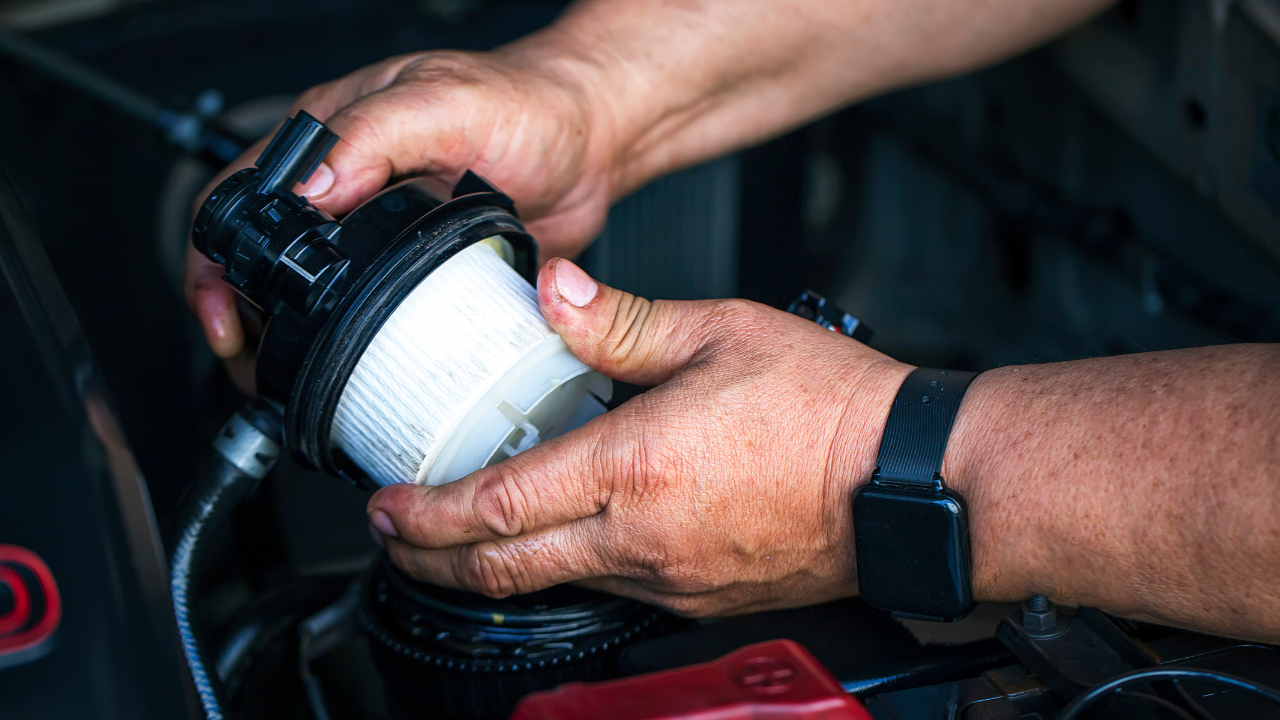
First, locate the old fuel filter. Place the drain pan underneath to catch any fuel. Use the wrench to loosen the filter carefully. Remove it by hand once loose. Be ready for some fuel to spill out. Wipe any spills immediately with a rag.
Installing The New Filter
Check the new filter for any damage. Apply a thin layer of clean diesel to the rubber seal. Screw the new filter into place by hand. Tighten it with the wrench, but do not over-tighten. This helps prevent leaks and damage.
Bleeding The Fuel System
Air trapped in the fuel lines can cause engine problems. To remove air, open the bleed valve on the filter. Use the hand pump or turn the ignition key to start the fuel flow. Close the valve once fuel runs without bubbles. Check for leaks and start the engine to test.
Tips For Maintaining Fuel Filters
Maintaining diesel fuel filters is essential for your engine’s health. Clean filters keep dirt and water out of your fuel system. This helps your engine run smoothly and last longer. Follow these simple tips to take good care of your fuel filters.
Using Quality Fuel
Always choose clean and high-quality diesel fuel. Poor fuel can clog your filter quickly. Good fuel reduces dirt and moisture. This keeps the filter working well and protects the engine.
Regular Inspections
Check your fuel filter often. Look for signs of dirt or water buildup. Replace the filter if it looks dirty or clogged. Regular checks prevent engine problems and costly repairs.
Avoiding Contaminated Fuel
Keep your fuel storage clean and dry. Avoid filling up from dirty tanks or unknown sources. Contaminated fuel damages the filter and engine parts. Use clean containers and proper fuel stations only.
Credit: universalautospares.com.au
Consequences Of Neglecting Filter Changes
Neglecting to change the diesel fuel filter can cause serious problems. The filter removes dirt and debris from the fuel. Over time, a clogged filter stops fuel from reaching the engine properly. This leads to several risks that affect your vehicle’s performance and cost.
Engine Damage Risks
A dirty fuel filter forces the engine to work harder. Contaminants can enter the engine. This causes wear and tear on engine parts. Damage to injectors and fuel pumps is common. Repairing these parts is expensive and time-consuming.
Increased Repair Costs
Ignoring filter changes leads to bigger problems. Small issues become major repairs. Replacing damaged engine parts costs much more than changing a filter. Regular maintenance saves money in the long run.
Reduced Vehicle Lifespan
A clogged fuel filter reduces engine efficiency. The engine runs less smoothly and consumes more fuel. Over time, this shortens the vehicle’s life. Keeping the fuel filter clean helps your vehicle last longer.
Frequently Asked Questions
How Often Should I Change A Diesel Fuel Filter?
Typically, change your diesel fuel filter every 10,000 to 15,000 miles. Check your vehicle’s manual for exact intervals.
What Happens If I Delay Changing The Fuel Filter?
Delaying can cause engine performance issues, reduced fuel efficiency, and potential damage to fuel injectors.
Can I Change The Diesel Fuel Filter Myself?
Yes, with basic tools and safety precautions, you can replace the filter. Follow the vehicle manual steps carefully.
How Do I Know When The Diesel Fuel Filter Needs Changing?
Signs include engine misfires, loss of power, hard starts, or a warning light on the dashboard.
Conclusion
Changing your diesel fuel filter regularly keeps your engine healthy. Dirty filters block fuel and lower performance. Most experts suggest changing it every 10,000 to 25,000 miles. Check your vehicle’s manual for exact advice. Clean fuel helps your engine run smoothly and lasts longer.
Don’t wait for problems to appear. A simple filter change saves money and avoids breakdowns. Keep an eye on your filter and replace it on time. Your diesel engine will thank you for the care. Simple steps lead to better driving and fewer worries.


