

Are your rear brakes making noise or not stopping your car like they used to? If so, you’re probably wondering, how much should rear brakes and rotors cost to replace?
Knowing the right price can save you from paying too much or settling for low-quality parts. You’ll discover clear, straightforward answers to help you make smart decisions for your vehicle and your wallet. Keep reading to find out what affects the cost and how to get the best value for your money.
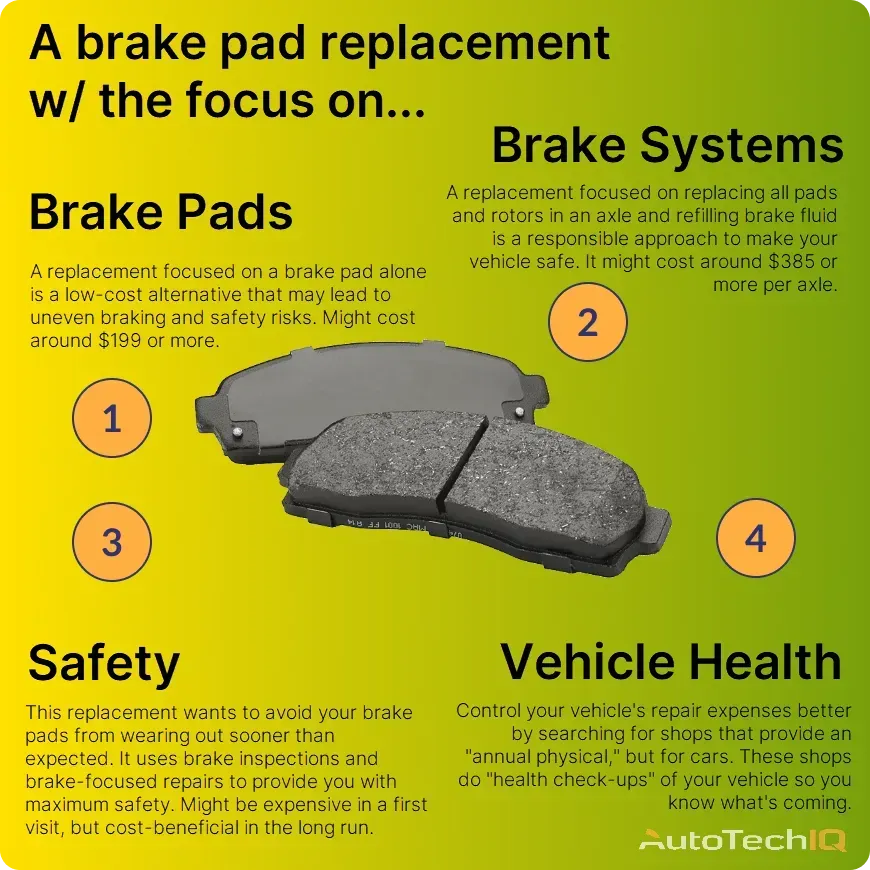
Credit: www.autotechiq.com
Rear Brake Components
The rear brake system has key parts that keep your car safe. These parts work together to stop the vehicle smoothly. Understanding these components helps you know the costs involved in repairs or replacements.
Rear brake components include brake pads, rotors, and calipers. Each has a specific role in the braking process. Knowing their function helps you spot issues early.
Brake Pads
Brake pads press against the rotors to slow the car. They wear out over time and need replacing. Rear brake pads usually cost less than front pads. Prices range from $30 to $80 per set. Quality affects the price and how long they last.
Brake Rotors
Rotors are metal discs that spin with the wheels. Brake pads clamp down on them to stop the car. Rear rotors can cost between $40 and $100 each. Costs depend on the material and size. Some rotors need resurfacing instead of replacement.
Brake Calipers
Calipers hold the brake pads and push them to the rotors. They use hydraulic pressure to work. Rear brake calipers cost more, often $70 to $150 each. Problems with calipers can cause uneven braking or noise. Repair or replacement may be needed.
Factors Affecting Cost
The cost of rear brakes and rotors depends on several important factors. Each factor can change the price quite a bit. Knowing these helps you prepare for the expense.
Costs vary from car to car and shop to shop. Some parts last longer but may cost more upfront. Labor fees differ too, depending on where you get the work done.
Vehicle Make And Model
Different cars need different brake parts. Luxury or sports cars often have pricier parts. Common cars usually have cheaper replacements. Size and design of brakes also affect cost.
Brake Part Quality
Standard brake parts cost less but wear out faster. Premium parts last longer and perform better. They cost more but may save money over time. Choose parts based on your driving needs and budget.
Labor And Installation Fees
Labor costs vary by region and shop. Some shops charge a flat fee, others by the hour. Complex brake systems take longer to fix, raising labor costs. Always ask for an estimate before work starts.
Typical Price Range
Knowing the typical price range for rear brakes and rotors helps plan your car maintenance budget. Prices vary based on quality, brand, and vehicle type. Simple parts cost less, while high-quality or performance parts cost more. Understanding these ranges helps you choose the right parts for your needs.
Economy Options
Economy brake pads and rotors are the most affordable choice. They usually cost between $50 and $100 per axle. These parts work well for daily driving and short trips. They may wear out faster but save money upfront. Ideal for older cars or low mileage drivers.
Mid-range Choices
Mid-range brake parts offer better durability and performance. Prices range from $100 to $200 per axle. These parts suit most drivers with regular use. They last longer than economy options and provide smoother braking. A good balance of cost and quality for many vehicles.
Premium And Performance Parts
Premium and performance rotors and pads cost $200 and above per axle. They provide excellent stopping power and heat resistance. Designed for sporty or heavy-duty vehicles. These parts improve safety and driving feel. Great for drivers who need strong, reliable brakes.
Diy Vs Professional Service
Deciding between doing rear brake and rotor repairs yourself or hiring a professional can impact your budget and safety. Both options have benefits and downsides. Understanding these helps you choose the best route for your car and wallet.
Cost Savings With Diy
Doing brake and rotor repairs yourself saves money on labor fees. Parts for rear brakes and rotors usually cost between $50 and $150 each. A professional service can add $100 to $300 for labor. Tools may cost extra, but many people already have basic ones. Learning to do the job yourself can reduce overall expenses.
Risks And Challenges
Brake repairs demand careful attention. Mistakes can cause brake failure or uneven wear. Without experience, you might miss critical steps or safety checks. Some cars have complex brake systems needing special tools. Lack of proper knowledge can lead to bigger costs or accidents. Safety is a top concern with brakes.
When To Hire A Mechanic
Choose a mechanic if you lack tools or experience. Complex brake systems or additional repairs require professional help. If you notice strange noises or poor brake performance, seek expert advice. Professionals ensure the job is done right and safely. This avoids costly mistakes and keeps you safe on the road.
Signs You Need Rear Brake Replacement
Rear brakes play a key role in vehicle safety. Worn-out brakes can cause serious problems. It is important to spot the signs early. This helps avoid costly repairs and accidents.
Noise And Vibration
Squeaking or grinding noises often mean brake wear. Vibrations in the brake pedal or steering wheel feel strange. These symptoms appear during braking. Such sounds and shakes demand quick attention.
Reduced Braking Performance
The car takes longer to stop than before. Brake pedals may feel soft or go down too far. The vehicle might pull to one side. These changes show the rear brakes need checking.
Visual Inspection Tips
Look through the wheels for brake pad thickness. Thin pads mean it is time to replace them. Check the rotors for deep grooves or rust. Any damage or wear suggests a brake service is due.
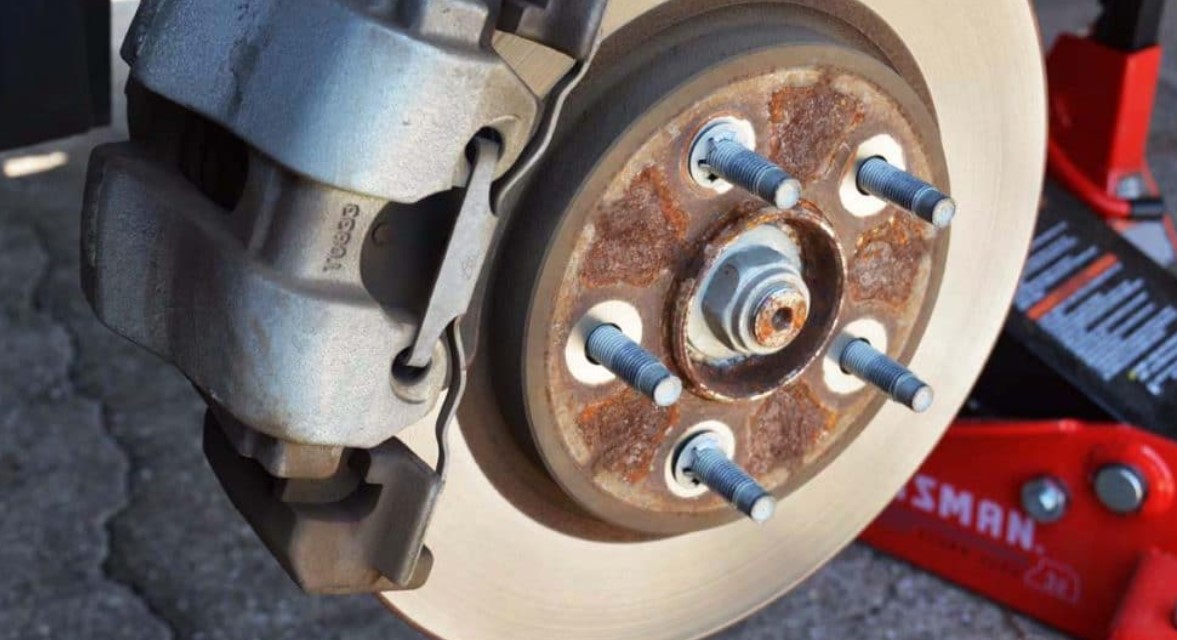
Credit: omegaautocare.com
Tips For Saving On Rear Brake Repair
Saving money on rear brake repair is important for many car owners. The cost of parts and labor can add up fast. Smart choices can lower expenses without risking safety. Here are practical tips to keep repair costs down and maintain good brake health.
Choosing The Right Parts
Select quality parts that fit your car model. OEM parts often last longer but cost more. Aftermarket parts can be cheaper but check reviews for reliability. Avoid very cheap parts as they wear out quickly. Buying parts from trusted brands helps save money over time.
Regular Maintenance
Check your brakes regularly to catch problems early. Clean brake components to prevent dirt buildup. Replace brake fluid as recommended in your car manual. Proper maintenance reduces wear and extends part life. This lowers the chance of costly repairs later.
Finding Reliable Mechanics
Choose mechanics with good reviews and fair prices. Ask for a detailed estimate before work starts. Avoid shops that push unnecessary repairs. A trusted mechanic can spot small issues before they grow. Building a good relationship may lead to discounts or priority service.
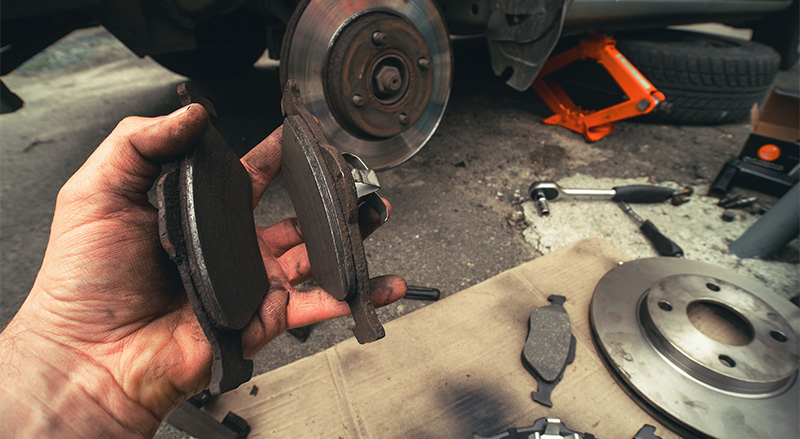
Credit: blog.napacanada.com
Frequently Asked Questions
How Much Do Rear Brake Pads Usually Cost?
Rear brake pads typically cost between $30 and $75. Prices vary based on vehicle make, quality, and brand. Labor charges for installation may add $80 to $150. Always check for warranties and quality before purchase.
What Is The Average Price For Rear Brake Rotors?
Rear brake rotors generally cost from $40 to $100 each. Premium rotors or specialty vehicles may have higher prices. Installation labor can range from $100 to $200. Regular maintenance helps avoid costly rotor replacements.
Can I Replace Rear Brakes And Rotors Myself?
Yes, if you have mechanical skills, you can replace them yourself. Proper tools and safety precautions are essential. DIY saves labor costs but may risk errors without experience. Always consult your vehicle manual before starting.
How Often Should Rear Brakes And Rotors Be Replaced?
Rear brakes and rotors typically last 30,000 to 70,000 miles. Driving habits and conditions affect wear rates. Regular inspections every 12,000 miles help detect issues early. Timely replacement ensures safe braking performance.
Conclusion
Rear brakes and rotors cost depends on parts and labor. Quality parts may cost more but last longer. Labor charges vary by location and mechanic skill. Regular maintenance helps avoid expensive repairs later. Choose trusted shops to ensure proper installation.
Knowing costs helps you plan your car care budget. Keep your brakes in good shape for safe driving. Always compare prices before deciding. This way, you get fair value and peace of mind.


