

Are you hearing strange noises when you brake or feeling your car pull to one side? It might be time to replace your brake pads and rotors.
But before you visit the mechanic, you probably want to know—how much should replacing brake pads and rotors cost? Understanding the price can save you from unexpected bills and help you make smarter decisions for your car. You’ll discover clear, straightforward answers about the costs involved, so you feel confident and in control the next time your brakes need attention.
Keep reading to find out what to expect and how to avoid paying too much.
Brake Pads And Rotors Basics
Brake pads and rotors are key parts of a car’s braking system. They work together to slow down or stop your vehicle safely. Understanding their basics helps you know when to replace them and how much it might cost.
Brake pads press against the rotors to create friction. This friction slows the wheels and stops the car. Both parts wear out over time and need regular checks to keep your car safe.
Role In Vehicle Safety
Brake pads grip the rotors to stop your car. Without good pads, stopping distance grows longer. Rotors must be smooth and strong to work well. Worn pads or damaged rotors reduce braking power. This can cause accidents or loss of control. Safe brakes protect you and others on the road.
Signs Of Wear And Tear
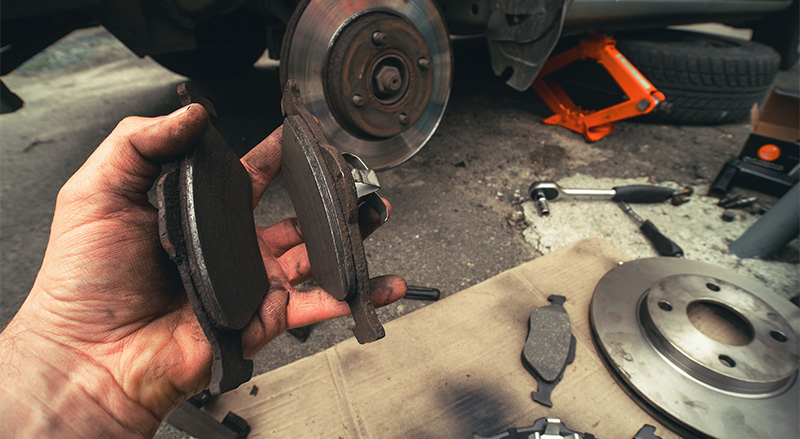
Squeaking or grinding noises mean brake pads may be worn. A soft or spongy brake pedal can signal problems too. If the car pulls to one side when braking, rotors might be uneven. Visual checks show if pads look thin or rotors are scored. Early action prevents bigger, costly repairs later.
Factors Influencing Replacement Costs
Replacing brake pads and rotors costs vary widely. Several key factors affect the total price. Understanding these helps you plan your budget better.
Costs depend on your vehicle, the parts used, labor fees, and where you live. Each factor plays a big role in the final bill.
Vehicle Make And Model
Some cars need special brake parts. Luxury and sports cars usually cost more. Common cars have cheaper, easier-to-find parts. Size and type of vehicle affect part prices too.
Quality Of Parts
Brake parts come in different qualities. OEM parts match the original exactly. They last longer but cost more. Aftermarket parts are cheaper but vary in quality. Choosing quality parts affects safety and cost.
Labor Charges
Mechanics charge by time and skill level. More complex jobs take longer and cost more. Dealerships often have higher labor rates. Independent shops may offer lower prices but check their reputation.
Geographic Location
Prices vary by region and city size. Urban areas tend to have higher labor fees. Rural areas might offer cheaper rates. Local demand and cost of living influence prices too.
Average Cost Breakdown
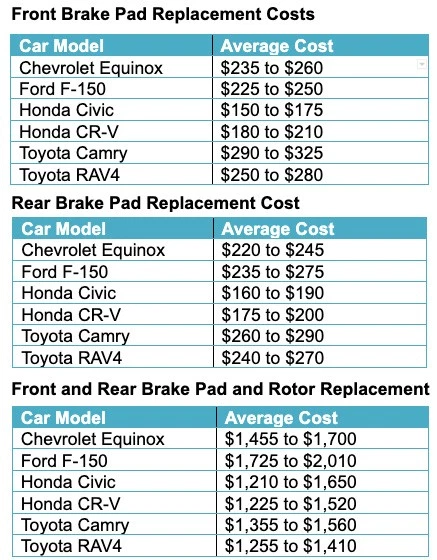
Understanding the average cost breakdown for replacing brake pads and rotors helps plan your budget. Prices vary based on car type, parts quality, and labor charges. Knowing typical costs prevents surprise bills and ensures fair service.
Brake Pad Replacement Costs
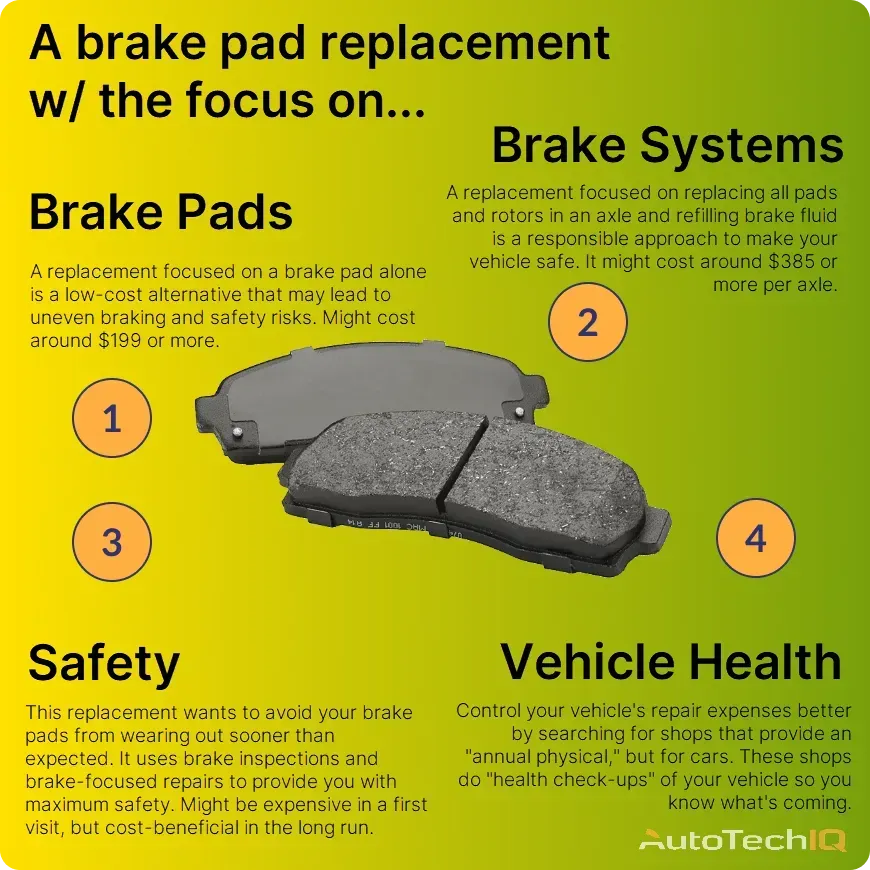
Brake pads usually cost between $50 and $150 per axle. Labor fees add another $80 to $120. The total cost ranges from $130 to $270. Economy pads cost less but wear out faster. High-quality pads last longer but cost more.
Rotor Replacement Costs
Rotors generally cost $30 to $75 each. Labor for rotor replacement runs from $100 to $150. Total expenses range from $160 to $300 per axle. Some rotors can be resurfaced to save money. New rotors improve braking performance and safety.
Combined Replacement Costs
Replacing both brake pads and rotors together costs between $250 and $500. Mechanics often offer package deals for combined service. This option saves time and can reduce labor charges. Regular maintenance keeps your brakes working well and extends part life.
Credit: www.ebay.com
Diy Vs Professional Service
Deciding between DIY and professional service for brake pads and rotors affects cost and safety. Each choice has clear benefits and drawbacks. Understanding these helps you pick the best option for your needs and budget.
Pros And Cons Of Diy
Doing brake work yourself saves labor costs. Parts usually cost less when bought separately. You learn a useful skill by doing the job. Yet, DIY requires tools and space. Mistakes can cause serious safety issues. It may take longer without experience. Some brake systems are complex and hard to fix alone.
When To Seek Professional Help
Choose a professional if you lack tools or confidence. Professionals guarantee a safe, quick, and correct repair. They inspect the whole brake system for hidden problems. Complex brake jobs need expert knowledge. Professionals also recycle old parts properly. For peace of mind and safety, expert help is best.
Tips To Save On Replacement Costs
Replacing brake pads and rotors can be costly. There are ways to lower these costs without risking safety. Smart choices help keep your car safe and your wallet happy. Follow these simple tips to save on replacement costs.
Choosing Quality Parts Wisely
Buy parts that last long but do not break your budget. Avoid the cheapest parts as they wear out faster. Look for parts with good reviews and fair prices. Quality parts prevent frequent replacements and save money over time.
Timing Your Replacement
Check your brakes regularly to know when to replace parts. Replace parts before they cause damage to other brake components. Avoid waiting until brakes are completely worn out. Early replacement saves on costly repairs and keeps driving safe.
Finding Reliable Mechanics
Choose a mechanic who is honest and skilled. Ask friends or read reviews to find trusted shops. Avoid shops that charge very high or very low prices. A reliable mechanic does the job right the first time and saves money in the long run.
Common Myths About Brake Replacement Costs
Many people have wrong ideas about brake replacement costs. These myths make car owners worry more than they should. Knowing the truth helps save money and avoid stress. Let’s clear up some common myths about brake pads and rotors.
Cheap Parts Are Always Bad
Cheap brake parts can be good or bad. Price does not always mean quality. Some budget parts meet safety standards and work well. Look for trusted brands and reviews. Avoid very cheap parts from unknown sellers. Good parts keep you safe without overspending.
Rotors Must Be Replaced Every Time
Rotors do not always need replacement. Sometimes, they can be resurfaced or reused. Only replace rotors if they are too thin or damaged. A mechanic can check rotor condition during brake service. This saves money and keeps brakes working well.
Brake Replacement Is Always Expensive
Brake repairs can be affordable. Costs depend on car type, parts, and labor. Regular checks stop big problems and high bills. Simple brake pad changes often cost less than people think. Plan brake care to avoid surprise expenses.
Maintaining Brakes For Longevity
Maintaining brakes properly helps them last longer and work better. Good care can save money on repairs and keep driving safe. Simple habits and checks can extend the life of brake pads and rotors. This section covers how to keep brakes in top shape for a longer time.
Regular Inspection Schedule
Check brakes every 6,000 to 10,000 miles. Look for wear on pads and rotors. Listen for unusual sounds like squeaking or grinding. Watch for vibrations when braking. Early checks catch problems before they get worse. Regular inspections help avoid costly repairs.
Driving Habits That Affect Brake Life
Avoid hard braking and sudden stops. Smooth, steady braking reduces wear on parts. Drive slower in heavy traffic to limit brake use. Use engine braking on downhill roads. Do not rest your foot on the brake pedal while driving. Good habits protect brakes and make them last longer.
Credit: www.autotechiq.com
Credit: blog.napacanada.com
Frequently Asked Questions
How Much Does It Cost To Replace Brake Pads And Rotors?
Replacing brake pads and rotors typically costs between $250 and $500. Prices vary based on vehicle type, parts quality, and labor rates. Luxury or performance cars may cost more. Always get a detailed estimate before the service.
Can I Replace Brake Pads And Rotors Myself?
Yes, you can replace brake pads and rotors yourself if you have mechanical skills. However, it requires proper tools and knowledge. Incorrect installation can compromise safety. For most drivers, professional service is recommended.
How Often Should Brake Pads And Rotors Be Replaced?
Brake pads usually need replacement every 30,000 to 70,000 miles. Rotors last longer but may require replacement every 50,000 to 70,000 miles. Driving habits and conditions affect these intervals. Regular inspections help maintain brake health.
What Factors Affect Brake Pad And Rotor Replacement Cost?
Costs depend on vehicle make, part quality, labor rates, and location. OEM parts cost more than aftermarket. Complex brake systems raise labor time and price. Discounts or promotions can reduce overall cost.
Conclusion
Replacing brake pads and rotors costs vary by car and parts quality. Expect to pay more for high-end materials or complex labor. Regular maintenance helps avoid expensive repairs later. Always compare prices from different shops before deciding. Good brakes keep you safe on the road.
Don’t delay if you hear squeaking or feel vibrations. Knowing the cost helps you plan your budget better. Stay informed and keep your car in top shape.

