

Have you noticed strange noises or vibrations when you hit the brakes? These could be signs that your brake rotors need attention.
Your rotors play a crucial role in keeping your car safe by helping you stop smoothly. But how do you know when it’s time to replace them? Understanding the warning signals can save you from costly repairs and keep you safe on the road.
Keep reading to learn the key signs that your brake rotors need replacing and what steps you should take next.
Credit: www.reddit.com
Signs Of Worn Brake Rotors
Brake rotors play a key role in stopping your vehicle safely. Over time, rotors wear out and affect braking performance. Recognizing signs of worn brake rotors helps prevent accidents and costly repairs. Here are common signs to watch for that indicate your brake rotors need replacing.
Squealing Or Grinding Noises
A high-pitched squeal or harsh grinding noise means rotor wear. Squealing often comes from worn brake pads rubbing on rotors. Grinding means the rotor surface is damaged or uneven. These sounds should never be ignored. They warn of rotor problems that reduce brake efficiency.
Vibrations When Braking
Feeling a vibration or pulsation in the brake pedal signals rotor issues. Worn or warped rotors cause uneven contact with brake pads. This unevenness creates shaking during braking. Vibrations mean the rotor surface is no longer smooth and needs attention.
Visible Rotor Damage
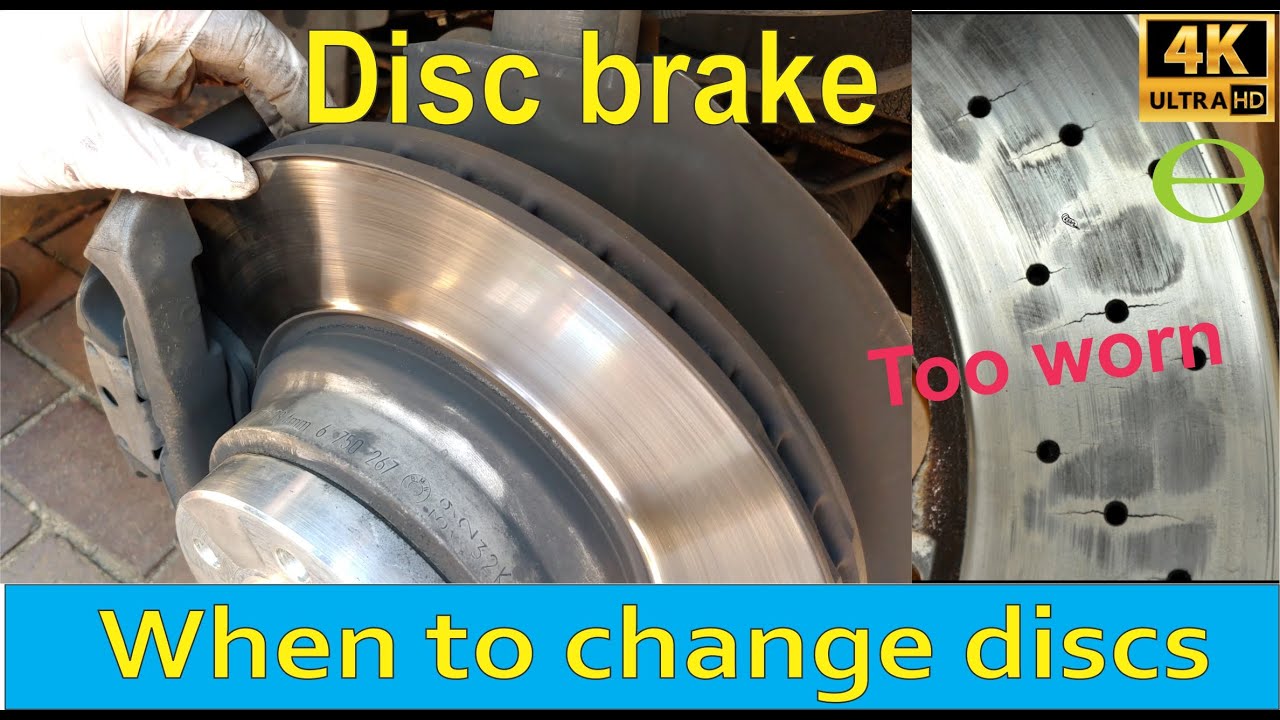
Inspecting rotors can reveal cracks, grooves, or rust patches. Deep grooves or scoring happen from worn pads or debris. Cracks appear from extreme heat or stress. Rust can weaken rotor strength and surface quality. Any visible damage suggests the rotor needs replacing soon.
Increased Stopping Distance
Longer stopping distances indicate brake rotor wear. As rotors degrade, braking power reduces. The vehicle takes more distance to stop safely. This sign is dangerous and requires immediate brake inspection. Worn rotors reduce your control and safety on the road.
Credit: www.youtube.com
Common Causes Of Rotor Wear
Brake rotors wear out for several reasons. Knowing these helps you spot problems early. It also keeps your car safe on the road.
Rotor wear happens due to how you drive and care for your brakes. Some causes speed up this wear more than others. Understanding these causes helps you prevent damage and save money.
Frequent Hard Braking
Stopping hard often puts extra stress on brake rotors. This causes them to heat up and wear down fast. If you brake hard every day, rotors can warp or crack sooner. Gentle braking extends their life.
Poor Quality Rotors
Low-quality rotors wear out faster and unevenly. Cheap materials do not handle heat well. They can develop grooves and cracks quickly. Investing in good rotors means better performance and longer use.
Driving Conditions
Rough roads and hilly areas cause more rotor wear. Dirt and debris can scratch rotors. Stop-and-go traffic also leads to frequent braking. These conditions speed up rotor damage.
Neglected Maintenance
Skipping brake checks harms rotors over time. Worn brake pads can damage rotors. Lack of cleaning allows rust to form. Regular maintenance keeps rotors smooth and safe.
Rotor Inspection Methods
Inspecting your brake rotors is important to keep your car safe. Rotors wear down over time and need checking. Several methods help find signs of wear or damage early. Use these inspection methods to know when to replace your rotors.
Visual Checks
Start by looking at your rotors closely. Look for deep grooves, cracks, or rust spots. These signs show rotor damage or wear. Uneven wear or discoloration means the rotor might be overheating. A clean, smooth rotor surface is best for braking.
Measuring Rotor Thickness
Each rotor has a minimum thickness limit. Use a micrometer to measure the rotor’s thickness. Compare the measurement with the manufacturer’s specifications. Thin rotors cannot cool properly and may crack. Replace rotors that are below the minimum thickness.
Checking For Warping
Warped rotors cause vibration when braking. You can feel shaking or hear noise from the brakes. Use a dial indicator tool to check rotor run-out. This tool measures how much the rotor surface moves. If movement is over the limit, the rotor is warped and needs replacement.
Professional Brake Inspection
Experts use special tools to inspect your brake system. They check rotors, pads, and calipers in detail. Professionals can spot hidden problems early. Schedule regular brake inspections for safety and longer rotor life.

Credit: www.youtube.com
Consequences Of Ignoring Rotor Issues
Ignoring brake rotor problems can lead to serious issues. Small rotor faults might seem minor at first. But these can quickly turn into bigger, costly problems. Understanding the risks helps you act early. Protect your car and your safety by knowing what’s at stake.
Reduced Brake Performance
Worn or damaged rotors reduce braking power. Your car takes longer to stop. This delay increases the chance of accidents. You may also feel vibrations or hear noises while braking. These signs mean your rotors are not working well.
Damage To Other Brake Components
Bad rotors put extra stress on brake pads and calipers. This causes faster wear and tear on these parts. You might need to replace several brake parts instead of just rotors. Repair bills grow when one issue spreads to others.
Safety Hazards
Faulty rotors can cause brake failure. This risk is dangerous for drivers, passengers, and others on the road. Poor braking control leads to accidents or loss of vehicle control. Safe driving depends on healthy brake rotors.
Costly Repairs
Ignoring rotor damage results in expensive repairs. Early rotor replacement costs less than fixing many brake parts. Repair shops charge more when damage is severe. Regular checks save money and keep your brakes reliable.
Tips For Extending Rotor Life
Extending the life of your brake rotors saves money and keeps your car safe. Rotors wear down over time, but careful habits can slow this process. Simple actions help maintain their condition and improve braking performance. Here are some tips to keep your rotors in good shape longer.
Smooth Braking Techniques
Press the brake pedal gently and steadily. Avoid sudden or hard stops whenever possible. Gradual braking reduces stress on the rotors and pads. This helps prevent warping and uneven wear. Smooth braking also improves control and comfort during driving.
Regular Brake Maintenance
Check your brakes often for signs of wear or damage. Replace brake pads before they wear out completely. Worn pads can damage the rotors quickly. Clean the brake parts to remove dirt and debris. Regular maintenance keeps the braking system working well and extends rotor life.
Choosing Quality Parts
Use high-quality brake pads and rotors for replacements. Cheap parts wear faster and can cause problems. Quality parts last longer and fit better. They provide more consistent braking and protect your rotors. Always pick parts from trusted brands or suppliers.
Avoiding Overheating
Do not ride the brakes down long hills. Use lower gears to slow the vehicle instead. Overheating causes rotors to warp and crack. Give your brakes time to cool after heavy use. Keeping temperatures low helps rotors stay strong and last longer.
Frequently Asked Questions
How Can I Tell If Brake Rotors Are Worn Out?
Worn brake rotors often cause vibrations or pulsing when braking. You might also hear squealing or grinding noises. Visual cracks or grooves on the rotor surface indicate wear. If your braking feels less responsive, it’s time to inspect or replace the rotors.
What Noises Indicate Brake Rotor Problems?
Squealing, grinding, or scraping sounds typically signal rotor issues. These noises occur when the rotor surface is uneven or damaged. Ignoring these sounds can lead to further brake system damage and unsafe driving conditions.
How Often Should Brake Rotors Be Replaced?
Brake rotors usually last between 30,000 to 70,000 miles. Replacement depends on driving habits, rotor quality, and brake pad condition. Regular inspections help determine if rotors need replacing sooner to maintain safe braking performance.
Can Warped Brake Rotors Be Fixed Or Replaced?
Minor warping can sometimes be resurfaced by a mechanic. Severe warping requires rotor replacement. Driving with warped rotors causes vibrations and reduces braking efficiency, so timely repair or replacement is essential.
Conclusion
Brake rotors show clear signs when they need replacing. Squeaking, vibrations, or longer stops warn you. Regular checks keep your car safe and smooth. Ignoring issues can lead to costly repairs. Trust your senses and act quickly. Proper rotor care ensures better braking and peace of mind.
Stay alert to keep driving safely every day.


