
You want your car to look shiny and new, right? Waxing your car is one of the best ways to protect its paint and keep it gleaming.
But how often should you wax your car? Too much waxing can waste your time and money, while too little can leave your car vulnerable to damage. You’ll discover the perfect waxing routine that fits your car’s needs and your busy schedule.
Keep reading to learn how to keep your car looking its best without any guesswork.
Credit: carfromjapan.com
Benefits Of Car Waxing
Waxing a car is more than just making it look good. It gives many benefits that help keep the car’s surface in top shape. Regular waxing keeps the paint healthy and the car looking newer for longer. It also makes cleaning easier and protects the car from outside damage.
These benefits explain why waxing is an important part of car care. Here are some key advantages of waxing your car.
Enhancing Shine
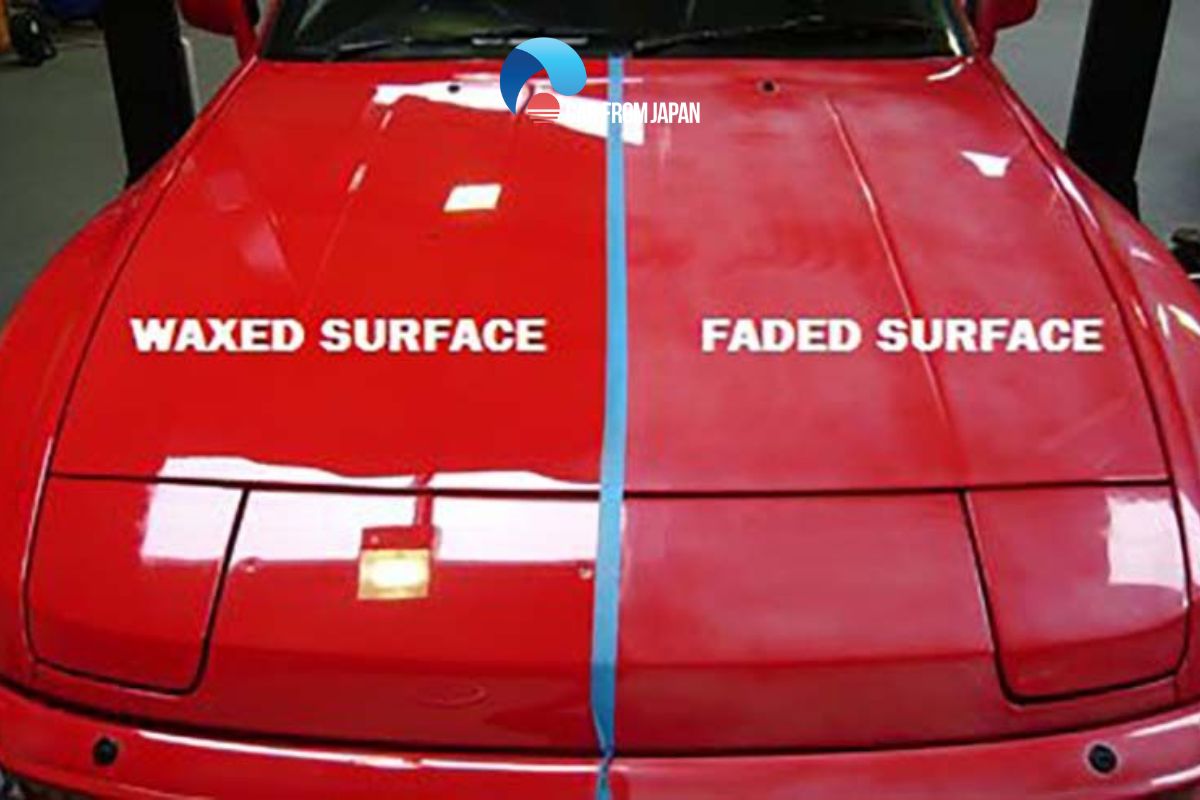
Car wax adds a deep, glossy shine to your paint. It smooths the surface, reflecting light better. This shine makes your car look clean and fresh. It also hides minor scratches and imperfections.
Protecting Paint
Wax creates a protective layer over the paint. This layer guards against sun damage, dust, and pollution. It helps prevent fading and peeling caused by UV rays. Wax also reduces the risk of rust by keeping moisture away.
Repelling Dirt And Water
Wax makes the car surface slick and water-resistant. Dirt and water slide off easily without sticking. This effect keeps the car cleaner for longer. It also helps avoid water spots and stains after rain or washing.
Types Of Car Wax
Car wax protects your paint and makes your car shine. Different types of wax suit different needs and preferences. Knowing the options helps you pick the right one for your vehicle. This guide covers the main types of car wax and their features.
Natural Vs Synthetic
Natural wax comes from carnauba, a plant-based source. It gives a deep, warm shine and is gentle on paint. Synthetic waxes use chemicals to create a protective layer. They last longer and resist water better. Choose natural wax for a glossy look and synthetic for durability.
Paste, Liquid, And Spray Options
Paste wax is thick and offers strong protection. It takes more time to apply but lasts long. Liquid wax is easier to spread and dries faster. It suits quick waxing sessions. Spray wax is fastest and simplest to use. It gives a light shine and is good for touch-ups.
Best Wax For Different Finishes
Dark paint looks great with natural carnauba wax. It highlights depth and gloss. Light-colored cars benefit from synthetic wax for added protection. Matte finishes need special wax that does not add shine. Always check wax labels to match your car’s paint type.
How Often To Wax Your Car
Knowing how often to wax your car helps keep its paint fresh and protected. Waxing adds a layer that guards against dirt, sun, and water. Too little waxing leaves your car vulnerable. Too much waxing wastes time and product. Finding the right balance is key to maintaining your car’s shine and value.
Factors Influencing Frequency
How often you wax depends on several things. The type of wax you use matters. Some last longer than others. Your car’s color can affect how often it needs waxing. Dark colors may show damage faster. The environment also plays a big role. Cars parked outside need waxing more often than those in garages.
Seasonal Considerations
Seasons change how often you should wax. Winter brings salt and grime that wear off wax. Spring washing removes winter dirt, so waxing then helps. Summer’s strong sun fades paint, making wax essential. Fall leaves dirt and moisture that can damage paint. Adjust waxing schedules to match these conditions.
Signs Your Car Needs Waxing
Your car shows clear signs it needs waxing. Water no longer beads on the surface. The paint looks dull or faded. Dirt sticks more easily and does not wash off well. Scratches and swirl marks appear more visible. These signs tell you it’s time to wax again for protection and shine.
Preparing Your Car For Waxing
Preparing your car for waxing is a key step to get the best results. A clean and smooth surface helps the wax stick better. This makes your car shine longer and protects the paint. Taking time to prepare your car right saves you effort later.
Cleaning And Washing
Start by washing your car with soap and water. Use a soft sponge or cloth to avoid scratches. Dirt and dust must be removed completely. Clean every part, including wheels and lower panels. Rinse well to remove soap residue. Clean surfaces help the wax spread evenly.
Removing Old Wax
Old wax can build up and make new wax less effective. Use a wax remover or a clay bar to clear old layers. Rub gently but firmly to avoid damaging the paint. This step makes the surface smooth and ready. Removing old wax ensures a fresh start for new protection.
Drying Techniques
Dry your car with a soft, clean towel or microfiber cloth. Avoid air drying to prevent water spots on the paint. Pat the surface gently instead of rubbing hard. Make sure the car is fully dry before waxing. A dry surface helps the wax stick better and last longer.
Waxing Techniques
Waxing your car the right way keeps its paint bright and safe. Using good techniques helps the wax last longer and look better. Learn the best ways to apply and buff wax for a smooth finish. Avoiding common mistakes makes the process easier and more effective.
Applying Wax Properly
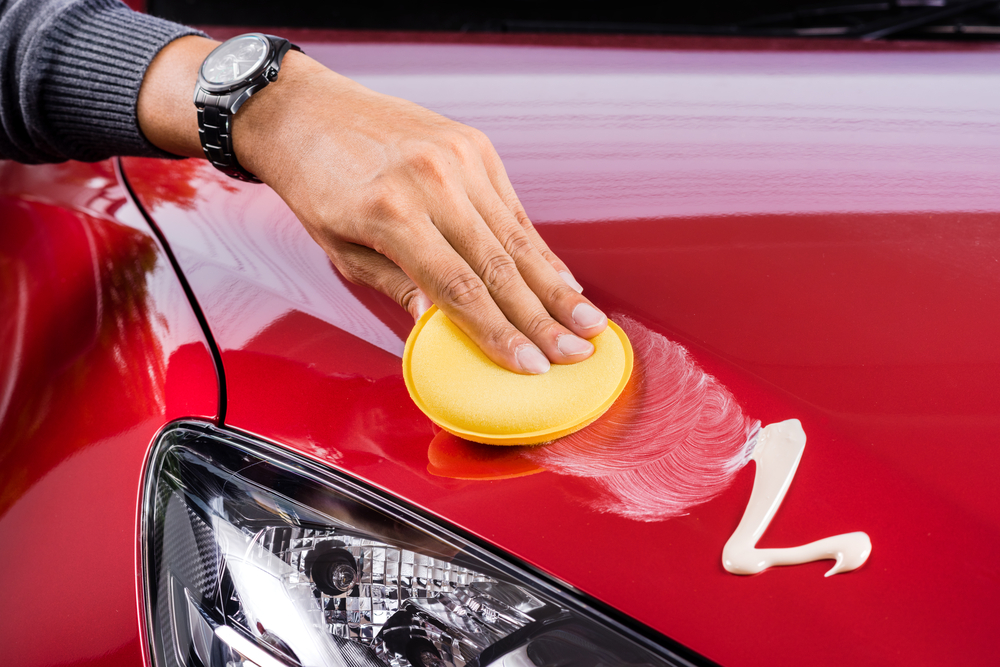
Start with a clean, dry car surface. Use a foam or microfiber applicator for even spreading. Apply wax in small sections to cover the whole car. Use gentle, circular motions to work the wax into the paint. Let the wax dry until it looks hazy before buffing.
Buffing Tips
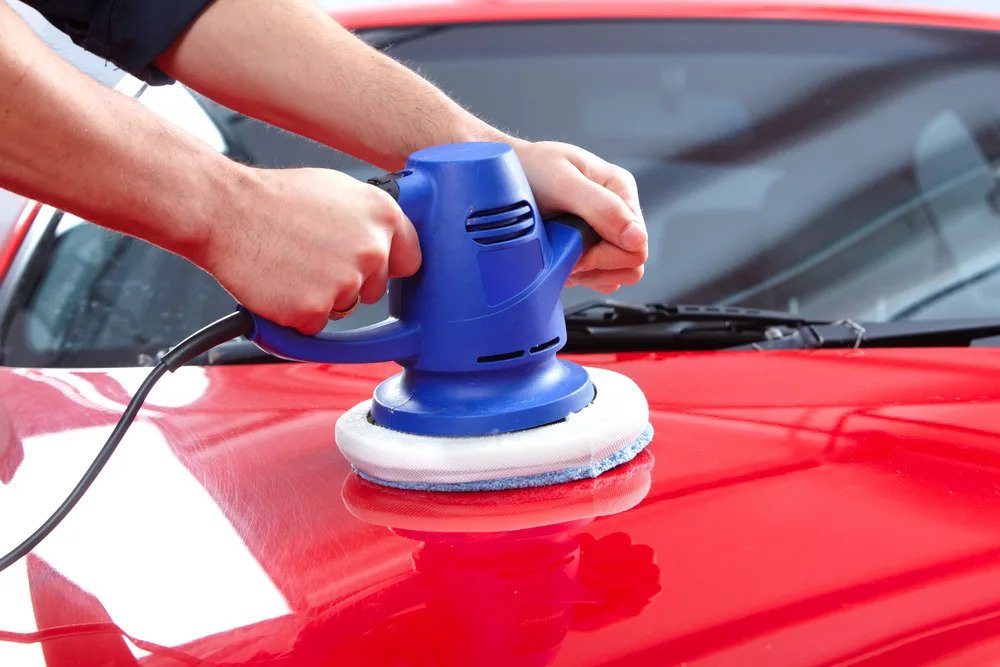
Use a soft microfiber cloth to buff the wax. Work in small, circular strokes to remove residue. Change cloth sides often to avoid smearing. Buff until the surface shines and feels smooth. Avoid pressing too hard; let the cloth do the work.
Avoiding Common Mistakes
Do not wax in direct sunlight or on a hot surface. Avoid applying too much wax at once, which causes buildup. Do not rush; give wax time to dry properly. Skip using dirty cloths that can scratch the paint. Avoid overlapping too much to prevent streaks.
Credit: www.peoriavw.com
Maintaining Wax Protection
Maintaining wax protection keeps your car shiny and safe from damage. Wax acts as a shield against dirt, water, and UV rays. Over time, this protective layer wears off. Regular care helps the wax last longer. It also keeps your car looking fresh and new.
Simple steps make a big difference in wax maintenance. These steps help keep the wax strong between full waxing sessions. Let’s explore easy ways to maintain wax protection.
Regular Cleaning
Clean your car often to protect the wax layer. Dirt and grime can build up and harm the wax. Use mild soap and water. Avoid harsh chemicals that can strip wax. Rinse well and dry with a soft cloth. This keeps the wax smooth and effective.
Using Quick Detailers
Quick detailers are sprays that refresh wax. They remove light dust and fingerprints. Spray on and wipe off with a microfiber cloth. This method restores shine fast. It also adds a thin protective layer. Use quick detailers between washes for extra care.
Touch-up Waxing
Touch-up waxing fills in thin or worn spots. Use a small amount of wax on these areas. Apply gently with a soft cloth or applicator pad. Let it dry, then buff to a shine. Touch-ups extend the life of your main wax coat. Do this as needed to keep full protection.
When To Skip Waxing
Waxing your car is a great way to protect its paint and keep it shiny. But not every time is right for waxing. Skipping waxing at the right moments can save your car’s surface from damage. Knowing when to skip waxing helps maintain your car’s look and health.
Fresh Paint Considerations
New paint needs time to cure before waxing. Waxing too soon can trap moisture or chemicals. This may cause bubbles or uneven spots. Wait at least 30 days after painting. This allows the paint to harden fully. Then waxing will protect without harm.
Clear Coat Issues
If your clear coat is peeling or damaged, avoid waxing. Wax can worsen the problem by sealing cracks. Instead, fix the clear coat first. Waxing over damage hides issues but does not heal them. Protecting a smooth surface is key for waxing.
Environmental Factors
Extreme weather can affect waxing results. Avoid waxing in direct sunlight or heat. Wax dries too fast and leaves streaks. Also skip waxing before heavy rain or snow. Moisture can prevent wax from sticking well. Choose calm, dry days for best results.
Credit: ethoscarcare.com
Frequently Asked Questions
How Often Should I Wax My Car For Best Protection?
Wax your car every three months to maintain protection. This frequency shields paint from UV rays, dirt, and moisture. Regular waxing also enhances shine and prevents fading. Adjust frequency based on weather and driving conditions for optimal results.
Can Waxing Frequency Affect My Car’s Paint Quality?
Yes, proper waxing frequency preserves paint quality by adding a protective layer. Over-waxing won’t harm paint but may cause buildup. Under-waxing leaves paint vulnerable to damage, oxidation, and fading. Balanced waxing keeps your car’s surface smooth and vibrant.
What Factors Determine How Often To Wax My Car?
Waxing frequency depends on climate, car usage, and paint type. Hot, sunny areas need more frequent waxing. Frequent driving exposes your car to dirt and contaminants, requiring extra care. New cars with factory paint may need less waxing initially.
Is It Okay To Wax My Car Every Month?
Waxing monthly is generally safe and can boost shine and protection. However, it’s often unnecessary unless your car faces harsh conditions. Over-waxing rarely harms paint but might waste time and product. Stick to three-month intervals unless needed more often.
Conclusion
Waxing your car protects its paint and keeps it shiny. Most experts say waxing every three months works well. This timing helps prevent dirt and sun damage. Too much waxing can harm the paint, so don’t overdo it. Always choose a good wax product and apply it carefully.
Regular waxing saves money on car repairs later. Your car will look cleaner and stay in better shape. Keep a simple waxing schedule for best results. Easy care makes your car last longer and look great.

