

Thinking about giving your car that fresh, shiny look but unsure how much it will cost? You’re not alone.
Buffing your car can bring back its sparkle and hide those annoying scratches, but the price varies a lot. You want to know exactly what to expect before you decide. You’ll discover the real costs of buffing a car and what factors can affect the price.
By the end, you’ll feel confident about making the best choice for your car—and your budget. Keep reading to find out how much you should really be prepared to pay.
Factors Affecting Buffing Costs
Buffing a car does not have a fixed price. Various factors change the cost. Understanding these factors helps plan your budget better. Costs vary based on the car, the service, and where you get it done.
Car Size And Condition
Small cars usually cost less to buff than large ones. Bigger cars need more time and materials. The paint’s condition also matters. A car with many scratches or damage costs more to fix. Well-maintained cars require less work and cost less.
Type Of Buffing Service
There are different buffing types. Light buffing removes small swirls and dirt. It costs less than heavy buffing. Heavy buffing fixes deep scratches and dull paint. Some services include polishing or waxing after buffing. These add to the total price.
Location And Service Provider
Prices vary by location. Big cities often have higher prices than small towns. Service providers also differ in price. Experienced technicians usually charge more. Cheap services may cut corners. Choose providers carefully for good results.
Additional Services Impact
Extra services affect the final cost. Waxing, polishing, or paint correction increase prices. Some places offer package deals with several services. These packages may save money overall. Decide what your car needs before choosing extras.

Credit: www.pandahub.com
Average Buffing Prices
Car buffing can bring back shine and remove small scratches. Prices vary based on service type and car condition. Knowing average costs helps plan your budget well.
Basic Buffing Costs
Basic buffing usually costs between $50 and $150. This service removes light scratches and dullness. It takes about one to two hours. This option suits cars with minor paint issues.
Premium And Detailing Packages
Premium buffing can range from $150 to $300 or more. It includes deeper scratch removal and polishing. Some packages add waxing and interior cleaning. These services give your car a showroom look.
Diy Buffing Expense
Doing it yourself costs much less. Buffing kits range from $20 to $70. You need polishing compounds and a buffer tool. DIY saves money but needs time and effort.
Buffing Methods And Their Costs
Buffing a car restores shine and removes minor scratches. Different methods offer various results and costs. Choosing the right method depends on your budget and skill level. Below are common buffing methods and their typical costs.
Machine Buffing
Machine buffing uses a power tool with a rotating pad. It works fast and gives a smooth finish. This method removes scratches and oxidation better than hand buffing. Renting a machine costs around $40 to $100 per day. Professional machine buffing services charge between $100 and $300. The price depends on the car size and damage level. Machine buffing needs some experience to avoid paint damage.
Hand Buffing
Hand buffing uses a cloth and polishing compound. It takes more time but is gentle on the paint. This method suits small scratches and light oxidation. Polishing compounds cost $10 to $30 per bottle. You may spend 1 to 3 hours buffing by hand. Hand buffing is cheaper but less effective on deep scratches. It works well for regular maintenance and touch-ups.
Professional Versus Diy
Professional buffing offers expertise and better tools. They fix deeper scratches and paint imperfections. Costs vary from $100 to $300 depending on service level. DIY buffing saves money but needs patience and care. Mistakes in DIY buffing can harm your car’s paint. Professionals provide a safer and more polished result. Choose based on your budget and comfort with tools.

Credit: www.reddit.com
When To Buff Your Car
Knowing when to buff your car helps keep its paint fresh and shiny. Buffing removes small scratches and dull spots. It also protects the paint from damage. Timing your buffing right saves money and effort. Watch your car’s surface closely. Signs appear before serious paint issues develop.
Signs Your Car Needs Buffing
Look for swirl marks or light scratches on the paint. Dullness or fading shows the clear coat is wearing out. Water spots that don’t wash away easily. Paint feels rough or uneven to touch. Sun damage can cause color to look patchy. If your car looks old or tired, buffing might help.
Frequency Recommendations
Buff your car every six months for best results. Cars kept outdoors may need buffing more often. Indoor cars can go longer between sessions. Avoid buffing too often to prevent paint damage. Follow your car manufacturer’s care advice. Regular washing helps extend time between buffing.
Tips To Save On Buffing
Buffing your car can be costly. Simple tips can help you save money. These tips make the process easier and cheaper.
Choosing The Right Service
Not all buffing services cost the same. Small shops often charge less than big dealers. Check reviews to find good quality at low prices. Ask for quotes before deciding. Some places offer basic buffing that fits your budget.
Preparing Your Car
Clean your car before buffing. Dirt and dust make buffing harder and longer. Wash and dry your car well. Remove any stickers or wax layers. This helps the service finish faster and costs less.
Seasonal Discounts And Offers
Buffing shops offer deals during certain times of the year. Holidays and slow months often have discounts. Watch for sales in winter or early spring. Sign up for newsletters to get coupons. Saving money is easier with these offers.
Risks Of Improper Buffing
Buffing a car can make its paint shine like new. But doing it wrong can cause serious damage. Knowing the risks helps protect your car’s look and value.
Potential Paint Damage
Buffing removes a thin paint layer to smooth scratches. Too much pressure wears the paint down. This can expose the metal below. The paint may become uneven or dull. Overheating the paint with a buffer can cause burns or bubbles. These marks are hard to fix and lower the car’s appeal.
Avoiding Common Mistakes
Using the wrong pad or compound can harm the paint. Buffing in one spot for too long causes heat damage. Skipping cleaning before buffing traps dirt under the buffer. This scratches the surface further. Not testing on a small area risks ruining the whole panel. Taking time and using proper tools reduces these risks.
Maintaining Buffed Finish
Keeping your car’s buffed finish looking fresh takes care and attention. A buffed surface shines bright but can lose its gloss quickly without proper maintenance. Dirt, dust, and weather can dull the shine fast. Simple steps help keep that glow for a long time. Follow easy routines to protect your car’s new shine and enjoy the smooth look every day.
Aftercare Tips
Wash your car gently using soft cloths or sponges. Avoid harsh scrubbing that can scratch the surface. Dry the car with a microfiber towel to stop water spots. Park your car in shaded areas to protect the finish from sun damage. Avoid automatic car washes with strong brushes. Check the surface often and clean off dirt quickly. A little care each week keeps the shine alive.
Products To Use
Choose waxes or sealants designed for buffed finishes. These products add a protective layer that blocks dirt and UV rays. Use spray detailers for quick touch-ups between washes. Pick cleaners that are gentle and made for polished surfaces. Avoid abrasive products that can harm the finish. Regular use of the right products keeps the surface smooth and bright.
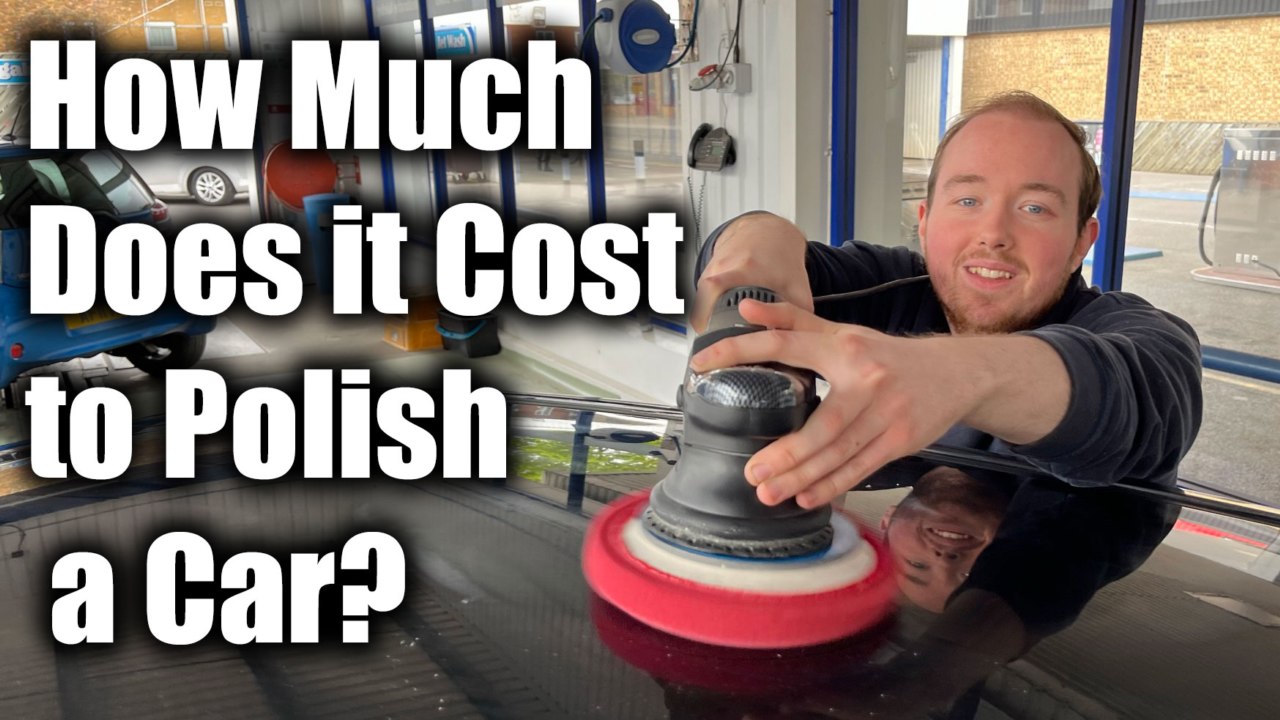
Credit: cars.newagain.co.uk
Frequently Asked Questions
How Much Does Car Buffing Usually Cost?
Car buffing costs range from $50 to $150, depending on car size and damage. Prices vary by location and service quality.
Does Diy Buffing Save Money Compared To Professionals?
DIY buffing is cheaper but requires skill and proper tools. Professionals deliver better, longer-lasting results with less risk.
How Often Should I Buff My Car For Maintenance?
Buff your car every 6 to 12 months to maintain shine and remove minor scratches. Frequency depends on usage and environment.
What Factors Affect The Price Of Car Buffing?
Price depends on car size, paint condition, scratch depth, and service location. Additional services like polishing may increase costs.
Conclusion
Buffing a car can refresh its look and protect the paint. Costs vary depending on car size and buffing type. Doing it yourself saves money but takes time and effort. Professional services cost more but give better results. Consider your budget and how much shine you want.
Regular buffing keeps your car looking newer longer. Choose the option that fits your needs best. A shiny car always feels good to drive and show.


