

Is your car not running as smoothly as it used to? Dirt and rust inside your gas tank could be the hidden troublemakers.
Cleaning your car gas tank might sound complicated, but with the right steps, you can do it yourself and save money. In this guide, you’ll learn simple, effective ways to clean your gas tank and keep your engine running strong.
Keep reading—your car will thank you for it.

Credit: www.youtube.com
Signs Of A Dirty Gas Tank
A dirty gas tank can cause many car problems. It affects how your car runs and can cause damage. Recognizing signs of a dirty gas tank helps you fix issues early. This saves money and keeps your car safe.
Fuel Smell And Contamination
A strong fuel smell near your car is a warning. It may mean fuel is leaking or contaminated. Dirty gas tanks let dirt and water mix with fuel. This contamination causes the smell and can harm engine parts.
Engine Performance Issues
Your car may hesitate or stall while driving. Rough idling or trouble starting also shows problems. Dirty fuel clogs filters and injectors, reducing engine power. Poor performance points to a gas tank needing cleaning.
Rust And Sediment Build-up
Rust inside the gas tank causes sediment to form. This sediment blocks fuel flow and damages the engine. You may hear strange noises or see fuel filter clogs. Rust and sediment signal an urgent need for cleaning.
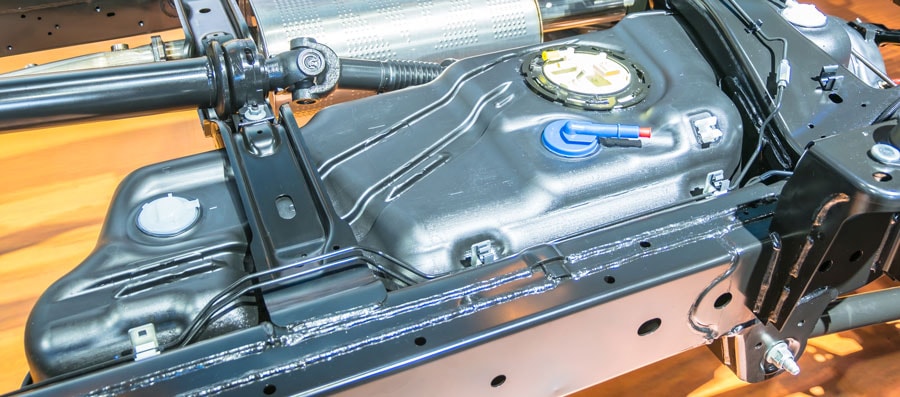
Credit: www.autozone.com
Tools And Materials Needed
Cleaning a car gas tank requires specific tools and materials. Using the right items makes the job safer and easier. Prepare everything before starting to avoid delays or mistakes. Here is a list of what you need.
Protective Gear
Safety comes first. Wear gloves to protect your hands from chemicals and fuel. Use safety goggles to shield your eyes from splashes. A mask helps avoid inhaling fumes. Long sleeves and pants add extra protection.
Cleaning Solutions
Choose a cleaner made for fuel tanks. Some use special solvents to remove rust and dirt. Others use vinegar or baking soda for light cleaning. Make sure the solution is safe for your tank material.
Basic Tools
Gather simple tools like wrenches and screwdrivers to open the tank. A hose or pipe helps flush out dirt. Use a brush or scrubber for stubborn grime. Have a container ready to catch old fuel and debris.
Preparing Your Vehicle
Preparing your vehicle is the first step to clean the gas tank safely. This stage ensures you avoid accidents and damage. Proper preparation saves time and effort during the cleaning process.
Focus on safety and careful handling of fuel components. Follow the right steps to drain and remove the gas tank. This helps you work efficiently and safely.
Safety Precautions
Work in a well-ventilated area to avoid harmful fumes. Keep fire and sparks far from the vehicle. Wear gloves and safety glasses for protection. Have a fire extinguisher nearby. Avoid smoking or open flames during the process.
Draining The Gas Tank
Drain the tank completely before removing it. Use a fuel siphon pump or drain plug if available. Store the drained fuel in a proper container. Dispose of old fuel safely. Avoid spilling fuel on the ground or car parts.
Removing The Gas Tank
Lift the vehicle safely using a jack and stands. Disconnect the battery to prevent sparks. Remove fuel lines and electrical connections carefully. Support the tank with a jack or helper. Unbolt the tank straps and lower it slowly. Keep track of all bolts and parts for reassembly.
Cleaning The Gas Tank
Cleaning the gas tank is an important task to keep your car running smoothly. Dirt, rust, and old fuel can build up inside the tank. This buildup can cause engine problems and reduce fuel efficiency. Regular cleaning helps avoid costly repairs and keeps the fuel system healthy.
There are several ways to clean a gas tank. Each method depends on the tools and materials you have. Safety is key. Always work in a well-ventilated area and wear protective gloves.
Manual Cleaning Methods
Manual cleaning involves removing the tank from the car. First, drain all the fuel from the tank. Next, open the tank’s access points. Use a brush or scraper to remove rust and debris inside.
Adding some gravel and shaking the tank can help loosen dirt. Rinse the tank with clean water several times. Let the tank dry completely before reinstalling it.
Using Chemical Cleaners
Chemical cleaners dissolve rust and deposits inside the tank. Choose a cleaner made for gas tanks and follow the instructions. Pour the cleaner into the tank and let it sit for the recommended time.
After soaking, drain the cleaner and rinse the tank well with water. Chemical cleaning is faster but requires careful handling. Always wear gloves and eye protection.
Flushing And Drying
Flushing removes leftover dirt and cleaning agents. Use clean water or a special tank flush solution. Pour it into the tank and shake or flush it out several times.
Drying the tank is critical to prevent rust. Use compressed air or leave the tank in the sun to dry. Make sure the tank is fully dry before refilling with fuel.
Reassembling And Testing
After cleaning the gas tank, reassembling and testing are crucial steps. Proper assembly ensures safety and good engine performance. Testing confirms the cleaning was successful and the tank works well.
Reinstalling The Gas Tank
Start by placing the gas tank back into its original position. Align all mounting points carefully to avoid damage. Tighten bolts and screws securely but avoid over-tightening. Reconnect all fuel lines and electrical connections firmly. Double-check every connection to prevent leaks or loose parts.
Refueling And Running The Engine
Fill the tank with fresh fuel slowly to avoid spills. Turn the ignition on without starting the engine to allow the fuel pump to activate. Start the engine and let it run at idle for a few minutes. Listen for unusual sounds or hesitation in the engine. This step helps to clear any remaining debris from the fuel system.
Checking For Leaks And Performance
Inspect the gas tank and fuel lines carefully for any signs of leaks. Use a clean cloth to detect wet spots or fuel smells. Observe the engine performance and note any irregular behavior. A smooth and steady engine indicates successful cleaning and reassembly. Address any leaks or issues immediately to maintain safety.

Credit: www.fuellogic.net
Preventing Future Contamination
Keeping your car’s gas tank clean is important to avoid damage and costly repairs. Preventing future contamination helps your vehicle run smoothly. It also saves you time and money. Follow simple steps to protect your gas tank from dirt and water.
Regular Maintenance Tips
Check your gas tank regularly for signs of rust or leaks. Clean the fuel filter often to stop dirt from entering the tank. Use a clean gas cap to close the tank tightly. Replace old or damaged parts quickly to keep the tank safe.
Using Fuel Additives
Fuel additives help keep the gas tank clean. They remove deposits and prevent buildup inside the tank. Use additives made for cleaning fuel systems. Add them as directed in your car’s manual. This helps maintain good fuel flow and engine performance.
Avoiding Water And Debris
Water and debris cause serious problems in gas tanks. Avoid filling your tank at places with dirty pumps. Do not let the tank run too low, which can cause condensation. Store fuel in clean containers if you need extra. These steps stop water and dirt from entering.
Frequently Asked Questions
How Often Should I Clean My Car Gas Tank?
Cleaning your car gas tank every 2-3 years helps prevent debris buildup. Regular cleaning maintains fuel efficiency and engine performance. Check for rust or sludge during inspections. Frequent cleaning is essential if you use low-quality fuel or drive in dusty areas.
What Tools Are Needed To Clean A Gas Tank?
You need a wrench, fuel line disconnect tool, cleaning solvent, a brush, and safety gloves. A container to catch old fuel is essential. A flashlight helps inspect the inside of the tank. These tools ensure a thorough and safe cleaning process.
Can I Clean The Gas Tank Without Removing It?
Yes, you can clean the gas tank without removal using special fuel system cleaners. However, deep cleaning and rust removal require tank removal. External cleaning alone won’t fix internal contamination. Removing the tank allows better access and thorough cleaning.
What Are The Risks Of A Dirty Gas Tank?
A dirty gas tank can cause clogged fuel filters and injectors. It reduces engine efficiency and may cause stalling or misfires. Contaminants can damage the fuel pump. Regular cleaning avoids costly repairs and maintains smooth vehicle operation.
Conclusion
Cleaning a car gas tank keeps your vehicle running smoothly. Dirt and rust can block fuel flow and damage the engine. Regular cleaning helps avoid costly repairs later. Always follow safety steps to protect yourself. A clean tank means better fuel efficiency and longer engine life.
Take time to inspect and clean your gas tank today. Your car will thank you.

