

Are you wondering how much to charge for brakes and rotors? Setting the right price can be tricky.
Charge too little, and you might lose money. Charge too much, and customers could walk away. You want to find that perfect balance where your work is valued, and your customers feel they’re getting a fair deal. You’ll discover clear factors that affect pricing and learn how to set rates that work for both you and your customers.
Keep reading to make confident, smart decisions about your brake and rotor charges.

Credit: www.reddit.com
Factors Influencing Brake And Rotor Prices
Brake and rotor prices vary widely. Several key factors influence how much you pay. Understanding these helps you plan your budget better.
Prices depend on the vehicle type, parts quality, labor charges, and location. Each aspect affects the final cost in different ways.
Type Of Vehicle
Different vehicles require different brake and rotor sizes. Luxury and sports cars often need special parts. These parts cost more than standard ones. Larger vehicles like trucks also need bigger, stronger brakes. This raises the price compared to small cars.
Quality Of Parts
Brake parts come in various quality levels. OEM (Original Equipment Manufacturer) parts match the car’s original specs. They tend to cost more but last longer. Aftermarket parts are cheaper but may wear out faster. High-quality rotors reduce noise and improve safety. The choice of parts impacts the total price directly.
Labor Costs
Labor fees depend on the shop and mechanic skill. Some shops charge by the hour. Complex brake systems take longer to fix. This increases labor costs. Simple brake jobs take less time and cost less. Always check labor rates before booking service.
Geographic Location
Prices for brakes and rotors differ by location. Big cities often have higher labor and parts prices. Rural areas might charge less due to lower expenses. Local competition also affects costs. Knowing local rates helps avoid overpaying.
Breakdown Of Brake And Rotor Costs
Understanding the cost of brakes and rotors helps you plan your car maintenance budget. Costs vary by the parts you need and the car model. Knowing each part’s price lets you decide what fits your budget.
Brake and rotor costs include several components. Each part has a different price range. Labor charges also affect the final cost.
Brake Pads Pricing
Brake pads usually cost between $30 and $100 per set. Prices depend on the material, like ceramic or semi-metallic. Higher quality pads last longer but cost more. Cheap pads wear out fast and might cause noise.
Rotor Pricing
Rotors cost more than brake pads. Average prices range from $40 to $150 each. Some cars need special rotors, raising the price. Resurfacing old rotors can cost less but may not always be safe.
Additional Components
Other parts like brake fluid and hardware kits add to the cost. Hardware kits include clips and springs, usually costing $10 to $30. Brake fluid change might cost around $20 to $50. Labor fees often make up a big part of the total price.
Labor Charges Explained
Labor charges play a key role in the total cost of replacing brakes and rotors. These charges cover the time and effort a mechanic spends removing old parts and installing new ones. Understanding labor costs helps you know what to expect on your bill. It also helps you compare prices between different repair shops.
Standard Labor Rates
Labor rates differ by location and shop type. On average, rates range from $75 to $150 per hour. Some shops charge a flat fee for brake and rotor jobs. The total labor cost depends on how many hours the work takes. Most brake jobs take about 1 to 2 hours to complete.
Complexity Of Replacement
Not all brake jobs are the same. Some cars have simple brake systems, while others are more complex. Luxury or performance vehicles often need more time and skill. Extra steps like removing calipers or sensors add to labor time. Complex jobs cost more because they take longer to finish.
Shop Vs. Dealership Costs
Independent repair shops usually charge less than dealerships. Dealerships often have higher hourly rates. They may also use original parts, which can raise costs. Independent shops might use aftermarket parts that cost less. Both options can do a good job, but prices vary widely.
Average Market Prices
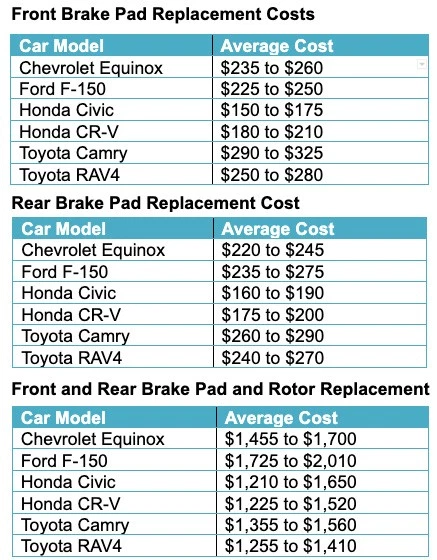
Knowing average market prices helps set fair charges for brakes and rotors. Prices vary by vehicle type and part quality. Understanding these ranges helps customers and mechanics avoid surprises.
Sedans And Compact Cars
Brake and rotor replacement for sedans usually costs less. Parts are smaller and easier to install. Expect to pay between $150 and $300 per axle. Labor is often quick and straightforward.
Suvs And Trucks
SUVs and trucks need heavier, larger brake parts. This raises the price to around $250 to $450 per axle. More time is needed for installation due to size. Stronger rotors and pads add to the cost.
Luxury And Performance Vehicles
Luxury and performance cars require premium brake parts. Prices can reach $500 to $1,000 or more per axle. Parts often come from specialized manufacturers. Labor may take longer to handle delicate systems.
How To Set Your Pricing Strategy
Setting the right price for brakes and rotors is key for your business success. Your pricing strategy affects customer trust and your profit. It must balance costs, competition, and what customers expect to pay. A clear plan helps you stay fair and competitive.
Competitive Analysis
Check prices from nearby shops and online sellers. Compare their quality and service with yours. Match or beat prices if your service is similar. Charge more only if you offer extra value. Keep an eye on market changes to adjust prices fast.
Value-based Pricing
Think about what customers gain from your service. Fast, reliable brake repairs save lives and stress. Price based on this value, not just parts cost. Explain why your service costs what it does. Customers accept higher prices if they see clear benefits.
Seasonal Discounts And Offers
Use discounts during slow months to attract more clients. Special offers can boost sales in winter or holidays. Promote safety checks before long trips with a discount. Seasonal deals keep customers coming back for service.

Credit: www.reddit.com
Common Pricing Mistakes To Avoid
Setting the right price for brakes and rotors is tricky. Many make common mistakes that hurt profits and trust. Avoid these errors to keep your service fair and clear.
Underpricing Services
Charging too little can cause problems. It may seem like a good idea to attract customers. But it can lower your value and make it hard to cover costs. Don’t sell yourself short. Know your expenses and set a price that works for you.
Ignoring Quality Variations
Not all brakes and rotors are the same. Different brands and materials cost different amounts. Using low-quality parts may hurt your reputation. Using high-quality parts costs more but builds trust. Adjust your prices based on the quality you offer.
Neglecting Labor Time
Many forget to count labor time accurately. Replacing brakes and rotors takes skill and time. Not charging for labor means losing money. Calculate the time spent and charge fairly for your work. This keeps your business sustainable and honest.
Tips For Customers To Get Fair Pricing
Getting fair pricing for brakes and rotors means knowing what to ask and what to check. Many customers pay too much because they do not ask for details or compare prices. Simple steps help avoid surprises and save money. Here are tips to help you get a good deal.
Requesting Detailed Estimates
Ask the shop for a written estimate before work starts. The estimate should list parts, labor, and any extra fees. Knowing each cost helps you spot high prices. It also shows if the shop is honest and clear. Keep the estimate so you can check it later.
Comparing Multiple Quotes
Get quotes from at least three shops. This shows the usual price for your car’s brakes and rotors. Do not choose the cheapest right away. Look for a fair price that matches good service. Comparing quotes helps you avoid overpaying or low-quality parts.
Understanding Warranty Options
Ask about warranties on parts and labor. A good warranty protects you if something breaks soon. Check how long the warranty lasts and what it covers. Some shops offer free repairs during the warranty period. Knowing this helps you choose the best value for your money.
Credit: www.ebay.com
Frequently Asked Questions
How Much Does Brake And Rotor Replacement Cost?
Brake and rotor replacement typically costs between $250 and $500. Prices vary by vehicle type and parts quality. Labor charges also affect the total cost. Always get a detailed quote before service.
What Factors Influence Brake And Rotor Pricing?
Pricing depends on vehicle model, part quality, and labor rates. Premium rotors and brake pads cost more. Labor time varies with mechanic expertise and shop location. Additional repairs can increase the overall cost.
Can I Replace Brakes And Rotors Myself?
Yes, but it requires mechanical skill and tools. Improper installation risks safety and performance issues. Consider professional service for reliable and safe brake replacement. DIY is cost-saving but demands caution.
How Often Should Brakes And Rotors Be Replaced?
Brakes and rotors usually need replacement every 30,000 to 70,000 miles. Driving habits and conditions affect lifespan. Regular inspections help detect wear early. Replace parts promptly to maintain vehicle safety.
Conclusion
Knowing how much to charge for brakes and rotors helps set fair prices. Costs depend on parts, labor, and your location. Always check local market rates before deciding. Clear pricing builds trust with customers. This guide makes pricing easier and more confident.
Keep learning about your area’s pricing trends. Simple steps can improve your brake service business. Pricing well leads to happy customers and steady work.


