

If you want to keep your car safe and running smoothly, knowing how to put on brakes and rotors is essential. It might seem tricky at first, but with the right steps, you can do it yourself and save time and money.
Imagine the confidence you’ll feel when your brakes work perfectly after you’ve installed them. In this guide, you’ll find clear, simple instructions that anyone can follow. Ready to take control of your car’s maintenance? Let’s get started and make sure your brakes are in top shape!

Credit: www.wikihow.com
Tools And Materials Needed
Replacing brakes and rotors requires the right tools and materials. Having these ready makes the job easier and safer. Proper tools help avoid damage and ensure a good fit. Materials must match your vehicle’s needs for best results.
Essential Tools
A basic set of tools is needed to remove and install brakes and rotors. You will need a jack and jack stands to lift the car safely. A lug wrench or impact wrench removes the wheel bolts. Socket sets and wrenches help take off the brake caliper and rotor bolts. A C-clamp or brake caliper tool compresses the brake caliper piston. A rubber mallet or hammer can loosen stuck rotors. Brake cleaner and a wire brush clean parts before installation.
Choosing The Right Brakes And Rotors
Select brakes and rotors that fit your car model exactly. Check your vehicle’s manual or parts guide for specifications. Choose rotors that match your driving style, such as standard or performance types. Brake pads come in different materials like ceramic or semi-metallic. Pick ones that suit your daily driving needs. Using the right parts improves braking and increases safety.
Safety Gear
Protect yourself with proper safety gear during the process. Wear safety glasses to shield your eyes from dust and debris. Use gloves to protect your hands from sharp edges and chemicals. A dust mask helps avoid breathing brake dust. Wear closed-toe shoes and comfortable clothing that covers your arms and legs. Safety gear keeps injuries away and makes the job safer.
Preparing Your Vehicle
Preparing your vehicle correctly makes brake and rotor replacement safer and easier. Start by making sure the car is stable and secure. This step prevents accidents and damage during the work.
Next, remove the wheel carefully to access the brake parts. Take your time and use the right tools. This helps avoid injury and damage to the wheel or brake system.
Finally, inspect the brake components closely. Look for wear, cracks, or leaks. Understanding the condition of parts helps you decide what needs replacing.
Parking And Securing The Car
Park your car on a flat, level surface. Avoid slopes or uneven ground. Engage the parking brake firmly. Place wheel chocks behind the wheels to stop any rolling. Use jack stands after lifting the car with a jack. Never rely on the jack alone to hold the car.
Removing The Wheel
Loosen lug nuts before lifting the car. Use a lug wrench and turn nuts counterclockwise. Lift the car with a jack and secure it with jack stands. Remove the lug nuts completely. Pull the wheel straight off the hub. Set the wheel aside safely.
Inspecting Brake Components
Check the brake pads for thickness. Thin or cracked pads need replacement. Look at the rotor surface for grooves or rust. Examine brake lines for leaks or damage. Make sure the caliper moves freely. Any damaged parts should be replaced before installing new brakes and rotors.
Removing Old Brakes And Rotors
Removing old brakes and rotors is a key step in brake repair. It prepares your car for new parts. This process is simple but must be done carefully. You avoid damage and ensure safety. Follow each step closely to remove the parts properly.
Detaching The Caliper
First, locate the caliper on the wheel. Use a wrench to loosen the bolts holding it. Carefully pull the caliper away from the rotor. Support the caliper to avoid stress on the brake hose. Do not let it hang freely.
Taking Off The Brake Pads
After removing the caliper, the brake pads become visible. Slide the pads out of their slots gently. Check for clips or pins that might hold them in place. Remove these to free the pads completely. Set the old pads aside for disposal.
Removing The Rotor
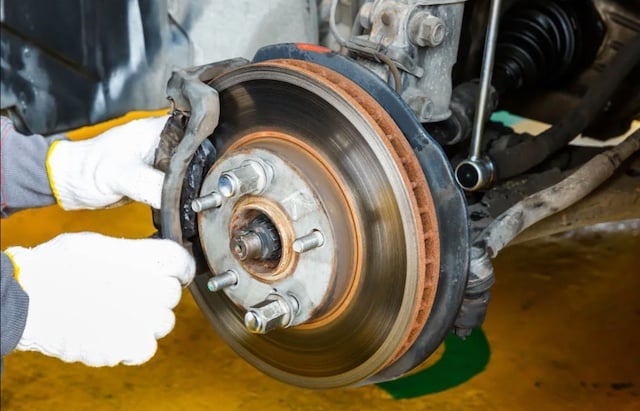
The rotor sits behind the brake pads. Sometimes it is held by screws or rust. Remove any screws using a screwdriver. Tap the rotor lightly with a rubber mallet if it is stuck. Lift the rotor off the hub carefully. Clean the hub before placing new rotors.
Installing New Rotors
Installing new rotors is a key step in brake maintenance. It ensures smooth braking and safety. Taking time to do it right helps the brakes last longer. Follow clear steps to place the rotors correctly.
Cleaning The Hub
Start by cleaning the hub surface. Remove all rust, dirt, and old grease. Use a wire brush or sandpaper. A clean hub helps the rotor fit tight and true. Dirt can cause the rotor to wobble or wear unevenly.
Placing The Rotor
Next, place the new rotor onto the hub. Align the holes on the rotor with the hub bolts. Make sure the rotor sits flat against the hub. Avoid touching the rotor surface with greasy hands. Fingerprints can cause brake noise or reduce performance.
Securing The Rotor
Secure the rotor with the screws or bolts provided. Tighten them evenly in a star pattern. This prevents the rotor from warping. Use a torque wrench to reach the correct tightness. Over-tightening can damage the rotor or hub.
Fitting New Brake Pads
Fitting new brake pads is a key step in replacing brakes and rotors. New pads ensure your vehicle stops safely and smoothly. This process involves careful handling of the caliper and correct placement of the pads. Follow each step to avoid damage and ensure proper brake function.
Preparing The Caliper
Start by cleaning the caliper. Remove dirt and brake dust with a brush or cloth. Check the caliper piston for rust or damage. Use a C-clamp or brake tool to push the piston back into its housing. This creates space for the new, thicker brake pads. Take care not to damage the piston or seals.
Installing Brake Pads
Place the new brake pads into the caliper bracket. Make sure the pads fit snugly and align with the rotor surface. The friction material should face the rotor. Avoid touching the pad’s surface with greasy hands. This keeps the brakes clean and effective.
Reattaching The Caliper
Carefully position the caliper over the new brake pads. Align it with the mounting bolts on the bracket. Tighten the bolts securely, but do not overtighten. Check that the caliper moves slightly to allow pad adjustment. This helps the brakes work smoothly and quietly.
Final Adjustments And Checks
After installing the brakes and rotors, final adjustments and checks are crucial. These steps ensure your brake system works properly and safely. Skipping these checks may cause brake failure or uneven wear. Take your time to finish the job right.
Reinstalling The Wheel
Place the wheel back onto the hub carefully. Align the holes with the lug studs. Hand-tighten the lug nuts to hold the wheel in place. Use a wrench to snug the nuts in a star pattern. This helps the wheel sit evenly. Lower the car slightly so the tire touches the ground. Fully tighten the lug nuts with a torque wrench. Use the correct torque value from your vehicle’s manual.
Checking Brake Fluid
Open the brake fluid reservoir under the hood. Check the fluid level against the marked lines. Add brake fluid if the level is low. Use the exact type recommended by your car maker. Avoid spilling fluid on painted parts. Brake fluid is corrosive and can damage paint. Close the reservoir tightly after filling. Clean any drips with a cloth.
Testing Brake Function
Press the brake pedal slowly and firmly. It should feel firm without sinking to the floor. Start the car and press the brake again. The pedal should respond quickly and smoothly. Drive the car at low speed in a safe area. Apply the brakes several times to test stopping power. Listen for strange noises or vibrations. If anything feels wrong, recheck your work before driving further.
Tips For Safe Driving After Installation
After installing new brakes and rotors, safe driving is very important. Proper care helps your brakes work well and last longer. Follow simple steps to keep control and avoid accidents.
Brakes need time to adjust after installation. Driving carefully protects your investment and keeps you safe on the road.
Breaking In New Brakes
Drive slowly for the first 200 miles to break in new brakes. Avoid hard stops and sudden braking. Gradual stops help brake pads and rotors settle evenly. This process prevents damage and noise.
Monitoring Brake Performance
Listen for unusual sounds like squeaking or grinding. Check for vibrations or pulling to one side when braking. Test your brakes often during the first weeks. Report any changes in braking power immediately.
When To Seek Professional Help
Visit a mechanic if brakes feel soft or spongy. Get help if warning lights appear on your dashboard. Ask for a brake inspection if you notice smoke or burning smell. Early checks can stop small problems from growing.
Credit: www.buybrakes.com

Credit: vatire.com
Frequently Asked Questions
How Do I Install Brake Rotors Correctly?
Start by removing the wheel and old rotor. Clean the hub surface before placing the new rotor. Secure it with the proper bolts and torque to manufacturer specs. This ensures proper rotor alignment and brake function.
What Tools Are Needed For Brake And Rotor Installation?
You need a jack, lug wrench, socket set, C-clamp, and torque wrench. Additionally, brake cleaner and anti-seize lubricant help with installation. Having these tools ensures a smooth and safe brake and rotor replacement process.
How To Align Brake Pads When Putting On Rotors?
Align the brake pads so they sit flush against the rotor surface. Use a C-clamp to compress the caliper piston if needed. Proper alignment prevents uneven wear and ensures effective braking.
Can I Reuse Old Brake Rotors When Installing New Brakes?
It’s best to replace rotors with new ones for optimal performance. Old rotors can have grooves or warping affecting brake efficiency. Always inspect rotors and replace them if damaged or worn.
Conclusion
Replacing brakes and rotors takes patience and care. Follow each step clearly and double-check your work. Proper installation keeps your car safe on the road. Take your time and use the right tools. Practice makes the job easier with experience.
Drive carefully after the repair to test everything. Regular brake checks help avoid future problems. Stay safe and keep your vehicle in good shape.


