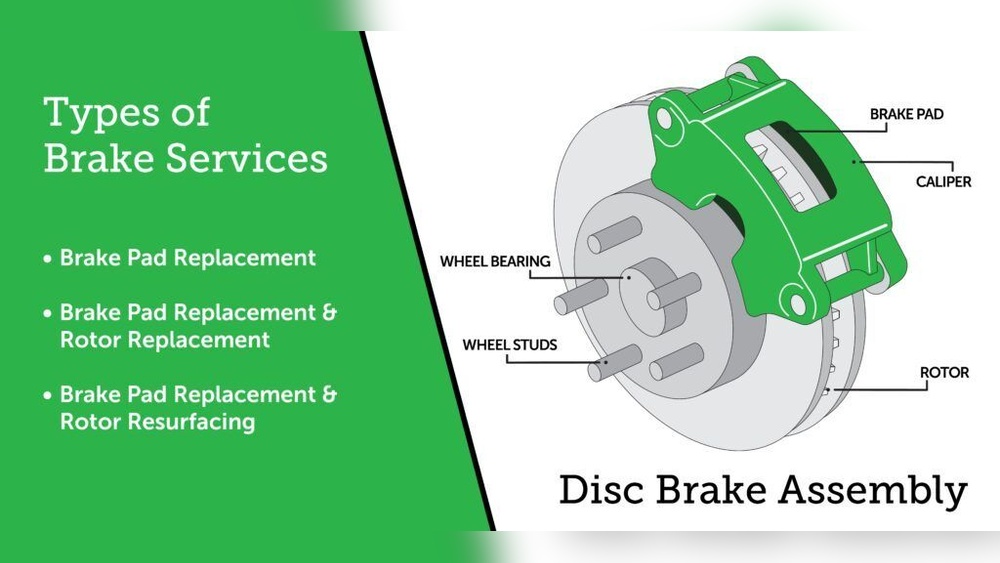
Have you ever wondered how many miles you can drive before needing to replace your brake pads and rotors? Knowing the right time to make this crucial change can save you money, keep your car safe, and prevent unexpected breakdowns.
If you ignore the warning signs, you might face costly repairs or, worse, dangerous driving conditions. You’ll discover clear, simple answers about when to replace your brake components so you can protect yourself and your vehicle. Keep reading to learn exactly what to watch for and how to stay ahead of brake wear before it becomes a problem.
Credit: www.marinechevy.com
Signs You Need New Brake Pads
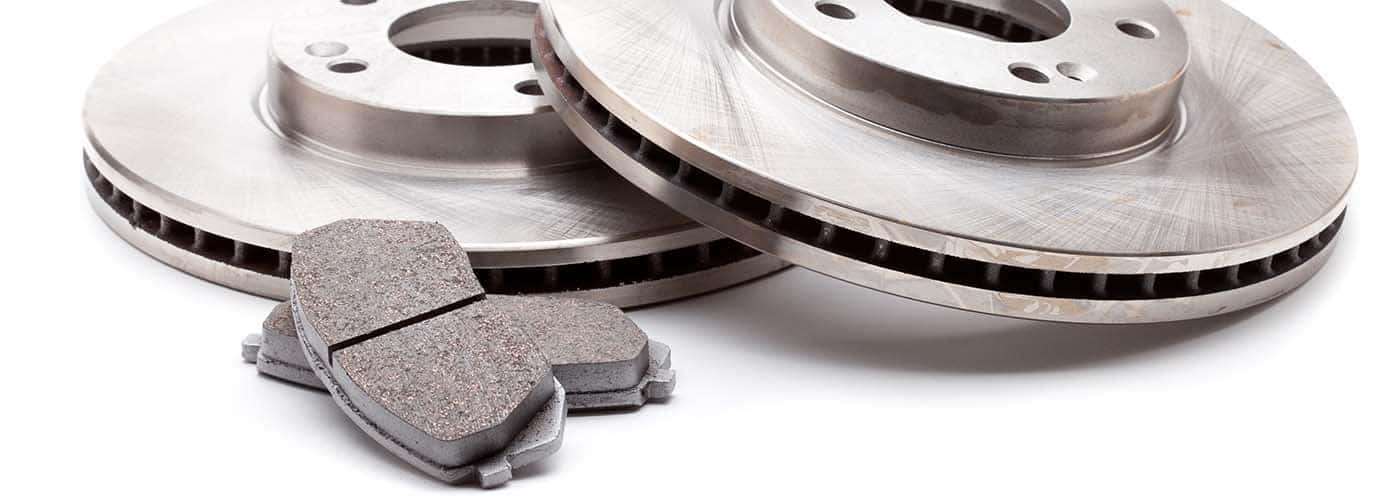
Knowing the signs of worn brake pads is important for safety. Brake pads wear down over time and need replacement. Ignoring these signs can lead to costly repairs or accidents. Watch out for sounds and changes in how your brakes work. These clues tell you it is time to check your brake pads.
Squeaking And Squealing Noises
Squeaking or squealing sounds come from your brakes. This noise happens when the brake pads wear thin. It is a warning that pads need replacement soon. The sound stops when you replace the pads. Do not ignore this noise while driving.
Reduced Braking Performance
Your car takes longer to stop than before. The brake pedal may feel soft or spongy. The car might pull to one side when braking. These signs show the brake pads are worn out. Reduced braking can be dangerous on the road.
Brake Warning Lights
Many cars have a brake warning light on the dashboard. This light comes on if the brake pads are too thin. It can also indicate other brake problems. Check your brake system immediately if the light appears. Do not drive for long with the warning light on.
When To Replace Rotors
Rotors are key parts of your car’s brake system. They work with brake pads to stop your vehicle. Knowing when to replace rotors helps keep driving safe. Rotors wear down over time and need checks regularly. Ignoring rotor problems can cause poor braking and costly repairs. Here are signs to watch for to know when to replace rotors.
Visible Damage And Warping
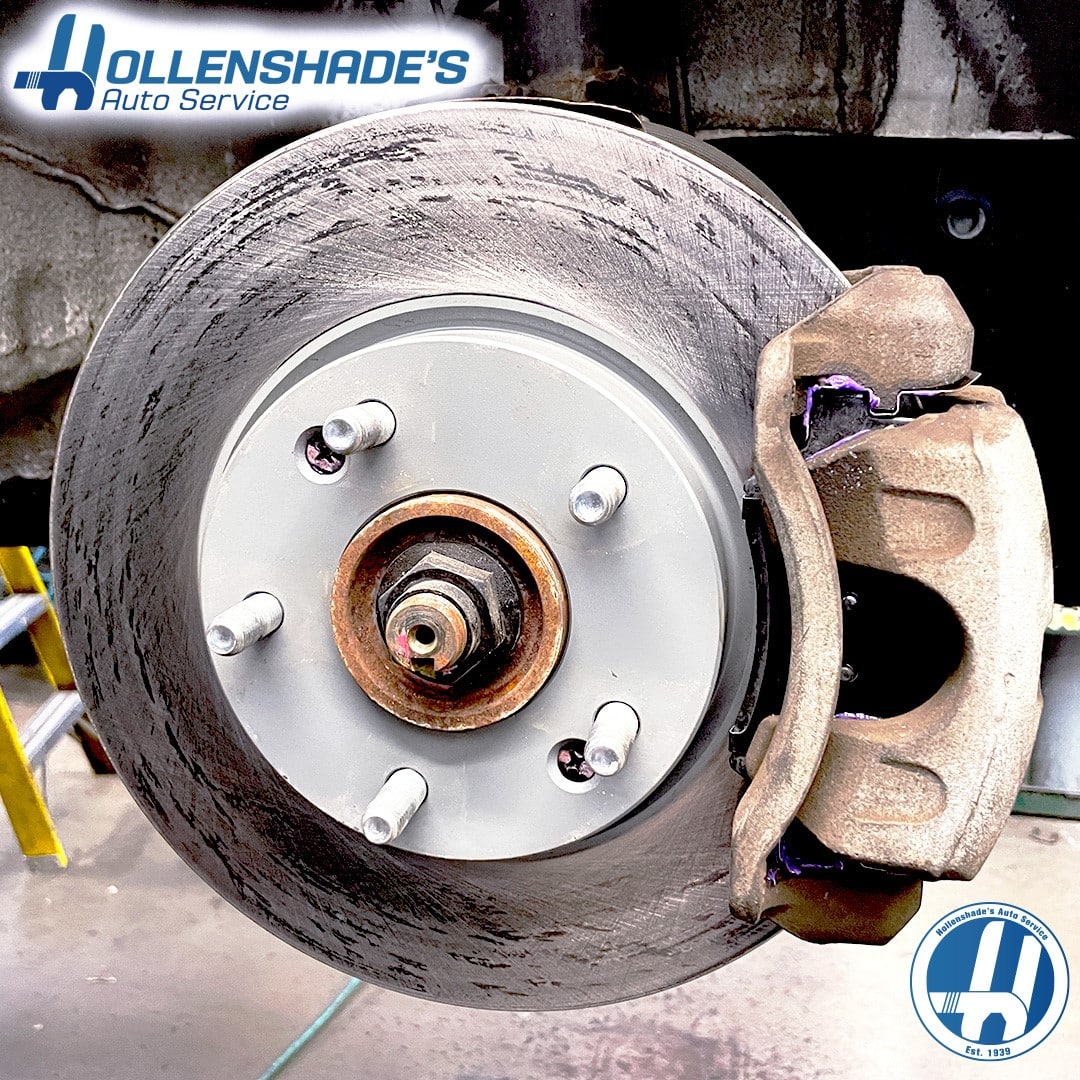
Look at your rotors closely. Deep grooves, cracks, or rust spots show damage. Warped rotors may look uneven or bent. This damage affects how well brakes work. Replace rotors with clear visible damage to avoid brake failure.
Vibrations During Braking
Feel vibrations or shaking in the steering wheel when braking? Warped rotors cause this problem. The brake pads cannot press evenly on warped rotors. This leads to vibrations and less smooth stopping. Vibrations mean it’s time to check and replace rotors.
Thickness And Wear Limits
Rotors get thinner as they wear down. Car makers set a minimum thickness for safety. Use a micrometer tool to measure rotor thickness. If the rotor is below the limit, replace it immediately. Thin rotors risk cracking and brake failure during stops.
Typical Mileage For Brake Pad Replacement
Knowing the typical mileage for brake pad replacement helps keep your car safe. Brake pads wear down over time and need changing to keep brakes working well. The right time to replace them depends on many things. Understanding average mileage and what affects wear can save you money and avoid accidents.
Average Lifespan Range
Brake pads usually last between 30,000 and 70,000 miles. Some pads wear out closer to 30,000 miles, while others can go beyond 70,000. The material of the pads affects how long they last. Ceramic pads tend to last longer than organic ones. Checking your brake pads regularly helps catch wear early.
Factors Affecting Brake Pad Wear
Many factors cause brake pads to wear faster or slower. The quality of the brake pads matters a lot. Cheap pads often wear out quickly. The type of vehicle also changes wear speed. Heavier cars put more pressure on brake pads. Road conditions like hills or stop-and-go traffic increase wear. Weather can play a role too, with wet or icy roads causing more brake use.
Driving Habits Impact
How you drive changes brake pad life significantly. Hard braking wears pads faster than smooth braking. Frequent city driving with many stops reduces pad life. Highway driving with fewer stops usually lasts longer on pads. Riding the brakes, or resting your foot on the pedal, causes faster wear. Learning to brake gently helps keep your pads longer.
Credit: www.hollenshades.com
Typical Mileage For Rotor Replacement
Brake rotors are a key part of your car’s braking system. Knowing when to replace them helps keep you safe on the road. Rotor replacement usually depends on how many miles you drive and your driving habits. Typical rotor life ranges widely but often falls between 30,000 and 70,000 miles.
Many factors affect rotor wear. Some drivers may need new rotors sooner, while others can go longer. Understanding rotor durability and signs of wear helps you plan maintenance. This keeps your brakes working well and prevents costly damage.
Rotor Durability Expectations
Most rotors last between 30,000 and 70,000 miles. Quality of the rotor and driving style impact this range. Hard braking or heavy loads reduce rotor life. Smooth, gentle braking can extend it. Some rotors last over 70,000 miles in good conditions. Regular checks help track rotor health.
Impact Of Driving Conditions
City driving causes more rotor wear than highway driving. Stop-and-go traffic means frequent braking. This heats and wears down rotors faster. Mountain or hilly terrain also wears rotors quickly. Dusty or wet environments can speed up rotor damage. Adjust replacement intervals based on your conditions.
Signs Rotor Replacement Is Due
Listen for squealing or grinding noises when braking. Feel vibrations or pulsations in the brake pedal. Look for visible grooves or cracks on the rotors. Warped rotors cause uneven braking and noise. If your braking feels less smooth, check your rotors. Early replacement avoids bigger brake problems.
Brake Maintenance Tips
Brake pads usually last between 30,000 and 70,000 miles, depending on driving habits. Rotors often need replacement every 50,000 to 70,000 miles or if they show damage. Regular checks help keep braking safe and effective.
Keeping your brakes in good shape is key to safe driving. Proper brake care helps you avoid costly repairs and keeps your car stopping smoothly. Simple habits can extend the life of your brake pads and rotors. Here are some tips to help you maintain your brakes well.
Regular Inspections
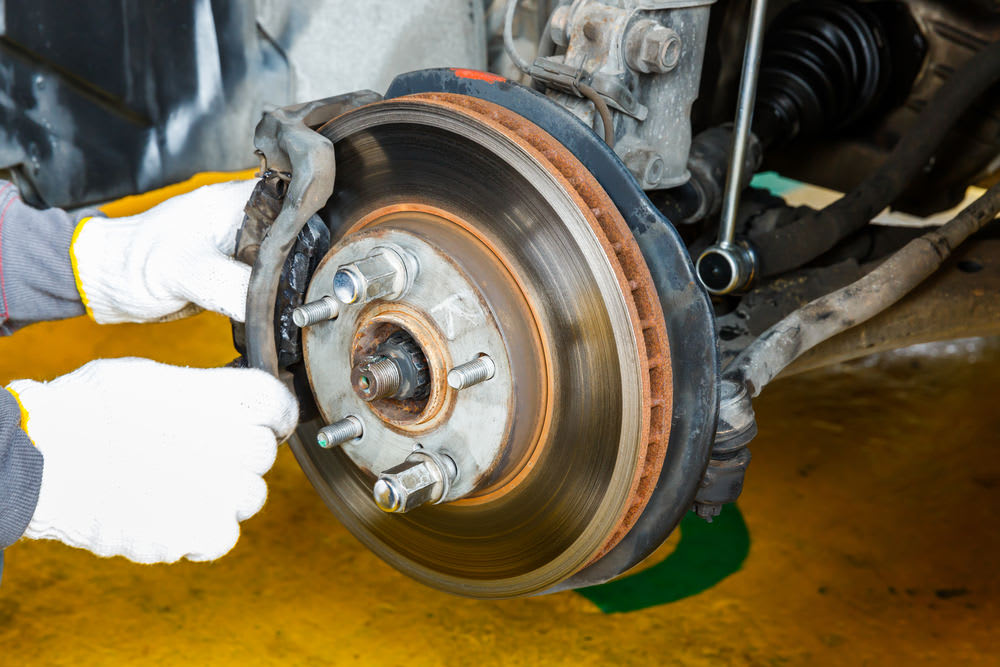
Check your brakes often for signs of wear. Listen for squeaking or grinding sounds. Look for vibrations when braking. Inspect brake pads and rotors for thinning or damage. Early checks catch problems before they grow. Visit a mechanic if you notice any issues.
Proper Driving Techniques
Avoid sudden stops and harsh braking. Drive smoothly and keep a safe distance from other cars. Slow down gradually instead of slamming the brakes. Use engine braking on downhill roads. These habits reduce brake wear and increase their lifespan.
Choosing Quality Parts
Use brake pads and rotors made from good materials. Cheap parts wear out faster and may harm your braking system. Pick parts that fit your car model exactly. Quality parts improve safety and save money over time. Always buy from trusted brands or dealers.
Credit: www.yourmechanic.com
Cost Considerations
Understanding the cost to replace brake pads and rotors helps you plan your car maintenance budget. Costs vary by car model, parts quality, and labor charges. Knowing these factors lets you avoid surprises and choose the best option for your needs. Here is a breakdown of common expenses related to brake pad and rotor replacement.
Brake Pad Replacement Costs
Brake pads usually cost between $30 and $100 per set. The price depends on the material type and brand quality. Some cars need special pads, which cost more. Labor fees for installation can add $50 to $150. Regular brake pad replacement is important to keep your car safe.
Rotor Replacement Expenses
Rotors tend to cost more than brake pads. Prices range from $40 to $150 each, depending on size and quality. Some vehicles need both rotors replaced at once, doubling the cost. Labor charges can be $100 or more. Warped or worn rotors reduce braking power and should be fixed quickly.
Diy Vs Professional Service
Doing brake work yourself can save money but requires tools and skill. Parts may be cheaper online for DIY projects. Mistakes in installation risk safety and may cause extra costs. Professional mechanics offer warranty and proper fitting. They charge for labor but guarantee quality. Choose the method that fits your budget and skill level.
Frequently Asked Questions
How Often Should Brake Pads Be Replaced?
Brake pads generally need replacement every 30,000 to 70,000 miles. This depends on driving habits and vehicle type. Regular inspection helps avoid damage to rotors and ensures safety on the road.
When Do Brake Rotors Need Replacement?
Brake rotors should be replaced every 50,000 to 70,000 miles. Warped or deeply grooved rotors cause vibrations and reduce braking efficiency. Timely rotor replacement prevents costly repairs and maintains smooth braking performance.
Can Worn Brake Pads Damage Rotors?
Yes, worn brake pads can damage rotors. Metal-to-metal contact causes grooves and uneven rotor wear. Replacing pads early protects rotors and saves money on expensive repairs.
What Are Signs To Replace Brake Pads And Rotors?
Squealing brakes, vibrations, and longer stopping distances signal replacement needs. Visual rotor damage or thin brake pads also indicate it’s time for new parts. Addressing these signs ensures optimal vehicle safety.
Conclusion
Brake pads usually last between 30,000 and 70,000 miles. Rotors often need replacement every 50,000 to 70,000 miles. These numbers can change based on driving style and road conditions. Listen for squeaking or grinding sounds as warning signs. Regular checks help keep your brakes safe and working well.
Don’t wait until your brakes fail; stay proactive. Safe brakes mean safer drives every time you hit the road.