Thinking about wrapping your car but not sure how much vinyl you actually need? You’re not alone.
Getting the right amount of vinyl is crucial—it can save you money, prevent frustration, and ensure your car looks flawless. Too little vinyl means you’ll have gaps or awkward seams. Too much, and you’re wasting materials and cash. You’ll discover exactly how to measure your car and calculate the perfect amount of vinyl for your wrap.
By the end, you’ll feel confident and ready to take on your project without any guesswork. Keep reading to avoid costly mistakes and get your car wrapped like a pro!
Calculating Vinyl Requirements
Calculating how much vinyl you need is the first step to a successful car wrap. It helps avoid buying too little or wasting material. Accurate calculations save time and money. Follow simple steps to measure and estimate the vinyl required for your vehicle.
Measuring Your Vehicle
Start by measuring the length and height of your car’s sides. Include the doors, fenders, and bumpers. Measure each panel separately for better accuracy. Write down all measurements in inches or centimeters. Add the lengths of all parts together for total coverage.
Accounting For Curves And Contours
Cars have curves and edges that need extra vinyl. These areas require more material to stretch and fit smoothly. Add 10 to 20 percent extra vinyl for curves and contours. This ensures the vinyl wraps without wrinkles or gaps. Don’t forget to include mirrors, handles, and spoilers.
Adding Extra For Mistakes And Overlaps
Allow extra vinyl for mistakes, overlaps, and trimming. Beginners should add about 15 to 20 percent more vinyl. This gives room for errors and adjustments during installation. Overlapping edges need extra material to create a strong bond. Better to have a little extra than run out halfway.
Types Of Vinyl Wraps
Choosing the right type of vinyl wrap is key for a successful car wrap. Vinyl wraps come in many styles and finishes. Each type offers a different look and feel. Some vinyl wraps focus on shine, while others highlight texture. Understanding these types helps you pick the best one for your car.
Besides appearance, vinyl wraps differ in durability and thickness. These factors affect how long the wrap lasts and how it protects your vehicle. Specialty vinyl options provide unique effects for those wanting something different. This section explains the main types of vinyl wraps you can find.
Glossy Vs Matte Finishes
Glossy vinyl wraps give a shiny, bright look. They reflect light well and make colors pop. This finish looks like a fresh paint job. Glossy wraps are easy to clean and maintain. Matte vinyl wraps have no shine. They give a smooth, flat look that stands out. Matte wraps hide fingerprints and small scratches better. Both finishes suit different styles and preferences.
Specialty Vinyl Options
Specialty vinyl wraps offer unique textures and effects. Carbon fiber wraps mimic a woven pattern for a sporty look. Chrome wraps shine like metal but are harder to keep clean. Satin vinyl has a soft shine between matte and glossy. Some wraps change color when viewed from different angles. These options allow more personal expression on your car.
Durability And Thickness Differences
Vinyl wraps vary in thickness. Thicker vinyl lasts longer and resists damage better. Thin vinyl is easier to apply and fits curves well. Durability depends on vinyl quality and brand. Some wraps can last 5 to 7 years. Others may fade or crack sooner. Choose thickness based on your car’s use and environment.
Standard Vinyl Roll Sizes
Understanding standard vinyl roll sizes helps plan your car wrap project. Vinyl rolls come in various widths and lengths. Choosing the right size saves money and avoids waste. Knowing these sizes makes the process smoother and clearer.
Common Widths And Lengths
Vinyl rolls usually come in widths of 24, 48, 50, and 60 inches. The most popular width for car wraps is 50 inches. Lengths vary from 10 to 100 feet or more. Rolls with 25 or 50 feet are common for smaller jobs. Large rolls of 100 feet suit full car wraps better.
Width affects how many pieces you cut for each car part. Length determines how much area you can cover. Larger rolls mean fewer seams on your car wrap. Choose sizes that fit the car size and wrap style.
Choosing The Right Roll Size For Your Car
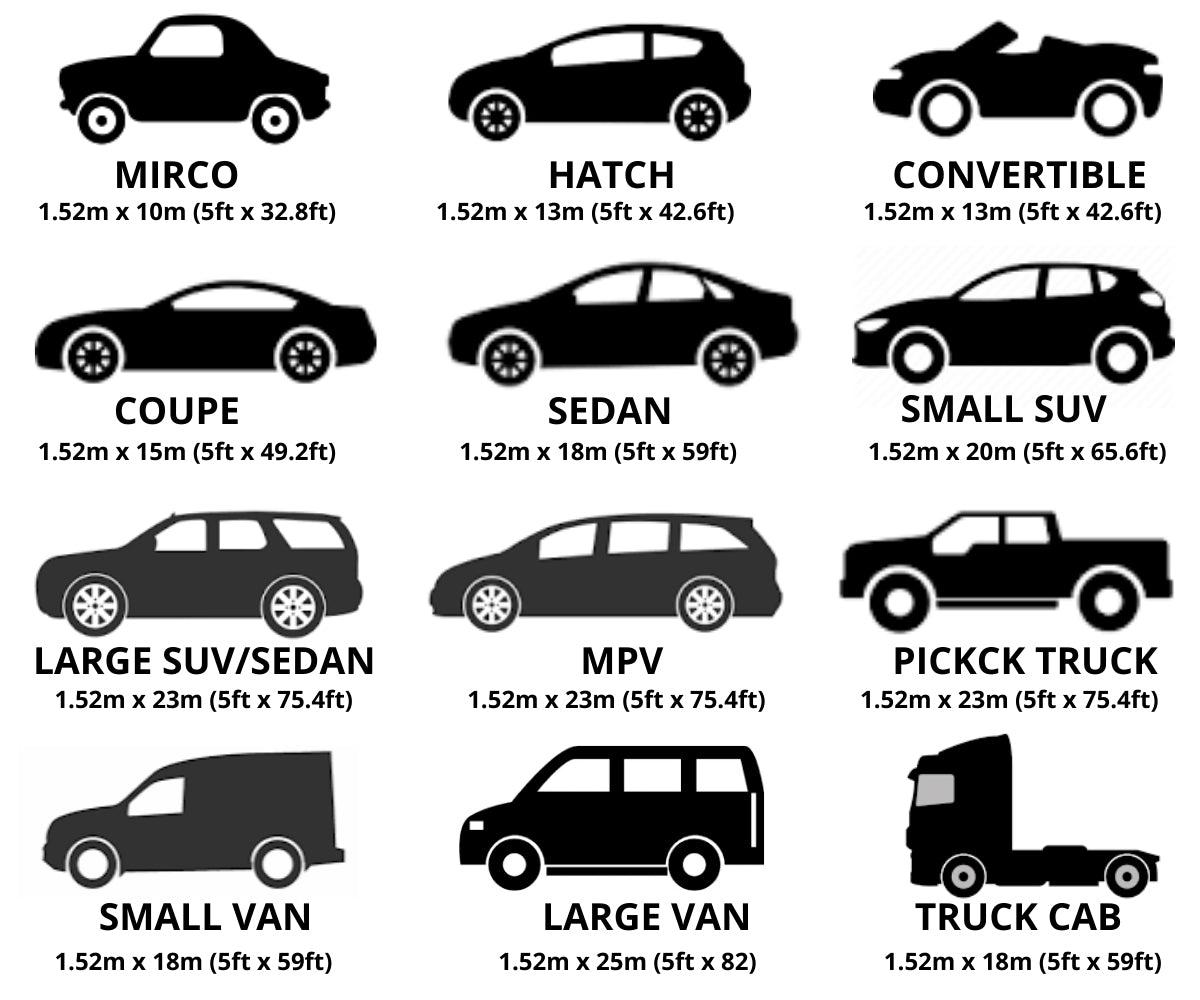
Small cars need less vinyl than SUVs or trucks. Measure your car’s length, height, and curves before buying. Add extra vinyl for mistakes and overlapping edges. A typical sedan needs about 50 feet of 50-inch vinyl. Bigger vehicles may need up to 100 feet or more.
Think about the shape and details of your car. Complex shapes need extra vinyl to cover bends and corners. If unsure, buy a slightly bigger roll. It helps avoid running out during the wrap process.
Credit: carlikewrap.com
Estimating Vinyl For Different Vehicles
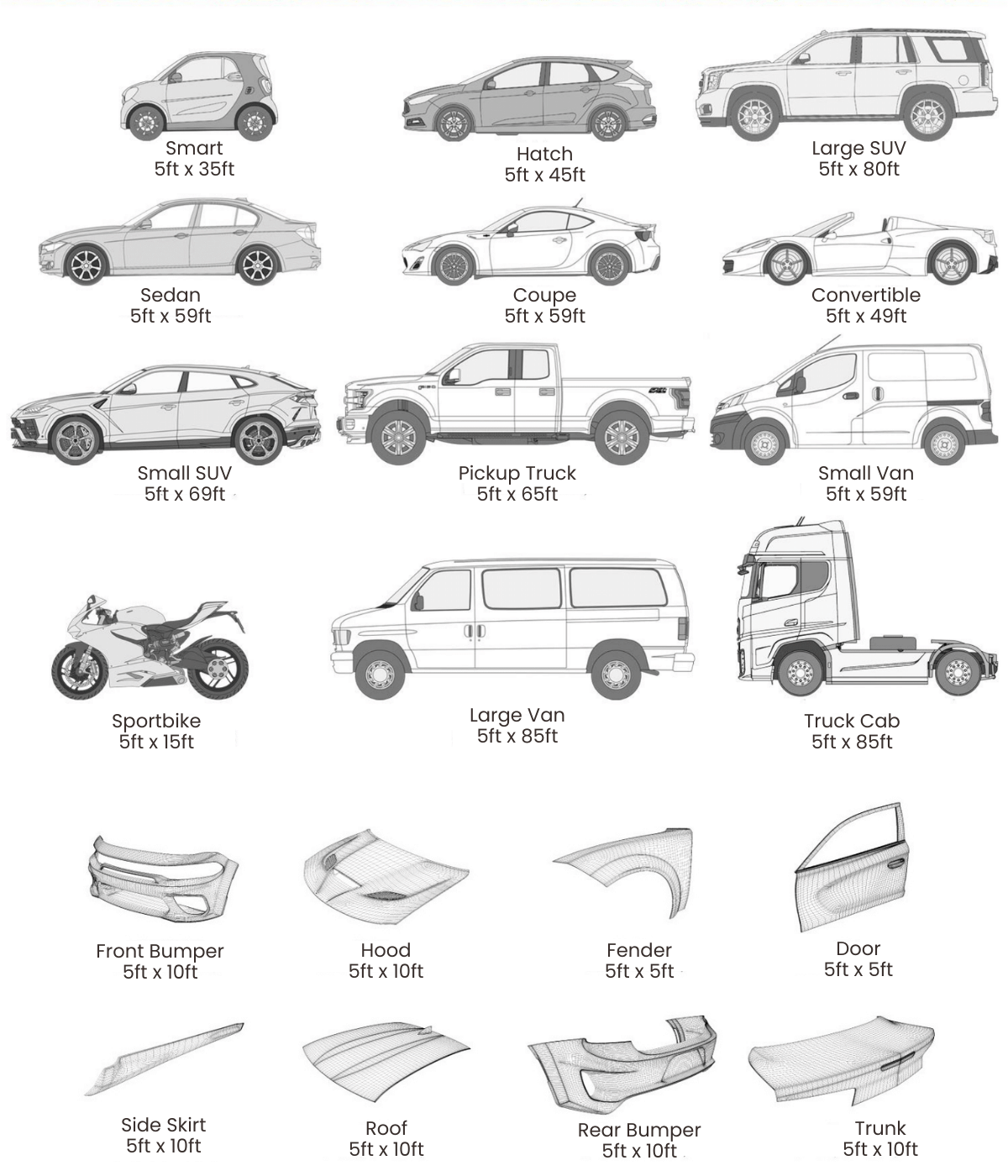
Estimating the amount of vinyl needed to wrap a car depends on the vehicle’s size and shape. Different vehicles require different amounts of vinyl. Knowing these estimates helps avoid buying too much or too little material. The following sections break down vinyl needs by vehicle type.
Compact Cars
Compact cars are smaller and need less vinyl. Usually, 18 to 24 feet of vinyl is enough. These cars have fewer curves and panels to cover. This makes the wrapping process simpler and quicker.
Sedans And Suvs
Sedans and SUVs are bigger than compact cars. They need about 24 to 30 feet of vinyl. SUVs might need more vinyl because of their height and extra panels. Planning for 30 feet ensures full coverage without running short.
Trucks And Larger Vehicles
Trucks and large vehicles need the most vinyl. They often require 30 to 40 feet or more. This depends on the truck’s size and any extra features. Always measure carefully to cover all surfaces well.
Tools And Materials Needed
Wrapping a car with vinyl needs more than just the vinyl itself. The right tools and materials help make the job smooth and look good. Using proper supplies saves time and prevents mistakes. This section lists all the tools and supplies you need for a successful car wrap.
Essential Wrapping Tools
Start with a good squeegee to smooth out air bubbles. A heat gun helps stretch the vinyl over curves and edges. Use a sharp utility knife to trim excess vinyl neatly. Gloves protect your hands and stop fingerprints on the vinyl. A measuring tape lets you check vinyl size and car parts accurately. Also, have some masking tape to hold vinyl in place during installation.
Surface Preparation Supplies
Clean the car surface thoroughly before wrapping. Use isopropyl alcohol or a special cleaner to remove dirt and oils. Microfiber cloths work best for wiping without scratching. Avoid wax or polish on the car before wrapping. If the surface has rough spots, lightly sand them for better vinyl adhesion. A dust-free, dry environment helps the vinyl stick properly and last longer.
Tips To Save Vinyl And Money
Saving vinyl and money matters for car wraps. Vinyl can be costly, so use smart methods to cut waste. Careful planning and cutting help get the job done with less material. These tips help you wrap your car efficiently.
Efficient Cutting Techniques
Cut vinyl with precision to avoid extra waste. Use sharp tools for clean edges. Measure twice, cut once. Cut small sections carefully to fit curves and details. Avoid large scraps that cannot be reused. Keep leftover pieces for small fixes later.
Planning Your Wrap Layout
Plan your vinyl layout before cutting. Visualize each car part and match vinyl size. Place larger pieces first to use big sections well. Group similar parts close to reduce scraps. Use a flat surface to arrange vinyl before application. This saves material and lowers costs.
Professional Vs Diy Wrapping
Deciding between professional and DIY car wrapping affects how much vinyl you need. Each approach has its own challenges and benefits. Knowing the differences helps you plan your project better. This section breaks down cost, skill, and when to hire a pro.
Cost Comparisons
Professional car wraps cost more upfront. Experts charge for materials and labor. DIY kits save money but require buying extra vinyl. Mistakes in DIY can waste material and money. Professionals often use premium vinyl that lasts longer. DIY vinyl may be cheaper but less durable. Weigh cost against quality and time spent.
Skill Requirements
Professionals know how to handle curves and edges. They avoid bubbles and wrinkles easily. DIY wrapping needs patience and steady hands. Simple designs are easier for beginners. Complex shapes require advanced skills. Without experience, mistakes can ruin the wrap. Practice and good tools improve DIY results.
When To Hire A Pro
Hire a professional for full-car wraps or detailed designs. Choose pros if you want perfect results fast. Complex surfaces or textured parts need expert skills. Time constraints also favor professional services. For small parts or accents, DIY can work well. Consider your budget, skill, and patience before deciding.

Credit: www.carlawrap.com
Credit: yeswrap.com
Frequently Asked Questions
How Much Vinyl Is Needed To Wrap A Standard Car?
Typically, 50 to 75 feet of vinyl wrap is needed to cover a standard car fully. This amount includes extra material for edges and errors. Measure your car precisely for better accuracy before purchasing vinyl wrap.
Does Car Size Affect The Vinyl Amount Required?
Yes, larger vehicles like SUVs or trucks need more vinyl than compact cars. Smaller cars require less vinyl, usually around 50 feet. Always consider your vehicle’s size when estimating vinyl wrap quantity.
Can I Use Less Vinyl For A Partial Car Wrap?
Yes, partial wraps require significantly less vinyl than full wraps. Measure the specific areas you want to cover to calculate the needed vinyl length. Partial wraps are cost-effective and easier to apply.
How To Calculate Vinyl Needed For Custom Car Shapes?
Measure each panel’s length and width individually. Add up all measurements and add extra for overlap and mistakes. This method ensures accurate vinyl quantity for custom or irregular car shapes.
Conclusion
Wrapping a car with vinyl takes careful planning. Measure your vehicle well before buying vinyl. Allow extra material for mistakes and curves. Different cars need different amounts of vinyl. Keep your work area clean and smooth. This helps the vinyl stick better.
Take your time to avoid wrinkles and bubbles. With the right amount of vinyl, your car will look great. Simple steps lead to good results. Enjoy your new car look!