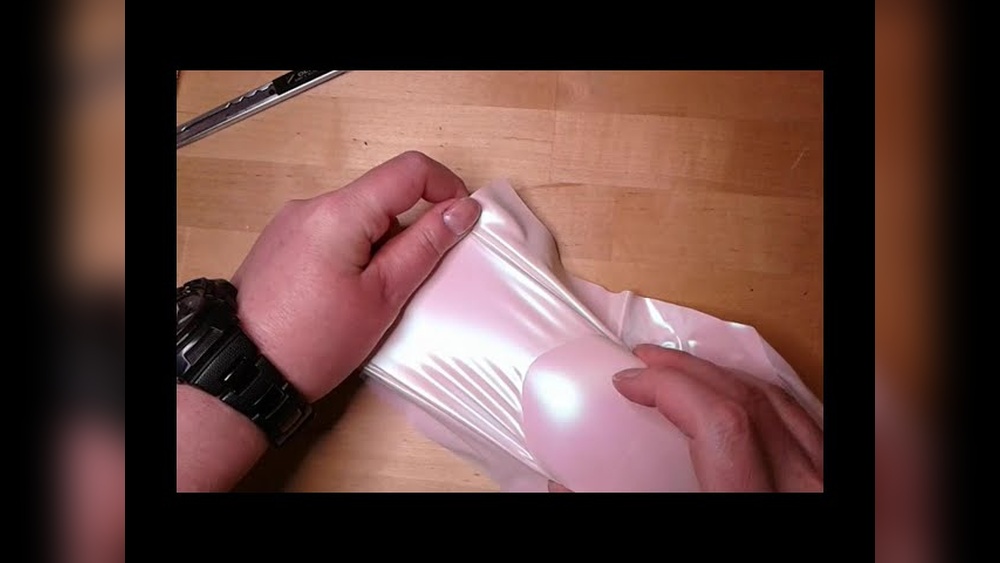
Thinking about wrapping your car hood with vinyl but not sure how much material you’ll need? You’re not alone.
Getting the right amount of vinyl is key to a smooth, professional-looking finish without wasting money. You’ll discover exactly how much vinyl to buy, tips to avoid common mistakes, and how to make your car hood stand out. Keep reading—you’re just a few steps away from giving your car a fresh, stylish look.
Measuring Your Car Hood
Measuring your car hood is the first step before wrapping it with vinyl. Accurate measurements help you buy the right amount of vinyl. This avoids waste and extra cost. It also ensures a smooth and neat wrap that fits perfectly.
Take your time to measure carefully. Car hoods have different shapes and sizes. Some may have curves or raised areas. These details affect how much vinyl you need. Follow simple steps to get exact measurements.
Tools Needed For Accurate Measurement
Use a flexible measuring tape. It bends easily around curves. Have a ruler or straight edge for flat areas. A notebook and pen help record measurements. Good lighting helps see edges clearly. A helper can hold the tape for better accuracy.
Steps To Measure Length And Width
Start by measuring the length from the front to the windshield base. Place the tape at the hood’s front edge. Stretch it straight to the rear edge near the windshield.
Next, measure the width from one side to the other. Measure at the widest point to cover the entire hood. Write down both length and width numbers.
Considering Hood Curves And Contours
Curves and raised areas need extra vinyl. Measure around these curves carefully with the flexible tape. Add about 4 to 6 inches to length and width. This extra vinyl covers bending and stretching during wrapping. Include these details to avoid shortage later.
Calculating Vinyl Requirements
Calculating the right amount of vinyl is key for wrapping a car hood. Using too little vinyl can cause problems and waste time. Getting the right size helps make the job smooth and neat. Here’s how to figure out the vinyl you need.
Standard Vinyl Roll Sizes
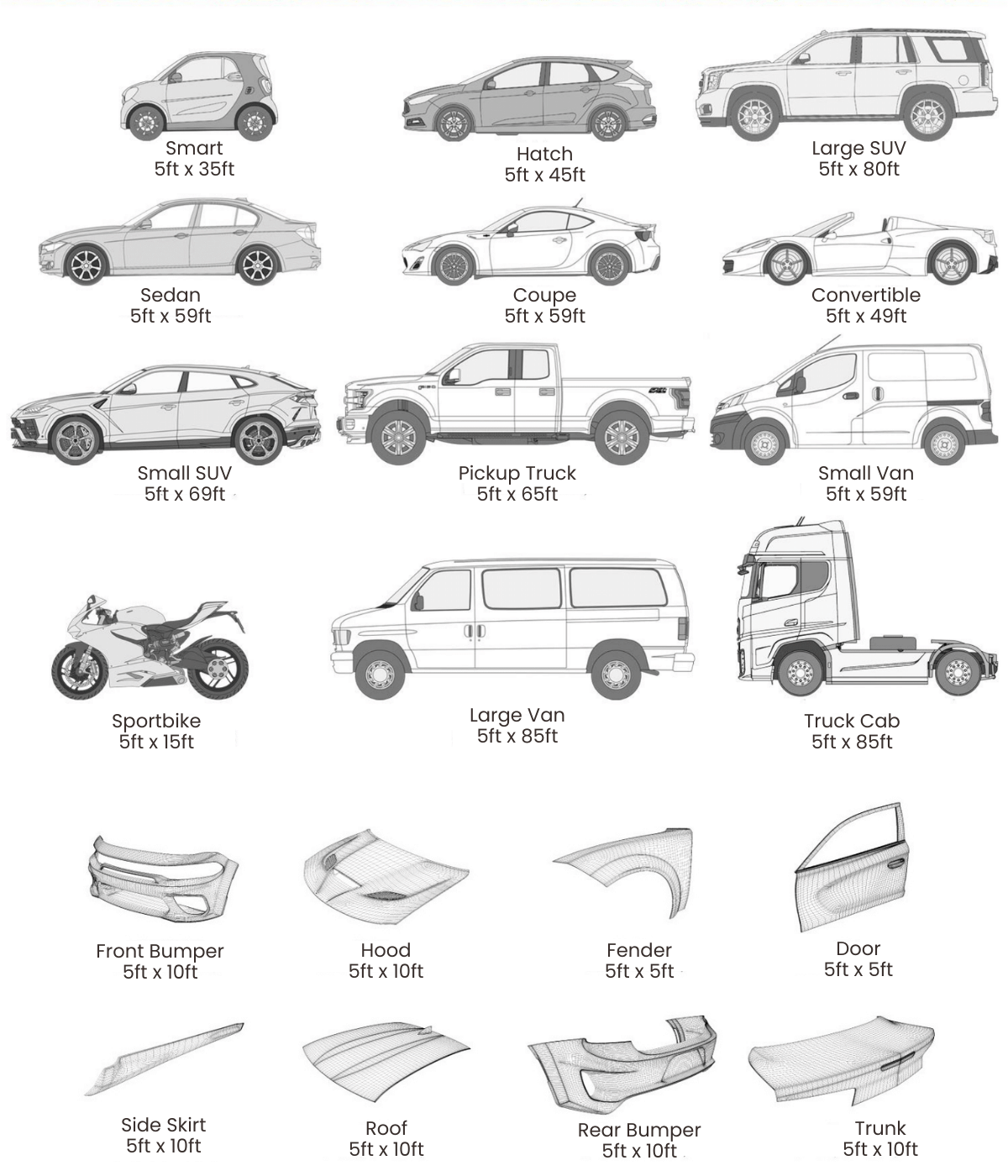
Vinyl rolls come in common widths of 24, 48, and 60 inches. The length varies but usually ranges from 10 to 50 yards. Most car hoods fit well with 48- or 60-inch wide rolls. Choose a width that covers the hood without many seams.
Adding Extra Material For Errors
Cutting vinyl perfectly is hard. Add extra material for mistakes and trimming. A good rule is to add 10 to 20 percent more vinyl than the hood’s size. This helps fix errors and wrap edges without running short.
Estimating Total Yardage Needed
Measure the hood’s length and width in inches. Multiply these to get square inches. Convert square inches to square yards by dividing by 1,296. Add 10 to 20 percent extra for errors. This total is the yardage you should buy.
Choosing The Right Vinyl
Choosing the right vinyl is key to a successful car hood wrap. The vinyl must fit your style and protect your vehicle well. It should be easy to work with and last long. Understanding vinyl types and finishes helps make a better choice.
Types Of Vinyl Wraps
Cast vinyl is thin and flexible. It stretches easily around curves and lasts several years. Calendered vinyl is thicker and less flexible. It works best on flat surfaces and costs less. For a car hood, cast vinyl is often the best pick.
Durability And Finish Options
Vinyl wraps come with different durability levels. Some last 3 to 5 years, others up to 10 years. Finishes vary from glossy, matte, satin, to textured. Glossy shows bright shine. Matte has no shine. Satin offers a soft sheen. Texture adds unique feel and look.
Color And Texture Considerations
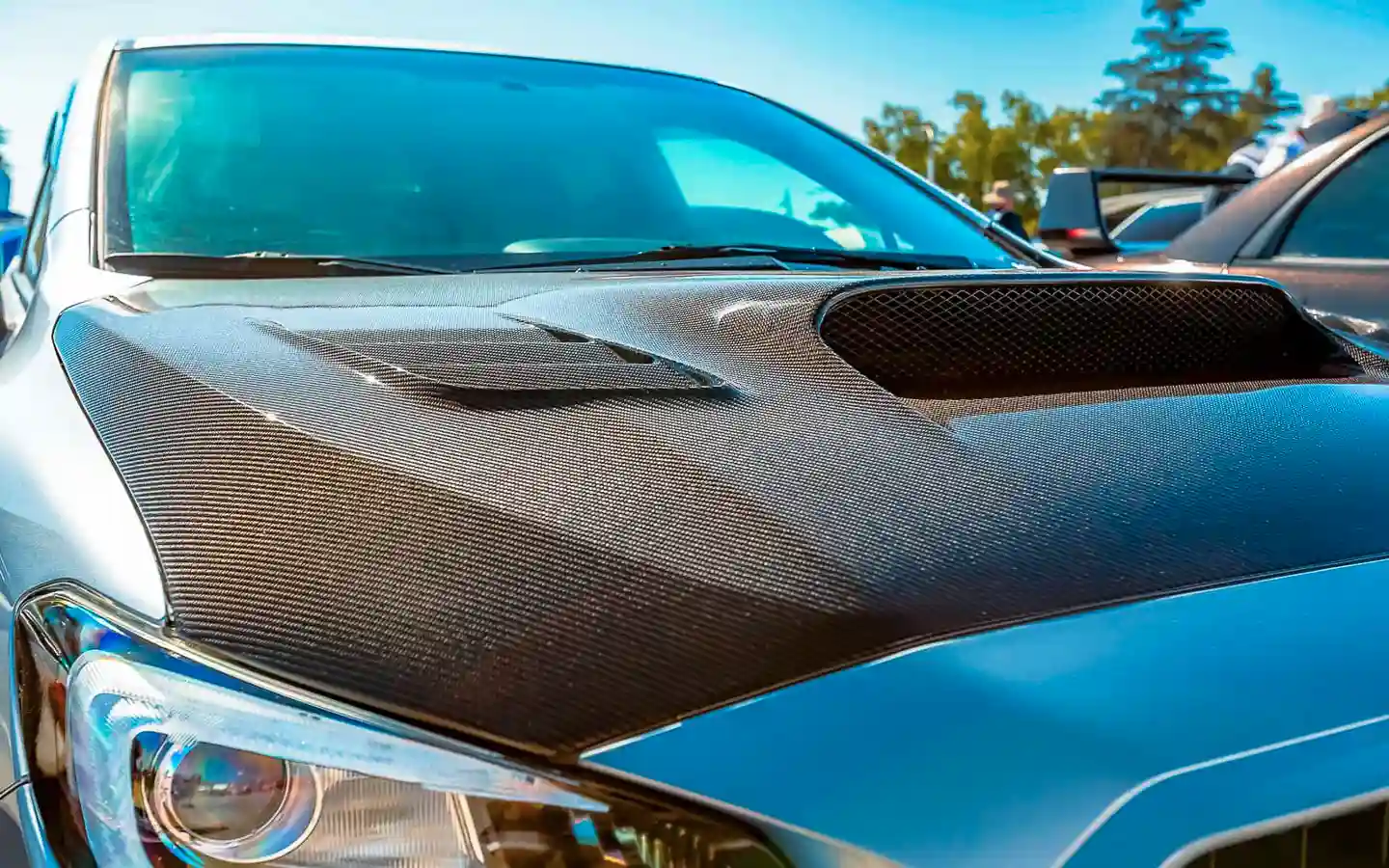
Colors range from solid to metallic and chrome. Pick a color that matches your car or stands out. Textures like carbon fiber or brushed metal add style. Choose textures that suit your car’s design. Think about how color and texture will look in sunlight.
Credit: yeswrap.com
Preparation Before Wrapping
Preparation before wrapping a car hood is very important. It ensures the vinyl sticks well and looks smooth. Taking time to prepare the surface helps avoid bubbles and wrinkles. A clean, smooth hood makes the wrap last longer and look better.
Cleaning And Prepping The Hood Surface
Start by washing the hood with soap and water. Remove all dirt, dust, and grease. Use a clean cloth to wipe it dry. Next, use rubbing alcohol to remove any leftover oils. This step helps the vinyl stick stronger. Avoid touching the hood after cleaning.
Removing Old Wraps Or Paint Defects
Check for any old vinyl wrap on the hood. Peel off any old wrap slowly to avoid damage. Remove leftover glue with a gentle adhesive remover. Fix any paint defects like scratches or chips before wrapping. Smooth surfaces ensure the vinyl lies flat without bubbles.
Temperature And Environment Tips
Work in a clean, dry place with good light. The ideal temperature for wrapping is between 60°F and 80°F. Avoid very hot or cold weather. Heat makes vinyl too soft, cold makes it stiff. A dust-free area helps prevent dirt under the wrap.
Applying The Vinyl Wrap
Applying vinyl wrap on your car hood requires care and patience. A smooth, bubble-free finish depends on correct tools and methods. This section guides you through the essential steps for a clean application. Follow these tips to avoid common mistakes and achieve a professional look.
Tools For Installation
Gather the right tools before starting. A squeegee with a soft edge helps press vinyl down evenly. Use a heat gun to warm the vinyl, making it flexible. A sharp utility knife trims excess material precisely. Clean microfiber cloths remove dust and dirt. Use gloves to avoid fingerprints on the adhesive side.
Techniques For Smooth Application
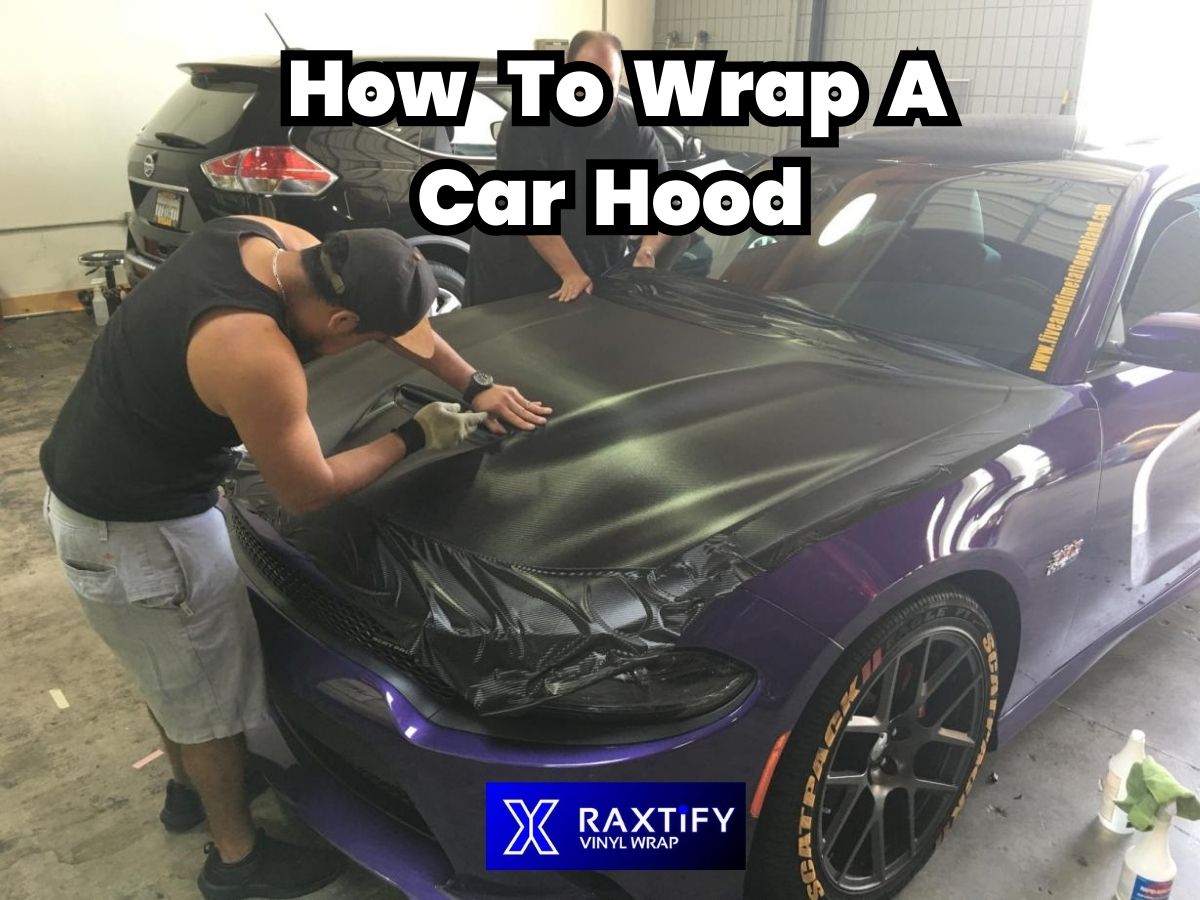
Start by peeling the vinyl backing slowly. Place the vinyl at the center of the hood first. Use the squeegee to push air bubbles outward gently. Work from the center to the edges for even pressure. Apply heat lightly to soften vinyl for curves. Stretch vinyl carefully; overstretching can cause damage.
Handling Edges And Corners
Edges and corners need extra attention. Heat these areas to make vinyl more flexible. Fold vinyl neatly around corners without creases. Use the squeegee to press firmly on edges. Trim excess vinyl close to the edge for a clean look. Proper edge sealing prevents peeling over time.
Credit: www.tintingchicago.com
Common Mistakes To Avoid
Wrapping a car hood with vinyl is a careful task. Many people make simple mistakes that affect the final look. Avoiding these errors saves time and money. It also ensures a smooth, clean finish. Below are common mistakes to avoid when wrapping your car hood.
Overstretching The Vinyl
Stretching vinyl too much causes it to tear or warp. It also loses its adhesive strength. Use gentle, even pressure to stretch the vinyl just enough. Too much stretch creates bubbles and wrinkles. Take your time to keep the vinyl smooth and intact.
Ignoring Surface Imperfections
Small dents, dirt, or grease under the vinyl show through the wrap. These imperfections make the surface look uneven. Clean the hood thoroughly before starting. Use a smooth cloth to remove dust and oils. Fix dents or scratches if possible. A clean, smooth surface gives the best results.
Skipping Heat Application
Heat makes vinyl flexible and easier to shape over curves. Without heat, the vinyl can crease or peel off later. Use a heat gun or hairdryer to warm the vinyl as you apply it. Heat helps the vinyl stick better and fit the hood’s shape perfectly. Don’t skip this important step.
Maintaining Your Vinyl Wrap
Maintaining your vinyl wrap keeps your car hood looking fresh and new. Proper care helps the wrap last longer and stay vibrant. Small efforts every day protect your investment and avoid costly repairs.
Cleaning Tips
Clean your vinyl wrap gently. Use a soft cloth or sponge with mild soap and water. Avoid strong chemicals and abrasive tools. Rinse well to remove all soap. Dry with a soft towel to stop water spots. Clean regularly to prevent dirt buildup.
Protecting Against Weather
Sun, rain, and snow can harm your vinyl wrap. Park in shaded or covered areas whenever possible. Use a car cover if you cannot find shade. Avoid long exposure to harsh sunlight. This prevents fading and cracking. Keep the wrap dry to stop mold and mildew.
When To Replace Or Repair
Look for scratches, bubbles, or peeling edges. Small damage can be fixed by a professional. Large tears or fading means it’s time to replace. Don’t wait too long to repair. This keeps your car hood safe and attractive.
Credit: raxtify.com
Frequently Asked Questions
How Much Vinyl Wrap Is Needed For A Car Hood?
Typically, 4 to 6 feet of vinyl wrap is needed to cover a car hood. This allows for proper overlap and trimming. Exact amount depends on hood size and shape.
Can One Vinyl Roll Cover Multiple Car Hoods?
Yes, a standard 50-foot vinyl roll can wrap multiple car hoods. Each hood usually requires about 4 to 6 feet. This makes vinyl rolls cost-effective for multiple projects.
What Factors Affect Vinyl Wrap Size For A Hood?
Hood dimensions, curves, and design complexity affect vinyl size. Larger or uniquely shaped hoods need more vinyl. Always measure carefully before purchasing wrap material.
Is Extra Vinyl Needed For Car Hood Wrapping?
Yes, extra vinyl is necessary for stretching and trimming. Typically, add 10-20% more vinyl than the hood’s surface area. This ensures smooth and precise coverage without gaps.
Conclusion
Wrapping a car hood with vinyl needs careful measuring. Usually, 2 to 3 feet of vinyl width covers most hoods. Add extra vinyl for mistakes and overlaps. Cutting too close wastes time and money. Always check your hood size before buying vinyl.
Proper planning helps the wrap look smooth and neat. Take your time to avoid bubbles or wrinkles. A good wrap can protect paint and change your car’s look. Keep these tips in mind for a successful vinyl wrap project.