
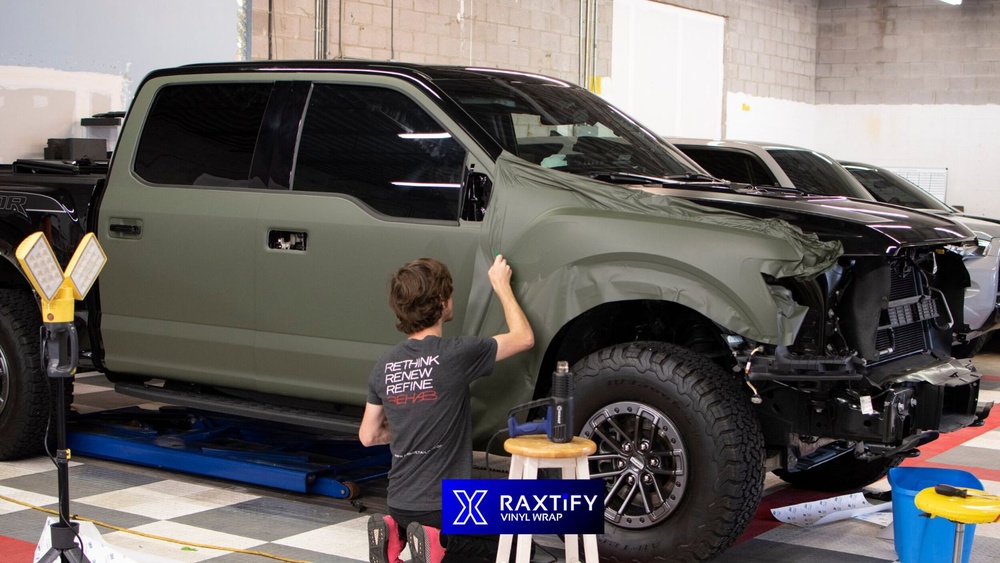
Thinking about wrapping your single cab truck with vinyl but not sure how much material you’ll need? You’re in the right place.
Getting the right amount of vinyl is key to making your truck look sharp without wasting money or running short mid-project. You’ll discover exactly how to measure your truck and calculate the vinyl needed to get a flawless wrap. Keep reading, and you’ll save time, avoid costly mistakes, and have your truck turning heads in no time.
Measuring Your Truck
Measuring your single cab truck correctly is the first step to a smooth vinyl wrap project. Accurate measurements help you buy the right amount of vinyl and avoid waste. Taking careful measurements saves time and money. It ensures the wrap fits perfectly without gaps or overlaps.
Key Dimensions To Record
Start by measuring the length and width of your truck’s body. Include the doors, hood, and side panels. Measure the height from the bottom edge to the roof. Don’t forget to note the curved areas and wheel arches. Record each dimension clearly. Write down all numbers in inches or centimeters.
Tools For Accurate Measurement
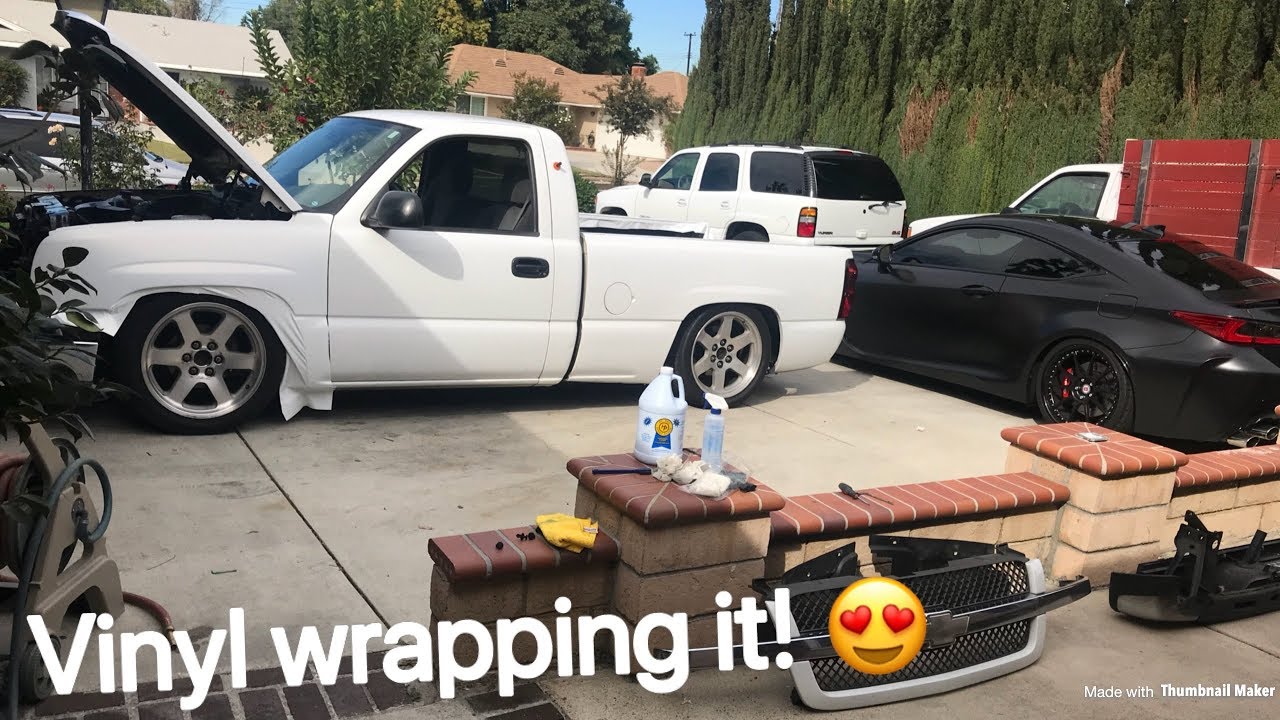
Use a tape measure for most parts. A flexible tape works well around curves. A ruler or straight edge helps with flat surfaces. A notepad or digital app is useful to save your notes. Take photos of each area to double-check sizes later. Measuring twice reduces mistakes and ensures a good fit.
Credit: www.youtube.com
Calculating Vinyl Requirements
Calculating the right amount of vinyl for wrapping a single cab truck is key. It helps avoid waste and extra costs. Measuring carefully ensures a smooth wrap without interruptions. Planning well saves time and effort during installation.
Estimating Surface Area
Start by measuring the truck’s main surfaces. Include the hood, doors, roof, and bed sides. Use a tape measure for accuracy. Write down each dimension in feet or meters. Multiply length by width for each part. Add these numbers to get the total surface area.
Don’t forget smaller areas like mirrors or bumpers. These also need vinyl coverage. Adding these helps avoid running short during the wrap.
Adding Extra For Overlaps And Errors
Always add extra vinyl to your total surface area. This covers overlaps and mistakes. A good rule is to add 10% to 20% more vinyl. This extra ensures you have enough material. It also allows for trimming around edges. Having extra vinyl reduces stress during installation.
Types Of Vinyl Wraps
Choosing the right type of vinyl wrap is key for your single cab truck. Vinyl wraps come in different styles and finishes. Each type offers a unique look and feel. Understanding these options helps you pick the best fit for your vehicle.
Some vinyl wraps focus on shine and brightness. Others give a smooth, muted look. Specialty vinyl options also exist for unique effects. These choices affect how much vinyl you will need.
Glossy Vs Matte Finishes
Glossy vinyl wraps give a shiny, reflective surface. They make your truck look bright and clean. This finish is popular for a fresh, new appearance. It shows dirt easily, so it needs regular cleaning.
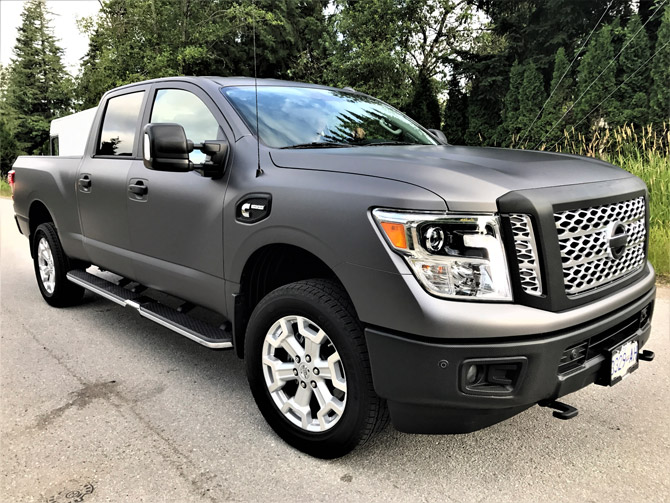
Matte vinyl wraps have a flat, non-reflective look. They give a sleek and modern style. Matte finishes hide fingerprints and dirt better. These wraps need careful installation to avoid shiny spots.
Specialty Vinyl Options
Specialty vinyl wraps include textures like carbon fiber or brushed metal. They add a unique style to your truck. Some vinyls change color in different lights. These types often cost more than standard wraps.
Other specialty options include chrome or satin finishes. Chrome vinyl creates a mirror-like effect. Satin vinyl offers a soft shine, between glossy and matte. These choices can make your truck stand out on the road.
Credit: wrapguys.com
Preparing The Truck For Wrapping
Preparing your single cab truck for vinyl wrapping is the first step toward a smooth and lasting finish. Proper preparation helps the vinyl stick better and look cleaner. This process includes cleaning the truck and removing any obstacles that might get in the way.
Cleaning And Surface Prep
Start by washing the truck thoroughly. Use soap and water to remove dirt and dust. Dry the surface with a clean cloth. Any dirt left can cause bumps under the vinyl.
After washing, use rubbing alcohol or a special surface cleaner. This removes oils, wax, and grease. Clean every part you plan to wrap. A clean surface helps the vinyl stick firmly.
Removing Obstacles
Remove parts like mirrors, antennas, and trim pieces. These can block the vinyl and cause wrinkles. Take off door handles if possible. This makes wrapping easier and cleaner.
Keep all screws and parts safe. You will need them to put everything back later. Removing obstacles means fewer bumps and a smoother wrap.
Tips For Efficient Wrapping
Wrapping a single cab truck with vinyl needs care and focus. Efficient wrapping saves time and material. It also improves the look and durability of the wrap.
Following simple tips can help you wrap smoothly and avoid waste. These tips guide you through key steps for better results.
Working With Panels
Divide the truck surface into smaller panels. This makes the vinyl easier to handle. Cut the vinyl slightly larger than each panel. It allows room for adjustments.
Start applying vinyl from the center of each panel. Use a squeegee to push air bubbles outwards. Work slowly and carefully for a smooth finish.
Overlap the edges of panels slightly. This prevents gaps between vinyl pieces. Trim excess vinyl after the wrap is fully applied.
Avoiding Common Mistakes
Clean the truck surface thoroughly before wrapping. Dirt or dust causes bubbles and poor adhesion. Use rubbing alcohol or a cleaner for best results.
Do not stretch the vinyl too much. Overstretching leads to wrinkles and tears. Apply gentle pressure and let the vinyl relax.
Heat the vinyl evenly with a heat gun. Avoid overheating one spot. Uneven heat can cause warping or damage.
Take your time. Rushing increases errors and waste. Work in a shaded area to avoid direct sunlight glare.
Credit: www.youtube.com
Estimating Cost And Time
Estimating the cost and time to wrap a single cab truck helps plan your budget and schedule. Understanding these factors ensures a smooth wrapping process without surprises. Let’s break down the main points for clear insight.
Material Costs
Vinyl wrap prices vary by quality and brand. A single cab truck usually needs about 30 to 40 square feet of vinyl. Basic vinyl costs less but lasts shorter. Premium vinyl is more expensive but offers better durability. You also need extra material for errors or cuts. Add the price of tools like squeegees and cleaning products. These can increase the total cost slightly.
Labor And Installation Time
Professional wrapping takes about 6 to 8 hours for a single cab truck. Experienced installers work faster and provide better results. Labor costs depend on location and installer skill. DIY wrapping saves money but takes longer and can cause mistakes. Wrapping requires a clean, dust-free space and proper tools. Rushing the job may lead to bubbles or peeling.
Frequently Asked Questions
How Much Vinyl Wrap Is Needed For A Single Cab Truck?
You typically need 50 to 60 feet of vinyl wrap for a single cab truck. This covers the entire exterior, including doors and panels.
What Factors Affect Vinyl Wrap Amount For Trucks?
Truck size, cab style, and wrap design complexity affect vinyl needs. Larger trucks or complex designs require more vinyl material.
Can One Roll Of Vinyl Wrap Cover A Single Cab Truck?
Usually, one roll of vinyl wrap (around 60 feet) covers a single cab truck. Extra vinyl is needed for mistakes or trimming.
How To Measure A Single Cab Truck For Vinyl Wrap?
Measure length, height, and width of all visible panels. Add extra for curves, overlaps, and errors to ensure enough vinyl.
Conclusion
Wrapping a single cab truck needs the right amount of vinyl. Generally, 20 to 25 feet of vinyl works well. This covers the truck fully and allows some extra for mistakes. Always measure your truck first to avoid shortages. Cutting too close can cause problems during wrapping.
Remember, having a little extra vinyl is better than too little. A good wrap protects your truck and looks great. Take your time and plan carefully for the best results.


