

Thinking about giving your car a fresh new look with vinyl wrap? One of the first questions you probably have is: how much vinyl wrap do you actually need to cover your car?
Getting the right amount is key—you don’t want to run out halfway through or waste money on too much material. You’ll discover simple ways to figure out exactly how much vinyl wrap your car requires. By the end, you’ll feel confident and ready to start your wrapping project without any guesswork.
Keep reading to make sure your car makeover goes smoothly from start to finish!
Factors Influencing Vinyl Wrap Amount
Several factors affect how much vinyl wrap is needed for a car. The size and shape of the vehicle play a big role. The style and design of the wrap also matter. Different application methods require different amounts of vinyl. Understanding these factors helps estimate the right amount of material.
Vehicle Size And Model
Large vehicles need more vinyl than small ones. SUVs and trucks require more wrap than sedans. Curves and contours of the car affect vinyl use. Complex shapes need extra material to cover properly. Knowing the model helps plan how much vinyl to buy.
Wrap Style And Design
Simple wraps use less vinyl than detailed designs. Full wraps cover the entire car body. Partial wraps cover only parts like the hood or doors. Designs with multiple colors or patterns may need extra vinyl. Some designs require overlapping layers for effect.
Wrap Application Techniques
Professional installers often use more vinyl for better results. Stretching and shrinking the vinyl during application uses extra material. Cutting and trimming cause small vinyl losses. DIY applications may need more vinyl to allow for mistakes. Different tools and methods impact the total vinyl required.
Measuring Your Vehicle For Wrap
Measuring your vehicle correctly is the first step to a perfect vinyl wrap. Accurate measurements help avoid running out of material or wasting it. This step saves time and money.
Take your time and be precise. Measure every part that will get wrapped. Use a tape measure and note down all numbers carefully.
Key Dimensions To Measure
Start with the car’s length from bumper to bumper. Measure the height from the ground to the roof. Don’t forget the width, including mirrors if you plan to wrap them.
Check the hood, doors, roof, and trunk separately. Add extra for curves and edges. Also, measure any parts like bumpers or spoilers.
Tips For Accurate Measurement
Use a cloth tape measure for flexibility. Measure twice to avoid mistakes. Write down all figures immediately. Work in good light for better visibility.
Ask a helper to hold one end of the tape. Keep the tape straight and tight. Avoid measuring over dirt or debris on the car.
Using Templates And Guides
Templates make measuring easier and more accurate. Some companies offer printable guides for common car models. These guides show exact panel sizes.
Use the template as a base and adjust for your specific vehicle. Templates save time and help you order the right amount of vinyl.
Calculating Vinyl Wrap Coverage
Calculating vinyl wrap coverage is key before starting your car wrap project. Knowing the right amount of vinyl helps you avoid extra costs and delays. It also ensures you have enough material to cover every part of your vehicle. Here’s how to estimate the vinyl wrap needed accurately.
Standard Coverage Estimates
The average car needs about 50 to 75 square feet of vinyl wrap. Small cars usually require closer to 50 square feet. Larger vehicles like SUVs may need up to 75 square feet. These numbers give a general idea but may not fit every car exactly.
Measure your car’s length, width, and height to get a better estimate. Multiply these numbers to find the total surface area. Compare this with standard coverage to decide the vinyl roll size to buy.
Adjusting For Complex Shapes
Cars with curves, scoops, and unusual shapes need extra vinyl. These shapes require more cutting and stretching. This adds to the amount of vinyl used.
Expect to add 10 to 20 percent more vinyl for complex areas. This extra material helps cover tricky spots without running short. Plan for these details when calculating your total vinyl needs.
Accounting For Waste And Overlaps
Some vinyl will be lost due to trimming and mistakes. Overlapping edges to secure the wrap also uses extra material. Waste and overlaps typically add 10 to 15 percent more vinyl.
Always add this buffer to your total estimate. It prevents running out of vinyl during installation. Better to have a little extra than not enough.

Credit: www.carlawrap.com
Types Of Vinyl Wrap Materials
Choosing the right vinyl wrap material is key to a successful car wrap. Different types of vinyl offer various looks and durability. Understanding these options helps decide how much vinyl wrap is needed. This section explains the main types of vinyl materials for car wraps.
Calendered Vs Cast Vinyl
Calendered vinyl is thicker and less flexible. It suits flat surfaces and short-term wraps. Cast vinyl is thinner and more flexible. It works well on curves and complex shapes. Cast vinyl usually lasts longer than calendered vinyl.
Glossy, Matte, And Specialty Finishes
Glossy vinyl gives a shiny, reflective surface. Matte vinyl offers a smooth, non-reflective look. Specialty finishes include textures like carbon fiber, brushed metal, or chrome. Choose the finish based on the car’s style and personal taste.
Durability And Thickness Impact
Thicker vinyl tends to last longer but is harder to apply. Thin vinyl is easier to wrap but may wear out faster. Durability depends on the material quality and thickness. Consider this when estimating how much vinyl you need.
Planning Your Vinyl Wrap Purchase
Planning your vinyl wrap purchase is essential for a smooth and successful project. Knowing how much material to buy saves time and avoids extra costs. Careful preparation helps achieve the best results and protects your investment.
Ordering Extra Material
Always order more vinyl wrap than your car needs. Extra material covers mistakes and tricky areas. It allows for small errors during cutting or fitting. Usually, add 10-15% more than your calculated amount. This extra helps ensure full coverage without rushing.
Budget Considerations
Set a clear budget before buying vinyl wrap. Quality materials cost more but last longer. Cheap vinyl can peel or fade quickly. Include tools and supplies in your budget. Plan for potential repairs or professional help if needed.
Choosing The Right Supplier
Pick a supplier with good reviews and reliable service. Check their product range and material quality. Ask about warranties and return policies. A trustworthy supplier offers expert advice and support. This choice affects the overall success of your wrap.
Common Wrapping Challenges
Wrapping a car with vinyl is not always easy. There are common challenges that can make the job tricky. Knowing these problems helps you prepare better. It also saves time and material. Understanding these issues is key to a smooth wrap.
Handling Curves And Edges
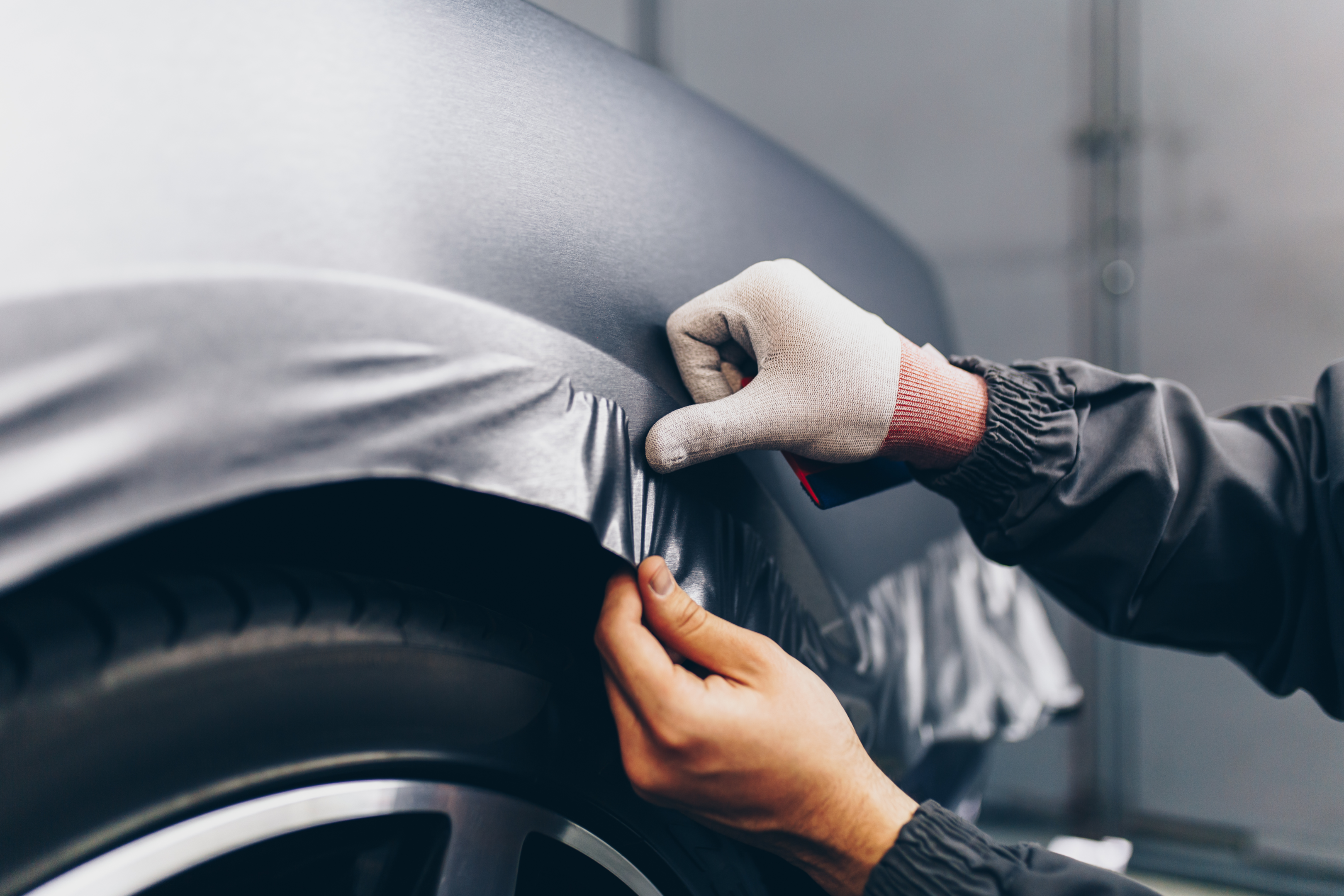
Curves and edges on a car are hard to cover. The vinyl must stretch without tearing or wrinkling. Use heat to soften the vinyl for better grip. Work slowly and press the wrap firmly on edges. Stretching too much can cause damage. Careful handling keeps the wrap neat and tight.
Avoiding Air Bubbles
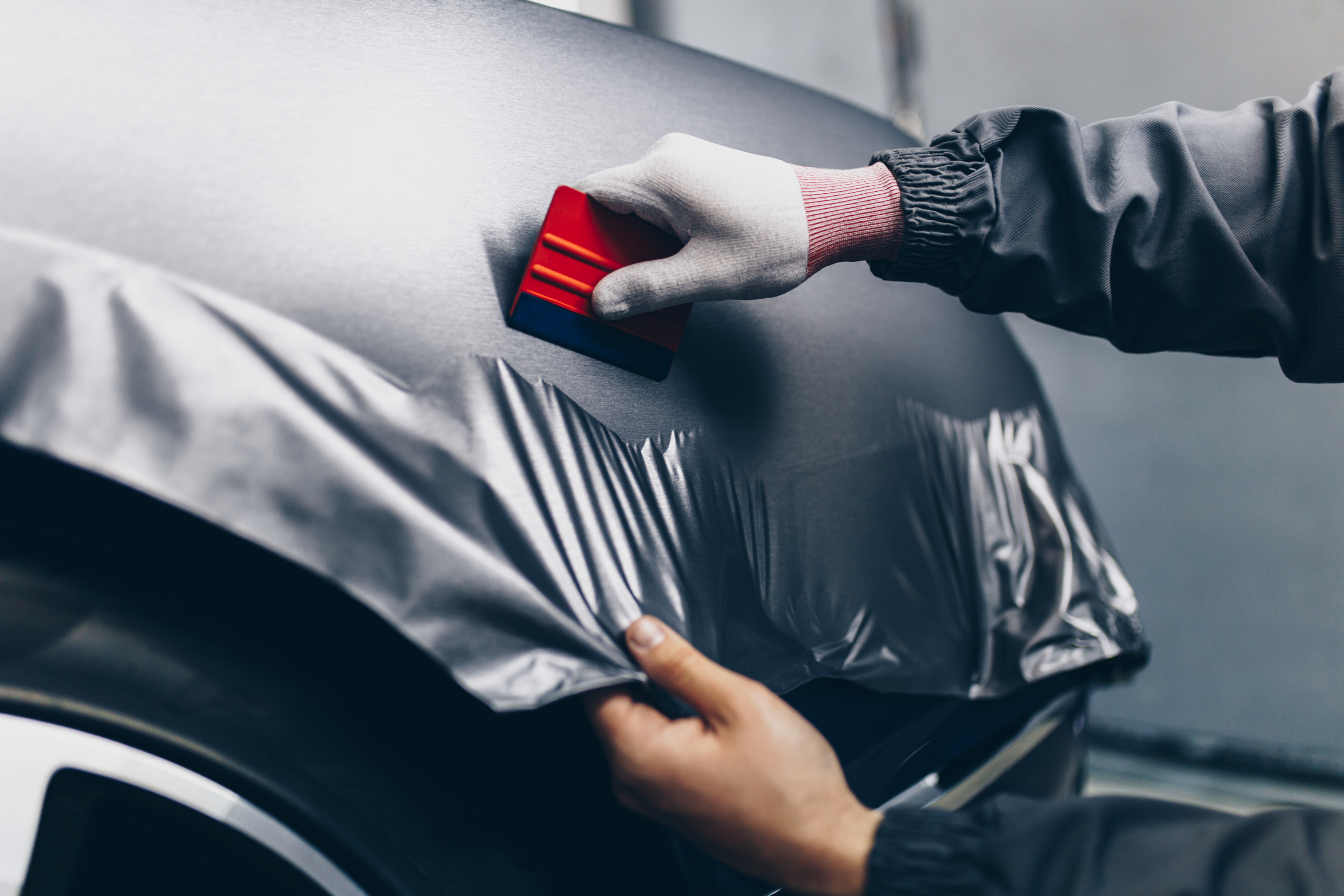
Air bubbles spoil the smooth look of a wrap. Tiny pockets of air get trapped under the vinyl. Use a squeegee to push air out from the center. Start at one end and move evenly across the surface. If bubbles appear, lift the vinyl and try again. Patience helps remove all bubbles cleanly.
Maintaining Consistent Coverage
Consistent coverage means no gaps or overlaps in the wrap. Cut vinyl pieces with extra length for full coverage. Overlap edges slightly to avoid gaps. Check the surface for dust and dirt before wrapping. Clean surfaces help vinyl stick well. Consistency keeps the car looking smooth and professional.
Professional Wrapping Vs Diy
Deciding between professional vinyl wrapping and doing it yourself is important. Both options affect how much vinyl wrap you need and the final look of your car. Professionals bring skill and tools, while DIY saves money but needs time and effort.
Benefits Of Hiring Experts
Experts know how to measure your car exactly. They use the right amount of vinyl to avoid waste. The wrap looks smooth with no bubbles or wrinkles. Professionals finish the job faster than most beginners. They fix small issues during installation. The end result lasts longer and looks cleaner.
Diy Material Estimates
Estimate about 20-30% more vinyl than your car’s surface area. This extra wrap covers mistakes and tricky parts. Measure each car section carefully before buying. Small cars need about 40-50 feet of vinyl. Larger cars require 60-80 feet or more. Keep in mind, cutting errors use up more material.
Tools Needed For Self-installation
You need a squeegee to smooth the vinyl. A heat gun helps stretch the wrap around curves. A sharp knife cuts vinyl precisely. Cleaning supplies remove dirt before wrapping. Gloves protect your hands and keep vinyl clean. Tape and magnets hold pieces in place during work.
Credit: www.landroverftmyers.com
Credit: www.landroverftmyers.com
Frequently Asked Questions
How Much Vinyl Wrap Is Needed For A Standard Car?
Typically, 50 to 75 feet of vinyl wrap is required for a standard car. This amount covers the entire vehicle, including doors and bumpers, with some extra material for errors and trimming.
Does Car Size Affect The Amount Of Vinyl Wrap?
Yes, larger vehicles require more vinyl wrap. SUVs and trucks need around 75 to 100 feet, while compact cars may need less than 50 feet.
Can I Use Less Vinyl Wrap To Save Money?
Using less wrap is risky. Insufficient vinyl can lead to visible seams and incomplete coverage. Always buy extra to ensure a clean, professional finish.
How Do I Calculate Vinyl Wrap For Custom Designs?
Measure each car section carefully and add 10-15% extra material. This accounts for curves and mistakes, ensuring full coverage for custom wraps.
Conclusion
Wrapping a car with vinyl takes careful planning. Measure your vehicle well before buying wrap. Usually, you need about 50 to 75 feet of vinyl. This depends on the car’s size and design. Buying a little extra helps avoid running out.
Cutting mistakes happen. Remember to check the type and quality of vinyl too. Good wrap makes your car look great longer. Proper preparation saves time and money. Take your time and follow steps carefully. Your car will stand out with a smooth, fresh look.
Vinyl wrap offers a fun way to change style.


