Have you ever wondered how much voltage your car actually needs to start? It might seem like a simple question, but the answer can save you from frustrating moments when your engine just won’t turn over.
Understanding the right voltage can help you avoid battery problems and keep your car running smoothly. You’ll discover the key facts about car voltage, why it matters, and how to make sure your vehicle gets the power it needs every time you turn the key.
Keep reading—your car’s next start could depend on it!

Credit: www.jiffylube.com
Car Battery Basics
A car battery is the heart of your vehicle’s electrical system. It stores energy and provides power to start the engine. Without a good battery, your car won’t start or run properly. Understanding basic battery facts helps you keep your car healthy and avoid surprises.
Car batteries use chemical energy to create electrical power. This power is measured in voltage and amperage. These two factors are key to knowing how much power your car needs to start and run smoothly.
Voltage And Amperage
Voltage shows the battery’s electric force. Most car batteries are 12 volts. This voltage is enough to power the starter motor and other electrical parts. Amperage measures the flow of electric current. It shows how much power the battery can deliver at once.
Cold Cranking Amps (CCA) is a common measure. It tells how much amperage the battery can deliver at low temperatures. A higher CCA means better starting power in cold weather.
Role In Starting The Engine
The battery sends voltage and amperage to the starter motor. This motor turns the engine over until it starts. Starting an engine needs a large burst of power. The battery must supply enough amps to turn the engine fast.
If the voltage drops below 12 volts, the engine may fail to start. Low amperage can also cause slow cranking or no start at all. A strong battery makes sure your car starts quickly and reliably.

Credit: www.lokithorshop.com
Typical Starting Voltage
Understanding the typical starting voltage helps you know how your car’s battery works. The starting voltage is the electrical power needed to crank the engine. It varies slightly but usually stays within a certain range. Knowing this range helps in diagnosing battery or starter problems.
Standard 12-volt Systems
Most cars use a 12-volt battery system. The battery provides power to start the engine and run electrical parts. A fully charged 12-volt battery shows about 12.6 volts when the car is off. To start the engine, the battery voltage must stay above 9.6 volts during cranking.
This voltage level ensures the starter motor gets enough power. If the voltage drops too low, the engine may fail to start. The 12-volt system is common because it balances power and size well for most vehicles.
Voltage Drop During Startup
Starting the engine causes a voltage drop in the battery. The starter motor draws a large amount of current, which lowers the battery voltage briefly. This drop can reduce voltage to around 9 to 10 volts.
Voltage below 9 volts during startup usually means the battery is weak. A healthy battery recovers voltage quickly after the engine starts. Watching this voltage drop helps identify battery health and starting system problems.
Factors Affecting Starting Voltage
Starting a car needs enough voltage to power the starter motor and ignition system. The voltage required is not always the same. Several factors affect the starting voltage. Understanding these helps diagnose starting problems and maintain your car better.
Battery Age And Condition
Older batteries hold less charge. They lose the ability to deliver strong voltage. Corrosion on battery terminals also reduces voltage flow. A weak or damaged battery may cause slow or failed starts. Checking battery health is important for reliable starting.
Temperature Impact
Cold weather lowers battery voltage output. Chemical reactions inside the battery slow down in low temperatures. This reduces the energy available to start the engine. Hot weather can also affect battery life but does not reduce voltage as much. Batteries need more care in winter to maintain starting power.
Electrical Load
Lights, radio, and other devices draw power from the battery. High electrical load reduces voltage available for starting. Turning off extra accessories before starting helps keep voltage high. Managing electrical load ensures the starter gets enough power to crank the engine.
Credit: www.lokithorshop.com
Measuring Starting Voltage
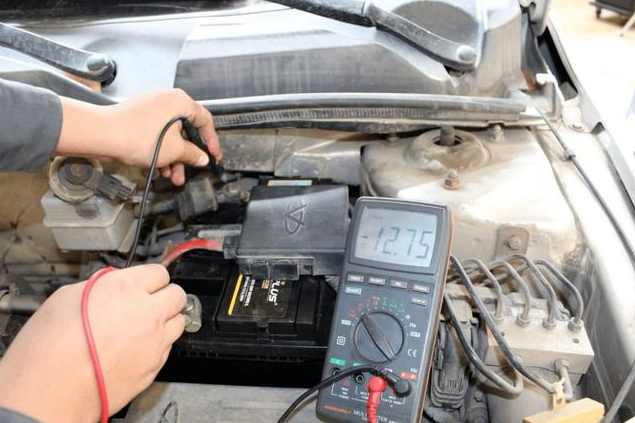
Measuring the starting voltage of a car battery is important to check its health. This voltage shows if the battery can provide enough power to start the engine. Proper measurement helps find battery problems early and saves time and money on repairs.
There are simple ways to measure starting voltage with basic tools. The most common tool is a multimeter. It gives a clear number that tells you the battery’s condition.
Using A Multimeter
To measure the starting voltage, first set the multimeter to DC voltage mode. This mode reads battery voltage accurately. Connect the red probe to the battery’s positive terminal. Connect the black probe to the negative terminal. Make sure the probes touch the metal parts firmly.
Turn the car key to the start position. Watch the multimeter reading as the engine tries to start. The voltage will drop during this time. Note the lowest voltage number shown on the multimeter. This is the starting voltage of your battery.
Interpreting Voltage Readings
A healthy car battery shows about 12.6 volts when the engine is off. During starting, the voltage may drop to around 9.6 volts but should not go lower. If the voltage falls below 9 volts, the battery may be weak or failing.
Voltage readings above 10 volts during start usually mean the battery is in good shape. If the voltage stays very low, the battery or starter system needs checking. Regular voltage tests help keep the car reliable and avoid sudden failures.
Common Starting Issues
Starting a car depends on the right amount of voltage. Many common issues stop the car from starting. These problems often relate to the battery or starter. Knowing the signs helps you fix the problem faster. Understanding the difference between battery and starter issues saves time and money.
Low Voltage Symptoms
Low voltage can cause the car to struggle starting. The engine may crank slowly or not at all. Lights inside the car might dim or flicker. You may hear clicking sounds when turning the key. These signs show the battery is weak or drained. Cold weather often makes low voltage problems worse.
Battery Vs. Starter Problems
Battery issues are the most common cause of starting failure. A bad battery cannot supply enough voltage to the starter. Starter problems cause the engine not to turn over. If the battery is good, the starter might be faulty. A worn starter motor or bad connections can stop the car from starting. Testing both parts helps find the real problem fast.
Maintaining Optimal Voltage
Maintaining the right voltage in your car battery is key to starting your vehicle smoothly. A steady voltage ensures the engine gets the power it needs every time. Proper care helps avoid unexpected breakdowns and extends battery life.
Checking the voltage regularly keeps you aware of your battery’s health. It also helps spot issues before they become serious. Keep your battery clean and connections tight for the best results.
Battery Care Tips
Keep the battery terminals clean and free of corrosion. Dirt and rust can block the flow of electricity. Use a wire brush or a special cleaner to wipe the terminals. Make sure the battery is secured firmly in its place. Vibration can damage internal parts and reduce battery life. Avoid leaving lights or electronics on when the engine is off. This drains the battery quickly and lowers voltage.
Regular Testing And Replacement
Test your battery voltage with a multimeter every few months. A healthy battery shows about 12.6 volts when the car is off. If the voltage drops below 12.4 volts, it needs charging or attention. Replace the battery every 3 to 5 years, depending on use. Old batteries may not hold a charge well. Regular checks help avoid sudden failures on the road.
Frequently Asked Questions
What Voltage Is Required To Start A Car Engine?
A typical car requires around 12. 6 volts to start the engine. The battery must supply sufficient voltage to power the starter motor and ignition system. If voltage drops below 10 volts, the car may fail to start.
Can A Car Start With Low Battery Voltage?
A car can start with low voltage, but it’s less reliable. Voltages below 11. 5 volts often cause slow or no cranking. A fully charged battery ensures consistent engine starts and prevents electrical system strain.
How Does Voltage Affect Car Starting Performance?
Higher voltage provides stronger starter motor power and faster engine cranking. Low voltage causes slow cranking, longer start times, or no start. Maintaining proper battery voltage is crucial for optimal engine starting performance.
Why Does A Car Need 12 Volts To Start?
Car electrical systems are designed to operate at 12 volts. This voltage powers the starter, ignition, and fuel systems. Without sufficient voltage, these components cannot function correctly, preventing the engine from starting.
Conclusion
A car needs about 12 volts to start properly. The battery must be strong and healthy. Low voltage means the engine may not turn over. Always check your battery if the car won’t start. Keeping the battery charged helps avoid problems.
Simple care can save you from unexpected delays. Remember, voltage is key to a smooth start. Don’t ignore signs of battery trouble. A little attention goes a long way.