

Have you ever wondered how often you should replace your brake rotors? If you want to keep your car safe and running smoothly, knowing the right time to change your rotors is crucial.
Ignoring worn-out rotors can lead to costly repairs and dangerous driving conditions. You’ll discover clear signs to watch for and simple tips to help you decide when it’s time for a replacement. Keep reading to protect yourself, your passengers, and your vehicle.

Credit: www.reddit.com
Signs To Replace Brake Rotors
Brake rotors wear out over time and need replacement for safe driving. Recognizing the signs early helps avoid accidents and costly repairs. Pay attention to sounds, feel, and visible damage. These clues show when rotors require attention.
Squeaking And Grinding Noises
Squeaking sounds mean the brake pads are wearing down. Grinding noises suggest the rotors might be damaged. Both sounds warn that rotor replacement could be necessary soon. Do not ignore these noises during braking.
Vibration While Braking
Feeling vibrations in the brake pedal or steering wheel is a common sign. Warped rotors cause uneven contact with brake pads. This creates a shaking sensation when you press the brakes. It is a clear signal to check the rotors.
Visible Rotor Damage
Inspect the rotors for cracks, grooves, or rust. Deep grooves or scoring reduce braking efficiency. Cracks can lead to rotor failure and unsafe driving. Heavy rust weakens the rotor surface. Visible damage means it is time to replace the rotors.
Factors Influencing Rotor Lifespan
The lifespan of brake rotors varies widely. Several factors affect how long rotors last before replacement is necessary. Understanding these factors helps maintain safe brakes and avoid costly repairs. Here are the key influences on rotor lifespan.
Driving Habits
Frequent hard braking wears rotors faster. Gentle braking extends rotor life. Riding the brakes or sudden stops add extra heat and stress. Long downhill drives with constant braking can cause rotor warping. Smooth, steady driving reduces rotor damage.
Road Conditions
Rough, bumpy roads cause more wear on rotors. Driving on dirt or gravel can introduce dust and debris. This dirt acts like sandpaper on rotor surfaces. Wet and salty roads speed up rotor corrosion. Clean, paved roads help rotors last longer.
Quality Of Rotors
High-quality rotors resist wear better than cheap ones. They handle heat and stress without cracking or warping. Cheap rotors may wear unevenly or develop grooves quickly. Investing in good rotors improves safety and saves money over time.
Recommended Replacement Intervals
Brake rotors are a vital part of your vehicle’s braking system. Knowing when to replace them keeps your car safe and running smoothly. Recommended replacement intervals help you avoid damage and costly repairs. These intervals vary by factors like car type, driving habits, and rotor quality.
Manufacturer Guidelines
Car makers provide specific advice on rotor replacement. Check your vehicle’s manual for exact details. These guidelines are based on testing and safety standards. Following them ensures optimal brake performance and safety.
Mileage And Timeframes
Most brake rotors last between 30,000 and 70,000 miles. Some may need replacement sooner if you drive aggressively or in tough conditions. Time also matters. Rotors can wear out after 3 to 5 years, even with low mileage.
Inspection Frequency
Regular checks help spot rotor wear early. Inspect rotors every 10,000 miles or during brake pad changes. Look for cracks, grooves, or warping. Early detection prevents brake failure and costly repairs.
Effects Of Worn Rotors On Safety
Worn brake rotors can create serious safety problems. They affect how well your brakes work and can increase risks on the road. Knowing these effects helps you understand why replacing rotors on time is important.
Reduced Braking Efficiency
Worn rotors lose their smooth surface. This causes the brake pads to grip poorly. Your car may not slow down as it should. This reduces braking power and control.
Increased Stopping Distance
Damaged rotors make your car take longer to stop. This can be dangerous in traffic or emergencies. Longer stopping distances increase the chance of accidents.
Risk Of Brake Failure
Severely worn rotors can crack or break. This may cause the brakes to fail completely. Brake failure can lead to serious crashes or injuries.
Rotor Maintenance Tips
Brake rotors play a key role in vehicle safety. Proper maintenance keeps them working well for longer. Follow these simple tips to maintain your rotors and avoid costly repairs.
Regular Inspections
Check your rotors often for wear and damage. Look for grooves, cracks, or rust. Inspect rotor thickness to ensure it meets safety limits. Early detection helps prevent bigger problems.
Proper Brake Pad Replacement
Change brake pads before they wear down completely. Worn pads can damage rotors quickly. Use quality pads that fit your vehicle. Proper pads reduce rotor wear and improve braking.
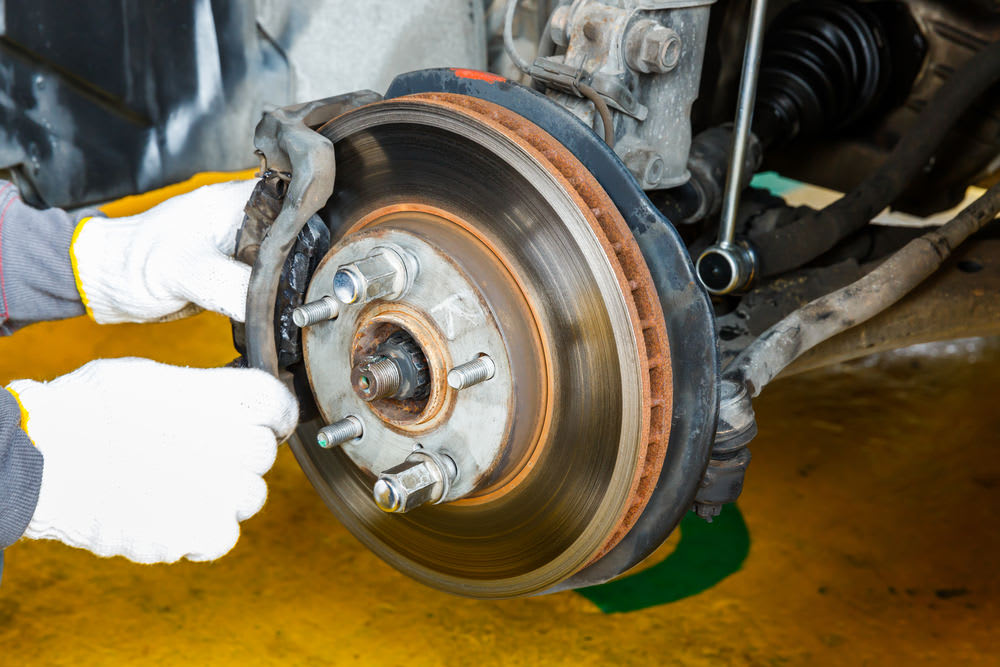
Avoiding Overheating
Drive gently to prevent rotor overheating. Hard braking creates heat that warps rotors. Allow brakes to cool after heavy use. Overheating shortens rotor life and reduces braking power.
Credit: www.yourmechanic.com
Choosing Quality Brake Rotors
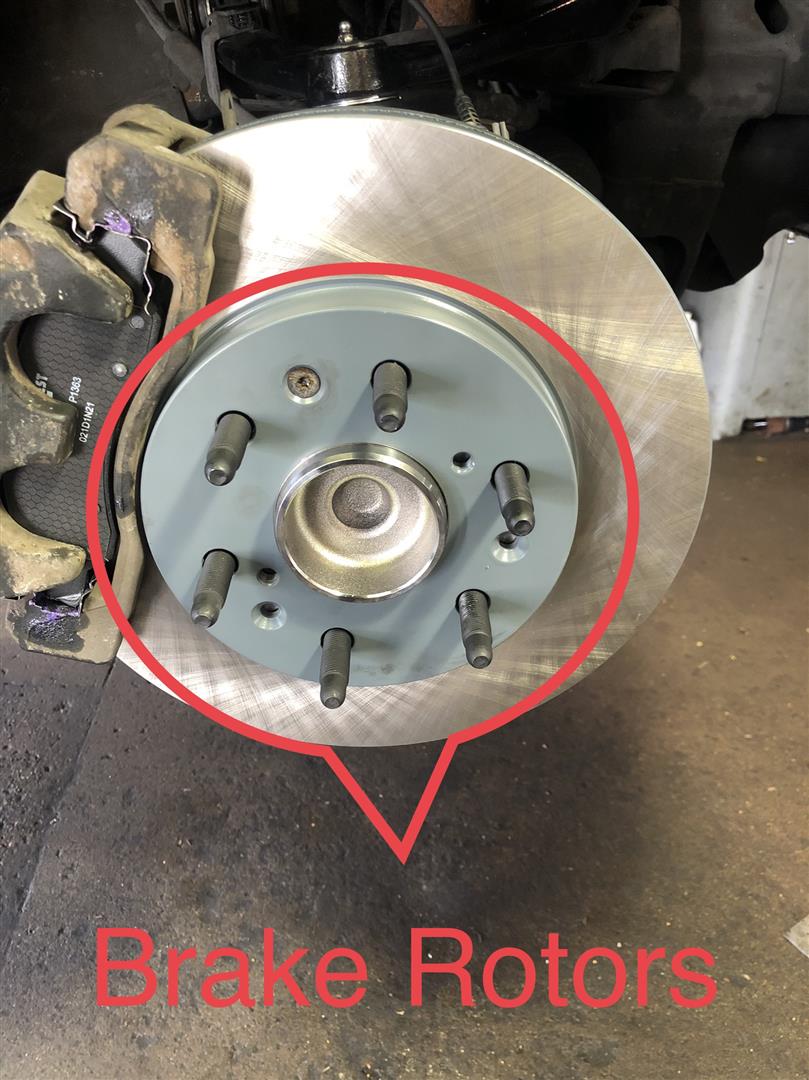
Choosing quality brake rotors is key for safe driving and long-lasting brakes. Good rotors improve stopping power and reduce noise. They also wear down slower, saving money over time. Picking the right rotor means thinking about material, brand, and cost.
Material Types
Brake rotors come in different materials. Cast iron is common and affordable. It cools well but can rust. Steel rotors resist rust but cost more. Carbon composite rotors are light and strong. They work well for high performance but have a high price. Choose the material that fits your driving style and budget.
Brand Recommendations
Some brands make trusted brake rotors. Look for brands with good reviews and warranties. OEM (original equipment manufacturer) rotors fit your vehicle well. Aftermarket brands offer choices at lower prices. Stick to brands known for quality and safety. This ensures your brakes work well every time.
Cost Vs. Performance
Expensive rotors often last longer and perform better. Cheap rotors may wear out fast and cause noise. Balance cost and quality for best value. Spending a bit more can prevent costly repairs. Think of rotors as an investment in safety and comfort.
Credit: www.ricksautoservice.org
Frequently Asked Questions
How Often Should Brake Rotors Be Replaced?
Brake rotors typically need replacement every 30,000 to 70,000 miles. This depends on driving habits, rotor quality, and vehicle type. Regular inspections help spot wear early. Replacing rotors timely ensures safe braking and prevents damage to brake pads.
What Signs Indicate Brake Rotor Replacement Is Needed?
Common signs include vibrations during braking, squealing noises, and visible grooves or cracks on rotors. A pulsating brake pedal also indicates rotor issues. These symptoms suggest uneven rotor wear or warping, signaling that replacement is necessary for safe driving.
Can Brake Rotors Be Resurfaced Instead Of Replaced?
Yes, rotors can be resurfaced if they have minor wear or uneven surfaces. However, if rotors are too thin or severely damaged, resurfacing isn’t safe. Always follow manufacturer guidelines to maintain optimal braking performance and safety.
Does Driving Style Affect Brake Rotor Lifespan?
Yes, aggressive braking and frequent stop-and-go driving wear rotors faster. Gentle braking and highway driving generally extend rotor life. Adjusting driving habits can help reduce rotor wear and delay the need for replacement.
Conclusion
Brake rotors wear out over time and need regular checks. Most rotors last between 30,000 to 70,000 miles. Driving habits and road conditions affect rotor life. Signs like vibrations or squealing mean it’s time to inspect. Replacing rotors on time keeps your brakes safe and effective.
Don’t wait for serious problems to start. Stay aware of your car’s brake health for smooth, safe driving. Simple care helps avoid costly repairs and keeps you on the road.


