

Are you wondering how much it will cost to change your front brakes and rotors? Knowing the price upfront can save you from surprises and help you plan your budget better.
Your brakes are one of the most important parts of your car for safety, so keeping them in good shape is crucial. But how do you know if it’s time to replace them, and what should you expect to pay?
Keep reading to find out exactly what goes into the cost, so you can make smart decisions for your vehicle and your wallet.

Credit: www.youtube.com
Signs You Need New Brakes
Brakes wear down with use and need timely replacement. Knowing the signs helps keep you safe on the road. Early detection prevents costly damage and accidents. Watch for clear warning signals from your vehicle. These hints show when new brakes or rotors are needed.
Common Brake Wear Indicators
Squeaking or squealing noises come from worn brake pads. This sound means the pads are thin and need change.
If the brake pedal feels soft or sinks, the brake fluid may be low or there is air in the system.
Vibrations during braking often mean the brake pads or rotors are uneven or warped.
Longer stopping distances tell you the brakes are less effective and may need replacement.
Warning lights on the dashboard can indicate brake problems. Never ignore them.
When Rotors Require Replacement
Rotors wear out due to heat and friction. They can become warped or cracked.
Visible grooves or scoring on rotors show they are damaged and need replacement.
Brake vibration or pulsing usually comes from warped rotors.
Thin rotors lose their ability to cool down and stop well. This reduces braking power.
Replacing rotors with pads ensures smooth and safe braking performance.
.jpg)
Credit: www.cbac.com
Brake Parts And Their Costs
Understanding the cost of brake parts helps you plan your car maintenance budget. Front brake repairs include several key components. Each part has its own price range. Knowing these prices helps avoid surprises at the repair shop.
Brake pads, rotors, and extra hardware are the main parts that wear out. Their prices depend on the car model and quality of parts. Let’s break down the typical costs for each.
Front Brake Pads Pricing
Front brake pads usually cost between $30 and $70 per set. Economy pads are cheaper but wear out faster. Premium pads offer better stopping power and last longer. Prices vary by brand and material type.
Rotor Replacement Expenses
Rotors can cost from $40 to $150 each. High-performance or larger rotors are more expensive. Some cars require full rotor replacement, while others can be resurfaced. New rotors improve braking safety and feel.
Additional Hardware And Fluids
Brake jobs may need extra parts like clips, shims, or caliper bolts. These small parts cost around $10 to $30. Brake fluid replacement adds about $20 to $50. Fresh fluid keeps the brake system working well.
Labor Charges Explained
Understanding labor charges is key when changing front brakes and rotors. Labor costs depend on the shop’s hourly rate and the time needed. These charges can vary by location and mechanic experience. Knowing what influences labor fees helps you budget better for brake service.
Typical Mechanic Rates
Mechanic rates usually range from $70 to $120 per hour. Rates tend to be higher in big cities or at dealer shops. Independent garages often charge less. Some shops offer flat fees for brake jobs instead of hourly rates.
Time Required For Brake Service
Changing front brakes and rotors takes about 1 to 2 hours. The exact time depends on the vehicle model and brake condition. Simple jobs may take less than an hour. Complex repairs or rusted parts can extend the time needed.
Credit: www.aaa.com
Cost Variations By Vehicle Type
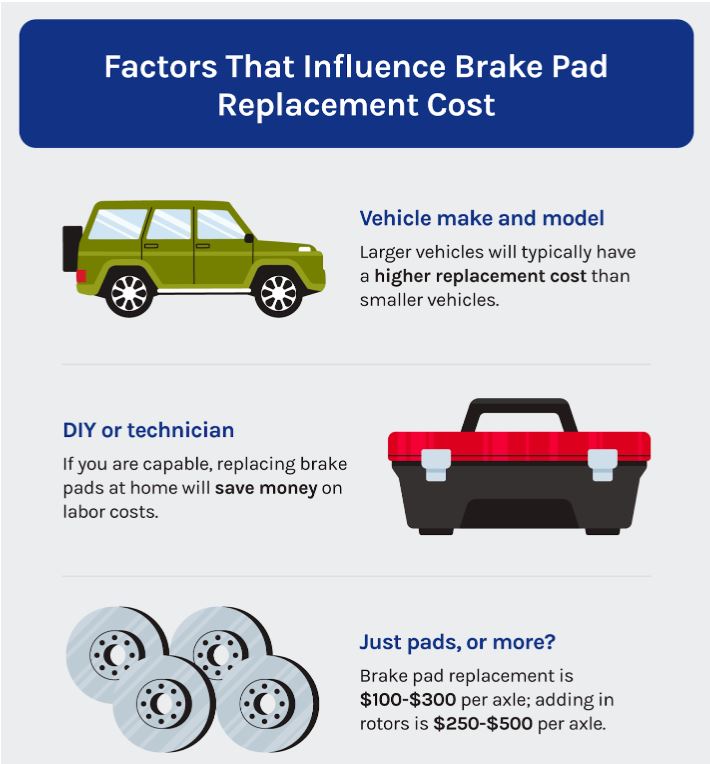
Costs for changing front brakes and rotors vary widely by vehicle type. Different cars need different parts and labor time. This affects the total price. Understanding these cost differences helps plan your budget better.
Economy Vs. Luxury Cars
Economy cars usually have lower parts costs. Brake pads and rotors are simpler and cheaper. Labor time is often less too. This keeps the overall cost down.
Luxury cars require high-quality parts. These parts cost more to buy and replace. Some models use special materials or designs. Labor may take longer because of complex systems. Expect higher prices for luxury brake jobs.
Impact Of Vehicle Age And Model
Newer cars often need original equipment manufacturer (OEM) parts. These parts cost more but fit perfectly. Older cars might use generic or aftermarket parts. These are usually cheaper but vary in quality.
Some vehicle models have unique brake systems. These may need special tools or knowledge. Mechanics might charge extra for these jobs. Older models sometimes have worn parts that add to labor time.
Diy Vs. Professional Service
Choosing between DIY and professional brake service affects cost, safety, and time. Some car owners enjoy working on their vehicles. Others trust experts for complex tasks. Both choices have clear benefits and risks. Knowing these helps you decide the best path for your front brakes and rotors.
Pros And Cons Of Diy Brake Replacement
Doing brake work yourself can save money. Parts usually cost less without labor fees. You learn about your car and gain new skills. Work on your own schedule. But brake replacement is tricky. Mistakes risk your safety and others on the road. Tools and space are needed. Old parts can be hard to remove. You must follow instructions carefully. No professional checks mean hidden issues might stay.
When To Seek Professional Help
Choose a mechanic if you lack tools or experience. Professionals spot problems early and ensure proper installation. They use quality parts and test brakes thoroughly. Complex brake systems need expert care. If you feel unsure or unsafe, call a pro. Fast service saves time and prevents costly errors. Your safety depends on well-done brake repair. Trusting experts often gives peace of mind.
Saving Money On Brake Repairs
Saving money on brake repairs can make a big difference in your car maintenance budget. Brake work, especially on front brakes and rotors, can cost more than expected. Smart choices help keep costs low and ensure your car stays safe. Focus on quality parts and good deals. These steps can reduce expenses without cutting corners.
Choosing Quality Parts On A Budget
Cheap parts might seem like a good deal at first. But low-quality brake pads and rotors wear out fast. This means you pay more in the long run. Choose parts that balance cost and quality. Look for brands with good reviews and warranties. Quality parts last longer and perform better. This saves money over time and keeps brakes reliable.
Finding Discounts And Service Deals
Many shops offer discounts on brake repairs. Check local service centers for seasonal deals. Some places give discounts for first-time customers or package services. Online coupons and promo codes also cut costs. Don’t forget to ask about price matching. Small savings add up when you combine deals. Regularly checking can help you catch good offers for your brake service.
Frequently Asked Questions
How Much Does It Cost To Replace Front Brakes And Rotors?
The cost to replace front brakes and rotors ranges from $250 to $500. Labor typically costs $100 to $150, while parts cost $150 to $350. Prices vary based on vehicle type and location.
How Long Does Front Brake And Rotor Replacement Take?
Replacing front brakes and rotors usually takes about 1 to 2 hours. The time depends on the vehicle model and mechanic’s experience. Quick service shops may complete it faster.
Can I Replace Front Brakes And Rotors Myself?
Yes, if you have basic mechanical skills and tools, you can replace them. However, improper installation risks safety issues. Consult a professional if unsure to avoid costly mistakes.
When Should Front Brakes And Rotors Be Replaced?
Replace them when you hear squealing, grinding noises, or feel vibration while braking. Also, check for rotor thickness and brake pad wear regularly to ensure safety and performance.
Conclusion
Changing front brakes and rotors costs vary by car and location. Parts and labor make up most expenses. Regular checks help catch wear early and save money. Choose quality parts to ensure safety and performance. Don’t delay repairs to avoid bigger problems later.
Knowing the cost helps you plan your budget better. Keep your vehicle safe and smooth with timely brake care. Simple steps protect you and your passengers on the road.


