

How often should you check your brakes and rotors? It’s a question that could save you from costly repairs or even dangerous accidents.
Your brakes are one of the most important parts of your car, yet many people don’t know when to replace them or their rotors. If you want to keep your vehicle safe and running smoothly, understanding the right timing for brake and rotor maintenance is key.
Keep reading to learn exactly when and why you should pay attention to these crucial parts before problems sneak up on you.
Brake System Basics
The brake system is a key part of every vehicle. It helps you stop safely. Understanding how brakes work can help you keep your car in good shape. This section explains the basic parts and their roles.
Knowing the brake system basics can also help you know when to replace parts. Brakes and rotors wear down with use. Learning their function makes it easier to spot problems early.
How Brakes Work
Brakes slow down or stop your car. When you press the brake pedal, it pushes brake fluid. This fluid moves to the brake calipers. The calipers press the brake pads against the rotors. This action creates friction. Friction slows the wheels and stops the vehicle.
Role Of Rotors
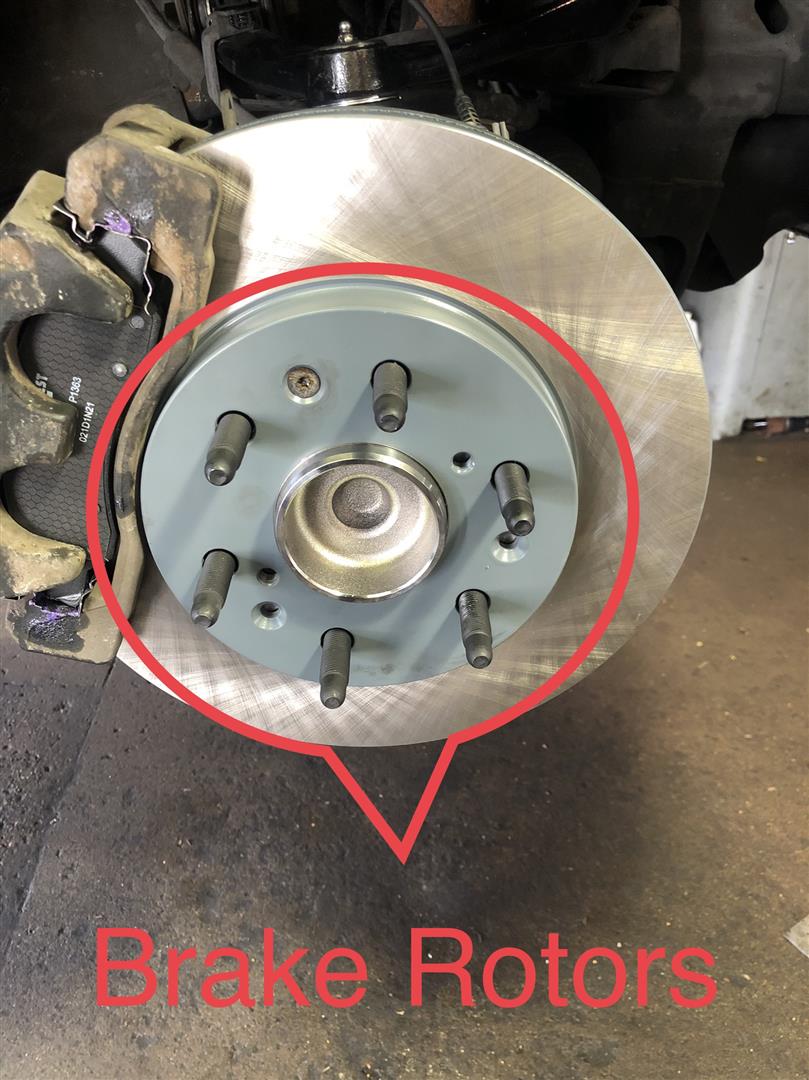
Rotors are metal discs attached to the wheels. They spin with the wheels. When brake pads press against rotors, friction occurs. This friction stops the wheel from spinning. Rotors need to be smooth and even. Worn or damaged rotors can reduce braking power and cause vibrations.
Types Of Brake Pads
Brake pads come in different materials. Common types are organic, semi-metallic, and ceramic. Organic pads are soft and quiet but wear faster. Semi-metallic pads last longer and handle heat well. Ceramic pads are quiet and clean but cost more. Each type suits different driving needs and conditions.
Credit: www.ricksautoservice.org
Signs Of Brake Wear
Brake wear is a critical issue for vehicle safety. Recognizing signs early helps prevent accidents. Worn brakes reduce stopping power and increase risk on the road.
Paying attention to brake sounds, feelings, and warning lights can save lives. Here are key signs to watch for.
Squeaking And Squealing Noises
Squeaking or squealing sounds often mean brake pads are worn out. This noise comes from a small metal piece inside the pads. It rubs against the rotor to alert you. Ignoring this sound can cause damage to the rotors.
Vibrations During Braking
Feeling vibrations or shaking when you press the brake pedal signals a problem. Warped rotors or uneven brake pads cause this issue. Vibrations mean your brakes are not working smoothly. You should have your brakes checked soon.
Longer Stopping Distances
Brakes that take longer to stop the car need attention. Worn pads or damaged rotors reduce braking power. Notice if you press the pedal harder than usual. This sign shows your brakes are less effective and unsafe.
Brake Warning Lights
Modern cars have dashboard lights to warn about brake problems. A brake warning light means the system detected an issue. Do not ignore this light. It signals a need for immediate brake inspection and repair.
Brake Pad Replacement Intervals
Brake pad replacement intervals are important for safe driving. Brake pads wear down every time you use the brakes. Knowing when to replace them helps avoid damage and keeps your car stopping well.
Average Lifespan Of Brake Pads
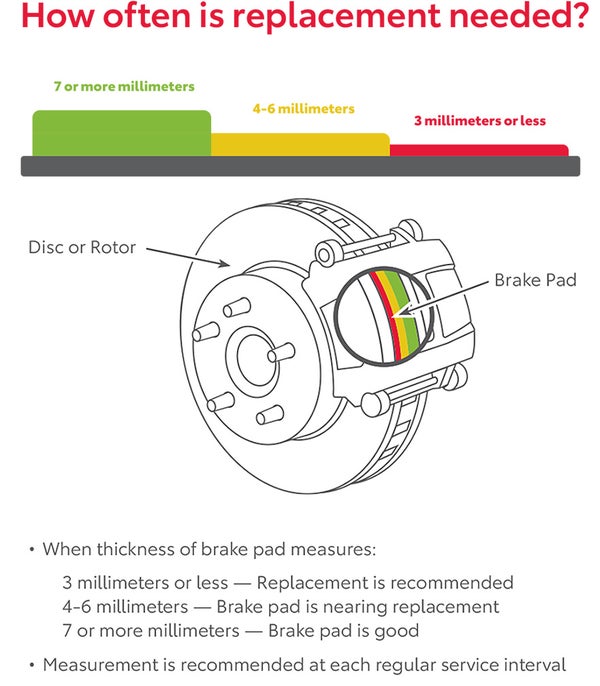
Brake pads usually last between 30,000 and 70,000 miles. This range depends on the car type and brake quality. Some pads wear out faster in city driving. Others last longer on highways.
Factors Affecting Wear
Driving style changes how fast brake pads wear. Hard braking and frequent stops cause faster wear. Road conditions like hills or traffic also matter. Quality of brake pads plays a key role too.
When To Replace Brake Pads
Replace brake pads if you hear squealing or grinding noises. A soft or spongy brake pedal also shows wear. Some pads have wear indicators to signal replacement. Checking pads every 10,000 miles helps catch wear early.
Rotor Replacement Timing
Knowing when to replace your rotors is key for safe driving. Rotors wear down over time, affecting brake performance. Timely replacement keeps your brakes working well and prevents accidents. Regular checks help spot rotor issues early. This saves money and stress.
Rotor Wear Indicators
Many rotors have built-in wear indicators. These small grooves or slots show rotor condition. When these indicators fade, rotors need replacement. Some cars have electronic sensors for wear. Listen for squealing sounds, which often signal worn rotors. These signs help avoid brake failure.
Common Rotor Problems
Rotors can warp from heat or heavy braking. Warped rotors cause vibration and noise during braking. Cracks may form on old or damaged rotors. Rust buildup weakens rotor strength over time. Uneven rotor surface leads to poor brake contact. Fixing these problems early improves safety.
How To Check Rotor Thickness
Use a micrometer to measure rotor thickness precisely. Compare measurements to the minimum thickness set by the manufacturer. If below the limit, replace the rotor. Visual checks can spot deep grooves or rust. Smooth, thick rotors ensure better brake response. Checking thickness regularly avoids brake issues.
Maintenance Tips For Longevity
Keeping brakes and rotors in good condition helps your car stay safe. Proper care also saves money by avoiding early repairs. Simple steps can extend the life of these important parts.
Regular Inspections
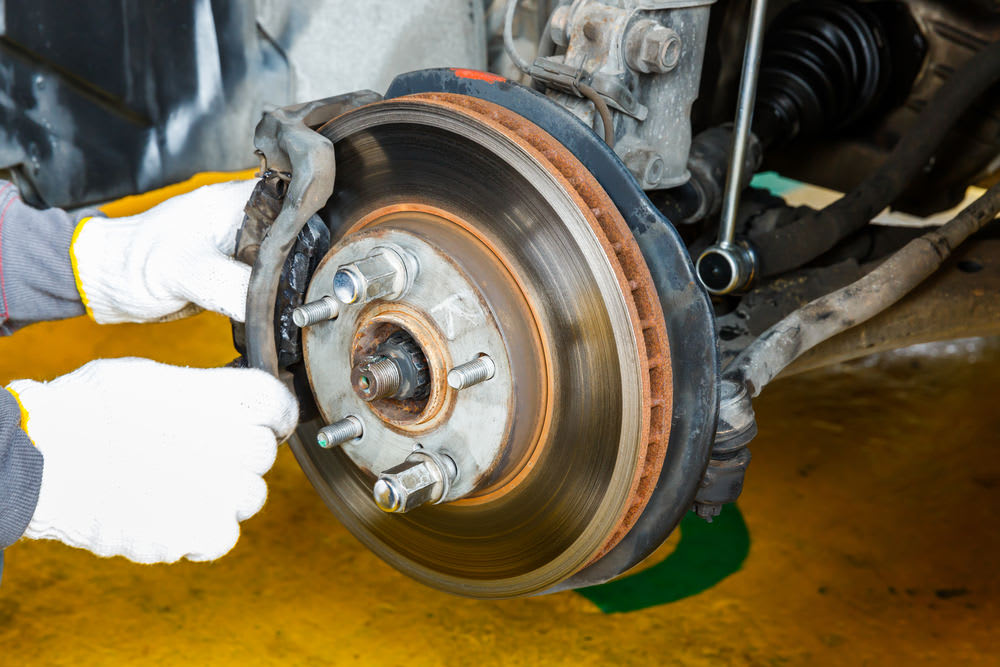
Check brakes and rotors every 10,000 miles or during oil changes. Look for signs like squeaking, grinding, or vibration. Early detection stops small problems from growing. A quick visual check can reveal worn brake pads or damaged rotors.
Driving Habits That Affect Brakes
Avoid hard stops and fast acceleration. Smooth, steady driving reduces brake wear. Use engine braking on downhill roads to ease pressure on brakes. Stop-start traffic can cause faster brake wear. Drive calmly to protect your braking system.
Quality Parts And Professional Service
Choose good quality brake pads and rotors for longer life. Cheap parts wear out faster and can cause damage. Always use a trusted mechanic for brake service. Proper installation and maintenance ensure safety and durability.
Credit: www.yourmechanic.com
Costs Of Brake And Rotor Replacement
Replacing brakes and rotors can be costly. Knowing the expenses helps you plan your budget better. Costs vary by car type, part quality, and labor charges. Understanding these factors saves you from surprises.
Price Range For Parts
Brake pads usually cost between $30 and $80 per set. Rotors range from $40 to $150 each. Prices depend on brand and material quality. High-performance parts are pricier but last longer. Some cars need special parts that cost more.
Labor Costs
Labor charges vary by shop and location. Most shops charge between $70 and $150 per hour. Replacing brakes and rotors takes about 1 to 2 hours. Labor costs often equal or exceed parts costs. Always ask for a detailed estimate before work starts.
Diy Vs Professional Repair
Doing the job yourself saves labor costs. Parts still cost the same, but tools may add expense. DIY requires some mechanical knowledge and safety measures. Mistakes can cause damage or accidents. Professionals offer warranty and expertise. Choose based on your skill and comfort level.
Credit: www.rosevilletoyota.com
Frequently Asked Questions
How Often Should I Replace Brake Pads And Rotors?
Brake pads typically last 30,000 to 70,000 miles, while rotors last about 50,000 to 70,000 miles. Regular inspections help determine exact timing based on driving habits and vehicle type.
What Signs Indicate Brake Pads Need Replacement?
Squealing noises, reduced braking efficiency, or a vibrating brake pedal often signal worn brake pads. Prompt replacement ensures safety and prevents rotor damage.
Can I Replace Rotors Without Changing Brake Pads?
It’s possible but not recommended. New pads on worn rotors can cause uneven wear and reduce braking performance. Ideally, replace both together for best results.
How Does Driving Style Affect Brake And Rotor Wear?
Aggressive driving, frequent hard braking, and city traffic increase brake and rotor wear. Gentle driving and highway use extend their lifespan considerably.
Conclusion
Regular brake and rotor checks keep your car safe on roads. Worn brakes can cause accidents and costly repairs. Rotors wear down with time and need replacing too. Most drivers should inspect brakes every 10,000 to 20,000 miles. Rotors often last longer but watch for signs of damage.
Listen for noises and feel for vibrations while driving. Timely maintenance helps avoid sudden brake failure. Stay alert and keep your braking system in top shape. Safety matters most.


