If you’ve ever wondered, “How long does it take to replace brake rotors?” you’re not alone. Knowing the time involved helps you plan your day and avoid unexpected delays.
Whether you’re doing it yourself or getting it done at a shop, understanding the process can save you stress. You’ll discover exactly how long it takes, what factors can speed up or slow down the job, and tips to make sure your brakes stay safe and reliable.
Keep reading to get the clear answers you need before you hit the road again.
Credit: www.buybrakes.com
Signs Of Worn Brake Rotors
Worn brake rotors show clear signs. Recognizing these signs helps keep your car safe. Brake rotors wear down over time and need replacing. Watch for noises, vibrations, and visible damage. These clues tell you when to replace them.
Squeaking And Grinding Noises
Squeaking sounds often come from worn brake rotors. The noise happens when the rotor surface gets rough. Grinding noises mean the rotor is very damaged. These sounds need quick attention to avoid bigger problems.
Vibrations While Braking
Feel vibrations in the brake pedal or steering wheel? This can mean the rotors are warped or uneven. Warped rotors cause shaking during braking. This makes stopping less smooth and less safe.
Visible Rotor Damage
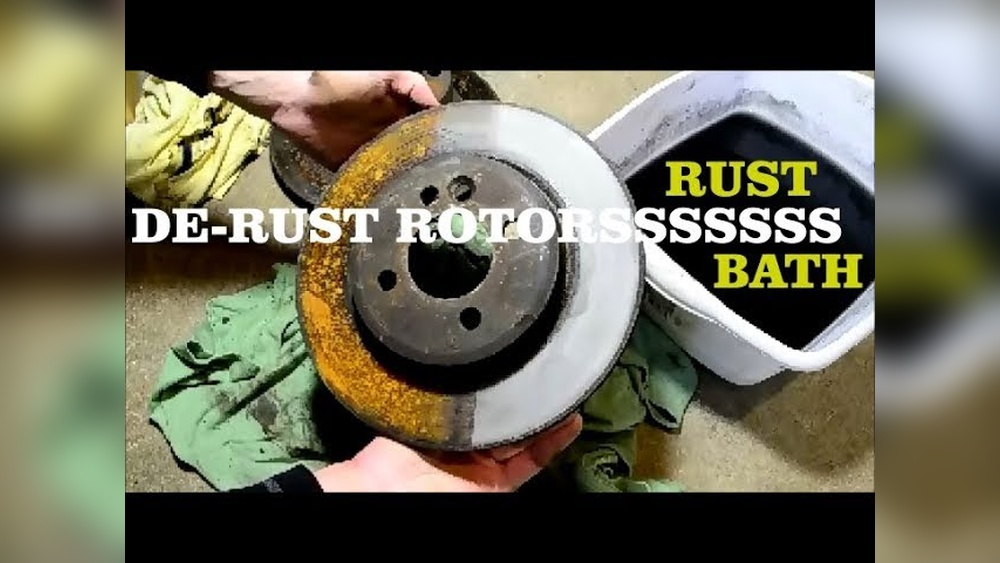
Look at the rotors through the wheels. Deep grooves, cracks, or rust show damage. These signs mean the rotor surface is worn out. Visible damage reduces braking power and calls for rotor replacement.

Credit: www.youtube.com
Factors Affecting Rotor Lifespan
Brake rotors do not last forever. Their lifespan depends on many factors. Knowing these can help you replace them at the right time. This keeps your car safe and your brakes working well.
Driving Habits
How you drive affects rotor wear. Hard braking wears rotors faster. Gentle, steady braking helps rotors last longer. Frequent stop-and-go driving also wears rotors quickly. Long drives with less braking cause less rotor damage.
Road Conditions
Rough or hilly roads strain brake rotors more. Dirt and gravel can cause scratches and wear. Smooth highways put less stress on rotors. Wet or salty roads may cause rust, shortening rotor life.
Brake Pad Quality
Low-quality brake pads wear down rotors fast. Good brake pads reduce rotor damage. Some pads cause more heat, which harms rotors. Choosing the right pads protects your rotors and extends their life.
Typical Replacement Timeframe
Brake rotors wear down over time and need replacement to keep your car safe. Knowing the typical replacement timeframe helps avoid costly damage. It also ensures smooth, reliable braking.
Several factors affect rotor life, including driving style, road conditions, and vehicle type. Despite this, most rotors follow a general lifespan guideline.
Average Mileage Range
Most brake rotors last between 30,000 and 70,000 miles. Normal city driving wears rotors faster due to frequent stops. Highway driving usually extends rotor life because of fewer brakes.
Heavy braking or carrying loads shortens rotor lifespan. Some drivers replace rotors closer to 30,000 miles. Others reach 70,000 miles without issues. Watch for vibration or noise as signs rotors need checking.
Manufacturer Recommendations
Car makers provide specific guidelines on rotor replacement. These depend on the model and brake system type. Always check your owner’s manual for exact advice.
Following manufacturer advice helps maintain warranty and safety. Some brands suggest rotor inspection at regular intervals. Replace rotors earlier if the manual warns about wear limits.

Credit: vatire.com
Steps To Replace Brake Rotors
Replacing brake rotors is key to keeping your car safe. The process needs care and the right steps. This guide breaks down the steps for changing brake rotors clearly. Follow these simple steps to do the job well and avoid damage.
Tools Needed
You need a few basic tools to start. A jack and jack stands lift the car safely. A lug wrench removes the wheel nuts. A socket set is required to take off the caliper bolts. A screwdriver or pry bar helps remove parts. Brake cleaner and a wire brush clean the rotor. Keep a torque wrench ready to tighten bolts correctly.
Removing The Old Rotors
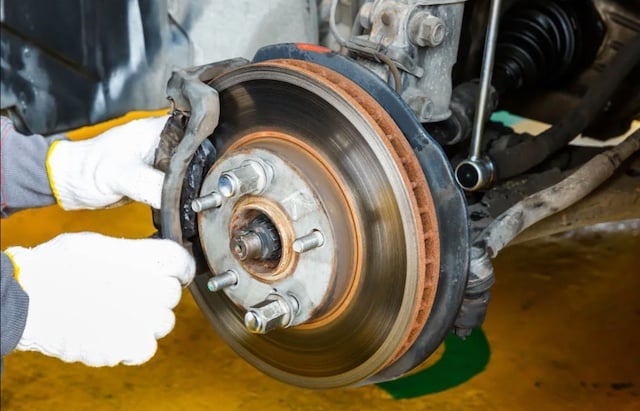
Lift the car and secure it on jack stands. Remove the wheels with the lug wrench. Take off the brake caliper by loosening its bolts. Hang the caliper carefully; do not let it hang by the brake hose. Remove the caliper bracket next. Slide the old rotor off the hub. Use a hammer to tap the rotor if it is stuck. Clean the hub surface with a wire brush before new installation.
Installing New Rotors
Place the new rotor onto the hub. Make sure it fits snugly and sits flush. Reattach the caliper bracket and tighten bolts to the right torque. Put the brake caliper back over the rotor. Secure the caliper bolts firmly. Put the wheel back on and tighten the lug nuts by hand first. Lower the car and fully tighten the lug nuts with the wrench. Pump the brake pedal a few times to reset the brake pads.
Time Required For Replacement
Replacing brake rotors is a task that varies in time depending on several factors. Knowing how long the process takes helps you plan your day. It also prepares you for what to expect during the replacement.
Diy Vs Professional Service
Doing the replacement yourself usually takes longer than a professional. Beginners might spend two to three hours. Experienced DIYers can finish in one to two hours.
Professional mechanics often complete the job in under an hour. They have the right tools and experience. This speed ensures safety and quality work.
Factors Influencing Replacement Duration
Several factors affect how long rotor replacement takes. The car model plays a big role. Some vehicles have easier access to rotors than others.
Rust or stuck bolts can slow down the process. Cleaning and removing old parts take more time. The condition of brake pads also matters.
Finally, the skill level of the person doing the work changes the time needed. More practice means faster, smoother replacements.
Cost Considerations
Replacing brake rotors involves several costs. Understanding these costs helps you plan your budget. Two main expenses affect the total price: the parts and the labor. Both vary depending on your vehicle and location.
Parts Price
Brake rotor prices depend on the type and quality. Standard rotors cost less but wear out faster. Premium rotors last longer but come with a higher price. Your car model also affects rotor cost. Luxury and performance vehicles usually need expensive parts. Always choose rotors that fit your vehicle’s specifications.
Labor Charges
Labor charges depend on the mechanic’s hourly rate. It takes about 1 to 2 hours to replace rotors. Complex vehicles or additional repairs increase labor time. Labor costs vary by region and repair shop. Some shops charge flat fees, others hourly rates. Always ask for a clear estimate before work starts.
Maintaining Brake Rotors
Maintaining brake rotors is essential for safe driving and longer rotor life. Proper care helps avoid costly repairs and ensures smooth braking. Regular attention keeps your car’s brakes working well.
Regular Inspections
Check brake rotors often for wear and damage. Look for cracks, grooves, or rust on the surface. Inspecting early helps catch problems before they get worse. Ask a mechanic to check rotors during routine service.
Proper Driving Techniques
Drive gently to reduce brake wear. Avoid hard stops and sudden braking. Use engine braking by downshifting on hills. Smooth driving lowers heat and stress on rotors, extending their life.
Brake Pad Replacement Timing
Replace brake pads before they wear out completely. Worn pads cause rotors to wear faster and unevenly. Check pads every 10,000 miles or as recommended. Timely pad changes protect your rotors and improve braking safety.
Frequently Asked Questions
How Long Does It Take To Replace Brake Rotors?
Replacing brake rotors typically takes 1 to 2 hours. The exact time depends on your vehicle model and mechanic’s experience. Proper replacement ensures safety and optimal brake performance.
When Should Brake Rotors Be Replaced?
Brake rotors should be replaced if they are warped, cracked, or worn below minimum thickness. Regular inspection during brake service helps identify the need for replacement early.
Can I Drive With Worn Brake Rotors?
Driving with worn brake rotors is unsafe. It causes reduced braking efficiency, vibrations, and potential brake failure. Replace rotors promptly to maintain safe driving conditions.
How Much Does It Cost To Replace Brake Rotors?
Brake rotor replacement costs vary between $150 and $300 per axle. Prices depend on vehicle type, rotor quality, and labor charges at the repair shop.
Conclusion
Brake rotors wear out over time and need regular checks. Most rotors last between 30,000 and 70,000 miles. Signs like vibrations or noise mean it’s time to replace them. Driving safely depends on good brake performance. Don’t wait for problems to get worse.
Routine maintenance helps avoid costly repairs later. Keep an eye on your rotors for smooth, safe stops. Taking care of your brakes protects you and others on the road.