

If you drive a diesel vehicle, you might be wondering how often you should change your diesel fuel filter. This small part plays a big role in keeping your engine running smoothly and protecting it from costly damage.
Ignoring it can lead to poor performance, higher fuel consumption, or even engine failure. You’ll discover the simple signs to watch for and the best schedule to follow for changing your diesel fuel filter. By the end, you’ll know exactly when to take action, saving you time and money while keeping your vehicle in top shape.
Keep reading to find out what every diesel driver needs to know!
Credit: universalautospares.com.au
Why Diesel Fuel Filters Matter
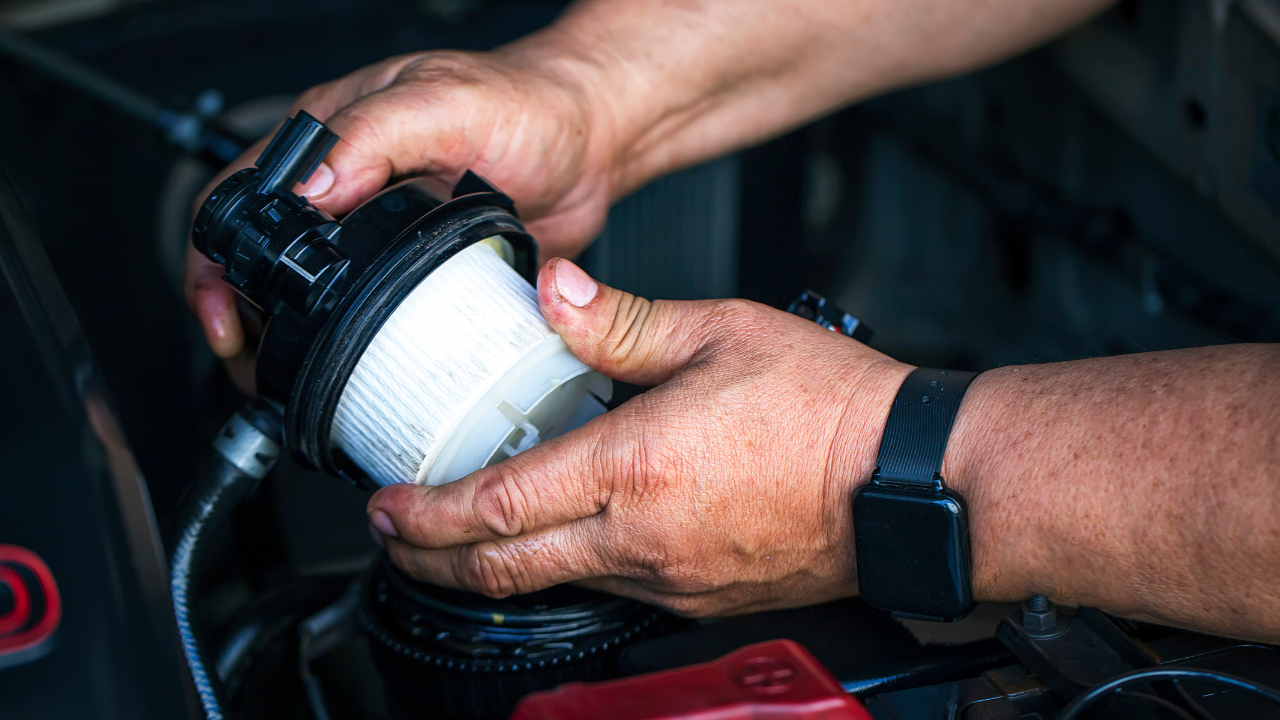
Diesel fuel filters play a key role in keeping your engine healthy. They remove dirt, rust, and other particles from the fuel before it reaches the engine. Clean fuel helps your engine run smoothly and last longer.
Ignoring the fuel filter can cause engine problems and costly repairs. Knowing why diesel fuel filters matter helps you maintain your vehicle better. It also saves you money over time.
Role In Engine Performance
Diesel fuel filters protect the engine by cleaning the fuel. Clean fuel burns better, giving your engine more power. This leads to better fuel efficiency and smoother driving. A clogged filter reduces fuel flow and lowers engine performance.
Preventing Contaminant Damage
Fuel often contains tiny particles and water that harm engine parts. The fuel filter traps these contaminants before they reach the engine. This prevents damage to fuel injectors and other parts. Replacing the filter regularly keeps your engine safe and running well.
Credit: www.bigboxcars.com.au
Signs You Need A New Fuel Filter
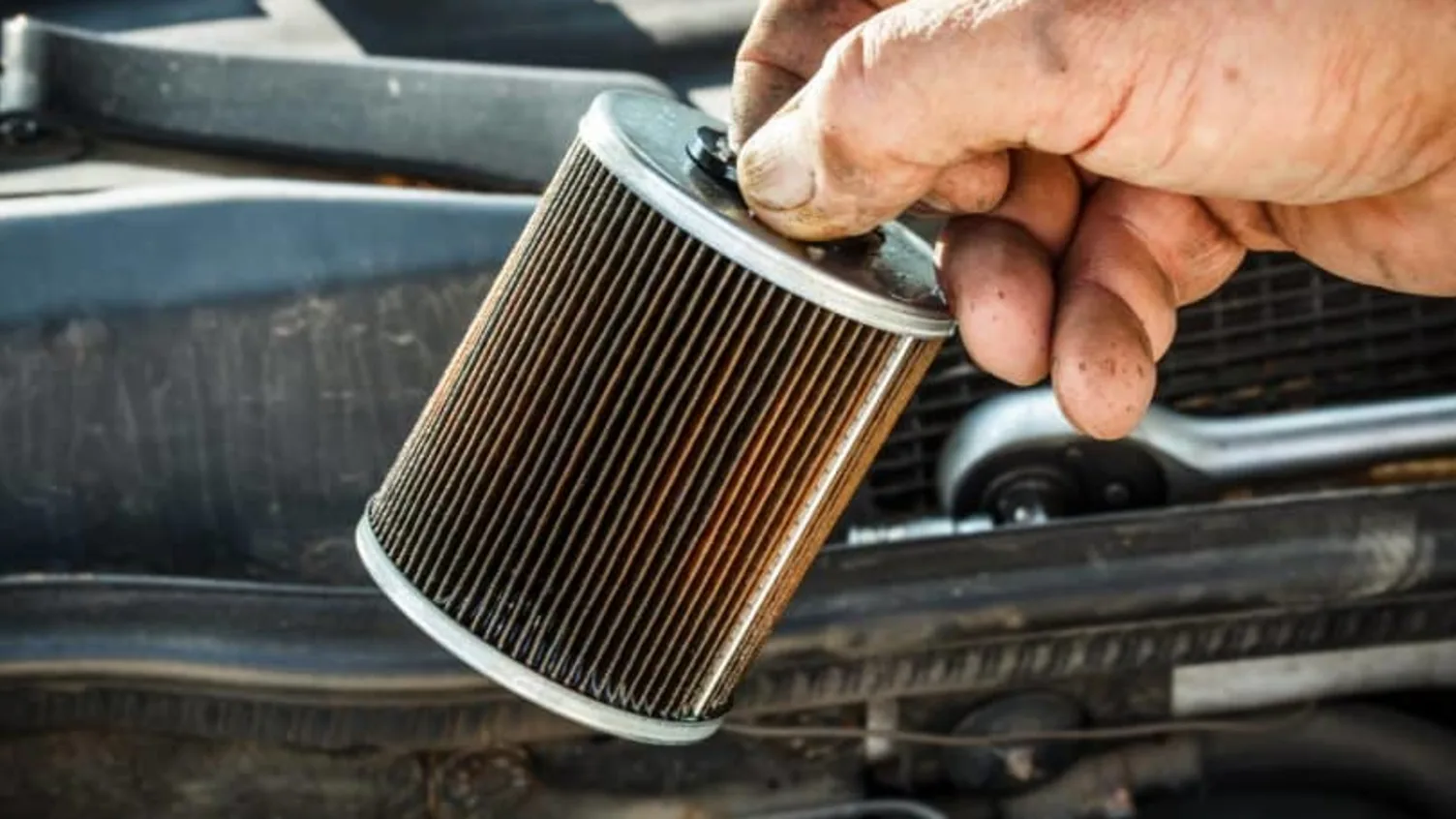
Knowing the signs of a bad diesel fuel filter helps keep your engine healthy. A clogged filter blocks fuel flow. This causes problems in engine performance. Watch for these signs to avoid bigger issues.
Reduced Engine Power
Your engine may lose power during driving. It struggles to reach higher speeds or climb hills. The fuel filter limits fuel supply. Less fuel means less power. This is a clear sign the filter needs change.
Starting Issues
The engine takes longer to start or does not start at all. Fuel struggles to reach the engine. A dirty filter can cause this delay. If starting feels harder than usual, check the fuel filter.
Unusual Engine Noises
Strange sounds like sputtering or knocking can come from the engine. These noises happen when fuel flow is uneven. The fuel filter may be clogged and needs replacement. Listen carefully for these sounds during engine run.
Recommended Change Intervals
Knowing the right time to change your diesel fuel filter keeps your engine running well. Changing it too late can cause dirt to build up. This dirt blocks fuel flow and harms engine parts. Follow the recommended change intervals to avoid trouble.
Manufacturer Guidelines
Check your vehicle’s manual for the exact fuel filter change schedule. Most manufacturers suggest changing the filter every 20,000 to 40,000 miles. Some models may need changes sooner or later. Stick to these guidelines for best engine care.
Impact Of Driving Conditions
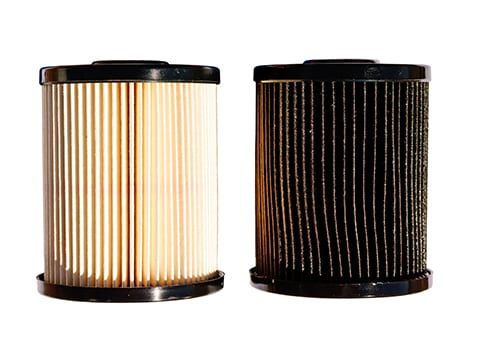
Driving in dusty or rough areas can clog the fuel filter faster. Short trips and stop-and-go traffic also increase wear. In these cases, change the filter more often than the manual suggests. Clean fuel filters help your diesel engine last longer.
Credit: www.waynesautocenter.com
Step-by-step Filter Replacement
Replacing a diesel fuel filter is important for engine health. This step-by-step guide shows how to change the filter safely and correctly. Follow each step carefully to avoid problems. Keep your diesel engine running smoothly.
Tools Required
- New diesel fuel filter
- Wrenches or socket set
- Drain pan
- Gloves
- Rags or paper towels
- Screwdriver (if needed)
- Safety glasses
Safety Precautions
Wear gloves and safety glasses to protect yourself. Work in a well-ventilated area. Avoid open flames or sparks near fuel. Keep a fire extinguisher nearby. Clean up any fuel spills immediately. Turn off the engine and let it cool before starting.
Removing The Old Filter
Place the drain pan under the filter to catch fuel. Loosen the filter using the wrench carefully. Remove the filter by hand once loose. Be ready for fuel to spill out. Dispose of the old filter properly. Clean the filter mounting area with a rag.
Installing The New Filter
Check the new filter for any damage. Apply a small amount of clean diesel or oil to the rubber seal. Screw the new filter onto the mounting by hand. Tighten it with the wrench but do not over-tighten. Prime the filter if your system needs it. Start the engine and check for leaks.
Tips To Extend Fuel Filter Life
Extending the life of your diesel fuel filter helps save money and keeps your engine healthy. A fuel filter traps dirt and debris, protecting the fuel system. Taking simple steps can make the filter last longer and work better.
Small habits in daily care make a big difference in fuel filter health. These tips help avoid early clogging and reduce wear on your engine parts.
Using Quality Fuel
Choose clean, high-quality diesel fuel. Poor-quality fuel contains more impurities that block the filter faster. Always buy fuel from trusted stations. Clean fuel reduces the load on your filter and improves engine performance.
Regular Vehicle Maintenance
Check your fuel filter regularly for signs of dirt and clogging. Follow the service schedule in your vehicle manual. Replace the filter on time to avoid damage. Keep fuel lines and injectors clean. Good maintenance supports the fuel filter and extends its life.
Common Mistakes To Avoid
Changing the diesel fuel filter is important for engine health. Many people make mistakes that shorten filter life. Avoiding these mistakes helps your engine run smoothly.
Ignoring Warning Signs
Diesel engines show signs when the fuel filter clogs. Reduced engine power, hard starting, or rough idling are common warnings. Ignoring these signs can damage the engine. Always check the filter if you notice any problems.
Skipping Scheduled Changes
Fuel filters need regular replacement. Skipping scheduled changes causes dirt buildup inside the filter. This blocks fuel flow and harms engine parts. Follow the manufacturer’s recommended change intervals to keep the engine clean.
Frequently Asked Questions
How Often Should I Change My Diesel Fuel Filter?
Typically, change your diesel fuel filter every 10,000 to 25,000 miles. Check your vehicle manual for exact intervals. Frequent changes prevent clogs and engine damage.
What Are Signs Of A Clogged Diesel Fuel Filter?
Common signs include engine misfires, loss of power, rough idling, and difficulty starting. These symptoms indicate restricted fuel flow, requiring immediate filter replacement.
Can A Dirty Fuel Filter Harm My Diesel Engine?
Yes, a dirty filter limits fuel flow, causing poor engine performance. It may lead to injector damage, reduced fuel efficiency, and costly repairs if ignored.
Is It Possible To Clean Diesel Fuel Filters Instead Of Replacing?
Some filters can be cleaned, but most modern ones require replacement. Cleaning might not remove all contaminants, risking engine damage. Replacement is safer and more effective.
Conclusion
Changing your diesel fuel filter regularly keeps your engine running well. Clean filters stop dirt from damaging parts. Most experts suggest changing it every 10,000 to 15,000 miles. Check your vehicle’s manual for exact advice. Watch for signs like rough idling or poor fuel flow.
Staying on schedule saves money on repairs later. Don’t wait until problems start. A simple filter change protects your engine’s health. Keep your diesel engine strong and efficient with timely care.
