
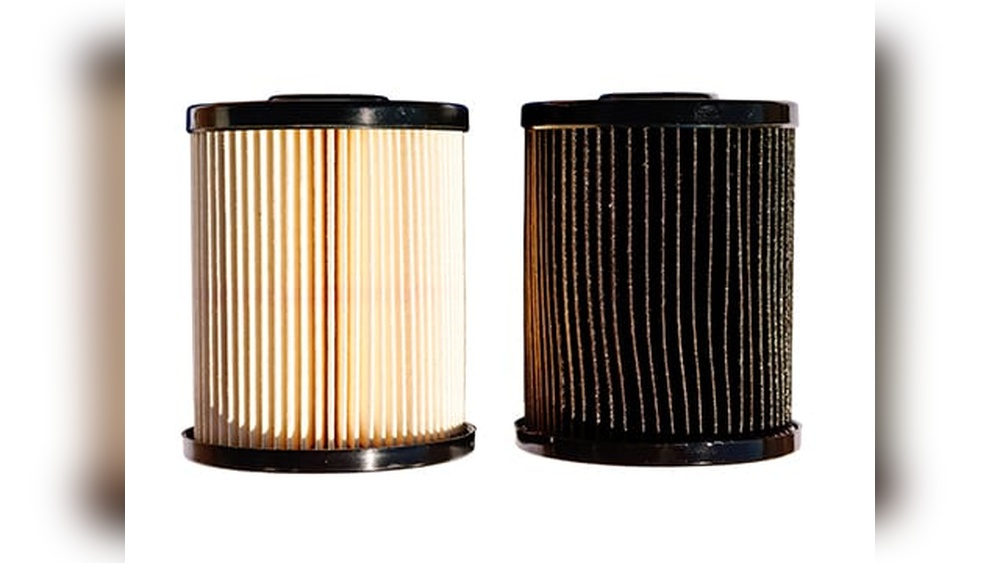
You might not think about your fuel filter often, but it plays a crucial role in keeping your vehicle running smoothly. Wondering how often you need to change your fuel filter?
Ignoring this simple maintenance step can lead to poor engine performance, costly repairs, and even breakdowns. You’ll discover clear answers and easy tips to help you know exactly when to replace your fuel filter—saving you time, money, and hassle down the road.
Keep reading to protect your vehicle and avoid unexpected problems.
Role Of A Fuel Filter
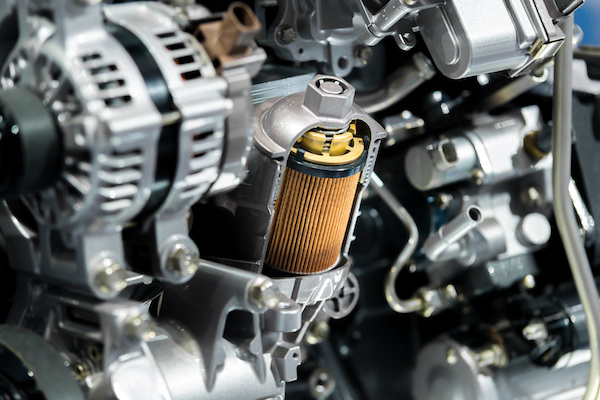
The fuel filter plays an important role in your vehicle’s engine health. It cleans the fuel before it reaches the engine. Dirt, rust, and other particles can enter the fuel tank. Without a fuel filter, these impurities can damage engine parts. A clean fuel filter helps the engine run smoothly and efficiently.
Protecting The Engine
The fuel filter stops dirt and debris from entering the engine. These particles can clog fuel injectors and carburetors. This causes poor engine performance and higher fuel consumption. A clogged fuel filter can lead to engine misfires and stalling. Changing the fuel filter regularly keeps the engine safe and reliable.
Types Of Fuel Filters
There are different types of fuel filters. Some are inside the fuel tank, called in-tank filters. Others are mounted along the fuel line, known as inline filters. Paper, mesh, and charcoal materials are common in fuel filters. Each type has a unique way to trap impurities. The right filter depends on the vehicle model and fuel system.
Signs Of A Clogged Fuel Filter
A clogged fuel filter can harm your vehicle’s engine and overall performance. It blocks fuel flow, causing several noticeable problems. Catching these signs early helps avoid costly repairs. Watch for these common symptoms of a clogged fuel filter.
Engine Performance Issues
The engine may run rough or stall often. It might hesitate during acceleration. You could feel a loss of power while driving uphill. These happen because the engine isn’t getting enough fuel. The clogged filter restricts fuel flow to the engine.
Fuel Efficiency Drop
Your car may use more fuel than usual. The engine works harder due to less fuel supply. This wastes gasoline and lowers miles per gallon. A clogged fuel filter forces the engine to burn extra fuel.
Starting Problems
The car might struggle to start or not start at all. It takes longer to turn on the engine. This happens because fuel is not reaching the engine smoothly. A blocked fuel filter stops fuel from flowing properly.
Recommended Replacement Intervals
Knowing when to replace your fuel filter helps keep your engine healthy. The filter blocks dirt and rust from reaching the engine. Over time, it gets clogged and loses its job. Changing it on time avoids costly repairs and keeps your car running smooth. Let’s explore how often you should change it.
Manufacturer Guidelines
Car makers give clear rules on fuel filter changes. Check your owner’s manual for exact times or mileage. Most suggest replacing the filter every 20,000 to 40,000 miles. Following these helps keep your warranty valid. Stick to these intervals for best engine performance.
Driving Conditions Impact
Harsh roads and dusty areas clog fuel filters faster. Short trips and stop-and-go traffic add strain too. In such cases, change the filter more often than usual. Regular checks can catch early signs of clogging. This avoids poor fuel flow and engine problems.
Vehicle Type Variations
Fuel filter life differs between cars, trucks, and SUVs. Diesel engines often need more frequent changes than gasoline engines. Older vehicles may require more attention to fuel system parts. Always adjust replacement intervals based on your vehicle type and use.
Credit: www.nergersautoexpress.com
Factors Affecting Fuel Filter Life
The life of a fuel filter depends on several factors. These elements affect how long the filter can keep your fuel clean. Knowing these helps you maintain your vehicle better and avoid engine problems. Fuel filters trap dirt and debris to protect your engine. But different conditions can wear them out faster.
Fuel Quality
Fuel quality plays a big role in fuel filter life. Dirty or low-quality fuel clogs the filter quickly. Bad fuel contains more particles and water. This makes the filter work harder. Clean, high-quality fuel helps the filter last longer. Always use fuel from trusted sources.
Mileage And Usage
How often you drive affects the fuel filter’s lifespan. More miles mean the filter traps more dirt. Frequent short trips may also harm the filter. The engine does not reach full temperature, causing fuel residues. Long highway drives tend to be easier on the filter. Regular driving keeps the fuel system cleaner.
Environmental Conditions
Where you drive impacts the fuel filter too. Dusty or sandy areas fill the filter faster. Cold climates can cause fuel to thicken and clog the filter. Humid places may lead to water buildup in fuel. These conditions reduce the filter’s effectiveness. Adjust your filter change schedule based on your environment.
How To Check Your Fuel Filter
Replacing the fuel filter is an important step in car maintenance. The fuel filter stops dirt and debris from entering the engine. Over time, it gets clogged and less effective. This can cause poor engine performance or even damage. Changing the fuel filter at the right time helps keep your engine running smoothly and efficiently.
Diy Replacement Tips
Before starting, make sure your car is cool and parked safely. Locate the fuel filter by checking your car manual. Wear gloves to protect your hands from fuel. Use a wrench to loosen the filter’s clamps carefully. Have a container ready to catch any fuel that spills out. Replace the old filter with a new one in the same position. Tighten the clamps securely but avoid over-tightening. Check for leaks after replacement by running the engine for a few minutes. Dispose of the old filter properly, following local rules.
When To Seek Professional Help
Some cars have fuel filters in hard-to-reach places. If you cannot find the filter or remove it easily, call a mechanic. Fuel systems can be dangerous due to flammable liquids. Strange noises or engine problems after replacement need expert checks. Professionals have the right tools and knowledge to replace filters safely. Regular check-ups with a mechanic help catch filter issues early. Trust experts if you feel unsure about any step during replacement.
Credit: bostechauto.com
Replacing The Fuel Filter
Changing your fuel filter regularly offers clear costs and benefits. It requires spending money on parts and labor. Yet, the advantages often outweigh these expenses. A clean fuel filter keeps your engine running well. It prevents costly repairs and helps your car save fuel. Understanding these benefits can guide your maintenance choices.
Preventing Engine Damage
A clogged fuel filter can let dirt reach the engine. This dirt causes wear and tear on engine parts. Replacing the filter stops this damage early. It protects your engine’s health and extends its life. Avoiding engine problems saves you from expensive repairs later.
Saving On Fuel Costs
A dirty fuel filter reduces fuel flow. Your engine works harder and uses more fuel. Changing the filter helps your car run efficiently. Better fuel use means lower costs at the pump. Regular replacement is a simple way to keep fuel expenses down.

Credit: kbmotorsports.biz
Frequently Asked Questions
How Often Should I Replace My Fuel Filter?
Most experts recommend changing your fuel filter every 20,000 to 40,000 miles. Check your vehicle’s manual for specific intervals. Regular replacement prevents dirt buildup, improving fuel efficiency and engine performance.
What Are Signs Of A Clogged Fuel Filter?
Common signs include engine misfires, reduced power, and stalling. You might also experience hard starts and poor acceleration. If these occur, inspect or replace the fuel filter promptly.
Can A Dirty Fuel Filter Damage My Engine?
Yes, a dirty fuel filter restricts fuel flow, causing engine strain. This can lead to poor combustion and potential engine damage over time. Regular maintenance helps avoid costly repairs.
Is Fuel Filter Replacement Diy-friendly?
Replacing a fuel filter can be DIY-friendly with basic tools and safety precautions. However, some vehicles require professional service due to complex fuel systems. Always consult your vehicle manual before attempting.
Conclusion
Regularly changing your fuel filter keeps your engine healthy and strong. A clean filter helps your car run smoothly and saves money on repairs. Check your vehicle’s manual to know the best time to replace it. Watch for signs like poor performance or trouble starting.
Don’t wait too long—old filters can cause damage. Simple care today means fewer problems tomorrow. Keep your car happy and on the road longer.


