

If you want your vinyl wrap to look flawless and last longer, prepping your plastic surface is the first and most important step. Skipping this can lead to bubbles, peeling, or a finish that just doesn’t stick right.
But don’t worry—getting your plastic ready isn’t as tricky as it sounds. You’ll learn simple, effective ways to clean and prepare your plastic so your vinyl wrap goes on smooth and stays put. Keep reading, and you’ll save time, avoid costly mistakes, and achieve a professional-looking result every time.
Credit: www.youtube.com
Choosing The Right Plastic Surface
Choosing the right plastic surface is key for a smooth vinyl wrap. Not all plastics hold vinyl well. Picking the correct type helps the wrap stick better and last longer. The surface must be clean and free from damage. Knowing which plastics work best saves time and effort. Here are some important points to consider.
Types Of Plastics Suitable For Vinyl Wrap
Plastics like ABS, polypropylene, and polycarbonate are good for vinyl wrapping. These plastics have smooth surfaces that help vinyl stick well. ABS is common in car parts and holds vinyl tightly. Polypropylene is flexible but may need special primers. Polycarbonate is tough and smooth, making it ideal for wraps. Avoid plastics with rough or very textured surfaces. These make it hard for the vinyl to stay in place.
Surface Conditions To Avoid
Do not wrap plastics with dirt, oil, or grease on them. These substances stop the vinyl from sticking properly. Avoid surfaces with cracks, scratches, or deep marks. Vinyl may not cover damage evenly. Surfaces that are too shiny or glossy can cause poor adhesion. Rough or bumpy plastics are not good choices. Make sure the plastic is dry and free of dust before wrapping.
Credit: metrorestyling.com
Cleaning The Plastic Surface
Cleaning the plastic surface is a key step before applying vinyl wrap. Dirt, grease, and dust can prevent the vinyl from sticking well. A clean surface helps the wrap stay smooth and last longer. Take your time to clean every part of the plastic. This ensures a strong bond between the plastic and the vinyl wrap.
Removing Dirt And Grease
Start by wiping the plastic with a dry cloth to remove loose dirt. Use a soft cloth with warm water and soap to clean the surface. Focus on spots with visible grease or grime. Rub gently to avoid scratching the plastic. Rinse the cloth often to avoid spreading dirt. Dry the surface completely before moving on.
Best Cleaning Agents To Use
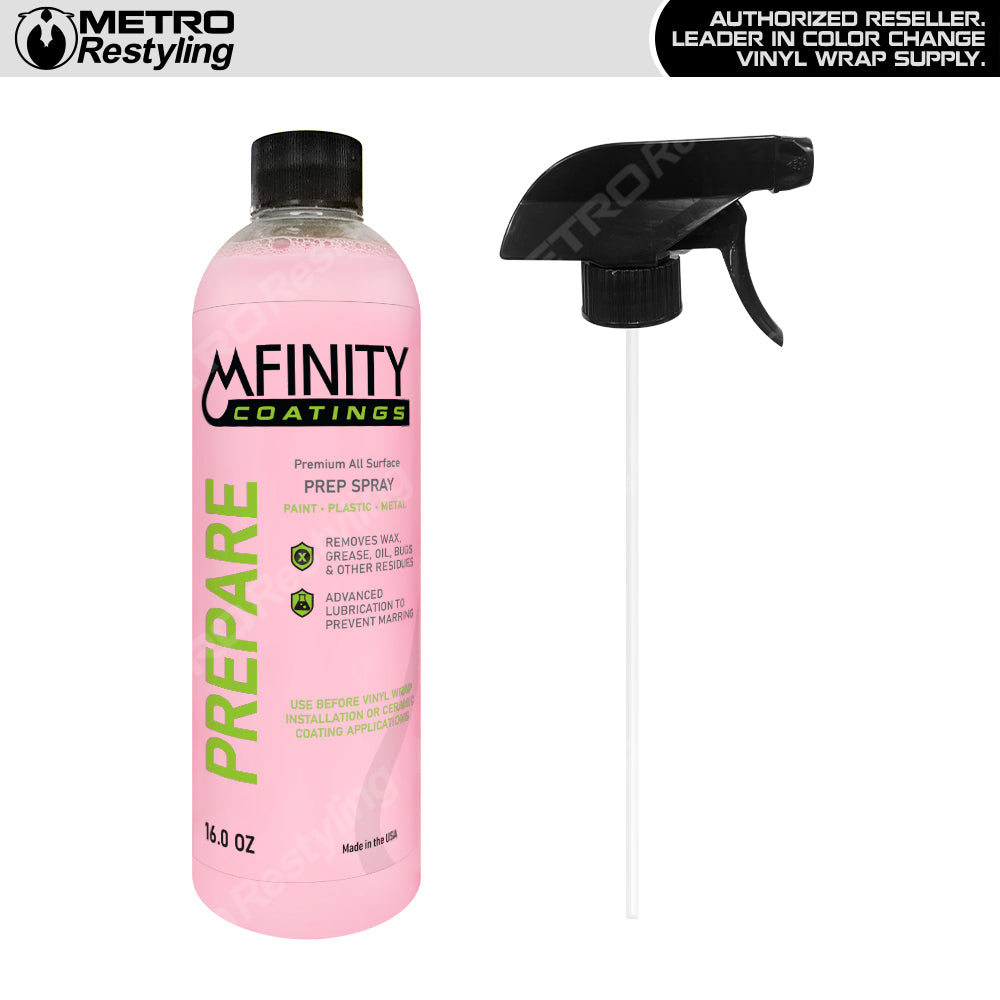
Use mild soap or dish detergent mixed with water for regular cleaning. Avoid harsh chemicals that can damage the plastic. Isopropyl alcohol works well to remove grease and oils. Apply it with a clean cloth and wipe the surface. Avoid using acetone or strong solvents. They can cause discoloration or melt the plastic.
Sanding And Smoothing
Sanding and smoothing plastic is a key step before applying vinyl wrap. It helps the vinyl stick better and last longer. This process removes any rough spots and cleans the surface. A smooth, even surface makes the wrap look neat and professional. Proper sanding also prevents bubbles and peeling later on.
When To Sand Plastic
Sanding is needed if the plastic surface is shiny or very smooth. New plastic parts often have a glossy finish. This finish can stop the vinyl from sticking well. Older plastic may have dirt or rough patches that need smoothing. Sanding is also helpful after cleaning the surface. It ensures the wrap holds tight and stays in place.
Sanding Techniques For Better Adhesion
Start with fine-grit sandpaper, around 400 to 600 grit. Sand gently in a circular motion. Avoid sanding too hard to prevent damage. After sanding, wipe the surface with a clean cloth. Use a degreaser or rubbing alcohol to remove dust and oils. Let the surface dry completely before applying vinyl. This method creates a rough texture that helps the vinyl grip better.
Using Primers And Adhesion Promoters
Using primers and adhesion promoters is key to preparing plastic surfaces for vinyl wrap. These products help the vinyl stick better and last longer. Plastics often have smooth or slick surfaces that make vinyl peel off easily. Primers and adhesion promoters create a rougher surface or a sticky layer for the vinyl to hold onto.
Applying the right primer or adhesion promoter ensures the wrap stays in place. It also prevents bubbles, wrinkles, and lifting. Choosing the correct type and applying it properly can save time and effort during installation.
Types Of Primers For Plastic
There are several primers designed for plastic surfaces. Some primers work by lightly etching the plastic, improving grip. Others add a thin adhesive layer that bonds well with vinyl.
Common types include:
- Plastic Adhesion Primers: Specially made for smooth plastics like polypropylene or ABS.
- Etching Primers: Create a slightly rough surface for better mechanical bonding.
- Multi-Surface Primers: Suitable for various plastics but less strong than specific ones.
Choose a primer that matches the plastic type. Always check the product label for compatibility.
Application Tips For Adhesion Promoters
Clean the plastic surface thoroughly before applying any promoter. Dirt or oil reduces adhesion significantly. Use isopropyl alcohol or a plastic-safe cleaner for best results.
Apply a thin, even layer of adhesion promoter. Too much product can cause uneven bonding or streaks. Use a soft cloth or applicator to spread it smoothly.
Allow the promoter to dry completely. This usually takes a few minutes but check the instructions. Avoid touching the surface after application to keep it clean.
Apply the vinyl wrap soon after the promoter dries. This ensures maximum stickiness and durability.
Temperature And Environment Considerations
Preparing plastic for vinyl wrap needs care about temperature and environment. These factors affect how well the vinyl sticks and lasts. A clean, controlled space helps avoid bubbles and peeling. Proper temperature keeps the plastic surface ready for the wrap. Understanding these details improves your wrapping results.
Ideal Temperature Range
Keep the workspace between 60°F and 80°F (15°C to 27°C). Too cold makes the vinyl stiff and hard to apply. Too hot can cause the vinyl to stretch or lose grip. The plastic surface also needs to be at this temperature range. This ensures the adhesive works well and stays strong.
Humidity And Dust Control
Humidity should be low, around 50% or less. High moisture can stop the vinyl from sticking properly. It can cause bubbles and wrinkles under the wrap. Dust and dirt must be removed before starting. Small particles create bumps and weak spots in the wrap. Use a clean, dry room to get the best finish.
Final Inspection Before Wrapping
Before applying vinyl wrap on plastic, a final inspection is very important. This step ensures the surface is perfect for the wrap to stick well. Even small dust or moisture can cause problems later.
Take your time to check every part carefully. This helps avoid bubbles, wrinkles, or peeling after the wrap is applied. A clean, dry surface will give the best results and a smooth finish.
Checking For Residue And Imperfections
Look closely at the plastic surface for any dirt, grease, or leftover cleaning products. These can stop the vinyl from sticking properly. Use a soft cloth and a gentle cleaner to remove any residue.
Check for scratches, cracks, or bumps. These can show under the vinyl or cause the wrap to lift. Smooth out rough spots or fill holes before wrapping. A flawless surface is key to a strong bond.
Ensuring Surface Is Dry And Ready
Make sure the plastic is completely dry before starting. Even a little moisture can trap air and cause bubbles. Use a dry cloth or let the surface air dry fully.
Touch the surface with your hand to feel for any damp spots. If it feels cold or sticky, it needs more drying time. Only start wrapping once the plastic is dry and clean.

Credit: www.turtlewax.com
Frequently Asked Questions
How Do I Clean Plastic Before Vinyl Wrapping?
Clean plastic with soap and water, then dry it completely. Remove grease or oils using isopropyl alcohol. This ensures the vinyl adheres well without bubbles or peeling.
What Plastic Types Work Best For Vinyl Wrap?
Smooth, hard plastics like ABS and polycarbonate are ideal. Avoid textured or soft plastics, as vinyl may not stick properly or last.
Should I Sand Plastic Before Applying Vinyl Wrap?
Lightly sanding with fine-grit sandpaper helps the vinyl grip better. Be gentle to avoid damaging the plastic surface and ensure a smooth finish.
How Long Should Plastic Dry Before Vinyl Application?
Allow the plastic to dry fully after cleaning, at least 30 minutes. Any moisture can cause adhesion problems or bubbles under the vinyl.
Conclusion
Preparing plastic for vinyl wrap takes patience and care. Clean the surface well to remove dirt and grease. Use a plastic primer to help the vinyl stick better. Make sure the plastic is dry before applying the wrap. Avoid rushing the process to prevent bubbles and wrinkles.
A smooth surface ensures a long-lasting, neat finish. Follow these steps to get the best results every time. Now, your vinyl wrap will look sharp and stay in place. Simple preparation leads to a professional-looking wrap that lasts.


