

You just got a new car, and it looks amazing. But now you’re wondering, how often should you polish and wax it to keep that shine?
It’s a question many car owners ask because the right care can make your car look brand new for years. If you want to protect your investment and keep your ride turning heads, knowing the perfect timing for polishing and waxing is key.
Keep reading, and you’ll discover simple tips to maintain your car’s finish without spending too much time or effort.
Credit: www.chipsaway.co.uk
Frequency Of Polishing And Waxing
Knowing how often to polish and wax your new car keeps it looking fresh. Regular care protects the paint and adds shine. The frequency depends on several factors and can vary by season and climate. Understanding these helps set a good schedule for your car care.
Factors Influencing Schedule
How often you polish and wax depends on your car’s use. Cars driven daily may need more frequent waxing than those used less. The type of polish and wax also matters. Some products last longer and protect better. The car’s color and paint type affect how often polishing is needed. Dark colors show scratches easier, needing more care. Your budget and time also influence your schedule.
Seasonal Considerations
Different seasons affect your car’s paint differently. Winter salt and grime require more frequent washing and waxing. Summer sun can fade paint and dry wax faster. Spring and fall bring pollen and rain that may damage the finish. Adjust your polishing and waxing routine to match the season. Wax more before winter and summer for extra protection.
Climate Impact
Climate plays a big role in car care frequency. Dry, sunny areas cause paint to fade and wax to wear off quickly. Humid and rainy climates can lead to rust and dirt buildup. Coastal areas need more care due to salt in the air. Cold climates with snow and salt require frequent washing and waxing. Match your polishing and waxing schedule to your local weather conditions.

Credit: www.bowmanchevy.com
Difference Between Polishing And Waxing
Polishing and waxing are two key steps in car care. Many people confuse them as the same thing. They actually serve different purposes and happen at different times. Knowing the difference helps keep your new car looking fresh and shiny for longer.
Purpose Of Polishing
Polishing removes tiny scratches and surface imperfections. It smooths the paint by taking off a thin layer. This step restores the car’s shine and makes the paint look new. Polishing also prepares the surface for waxing. It is not done often, only when the paint needs fixing.
Purpose Of Waxing
Waxing protects the car’s paint from dirt, water, and sunlight. It creates a shiny layer on top of the paint. Wax keeps the paint safe from damage and makes cleaning easier. Wax is applied more often than polish to maintain the car’s look and protection.
When To Use Each
Use polish only when the paint looks dull or scratched. This might be every few months or less. Use wax regularly, about every one to two months. Waxing keeps your car protected and shiny between polishes. Polishing and waxing together keep your new car in great shape.
Choosing The Right Products
Choosing the right products for polishing and waxing your new car helps protect its paint. The right choices keep your car shiny and safe from dirt and damage. Some products work better on new cars, so knowing their types and ingredients is important.
Using good products saves time and gives better results. It also prevents harm to the car’s surface. Learn about different polishes and waxes to pick what fits your needs.
Types Of Polishes
Polishes remove small scratches and smooth the paint surface. There are abrasive polishes and non-abrasive types. Abrasive polishes work well for older cars with many scratches. Non-abrasive polishes are safer for new cars. They enhance shine without damaging paint. Choose polish based on your car’s paint condition.
Types Of Waxes
Waxes protect the paint and add a glossy finish. Carnauba wax is natural and gives a deep shine. Synthetic wax lasts longer and resists water better. Some waxes combine both for balanced benefits. Use wax often to keep your car’s shine fresh and protected.
Product Ingredients To Avoid
Avoid products with harsh chemicals like ammonia or strong solvents. These can strip wax and damage paint. Stay clear of abrasive particles in wax or polish for new cars. Silicone-based products can leave residue and attract dirt. Pick products with gentle, safe ingredients for best care.
Step-by-step Polishing And Waxing Guide
Polishing and waxing your new car keeps it shiny and protects the paint. Follow this step-by-step guide to get the best results. Each step helps your car look fresh and clean.
Take your time with every stage. The better you polish and wax, the longer your car stays beautiful.
Preparing The Car Surface
Start with a clean car. Wash it thoroughly to remove dirt and dust. Use car shampoo and water for a gentle clean. Dry the car with a soft towel to avoid water spots.
Check the surface for scratches or marks. Use a clay bar to remove any stuck particles. This makes the surface smooth and ready for polishing.
Applying Polish Correctly
Choose the right polish for your car’s paint. Apply a small amount on a foam applicator or cloth. Work on one small section at a time.
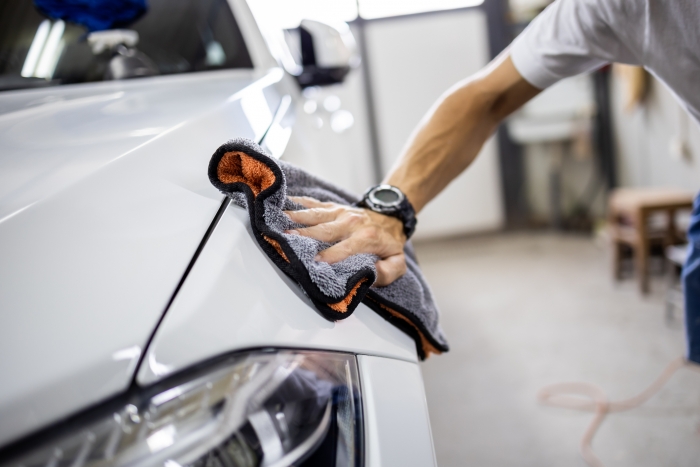
Rub the polish in gentle, circular motions. Keep applying until the polish starts to clear. Use a clean microfiber cloth to buff the area. This removes residue and brings out shine.
Wax Application Techniques
Pick a quality wax that suits your car’s finish. Apply wax in thin, even layers using a soft applicator pad. Cover one panel at a time for best results.
Let the wax dry until it looks hazy. Then, buff it off with a clean microfiber towel. This step seals the polish and protects the paint.
Repeat waxing every few months to keep the shine strong. Regular waxing helps your car resist dirt and damage.
Signs Your Car Needs Polishing Or Waxing
Knowing when to polish or wax your new car helps keep its shine and protect the paint. Cars face dirt, sun, and weather daily. These factors can dull the finish or cause damage over time. Watch for signs that tell you it is time for care.
Dull Or Faded Paint
Bright, shiny paint looks healthy. When the paint looks dull or faded, it loses its glow. Polishing can remove light scratches and restore the shine. Waxing adds a protective layer that keeps the paint vibrant longer.
Water Beading Issues
Water should bead up and roll off the car’s surface easily. If water spreads out or forms flat spots, the wax layer may be gone. This means the paint is less protected. Applying wax helps water slide off and protects the paint from damage.
Surface Contaminants
Dirt, dust, bird droppings, and tree sap stick to the car’s surface. These contaminants can harm the paint if left too long. Polishing removes these stubborn spots and smooths the surface. Waxing creates a shield against future contaminants.
Common Mistakes To Avoid
Polishing and waxing a new car can keep it looking fresh and shiny. But some mistakes can harm your car’s paint instead of helping. Avoid these errors to protect your vehicle and enjoy a great finish for longer.
Over-polishing Risks
Polishing too often wears down the clear coat on your car. This thin layer protects the paint from damage. Too much polishing makes the paint thin and weak. It can cause dull spots and scratches. Save polishing for when the surface really needs it.
Waxing Too Often
Wax creates a protective layer on your car’s surface. But waxing every week is not necessary. Over-waxing can cause buildup, making the paint look cloudy. Waxing once every two to three months is enough. This keeps your car shiny without causing problems.
Using Harsh Products
Some products contain strong chemicals that damage your car’s paint. Avoid abrasive or acidic cleaners. Use products made for car paint only. Gentle waxes and polishes protect without harm. Always test a small area first to be safe.
Maintaining Shine Between Treatments
Maintaining the shine of your new car between polish and wax treatments keeps it looking fresh. It protects the paint and extends the life of your work. Simple daily care helps avoid dirt buildup and dullness. Small actions add up to a great shine every day.
Here are key steps to keep your car bright and clean until the next full treatment.
Regular Washing Tips
Wash your car regularly to remove dust and grime. Use a gentle car shampoo, not household cleaners. Rinse with clean water before washing to avoid scratches. Use a soft sponge or microfiber cloth for washing. Dry your car with a soft towel to prevent water spots.
Quick Detailers
Quick detailers help remove light dirt and fingerprints fast. Spray a small amount on the surface and wipe with a microfiber cloth. These products add a thin protective layer and boost shine. Use quick detailers between washes for a fresh look.
Protective Measures
Park your car in the shade to reduce sun damage. Use a car cover if parking outside for long periods. Avoid parking under trees where sap and bird droppings fall. Clean off bird droppings and bugs quickly to protect the paint. Regular care stops damage and keeps the shine strong.

Credit: stonercarcare.com
Frequently Asked Questions
How Often Should I Polish My New Car?
Polish your new car every 3 to 6 months. This removes minor scratches and maintains paint shine. Over-polishing can damage the clear coat, so avoid excessive polishing.
When Is The Best Time To Wax A New Car?
Wax your new car every 2 to 3 months. Wax protects the paint from UV rays and contaminants. Apply wax in a shaded, cool area for best results.
Can Polishing Replace Waxing On A New Car?
Polishing and waxing serve different purposes. Polishing removes imperfections, while waxing adds protection. Both are needed for optimal paint care but used at different intervals.
How Does Waxing Protect A New Car’s Paint?
Wax creates a protective barrier against dirt, water, and UV rays. This helps maintain the car’s shine and prevents paint damage. Regular waxing keeps the paint looking fresh longer.
Conclusion
Polishing and waxing your new car keeps its shine and protects the paint. Aim to polish every six months to remove small scratches. Wax your car every three months for a strong protective layer. Regular care helps your car look new longer.
Don’t wait for dirt or damage to appear. Simple steps now save you money later. Your car will thank you with a bright, smooth finish. Keep a routine. Enjoy the pride of a well-kept vehicle.


