

You just bought a shiny new car, and you want to keep it looking flawless. But how often do new cars actually need to be waxed?
You might think that because it’s new, it doesn’t need much care—but that’s not the full story. Waxing your car regularly protects its paint, keeps it gleaming, and even helps maintain its value. You’ll discover the right waxing schedule for your new ride, simple tips to make the process easy, and why skipping this step could cost you more in the long run.
Keep reading to learn how to keep your car looking brand new every day.

Credit: www.jdpower.com
Why Waxing Matters
Waxing your new car is more than just keeping it shiny. It plays a key role in protecting and maintaining your vehicle’s look and value. Regular waxing forms a barrier that guards the paint from harm. It also makes your car look bright and fresh. Understanding why waxing matters helps you care better for your new car.
Protecting Your Car’s Paint
Car paint faces many threats every day. Sunlight can fade colors and make paint weak. Dirt and dust can scratch the surface. Wax creates a protective layer that stops these problems. It keeps the paint safe from damage and helps it last longer. This protection saves you money on repairs and repainting.
Enhancing Shine And Appearance
Waxing adds a deep, rich shine to your car. It brings out the true color and makes the surface smooth. A shiny car looks clean and well cared for. This shine also hides minor scratches and imperfections. Wax keeps your car looking new and attractive for a longer time.
Preventing Damage From Elements
Rain, snow, and pollution can hurt your car’s paint. Acid rain and bird droppings cause stains and corrosion. Wax acts like a shield against these elements. It prevents water spots and reduces damage from harsh weather. A well-waxed car stays protected no matter the season.

Credit: www.drbeasleys.com
Waxing Frequency For New Cars
Waxing a new car keeps its paint shiny and safe from damage. It creates a protective layer that blocks dirt, rain, and sunlight. Knowing how often to wax helps keep the car looking fresh and new for a long time.
Manufacturer Recommendations
Car makers often suggest how often to wax their vehicles. Usually, new cars need waxing every three to six months. Some brands offer special coatings that last longer and need less waxing. Always check the owner’s manual for exact advice.
Factors Influencing Waxing Schedule
Several things affect how often to wax a new car. Driving in harsh weather or dusty areas means waxing more often. Parking outside under the sun also wears the wax faster. How often you wash the car plays a role too. More washing can strip wax away quicker.
Seasonal Considerations
Seasons change the car’s waxing needs. Summer sun can fade the paint, so waxing more often helps. Winter brings salt and moisture that damage paint, increasing wax needs. Spring and fall are good times to apply fresh wax for extra protection.
Types Of Car Wax
Car wax protects your vehicle’s paint and keeps it shiny. Different types of wax offer various benefits. Knowing these helps you choose the best one for your car. Wax types vary by ingredients and form. Some last longer, while others are easier to apply. Here is a breakdown of the main types of car wax.
Natural Vs Synthetic Waxes
Natural waxes come from carnauba, a plant-based ingredient. They provide a deep, warm shine. Natural waxes often need more frequent application. Synthetic waxes are made from polymers and chemicals. They last longer and protect better against dirt and rain. Synthetic waxes may not give the same shine as natural ones. Both types protect your car but differ in look and durability.
Spray, Paste, And Liquid Options
Wax comes in spray, paste, and liquid forms. Spray wax is quick and easy to use. It suits touch-ups and light protection. Paste wax is thick and durable. It takes more time but offers strong protection. Liquid wax is simple to apply and removes easily. It balances ease and protection. Choose a form that fits your time and skill.
Choosing The Right Wax For Your Car
Consider your car’s color and condition. Dark cars show swirl marks more easily. Natural wax can enhance dark colors well. Synthetic wax suits older cars with worn paint. Think about how often you wax. Spray wax works well for regular quick care. Paste or liquid wax fits for deeper protection. Match wax type to your needs and habits.
Signs Your Car Needs Waxing
Knowing when your car needs waxing helps keep its paint fresh and protected. Waxing adds a shiny layer and guards against dirt and damage. Watch for clear signs that your car’s wax is wearing off. These signs tell you it’s time to wax again.
Loss Of Shine
Your car looks dull instead of bright and glossy. The paint no longer reflects light well. This fading shine is a key sign your wax layer has worn away. Wax brings out the color and gloss in your car’s paint.
Water Beading Reduction
Water droplets stop forming small beads on the surface. Instead, water spreads out flat and sticks to the paint. Wax causes water to bead up and roll off easily. Less beading means the wax protection is fading.
Surface Texture Changes
The car’s surface feels rough or sticky instead of smooth. Dirt and dust may cling to it more than usual. Wax creates a slick, smooth layer over the paint. A change in texture shows the wax is no longer doing its job.
Waxing Tips For Best Results
Waxing your new car keeps its paint shiny and protected. Doing it right helps the wax last longer. Follow these simple tips for the best results. Proper preparation and careful application matter a lot. A good buffing finish brings out the shine and smoothness. These steps make waxing easier and more effective.
Preparing The Car Surface
Start with a clean car. Wash it well to remove dirt and dust. Dry the surface completely with a soft cloth. Check for any scratches or marks. Fix small scratches before waxing. The surface must be smooth and clean for wax to stick well.
Applying Wax Properly
Use a small amount of wax on a foam applicator. Spread the wax in small, even circles. Cover one section of the car at a time. Avoid putting too much wax. Thin layers work better and dry faster. Follow the instructions on the wax product carefully.
Buffing Techniques
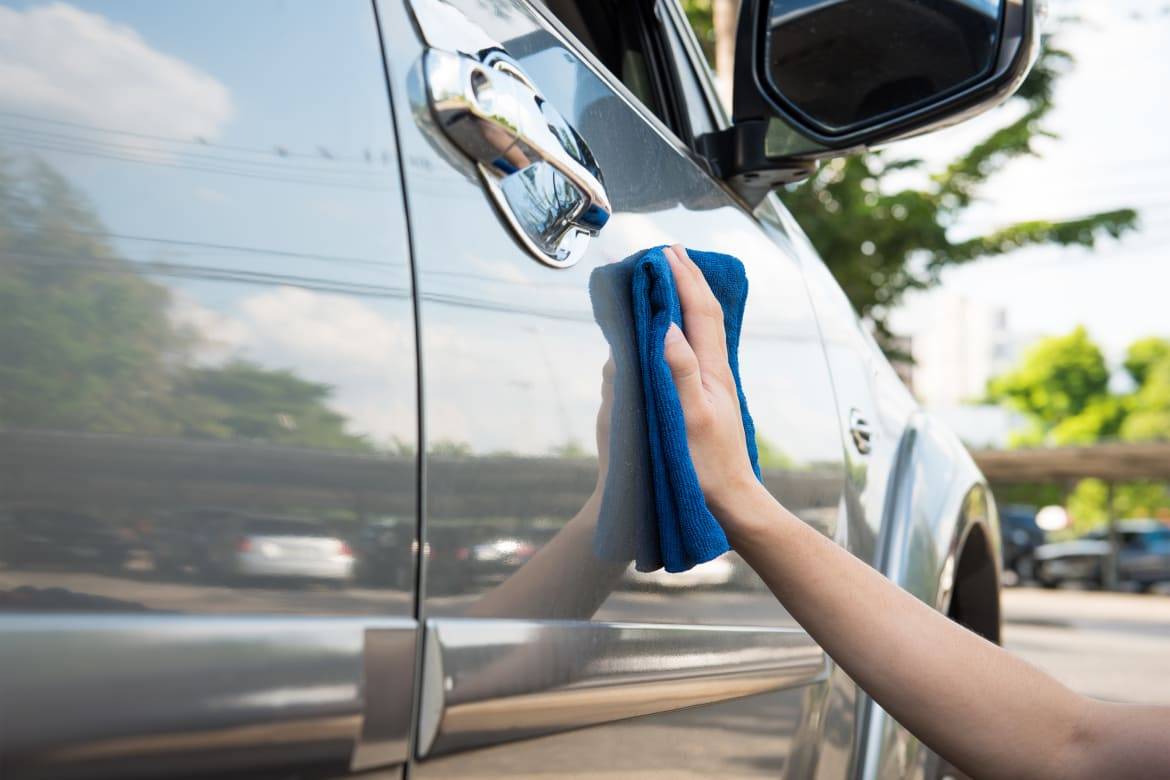
Wait until the wax dries and looks hazy. Use a clean microfiber cloth to buff the surface. Buff gently in circular motions. Do not press too hard to avoid scratches. Keep buffing until the shine appears. This step brings out the best gloss and smooth feel.
Common Waxing Mistakes To Avoid
Waxing a new car protects its paint and keeps it shiny. Many car owners make common mistakes that reduce wax effectiveness. Avoiding these errors helps your car look great longer. Here are some common waxing mistakes to avoid.
Waxing Too Often Or Too Rarely
Waxing your car too often can cause buildup. This buildup dulls the paint instead of protecting it. On the other hand, waxing too rarely leaves the paint exposed. Dirt and UV rays can damage the finish without wax. Find a balanced schedule to keep your car’s shine safe.
Using The Wrong Products
Not all wax products suit every car type. Some waxes are too harsh for certain paint finishes. Others may not provide enough protection. Using the wrong product can harm your car’s paint. Choose waxes that match your car’s needs and finish.
Ignoring Environmental Factors
Environmental conditions affect how often you should wax. Cars in hot, sunny areas need waxing more often. Rain, snow, and pollution also wear down wax faster. Clean your car regularly to remove dirt and salt. Adjust waxing frequency based on where you live.
Alternatives To Traditional Waxing
Waxing your new car keeps it shiny and protected. Traditional waxes work well but need frequent reapplication. Many car owners explore other options that last longer and offer better protection. These alternatives can save time and effort while keeping the paint safe. Understanding these options helps you choose the best care for your vehicle.
Sealants And Coatings
Sealants are synthetic products that protect car paint. They create a strong barrier against dirt and water. Sealants last longer than traditional wax, usually up to six months. They are easy to apply and give a glossy finish. Coatings are a bit different. They bond with the paint to form a harder layer. This layer protects against scratches and UV damage. Both sealants and coatings need less frequent care than wax.
Ceramic Protection
Ceramic protection uses liquid polymers to shield paint. It bonds tightly with the car surface. This creates a very durable and shiny finish. Ceramic coatings can last for years with proper care. They repel water, dirt, and chemicals effectively. Applying ceramic protection requires careful preparation and some skill. Many people choose professional installation for best results. This option offers strong defense against daily wear.
Pros And Cons Compared To Wax
Wax is easy to apply and affordable. It gives a deep shine but lasts only a few weeks. Sealants last longer and need less work. They may not shine as deeply as wax. Ceramic coatings offer the longest protection and high gloss. They cost more and take more time to apply. Wax is best for quick, regular shine. Sealants and ceramics suit those wanting longer protection. Choose based on your budget and how much time you have.
Credit: www.cars.com
Frequently Asked Questions
How Often Should New Cars Be Waxed For Best Protection?
New cars should be waxed every three to four months. This frequency maintains the paint’s shine and adds a protective layer. Regular waxing guards against UV rays, dirt, and water damage, keeping your car looking new longer.
Does Waxing Improve A New Car’s Paint Durability?
Yes, waxing enhances paint durability by creating a protective barrier. It helps prevent fading, oxidation, and minor scratches. Waxing a new car regularly extends the lifespan of the paint finish, keeping it vibrant and smooth.
Can Frequent Waxing Damage A New Car’s Paint?
No, frequent waxing does not damage new car paint if done correctly. Using quality wax and proper techniques ensures the paint remains safe and protected. Over-waxing with harsh products can cause buildup, so moderate waxing is best.
Is Waxing Necessary If The Car Has A Clear Coat?
Yes, waxing is still necessary for clear-coated cars. Clear coats protect the paint but can lose shine over time. Waxing adds extra protection and keeps the surface glossy and smooth, enhancing the overall appearance.
Conclusion
New cars need waxing to keep their shine and protect the paint. Wax every three to four months for the best results. This helps prevent dirt, water spots, and fading from sun damage. Regular waxing also makes washing easier and keeps the car looking new longer.
Don’t wait until the paint feels rough or looks dull. A simple wax job keeps your car fresh and protected all year. Taking a little time for waxing pays off with a beautiful, lasting finish.


