

Have you ever wondered how often you need to charge your hybrid car? If you’re thinking about switching to a hybrid or already own one, knowing the charging routine can save you time and hassle.
You might be surprised to learn that charging frequency depends on how you use your car and the type of hybrid you drive. Understanding this can help you get the most out of your vehicle while keeping your daily routine smooth.
Keep reading to discover the simple facts that will make charging your hybrid car easy and stress-free.

Credit: store.autelenergy.com
Hybrid Car Charging Basics
Understanding hybrid car charging basics helps you know how often to charge your vehicle. Hybrid cars use a mix of gasoline and electric power. This mix changes how often you need to charge the battery. Knowing the types of hybrid cars, how charging works, and the battery range makes charging easier.
Types Of Hybrid Cars
There are three main types of hybrid cars. First, mild hybrids. They use a small electric motor to help the engine. They do not need to be plugged in. Next, full hybrids. They can run on electric power alone for short distances. They recharge the battery using the engine and braking. Lastly, plug-in hybrids. These have larger batteries. You must plug them in to charge.
How Charging Works
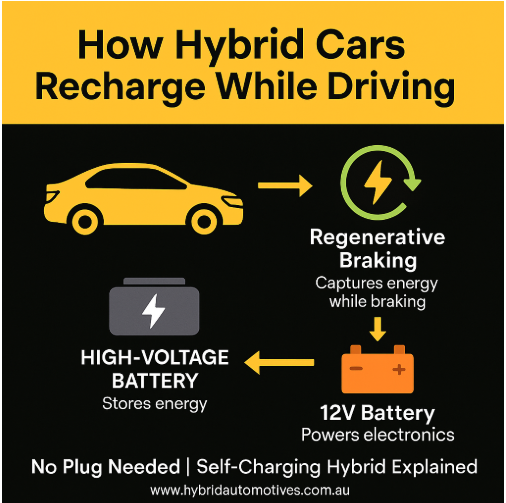
Charging depends on the type of hybrid car. Mild and full hybrids recharge their batteries while driving. The electric motor uses energy from braking and the engine. Plug-in hybrids need an external power source. You charge them at home or public stations. Charging time varies by charger strength and battery size.
Battery Capacity And Range
Battery size affects how far the car can go on electric power. Mild hybrids have small batteries and short electric range. Full hybrids have medium batteries and can drive a few miles electric only. Plug-in hybrids have larger batteries and can drive 20 to 50 miles on electricity. After the electric range ends, the gasoline engine starts.
Charging Frequency Factors
Charging frequency for hybrid cars depends on several key factors. These factors affect how often you need to plug in your vehicle. Understanding them helps you manage your car’s battery better. The main elements include your driving habits, the battery size, and the environment where you drive.
Driving Habits Impact
Your daily driving style changes how quickly the battery drains. Short trips often use more electric power. Long trips may rely more on the gasoline engine. Frequent stop-and-go traffic can increase battery use. Smooth, steady driving saves battery power and extends time between charges.
Battery Size Variations
Batteries come in different sizes and capacities. Larger batteries store more energy and need fewer charges. Smaller batteries drain faster and require more frequent charging. The type of hybrid car you own affects battery size. Plug-in hybrids usually have bigger batteries than regular hybrids.
Environmental Conditions
Temperature affects how well the battery holds charge. Cold weather can reduce battery life and charging speed. Hot weather may also impact battery performance. Driving in hilly or rough terrain uses more battery power. Flat and smooth roads help save battery energy.
Plug-in Vs Non-plug-in Hybrids
Hybrid cars come in two main types: plug-in hybrids and non-plug-in hybrids. Both use a gasoline engine and an electric motor. The main difference lies in how they charge their batteries. This difference affects how often you need to charge the car and how far you can drive on electric power alone. Understanding these differences helps you choose the right hybrid for your needs.
Charging Requirements
Non-plug-in hybrids charge their battery using the gasoline engine and regenerative braking. You do not need to plug them in. They recharge automatically while you drive. Plug-in hybrids need to be plugged into a power source to recharge their larger batteries. This means you must charge them at home or at public charging stations.
Electric-only Range
Non-plug-in hybrids have a small electric-only range. They use the electric motor mostly to assist the gasoline engine. Plug-in hybrids can drive longer distances on electric power alone. Some models can travel 20 to 50 miles without using gasoline. This helps save fuel on short trips.
Fuel Efficiency Differences
Non-plug-in hybrids improve fuel efficiency by combining gas and electric power. They use less fuel than regular cars but more than plug-in hybrids. Plug-in hybrids use electricity for many miles, lowering gasoline use significantly. This makes them more fuel-efficient, especially for short daily drives.
Credit: store.autelenergy.com
Charging Options And Methods
Charging a hybrid car depends on the type of charging options and methods available. Understanding these choices helps you keep your car ready to drive. There are several ways to charge your hybrid car, each with its own convenience and speed.
Home Charging Solutions
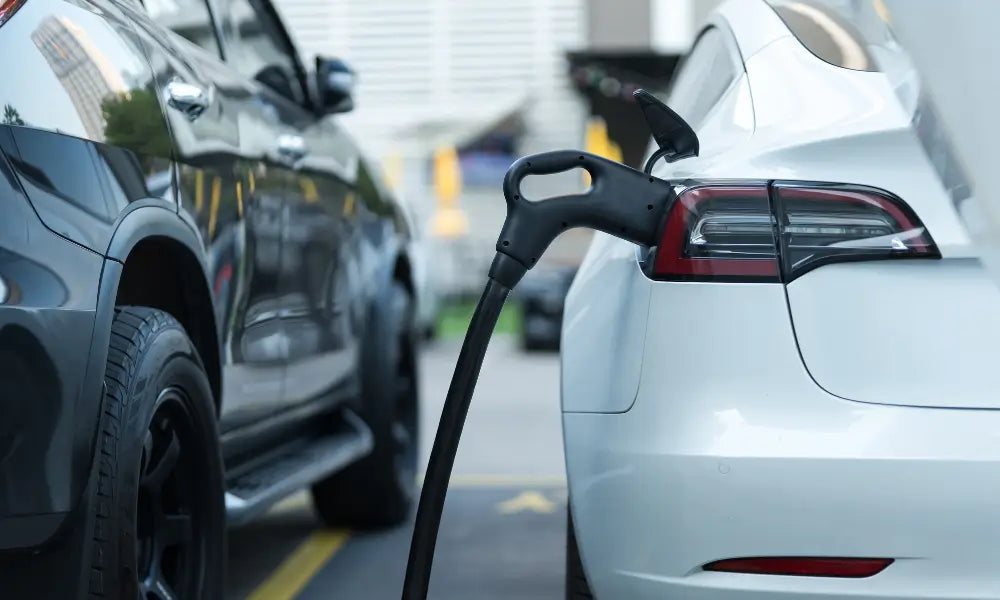
Home charging is the simplest way to power your hybrid car. You can use a standard electrical outlet or install a dedicated charging station. A regular outlet takes longer but works well overnight. A home charging station charges faster and is more efficient. It is a popular choice for daily charging needs.
Public Charging Stations
Public charging stations offer more options when you are away from home. You find these stations in parking lots, malls, and near highways. Many public chargers are free or cost less than fuel. They help extend your driving range and reduce fuel use. Using public stations keeps you flexible on longer trips.
Charging Speed Types
Charging speeds vary by method and equipment. Level 1 chargers use a regular home outlet and charge slowly. Level 2 chargers require special equipment and charge faster. DC fast chargers deliver power quickly but are rare for hybrids. Knowing your car’s charging speed helps plan your charging time well.
Maximizing Battery Life
Maximizing the battery life of a hybrid car is key to saving money and reducing trips to the charger. The battery is the heart of the vehicle’s electric system. Taking good care of it helps keep the car running smoothly for many years.
Small habits make a big difference. Charging the battery the right way prevents damage and extends its lifespan. Understanding how temperature affects the battery also helps in keeping it healthy. Follow these simple tips to get the most out of your hybrid car’s battery.
Charging Best Practices
Charge the battery regularly but avoid letting it drain completely. Use the charger recommended by the car maker. Plug in the car after short drives to keep the battery ready. Avoid charging the battery to 100% every time; stopping at around 80-90% is often better. Keep the charging port clean and dry to avoid connection issues.
Avoiding Overcharging
Overcharging can harm the battery’s cells and reduce its capacity. Use a charger with an automatic shut-off feature. Do not leave the car plugged in longer than needed. Remove the charger once the battery reaches the set limit. Check your car’s manual for specific charging times and limits.
Temperature Effects
Extreme heat or cold can damage the battery. Park the car in shaded or covered areas during hot days. In winter, keep the car in a garage if possible. Avoid charging the battery in very cold or very hot conditions. The battery works best at moderate temperatures around 20°C (68°F).
Cost And Time Considerations
Understanding the cost and time involved in charging a hybrid car helps manage expectations. These factors play a key role in daily use and budget planning. Knowing the expenses and charging duration can guide your charging habits. It also impacts how you organize your day around the car’s needs.
Charging Costs Explained
Charging a hybrid car costs less than fueling a gasoline car. Electricity rates vary by location and time of day. Charging at home usually costs less than public stations. Some public chargers may charge a fee per minute or per kilowatt-hour. Using off-peak electricity hours can reduce costs. Tracking your charging expenses helps control your monthly budget.
Time Needed For Full Charge
The charging time depends on the battery size and charger type. A small hybrid battery may take 1 to 3 hours to charge fully. Using a standard home charger usually takes longer than fast chargers. Fast chargers can fill the battery in 30 to 60 minutes. Plug-in hybrids generally need less charging time than full electric vehicles. Planning charging time around your schedule avoids inconvenience.
Impact On Daily Routine
Charging your hybrid car fits well into daily life with simple planning. Many people charge their cars overnight at home. This way, the car is ready each morning with a full battery. You can also charge during work hours if chargers are available. Charging stops can be short, allowing for quick breaks. Adjusting your routine slightly can make charging easy and stress-free.
Future Trends In Hybrid Charging
Hybrid cars are changing fast. Charging these vehicles is becoming easier and quicker. New technology and ideas are shaping how often you need to charge a hybrid. The future holds many improvements that will help drivers.
Advances In Battery Tech
Batteries in hybrid cars are getting better. They last longer and hold more power. This means you can drive further without charging. New materials make batteries lighter and stronger. Charging times are also getting shorter. These changes reduce the need to charge often.
Wireless Charging Prospects
Wireless charging is becoming popular for hybrids. No need to plug in the car. Just park over a charging pad and the car charges itself. This makes charging simple and fast. It may also work while driving on special roads. Soon, charging could happen without stopping.
Government Incentives
Governments support hybrid car users. They offer money back or tax breaks for charging stations. These incentives help build more charging spots. More stations mean less worry about running out of power. This support encourages more people to use hybrids.
Credit: www.hybridautomotives.com.au
Frequently Asked Questions
How Often Should I Charge A Plug-in Hybrid Car?
Plug-in hybrids need charging every 1 to 2 weeks, depending on usage. Regular charging keeps the battery healthy and maximizes electric driving range.
Can I Drive A Hybrid Car Without Charging?
Yes, conventional hybrids recharge their batteries through braking and the engine. Plug-in hybrids require external charging for electric mode but still run on gas.
What Affects Hybrid Car Charging Frequency?
Charging frequency depends on driving habits, battery size, and electric range. Short trips use more electric power, requiring more frequent charging.
How Long Does It Take To Charge A Hybrid Car?
Charging times vary from 2 to 8 hours based on charger type and battery capacity. Faster chargers reduce waiting time significantly.
Conclusion
Charging a hybrid car depends on your driving habits and battery size. Most hybrids recharge while you drive, so frequent charging is not always needed. Plug-in hybrids need charging more often, especially for short trips. Keep an eye on your battery level to avoid running low.
Charging at home overnight is usually enough for daily use. Remember, regular maintenance helps your hybrid run smoothly. Simple steps keep your car efficient and save fuel. Understanding charging needs makes hybrid ownership easy and stress-free.

