You just got a shiny new car, and you want to keep that fresh-from-the-showroom look for as long as possible. But when is the right time to wax it?
Waxing too soon or too late can affect your car’s finish in ways you might not expect. If you’re wondering how soon you should wax a new car to protect its paint and make it shine, you’re in the right place.
Keep reading to discover the best timing and tips that will keep your car looking flawless for years to come.
Credit: surfnshine.com
When To Wax A New Car
Knowing when to wax a new car is important for keeping its shine and protection. Waxing too soon or too late can affect the paint’s finish. Understanding the right time helps maintain your car’s look and value. This section explains key points about factory coatings, waiting times, and signs to watch for before waxing.
Factory Paint And Wax Coatings
New cars often come with a factory paint job that includes a clear coat. This clear coat protects the paint underneath. Some cars also have a factory wax or sealant applied. This layer gives initial shine and some protection. It is best to let these coatings settle before adding your own wax. Waxing too early might trap impurities or damage the factory finish.
Recommended Waiting Period
Experts suggest waiting at least 30 days before waxing a new car. This time lets the paint fully cure and harden. During this period, the paint releases solvents and moisture. Waxing before curing can cause uneven spots or dullness. For ceramic coatings or special finishes, follow the manufacturer’s instructions. Patience ensures the wax bonds well and protects better.
Signs Your Car Needs Waxing
Look for dullness or loss of shine on your car’s surface. Water no longer beads or rolls off easily. Dirt sticks to the paint more than before. These signs show the wax layer is wearing thin. If you see scratches or swirl marks, waxing can help hide them. Regular waxing keeps your car’s finish smooth and protected.
Benefits Of Waxing Early
Waxing a new car early brings many advantages. It helps keep the car looking fresh and new for longer. Protecting the paint and making cleaning easier are key benefits. Wax also adds a shiny finish that looks great. Taking care of the car’s surface right away saves time and money later.
Protecting The Paint Surface
Wax forms a strong layer on the paint. This layer guards against dirt, dust, and small scratches. It also protects from harmful UV rays that cause fading. Early waxing stops damage before it starts. The paint stays smooth and bright for years.
Enhancing Shine And Depth
Wax brings out the true color of the paint. It gives the car a glossy, deep shine. This shine makes the car look clean and well cared for. A fresh wax job makes the car stand out on the road. The paint looks richer and more vibrant.
Easier Cleaning And Maintenance
Wax creates a slick surface that dirt can’t stick to easily. Washing the car becomes faster and less work. Wax also helps repel water and mud. This means fewer stains and spots on the paint. Regular waxing keeps the car cleaner longer.
Choosing The Right Wax
Waxing a new car protects its paint and keeps it shiny. Picking the right wax is important. The right wax can make a big difference in how your car looks and lasts.
Understanding the types of wax and what suits a new car helps you make a good choice. Some waxes work better on new paint. Others last longer or are easier to apply.
Types Of Car Wax
Car wax comes in many forms. Paste wax is thick and lasts a long time. Liquid wax spreads easily and dries fast. Spray wax is quick to apply but may not last as long.
Each type has its benefits. Paste wax offers strong protection. Liquid wax gives a smooth shine. Spray wax is good for quick touch-ups.
Synthetic Vs. Natural Waxes
Natural waxes use carnauba from palm leaves. They give a warm, deep shine. Synthetic waxes are made from polymers. They protect longer and resist dirt better.
Natural wax feels more natural and is popular for show cars. Synthetic wax is better for daily use and harsh weather.
Factors To Consider For New Cars
New car paint is delicate. Choose a wax that is gentle and safe. Check if the wax suits fresh paint or clear coats.
Think about how often you want to wax. Some waxes last longer and need less work. Others need frequent application but give a better shine.
Consider your climate too. Some waxes handle rain and sun better than others.

Credit: www.youtube.com
Waxing Preparation Steps
Preparing your new car for waxing is an important step. It helps the wax stick better and last longer. Follow these simple steps to get the best shine and protection for your car’s paint.
Washing The Car Thoroughly
Start with a clean car. Use car shampoo and water to remove dirt and dust. Avoid household soaps; they can damage the paint. Rinse well to get rid of all soap. Clean wheels and tires too. Dirt can stop wax from sticking properly.
Clay Bar Treatment
Next, use a clay bar to remove tiny particles that washing missed. These particles can make the surface feel rough. Glide the clay bar gently over the paint using a lubricant. This step smooths the surface and prepares it for wax. It also helps the wax bond better with the paint.
Drying And Inspecting The Surface
Dry your car with a soft microfiber towel. Avoid air drying; it can leave water spots. After drying, check the surface carefully. Look for any leftover dirt or scratches. Fix small issues before applying wax. A clean, smooth surface gives the best results.
Waxing Techniques For New Cars
Waxing a new car protects its paint and keeps it shiny longer. Using the right waxing techniques helps the wax stick better. It also makes the shine last through weather and dirt. Proper waxing adds an extra layer of defense to your car’s surface.
Follow these simple steps to wax your new car correctly. Each step improves the car’s look and protects the paint well.
Applying Wax Correctly
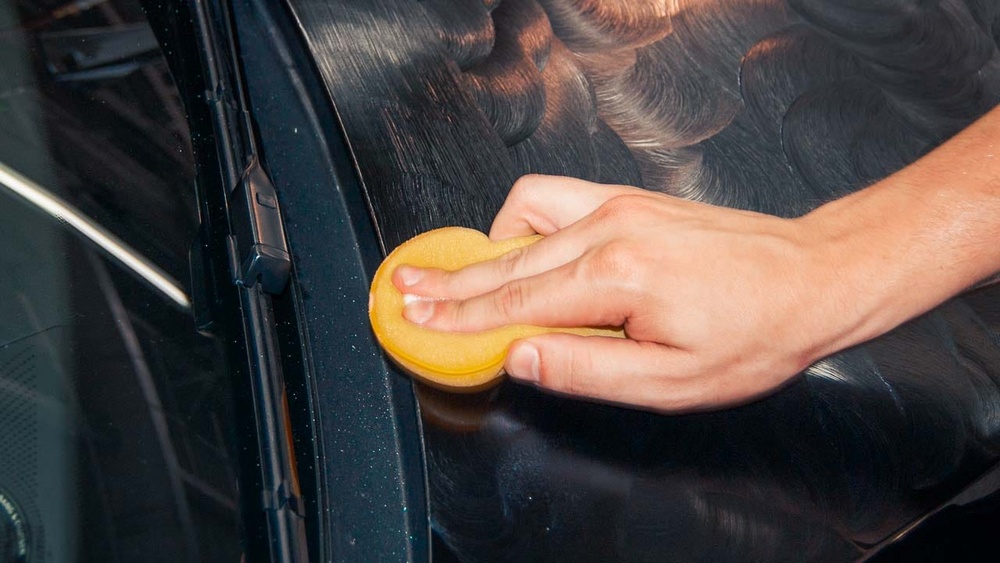
Start with a clean, dry car. Use a soft applicator pad to spread wax evenly. Apply thin, circular motions to cover small areas. Work section by section to avoid missing spots. Let the wax dry until it looks hazy before buffing.
Buffing For Maximum Shine
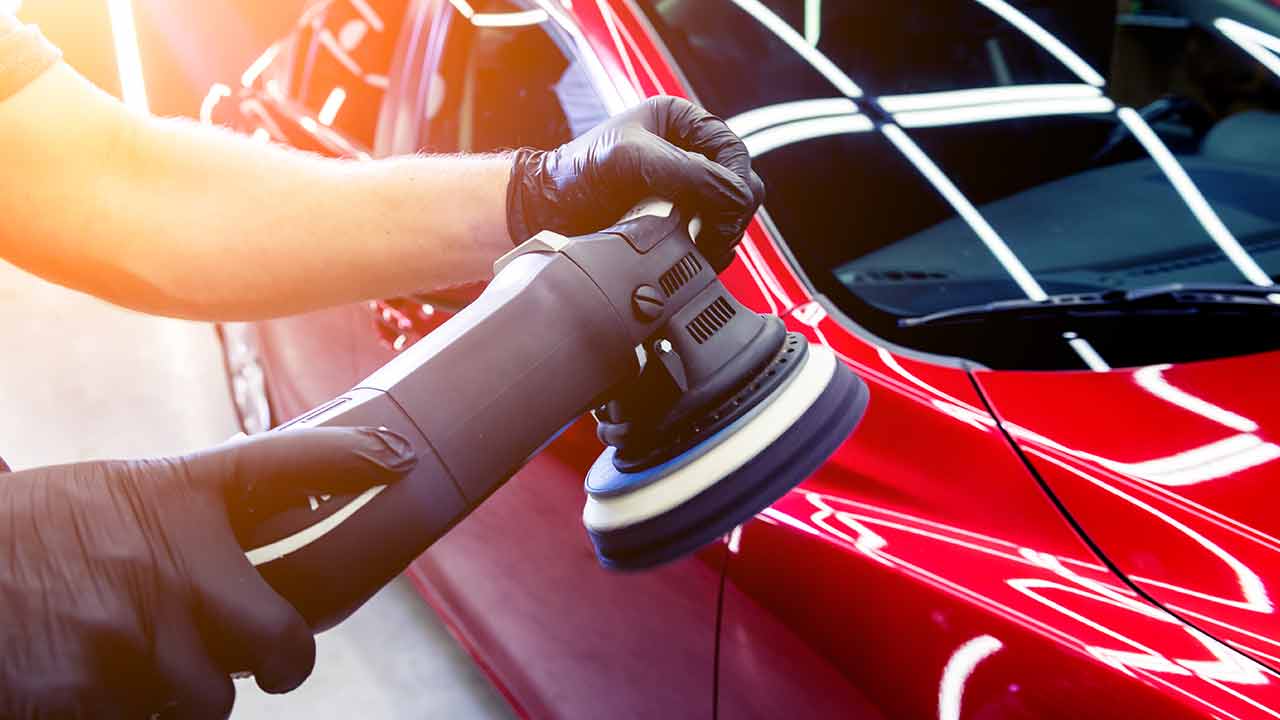
Use a clean microfiber cloth to buff the wax. Gently rub in small circles to remove residue. This process brings out a deep, glossy shine. Buffing also seals the wax to the paint. Use light pressure to avoid scratching the surface.
Avoiding Common Mistakes
Do not wax in direct sunlight or on a hot car. Skip waxing over dirt or dust to prevent scratches. Avoid using old or dirty applicators. Do not apply too much wax; thin layers work best. Always follow the product instructions for best results.
Credit: onyxcoating.com
Maintaining Wax Protection
Maintaining wax protection on a new car keeps its shine and guards the paint. Wax acts like a shield against dirt, water, and sun damage. Regular care helps the wax last longer and keeps the car looking fresh. Simple steps can keep the wax working well throughout the year.
Frequency Of Reapplication
Wax does not last forever. It wears off after some time. Most experts suggest reapplying wax every three months. This timing keeps a strong protective layer on the paint. Check the car’s surface often. If water stops beading, it is time to wax again.
Quick Detailers And Boosters
Quick detailers help keep wax fresh between full applications. They clean light dust and add shine fast. Use them after washing the car. Boosters also refresh wax layers. They extend protection without full waxing. These products save time and keep the car bright.
Seasonal Waxing Tips
Different seasons affect wax protection. In winter, salt and grime can damage paint. Wax before winter to protect from salt. Summer sun fades paint colors. Wax in spring to shield from UV rays. Adjust waxing habits based on weather for best results.
Alternatives To Waxing
Waxing is not the only way to protect your new car’s paint. Alternatives offer different levels of protection and shine. These options can last longer and need less frequent care. Each has its own benefits and drawbacks. Understanding them helps you choose the best for your car.
Paint Sealants
Paint sealants are synthetic products. They create a strong, glossy layer on the paint. Sealants last longer than traditional waxes, often several months. They resist dirt, water, and UV rays well. Application is usually quick and easy. Sealants give a smooth, shiny finish that many car owners like.
Ceramic Coatings
Ceramic coatings are liquid polymers applied to the car’s surface. They bond with the paint and form a very hard shell. This shell protects against scratches, chemicals, and fading. Ceramic coatings can last for years with proper care. They repel water and dirt strongly. Applying ceramic coatings often requires professional help.
Pros And Cons Compared To Wax
Wax is easy to apply and affordable. It offers a warm, natural shine. But wax wears off quickly and needs reapplying every few weeks. Paint sealants last longer but may look less natural. They require less frequent application. Ceramic coatings offer the best long-term protection. They are more expensive and harder to apply. Wax suits those who enjoy frequent car care. Sealants and coatings fit people wanting longer-lasting protection.
Frequently Asked Questions
How Soon Can I Wax A Brand New Car?
You should wait at least 30 days before waxing a new car. This allows the paint to fully cure, ensuring better wax adhesion and protection.
Why Wait Before Waxing A New Car?
New paint needs curing time to harden and stabilize. Waxing too soon can trap solvents and affect the finish’s durability.
What Benefits Does Waxing A New Car Provide?
Waxing protects the paint from UV rays, dirt, and water. It enhances shine and extends the lifespan of the new paint job.
Can I Use Any Wax On A New Car?
Choose a high-quality, gentle wax designed for new paint. Avoid abrasive products that may damage the delicate fresh finish.
Conclusion
Waxing a new car protects its shiny finish and keeps it looking fresh. Wait about 30 to 60 days after buying before waxing. This time lets the paint fully cure and harden. Regular waxing helps prevent dirt and damage. It also makes washing easier and keeps the color bright.
Choose a good wax and apply it gently. A little care goes a long way. Your car will thank you with a lasting shine and protection. Simple steps can keep your new car looking great for years.