

Have you ever wondered how often you should change your fuel filter? It’s a small part, but it plays a big role in keeping your engine running smoothly.
Ignoring it can lead to poor performance, costly repairs, or even breakdowns. You’ll discover the signs that tell you it’s time for a change and simple tips to keep your vehicle in top shape. Keep reading, because knowing this one thing could save you time, money, and a lot of hassle down the road.

Credit: kbmotorsports.biz
Role Of A Fuel Filter
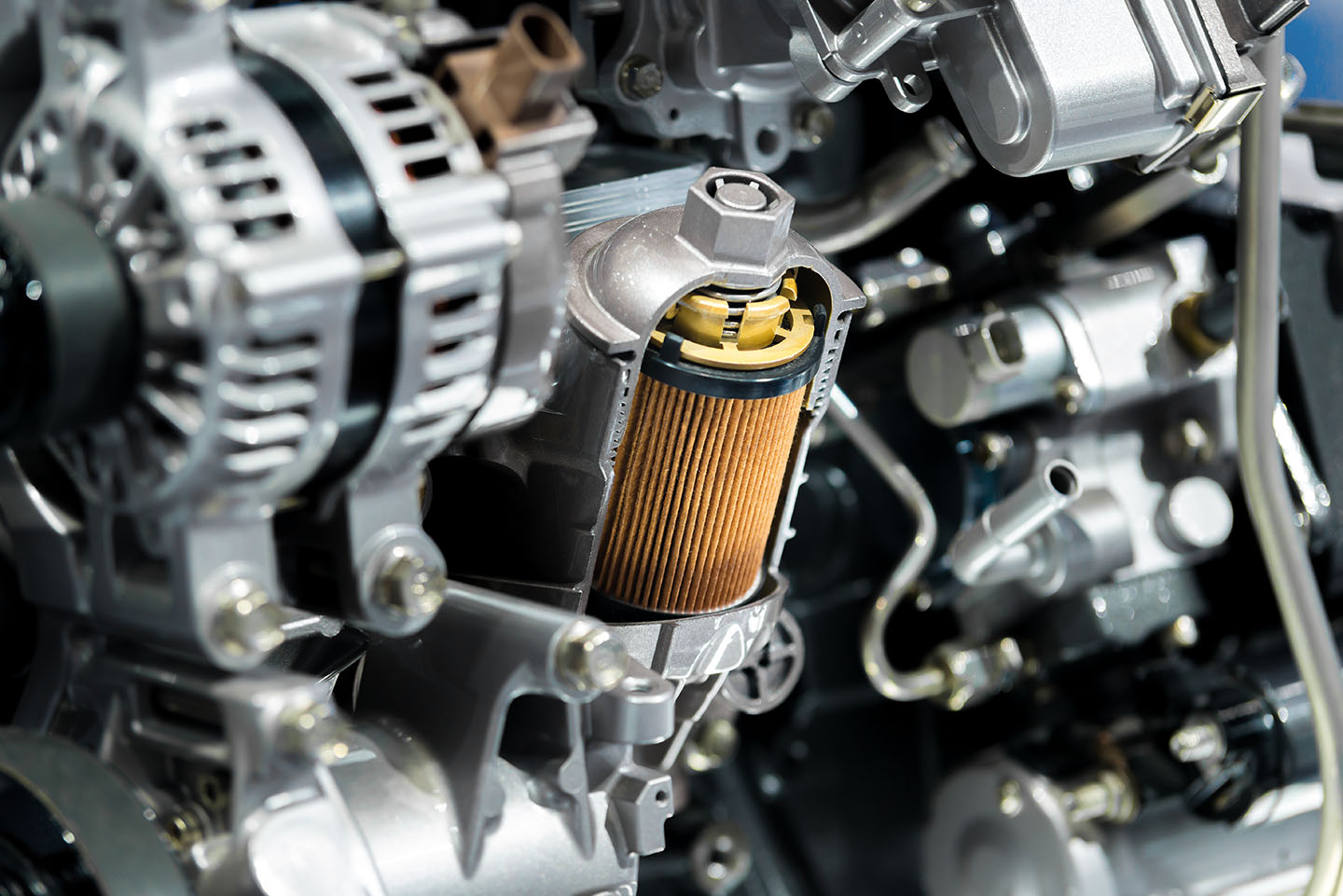
The fuel filter plays a key role in keeping your vehicle’s engine healthy. It cleans the fuel before it reaches the engine. Dirt, rust, and other particles can enter the fuel tank. Without a filter, these particles could damage the engine. A clean fuel filter helps your car run smoothly. It also protects important engine parts from wear and tear.
Fuel Filter Function
The fuel filter’s job is to trap dirt and debris. It stops harmful particles from entering the engine. Fuel passes through the filter before reaching the fuel injectors or carburetor. Clean fuel means better combustion inside the engine. The filter also helps prevent clogging in the fuel system. A blocked filter can reduce fuel flow and cause engine problems.
Impact On Engine Performance
A clean fuel filter improves engine power and efficiency. It ensures fuel flows freely and burns completely. A dirty or clogged filter can cause rough idling and poor acceleration. The engine may stall or hesitate during driving. Fuel economy drops when the engine struggles for fuel. Changing the fuel filter regularly keeps the engine running well. It also reduces the risk of costly repairs later.
Signs Of A Clogged Fuel Filter
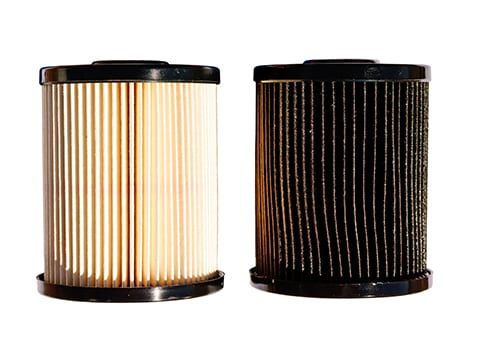
A clogged fuel filter can cause many problems in your car. It blocks the fuel flow to the engine. This can lead to poor engine performance and other issues. Knowing the signs of a clogged fuel filter helps you fix the problem early. It also protects your engine from damage. Here are common signs to watch for.
Engine Hesitation
The engine may hesitate or stall when you press the gas. This happens because the clogged filter limits fuel flow. The engine does not get enough fuel to run smoothly. You might feel a delay in acceleration. This is a clear sign the fuel filter needs attention.
Reduced Fuel Efficiency
Your car may use more fuel than usual. A clogged fuel filter makes the engine work harder. It burns more fuel to keep running. You notice the gas tank empties faster. This drop in fuel efficiency signals a possible fuel filter issue.
Starting Issues
The car may have trouble starting or may not start at all. A blocked fuel filter prevents fuel from reaching the engine. Without enough fuel, the engine struggles to ignite. This problem often means the fuel filter is clogged and needs replacing.
Factors Influencing Replacement Frequency
Knowing how often to change your fuel filter depends on several key factors. These factors affect the filter’s lifespan and your vehicle’s performance. Understanding them helps you avoid engine problems and maintain smooth driving.
Vehicle Type And Model
Different vehicles have different fuel system designs. Some models use high-quality filters that last longer. Older cars may need more frequent changes. Check your owner’s manual for recommended intervals. Luxury or sports cars might require special filters.
Fuel Quality
Fuel quality greatly impacts the filter’s life. Poor-quality or contaminated fuel clogs filters faster. Using low-grade fuel increases dirt and debris buildup. Cleaner fuel keeps the filter working longer. Always buy fuel from trusted stations.
Driving Conditions
Driving style and environment affect the filter’s wear. Frequent stop-and-go traffic stresses the fuel system. Dusty or rough roads add more dirt to fuel. Long highway drives put less strain on filters. Harsh conditions mean more frequent replacements.
Recommended Replacement Intervals
Knowing when to change your fuel filter is key for engine health. Fuel filters keep dirt and debris out of the engine. Over time, they get clogged and need replacing. Following the right replacement intervals avoids engine problems and keeps your car running smoothly.
Manufacturer Guidelines
Car makers give specific advice on fuel filter changes. Check your owner’s manual for exact intervals. These guidelines are based on your vehicle’s engine and fuel system. Following them helps maintain warranty and optimal performance. Always trust the manufacturer’s instructions first.
General Mileage Recommendations
Most fuel filters need changing every 20,000 to 40,000 miles. Some cars with cleaner fuel can go longer. Older vehicles may require more frequent changes. Regular checks during maintenance can catch clogging early. Keep track of miles to plan the next replacement.
Diy Vs Professional Replacement
Deciding whether to replace your fuel filter yourself or hire a professional can affect your car’s health. Changing the fuel filter regularly keeps the engine clean and running well. Some car owners prefer doing it on their own to save money and learn new skills. Others trust professionals to ensure the job is done right and safely.
DIY replacement works well for those with basic tools and some car knowledge. The process is straightforward but requires care to avoid leaks or damage. Professionals bring experience and the right equipment. They can spot other issues during the service and fix them early. Choosing between DIY and professional help depends on your comfort level and the vehicle’s condition.
Tools Needed For Diy
Start with the right tools. You will need a wrench set to remove bolts. A new fuel filter made for your car model is necessary. Safety goggles and gloves protect your eyes and hands. A container can catch spilled fuel. Rags help clean any mess. Some cars need special clips or fuel line disconnect tools. Check your car manual before starting.
When To Seek Professional Help
Look for professional help if your car is complex or old. Strange noises or leaks during filter change mean stop and call a mechanic. Lack of proper tools or experience raises risks of damage or injury. Professionals have training to handle tough cases. They also dispose of old filters safely. Choose a professional if you want peace of mind and reliable results.
Consequences Of Neglecting Fuel Filter Change
Neglecting to change the fuel filter can cause serious problems for your vehicle. The fuel filter stops dirt and debris from reaching the engine. Over time, this filter gets clogged and stops working properly. This leads to poor engine performance and costly repairs. Understanding these risks helps you keep your car running smoothly.
Engine Damage Risks
A clogged fuel filter blocks fuel flow to the engine. This forces the engine to work harder. Lack of clean fuel can cause engine misfires or stalls. Over time, this damages engine parts. Repairing engine damage costs much more than changing a filter. Regular fuel filter changes protect the engine and save money.
Increased Emissions
A dirty fuel filter affects how the engine burns fuel. Poor combustion creates more harmful emissions. This pollutes the air and can cause your car to fail emissions tests. Clean fuel filters help your engine run cleaner. Reducing emissions also helps protect the environment.
Tips For Maintaining Fuel System Health
Maintaining the health of your fuel system helps your car run smoothly. A clean fuel system improves engine performance and saves money on repairs. Small steps can keep the fuel filter and other parts in good shape. Follow these tips for better fuel system care.
Using Quality Fuel
Choose fuel from trusted gas stations. Good fuel contains fewer impurities. Clean fuel reduces dirt buildup in the fuel filter. It also protects the fuel pump and injectors. Avoid cheap or low-grade fuel to prevent damage. Quality fuel helps your engine last longer.
Regular Vehicle Maintenance
Check your vehicle’s fuel system regularly. Follow the manufacturer’s schedule for fuel filter changes. Inspect fuel lines and connections for leaks or cracks. Replace worn parts promptly to avoid bigger problems. Regular tune-ups keep your fuel system efficient. Clean filters and parts help your car save fuel.
Credit: bostechauto.com
Credit: www.waynesautocenter.com
Frequently Asked Questions
How Often Should You Replace A Fuel Filter?
Typically, replace your fuel filter every 20,000 to 40,000 miles. Check your vehicle’s manual for exact intervals. Regular replacement ensures clean fuel flow and prevents engine issues.
What Happens If A Fuel Filter Is Clogged?
A clogged fuel filter restricts fuel flow to the engine. This causes poor performance, stalling, and reduced fuel efficiency. Timely replacement avoids costly engine damage.
Can I Change The Fuel Filter Myself?
Yes, you can change the fuel filter if you have basic tools. Follow safety precautions and your vehicle’s guide carefully. Otherwise, seek professional help for proper installation.
How Do I Know If My Fuel Filter Needs Changing?
Signs include engine misfires, difficulty starting, and reduced power. Poor acceleration and unusual noises also indicate a clogged fuel filter. Regular inspections help catch issues early.
Conclusion
Changing your fuel filter regularly keeps your engine running smoothly. Dirty filters block fuel flow and hurt performance. Check your vehicle’s manual for exact intervals. Most cars need a change every 20,000 to 40,000 miles. Clean filters save fuel and prevent costly repairs.
Don’t wait for problems to appear. Stay ahead with simple maintenance. It helps your car last longer and run better. Fuel filter care is a small step with big benefits. Keep your ride healthy and enjoy safer driving.


