

If your car’s engine feels sluggish or you notice it stalling, your fuel filter might be the problem. Changing a fuel filter is easier than you think, and doing it yourself can save you time and money.
In this guide, you’ll learn simple steps to replace your fuel filter safely and quickly. By the end, you’ll have the confidence to keep your engine running smoothly and avoid costly repairs. Ready to get started? Let’s dive in.
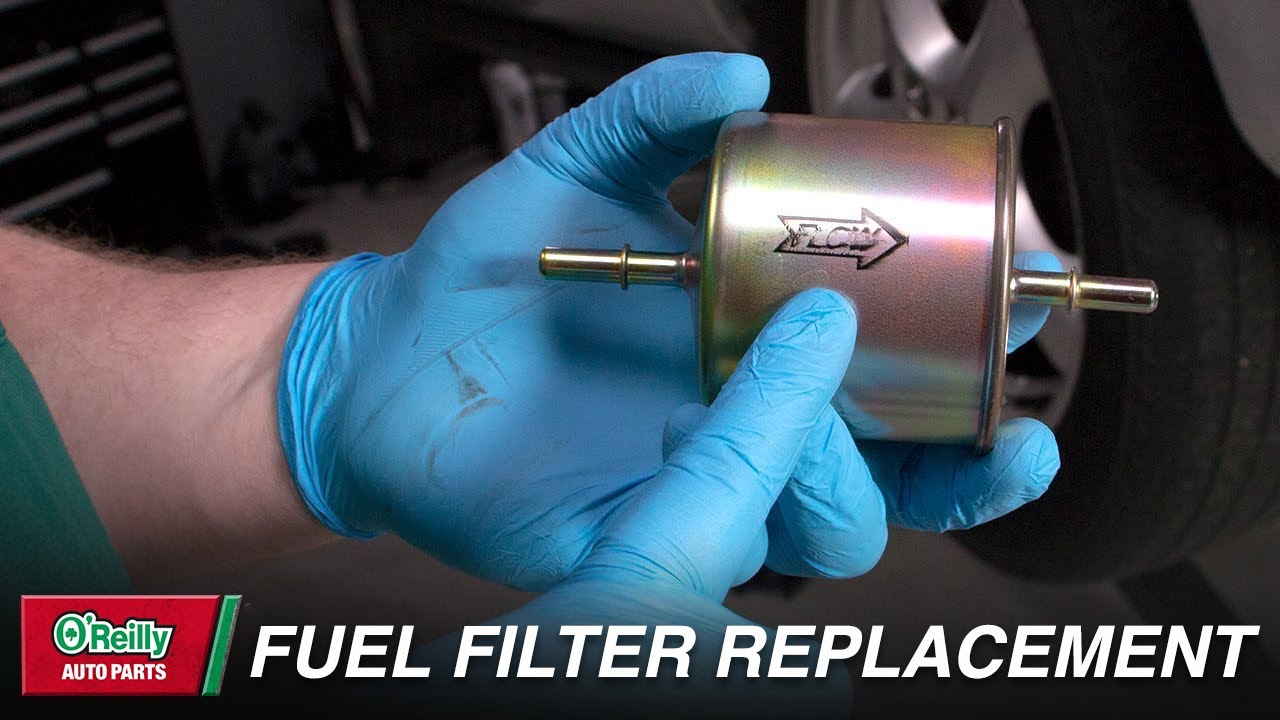
Credit: www.youtube.com
Signs Of A Bad Fuel Filter
A fuel filter keeps dirt and debris out of your engine. Over time, it can get clogged. A bad fuel filter stops fuel from flowing properly. This can cause problems while driving. Knowing the signs helps you fix the issue early. It saves your engine from damage and keeps your car running smoothly.
Common Symptoms
Your car may show warning signs of a bad fuel filter. One sign is the engine sputtering during acceleration. The car might stall or have trouble starting. You could notice a drop in fuel efficiency. Sometimes, the engine runs rough or idles unevenly. Strange noises from the fuel pump may also occur. These symptoms mean the filter is likely dirty or clogged.
Impact On Engine Performance
A clogged fuel filter limits fuel flow to the engine. This causes the engine to lose power and respond slowly. The car may hesitate or jerk while driving. It becomes hard to maintain speed, especially uphill. The engine might misfire or even stop suddenly. Poor fuel flow also stresses the fuel pump. This can lead to costly repairs if ignored.
Tools And Materials Needed
Changing a fuel filter requires specific tools and materials. Having everything ready makes the job easier and faster. Preparation helps avoid mistakes and keeps you safe.
Essential Tools
You need a wrench set to remove bolts and screws. A screwdriver can help with clamps or covers. Fuel line disconnect tools are important for many vehicles. A container to catch spilled fuel is useful. Clean rags help wipe any leaks or dirt. A new fuel filter must match your vehicle’s model. Having these tools ready saves time and trouble.
Safety Gear
Fuel is flammable, so safety gear is a must. Wear safety glasses to protect your eyes. Gloves keep your hands clean and safe from fuel. Work in a well-ventilated area to avoid fumes. Keep a fire extinguisher nearby just in case. Proper safety gear prevents accidents and injuries.
Preparing Your Vehicle
Preparing your vehicle is the first step to changing a fuel filter safely. Taking time to prepare helps avoid accidents and makes the job easier. This section covers how to find the fuel filter and how to relieve the fuel system pressure. Both steps are important before removing the old fuel filter.
Locating The Fuel Filter
Finding the fuel filter is easy if you know where to look. Most cars have the fuel filter near the fuel tank or along the fuel line under the car. Some vehicles place it in the engine bay. Check your owner’s manual for the exact location. Knowing this saves time and helps you work safely.
Relieving Fuel System Pressure
The fuel system holds pressure even after the engine is off. Releasing this pressure stops fuel from spraying out. Start by turning off the engine and removing the fuel pump fuse. Then, start the car and let it run until it stops. This empties the fuel lines. Finally, disconnect the battery to avoid sparks. Now the system is safe to work on.
Removing The Old Fuel Filter
Removing the old fuel filter is an important step in the fuel filter replacement process. It requires care and attention to avoid fuel leaks and damage. The old filter must be handled safely to keep the workspace clean. Follow these steps carefully to remove the old fuel filter without problems.
Disconnecting Fuel Lines
First, locate the fuel filter under the vehicle or near the engine. Use safety gloves to protect your hands. Before disconnecting, relieve fuel system pressure by opening the gas cap or using the vehicle’s pressure release valve. Use a wrench or special tool to loosen the clamps or fittings on the fuel lines. Slowly pull the fuel lines off the filter. Be gentle to avoid breaking the lines or causing leaks.
Handling Fuel Spills
Fuel spills can happen during removal. Keep a clean rag or cloth ready to catch any drops. Place a small container or tray underneath the filter to catch dripping fuel. Quickly wipe any spilled fuel to prevent stains or fire hazards. Work in a well-ventilated area to avoid inhaling fumes. Dispose of fuel-soaked materials safely according to local rules.
Installing The New Fuel Filter
Installing the new fuel filter is an important step. It ensures your engine gets clean fuel. Proper installation avoids leaks and engine problems. Follow these simple steps to install the filter correctly.
Proper Orientation
Check the new filter for an arrow or mark. This shows the fuel flow direction. Install the filter so the arrow points toward the engine. Wrong orientation can block fuel flow. Make sure the filter fits snugly in the holder.
Securing The Filter
Attach the filter firmly using the clamps or clips. Tighten them enough to hold the filter in place. Avoid over-tightening to prevent damage. Double-check that the filter does not move. Secure connections prevent fuel leaks and keep the system safe.

Credit: www.wikihow.com
Testing After Replacement
Testing after replacing the fuel filter is important to ensure your vehicle runs smoothly. This step confirms the filter is installed correctly and fuel flows without issues. A proper test helps avoid leaks and engine problems.
Checking For Leaks
Look closely at the fuel filter connections. Tighten any loose clamps or fittings. Watch for drops of fuel around the filter area. Even a small leak can cause performance issues or be dangerous. Fix leaks before starting the engine.
Starting The Engine
Turn the key to start the engine. Listen for any sputtering or rough sounds. The engine should start easily and run smoothly. If it stalls or hesitates, check the filter installation again. A well-running engine means the fuel filter works well.
Maintenance Tips
Proper maintenance of your fuel filter keeps your vehicle running smoothly. It stops dirt and rust from reaching the engine. Regular care saves you from costly repairs and improves fuel efficiency. Follow these simple tips to keep your fuel system in good shape.
When To Replace Next
Check your vehicle’s manual for recommended fuel filter change intervals. Usually, filters need replacing every 20,000 to 40,000 miles. Watch for signs like engine misfires or trouble starting. These can mean the filter is clogged. Mark your calendar or set reminders to avoid missing the next change.
Keeping Fuel System Clean
Use clean, high-quality fuel to protect the filter. Avoid running your tank too low; dirt settles at the bottom. Regularly inspect fuel lines and connections for leaks or damage. Clean parts help the filter work better and last longer. This care improves overall engine health and saves money.

Credit: www.goldeagle.com
Frequently Asked Questions
How Often Should You Change A Fuel Filter?
Typically, change the fuel filter every 20,000 to 40,000 miles. Check your vehicle’s manual for exact intervals. Regular replacement ensures clean fuel flow and prevents engine issues.
What Tools Are Needed To Change A Fuel Filter?
Basic tools include a wrench, screwdrivers, and a new fuel filter. Some vehicles may require special connectors or pliers. Always wear safety gloves and eye protection during the process.
Can I Change The Fuel Filter Myself Safely?
Yes, with proper precautions and the right tools, you can. Relieve fuel system pressure and work in a well-ventilated area. Follow step-by-step instructions carefully to avoid fuel spills.
How Do You Know If A Fuel Filter Is Clogged?
Symptoms include engine misfires, poor acceleration, and difficulty starting. A clogged filter restricts fuel flow, causing performance issues. If these signs appear, inspect and replace the fuel filter promptly.
Conclusion
Changing a fuel filter keeps your engine running smooth. It helps avoid clogs and saves money on repairs. The steps are simple and do not take long. Always work safely and have the right tools ready. Regular checks make sure your car stays healthy.
Try this task yourself and feel confident in your skills. Clean fuel means better performance and fewer problems. Keep your vehicle in top shape with easy care.


