
Have you ever wondered how often you need to get your car waxed to keep it looking fresh and shiny? You might think it’s just about appearance, but regular waxing does a lot more than that.
It protects your car’s paint from damage, dirt, and harsh weather. Knowing the right timing can save you money and keep your car in great shape longer. You’ll discover exactly when and why you should wax your car so you never miss the perfect moment.
Keep reading to learn the simple secrets that can make your car stand out on the road every day.
Benefits Of Car Waxing
Car waxing is more than just a way to make your vehicle look good. It adds a strong layer of protection and care. Waxing your car regularly keeps it safe from many common problems. It helps maintain the car’s value and appearance for a long time.
Understanding the benefits of car waxing shows why it is important. It helps keep the paint fresh, the shine bright, and even stops rust from forming. These benefits make waxing a smart step in car maintenance.
Protecting Paint
Wax creates a shield over the paint. This shield stops dirt, dust, and harmful UV rays from damaging the surface. It also prevents small scratches from everyday use. The paint stays smooth and strong with regular waxing.
Enhancing Shine
Waxing brings out the natural color of your car. It makes the paint look shiny and new. The glossy finish catches the eye and improves the car’s overall look. A well-waxed car looks clean and cared for.
Preventing Rust
Wax blocks water and moisture from reaching the metal parts. Moisture causes rust, which damages the car over time. A good wax layer keeps rust away and protects the body. It helps your car last longer and look better.
Factors Influencing Waxing Frequency
Several factors influence how often you need to wax your car. These factors affect the wax’s protection and shine. Understanding them helps keep your car looking great longer.
Climate And Weather
Hot sun can wear down wax fast. Rain and snow also reduce wax protection. Salt from winter roads can damage your car’s paint. Cars in dry, mild climates need waxing less often. In harsh climates, wax more often to protect paint.
Driving Habits
Frequent driving exposes your car to dirt and debris. City driving involves more pollution and grime. Off-road driving adds mud and scratches. Short trips may not wear wax much. Long trips increase wax wear and tear.
Type Of Wax Used
Natural waxes last shorter than synthetic ones. Synthetic waxes can protect your car longer. Some waxes need reapplication every few weeks. Others may last several months. Check the product details for best results.
Recommended Waxing Intervals
Knowing how often to wax your car helps keep its shine and protects the paint. Waxing intervals depend on factors like your car’s use, environment, and wax type. Regular waxing stops dirt, water, and sunlight from damaging the surface. Here are common waxing schedules to consider.
Monthly Waxing
Waxing every month gives your car strong protection. It works well if you park outside or drive a lot. This schedule keeps the paint safe from dirt and weather. Monthly waxing also helps maintain a deep, glossy shine. It takes time but gives great results.
Quarterly Waxing
Waxing every three months suits many car owners. It balances effort and protection well. This interval works if you use a durable wax type. Your car stays clean and shiny most of the year. Quarterly waxing reduces the chance of paint fading or scratches.
Seasonal Waxing
Waxing four times a year matches the seasons. It helps prepare your car for winter snow or summer sun. This schedule fits drivers who use their cars less often. Seasonal waxing protects against harsh weather changes. It keeps the paint fresh and healthy year-round.
Credit: carfromjapan.com
Signs Your Car Needs Waxing
Knowing when your car needs waxing helps keep its paint fresh and shiny. Wax protects the paint from sun, dirt, and water. You can spot signs that tell you it’s time for a new wax job. Watch for changes in how your car looks and feels. These signs show the wax is wearing off and your car needs care.
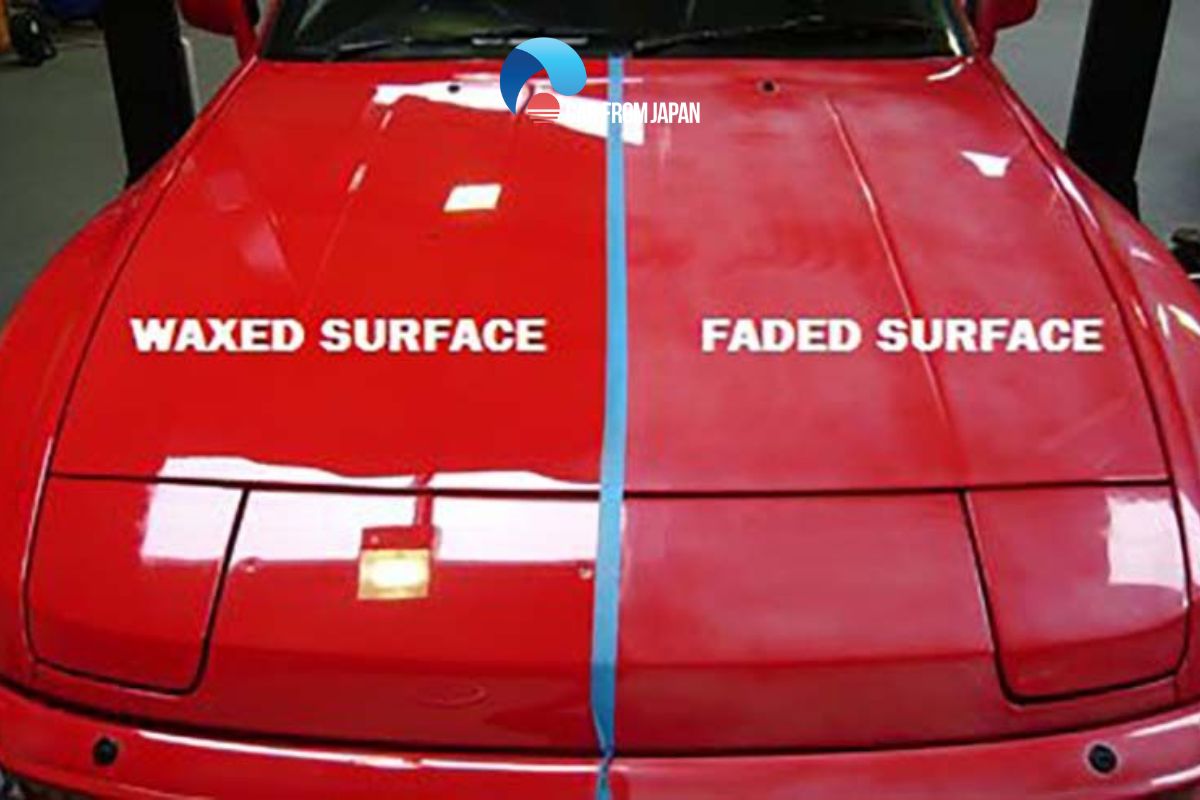
Dull Or Faded Paint
Wax adds shine and depth to your car’s paint. When the paint looks dull or faded, the wax is gone. The colors lose their brightness and the surface looks lifeless. This happens because the paint is not protected from the sun’s rays. A fresh coat of wax brings back the shine fast.
Water Spots And Stains
Water beads on a waxed surface and slides off easily. If you see water spots or stains on your car, the wax is worn out. These spots happen when water sits too long on the paint. Wax stops water from sticking and leaves your car cleaner. Removing old wax and reapplying helps prevent these marks.
Surface Roughness
Run your hand over the car’s paint. It should feel smooth and slick. Rough or gritty surfaces mean the wax layer is thin or missing. Dirt and dust stick more to rough paint. Wax creates a smooth barrier that repels grime. Waxing again restores the smooth feel and protects the surface.
Choosing The Right Wax
Choosing the right wax for your car helps protect its paint and shine. Different waxes suit different needs and paint types. Picking the correct wax can make waxing easier and more effective. This section breaks down key wax types and how to choose the best one for your car.
Natural Vs Synthetic Waxes
Natural waxes come from carnauba, a plant-based ingredient. They give a deep, warm shine and smell nice. Natural wax lasts a few weeks but needs more frequent re-application.
Synthetic waxes are made from polymers and chemicals. They protect longer and resist water better. Synthetic waxes last up to several months. They often give a shinier, slick finish.
Choose natural wax for a classic look. Pick synthetic wax for longer-lasting protection.
Spray Vs Paste Wax
Spray wax is easy to apply and dries fast. It works well for quick touch-ups and light protection. Spray wax does not last as long as paste wax.
Paste wax takes more time to apply but lasts longer. It provides a stronger barrier against dirt and sun. Paste wax gives a richer shine and better depth.
Use spray wax for quick jobs. Use paste wax for thorough protection and shine.
Wax For Different Paint Types
Clear coat paint is common on modern cars. Most waxes work well on clear coats, but synthetic wax offers longer protection.
Single-stage paint shows color without a clear coat. Use natural wax to protect and enhance its color.
Matte paint needs special wax made for matte finishes. Regular wax can make matte paint shiny and ruin the look.
Match your wax to your paint type for the best results.

Credit: fusioncarwash.com
Diy Waxing Tips
Waxing your car at home saves money and keeps your paint shiny. Basic steps make the process easy and effective. Follow simple tips to get the best results. Focus on cleaning, applying, and finishing carefully. This helps protect your car from dirt and sun damage.
Preparing The Car Surface
Start with a clean car. Wash it well using car soap and water. Remove all dirt, dust, and grime. Dry the car completely with a soft towel. Check for any scratches or spots that need extra cleaning. A smooth surface helps the wax stick better.
Application Techniques
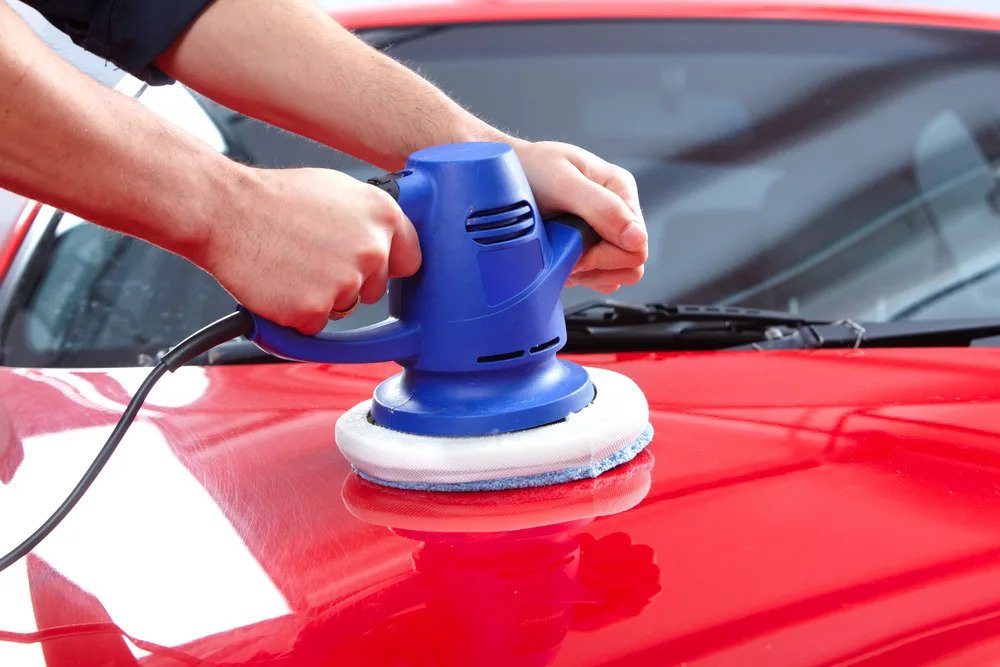
Use a soft applicator pad or foam. Apply a small amount of wax at a time. Spread it evenly in a circular motion. Work on one section of the car at once. Avoid thick layers to prevent streaks. Thin, even coats give a better shine.
Buffing And Finishing
Let the wax dry until it looks hazy. Use a clean, soft microfiber cloth for buffing. Rub gently in small circles to remove residue. Buff until the surface is smooth and shiny. This step reveals the car’s glossy finish and protects the paint.
Professional Waxing Services
Professional waxing services offer a reliable way to keep your car’s paint shiny and protected. Experts use quality wax products that last longer than store-bought options. They also apply wax evenly, avoiding mistakes that can happen with DIY waxing. This service can save you time and effort while giving your car a polished look.
Benefits Of Professional Waxing
Professionals provide a smooth and even wax layer. This protects your car from dirt, rain, and UV rays. The wax also helps prevent scratches and fading. Experts can spot and fix paint issues during waxing. They use tools and techniques that improve the car’s finish. Your car looks newer and cleaner for longer.
Cost Considerations
Professional waxing costs more than doing it yourself. Prices vary depending on your car size and wax type. Some shops offer packages that include washing and polishing. Think of waxing as an investment in your car’s appearance. Regular waxing can avoid costly paint repairs later. Compare prices and services to find the best value.
Frequency Recommendations
Most experts suggest waxing your car every three to four months. This timing keeps the wax layer fresh and effective. Cars driven often or in harsh weather may need waxing more often. If you park indoors, waxing can be less frequent. Ask your waxing professional for advice based on your car use.
Maintaining Wax Protection
Maintaining wax protection keeps your car looking shiny and new. Wax forms a barrier on the paint. This barrier guards against dirt, water, and sunlight. Proper care helps the wax last longer. Follow simple steps to keep the wax strong and effective.
Regular Washing
Wash your car often to remove dirt and dust. Dirt can wear down the wax layer. Use a gentle car shampoo made for waxed surfaces. Avoid harsh scrubbing that can damage the wax. Clean cars keep the wax working well.
Avoiding Harsh Chemicals
Do not use strong cleaners or solvents on your car. These can strip away the wax. Choose products labeled safe for waxed paint. Protect the wax by avoiding acidic or abrasive cleaners. Gentle care keeps the wax intact.
Using Quick Detailers
Quick detailers help refresh wax between wax jobs. Spray a small amount and wipe with a soft cloth. They remove light dust and add shine. Quick detailers extend the life of your wax. Use them regularly to maintain protection.
Credit: ethoscarcare.com
Frequently Asked Questions
How Often Should I Wax My Car For Best Protection?
Wax your car every three to four months for optimal paint protection. Regular waxing shields paint from UV rays, dirt, and moisture, preserving its shine and preventing damage.
Does Car Wax Frequency Depend On Climate?
Yes, humid or harsh climates require waxing every two to three months. Dry, mild areas may allow waxing every four to six months for adequate protection.
Can Frequent Waxing Damage My Car’s Paint?
No, proper waxing does not harm paint. Over-waxing with harsh products can cause buildup, but regular waxing maintains and enhances the paint’s finish.
Is It Necessary To Wax A New Car?
Yes, waxing a new car helps protect the factory paint and maintain its glossy look. It extends the paint’s life by adding a protective layer.
Conclusion
Regular car waxing keeps your vehicle shiny and protected. Aim to wax every three months for best results. This schedule helps guard against dirt, rain, and sun damage. Waxing also makes cleaning easier and preserves paint quality. Watch your car’s finish for dullness or water spots as signs to wax sooner.
Simple care like this saves money on repairs later. Keep your car looking fresh and new with timely waxing. A little effort goes a long way in car maintenance.


