Are you excited about your waxed amaryllis bulbs but unsure how to keep them looking their best? Taking care of these beautiful bulbs is easier than you might think, and with the right steps, you can enjoy stunning blooms year after year.
Whether you’re a beginner or have some experience, knowing the secrets to nurturing your waxed amaryllis will help you get the most vibrant flowers. Keep reading, and you’ll discover simple tips that make all the difference in keeping your bulbs healthy and thriving.
Preparing Waxed Amaryllis Bulbs
Taking care of waxed amaryllis bulbs starts with good preparation. This step helps the bulbs grow strong and bloom beautifully. Proper preparation includes selecting the right bulbs and storing them correctly before planting.
These steps make sure your bulbs stay healthy and ready to bloom when the time comes.
Selecting Quality Bulbs
Choose bulbs that feel firm and heavy for their size. Avoid bulbs with soft spots or signs of mold. Look for bulbs with smooth, unbroken skin. Bigger bulbs usually produce larger flowers. Pick bulbs that are healthy and free from damage.
Proper Storage Before Planting
Store bulbs in a cool, dry place away from direct sunlight. Keep the temperature between 50 and 60 degrees Fahrenheit. Avoid places that are too warm or damp to prevent rot. Place bulbs in a paper bag or a breathable container. Check bulbs regularly for any signs of mold or decay.
Planting Waxed Amaryllis Bulbs
Planting waxed amaryllis bulbs starts with good preparation. These bulbs are already coated to help them last longer. They need the right conditions to grow strong and bloom beautifully. The container, soil, and planting depth all affect their health. Each step matters to get the best results.
Choosing The Right Container
Pick a pot with drainage holes. This stops water from sitting at the bottom. Choose a container slightly bigger than the bulb. The bulb needs space to grow roots. A pot about 6 to 8 inches wide works well. Avoid very deep containers. Amaryllis bulbs grow better in shallow pots.
Soil And Drainage Requirements
Use well-draining soil for waxed amaryllis bulbs. A mix of potting soil and sand or perlite works great. This mix keeps water from pooling. Wet soil can cause the bulb to rot. Make sure the soil is loose and airy. Good drainage helps roots stay healthy and strong.
Optimal Planting Depth
Plant the bulb with the top third above the soil. The bottom two-thirds should be covered. This allows the bulb to breathe and grow properly. Press the soil gently around the bulb. Avoid packing the soil too tight. The bulb needs space to push shoots upward.
Watering And Light Needs
Taking care of waxed amaryllis bulbs means giving them the right amount of water and light. These two factors help the bulbs grow strong and bloom beautifully. Too much water or too little light can cause problems. Understanding their needs keeps your plant healthy and vibrant.
Watering Schedule
Water waxed amaryllis bulbs sparingly. Keep the soil just moist, not soggy. Overwatering can cause the bulbs to rot. Water about once a week, but check the soil first. Let the top inch of soil dry out before watering again. Reduce watering after the flowers fade. This helps the bulb rest and prepare for the next bloom.
Lighting Conditions For Growth
Waxed amaryllis bulbs need bright, indirect light. Place them near a window with filtered sunlight. Too much direct sun can scorch the leaves. Too little light slows growth and reduces flowering. A spot with morning sun or bright shade works well. Good light keeps the leaves green and the flowers vibrant.

Credit: www.jacksonandperkins.com
Temperature And Humidity
Temperature and humidity play a big role in caring for waxed amaryllis bulbs. These bulbs need the right environment to grow strong and bloom beautifully. Keeping the temperature and humidity balanced helps the bulb stay healthy and prevents problems like mold or drying out.
Ideal Temperature Range
Waxed amaryllis bulbs grow best between 60 and 75 degrees Fahrenheit. Temperatures below 50 degrees can slow growth. Above 80 degrees can cause stress to the bulb. Keep them away from drafts or direct heat sources. A steady temperature helps the bulb develop roots and flowers well.
Managing Humidity Levels
Amaryllis bulbs prefer moderate humidity, around 40 to 50 percent. Too much moisture can cause rot or fungal issues. Too little humidity dries out the bulb and soil. Use a humidifier or place a tray of water nearby in dry rooms. Good air circulation also helps keep humidity balanced.
Fertilizing Waxed Amaryllis
Fertilizing waxed amaryllis bulbs helps them grow strong and bloom beautifully. Good nutrition supports the bulb’s energy and flower production. Proper feeding keeps the plant healthy during its growth cycle. It is important to choose the right type of fertilizer and apply it at the right times.
Best Fertilizer Types
Use a balanced fertilizer with equal parts nitrogen, phosphorus, and potassium. Look for a formula like 10-10-10 or 20-20-20. These numbers show the nutrient ratio that suits amaryllis well. A slow-release fertilizer can feed the plant steadily. Liquid fertilizers also work well for quick nutrient absorption. Avoid fertilizers with too much nitrogen to prevent weak stems.
Feeding Frequency
Feed the waxed amaryllis every two to four weeks during active growth. Start fertilizing when leaves appear and stop after blooming ends. Overfeeding can harm the bulb and reduce flower quality. Use half the recommended dose for young or small bulbs. Water the plant before and after applying fertilizer to prevent root burn.
Supporting Flowering And Bloom Care
Supporting flowering and bloom care helps your waxed amaryllis bulbs thrive. Proper care encourages healthy and vibrant flowers. It also extends the life of each bloom.
Understanding how to support blooms ensures your plant stays beautiful. Small steps can make a big difference in flower quality.
Encouraging Strong Blooms
Place your amaryllis in bright, indirect light for best growth. Keep the soil moist but not soggy. Use a balanced fertilizer every two weeks during blooming. Avoid cold drafts and sudden temperature changes. These can weaken the flowers and slow growth.
Turn the pot gently every few days. This helps the flower stalk grow straight and strong. Support tall flower stems with stakes if needed. This prevents bending or breaking.
Deadheading And Pruning
Remove spent flowers by cutting the flower stalk near the base. This directs energy back to the bulb. Do not cut the leaves; they feed the bulb for next year’s blooms. Remove yellow or dead leaves to keep the plant healthy. Clean cuts prevent disease and improve appearance.
Post-bloom Care
Post-bloom care is important for waxed amaryllis bulbs. It helps the bulbs store energy for the next flowering. Proper care after blooming ensures healthy growth and vibrant flowers next season.
Allowing Foliage To Die Back
Let the leaves stay green until they turn yellow and dry. The leaves collect sunlight and make food for the bulb. Do not cut or remove leaves early. This process helps the bulb gain strength for the next bloom.
Preparing Bulbs For Dormancy
After the leaves dry, reduce watering gradually. Stop watering completely once leaves are dry. Keep the bulbs in a cool, dry place. Store bulbs away from direct sunlight and moisture. Resting bulbs this way helps them bloom again next year.
Storing Waxed Amaryllis Bulbs
Storing waxed amaryllis bulbs properly is key to keeping them healthy. Good storage helps bulbs stay ready for the next growing season. It prevents damage and rotting during their resting phase.
Drying And Cleaning Bulbs
Start by gently wiping off any dirt from the bulbs. Use a soft cloth to avoid scratching the wax coating. Let the bulbs dry completely in a warm, dry place. Avoid direct sunlight to keep the wax intact. Dry bulbs resist mold and last longer in storage.
Storage Conditions For Dormancy
Store the bulbs in a cool, dark place. The ideal temperature is around 50-60°F (10-15°C). Keep the bulbs dry to prevent rot and mold growth. Place them in a paper bag or cardboard box for breathability. Avoid plastic bags that trap moisture. Check bulbs regularly for any signs of softness or decay.
Common Problems And Solutions
Waxed amaryllis bulbs are beautiful but need care to stay healthy. Some common problems can affect their growth and flowers. Knowing these issues helps you keep your plants strong and vibrant. Here are two main concerns and how to solve them.
Pest And Disease Management
Pests like spider mites and aphids can harm waxed amaryllis bulbs. These bugs suck plant juices and cause leaves to yellow. Check your plants often for small bugs or webbing. Use a soft cloth or spray water to remove them. In severe cases, use insecticidal soap made for indoor plants. Keep the area clean and remove dead leaves to prevent pests.
Diseases such as leaf spots or fungal infections also affect waxed amaryllis. Good air flow and avoiding wet leaves help prevent disease. Remove any infected leaves quickly to stop spread. Use a mild fungicide if the problem grows. Healthy plants resist disease better, so keep bulbs in bright, indirect light.
Dealing With Bulb Rot
Bulb rot happens when bulbs stay too wet or sit in poor soil. Soft, mushy bulbs or bad smells show rot is present. Remove the bulb carefully from the soil to check it. Cut away any soft parts with a clean knife. Let the bulb dry in a warm, dry place before replanting.
Use well-draining soil and pots with holes to stop water buildup. Water only when the top soil is dry. Avoid letting water sit on the bulb itself. Good drainage and careful watering prevent rot and keep bulbs healthy for years.
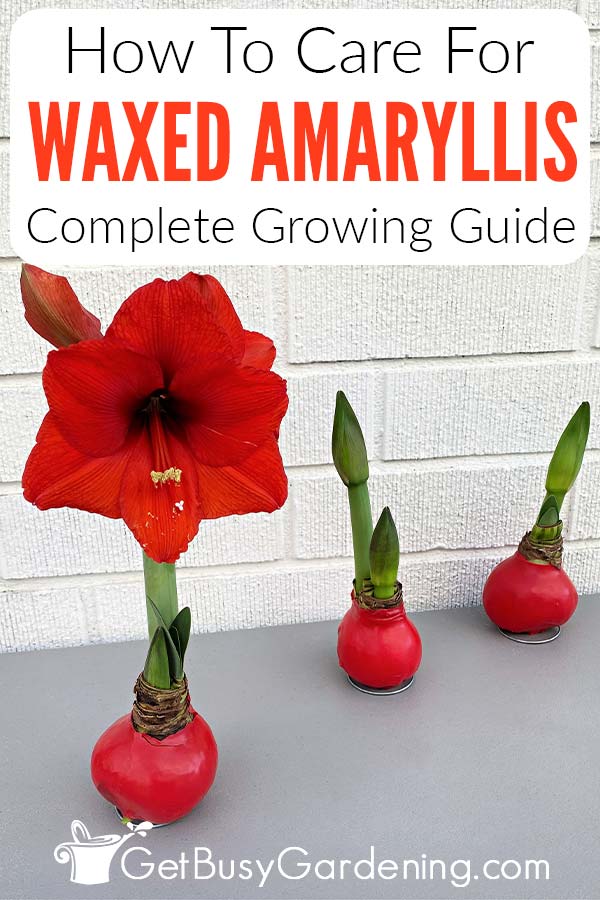
Credit: getbusygardening.com
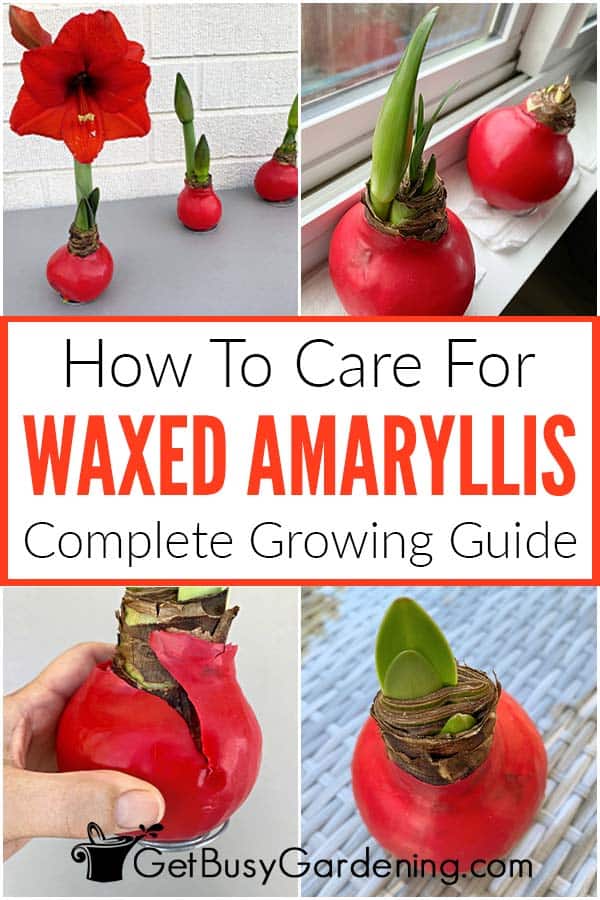
Credit: getbusygardening.com
Frequently Asked Questions
How Do You Water Waxed Amaryllis Bulbs?
Water waxed amaryllis bulbs sparingly. Use a spray bottle to mist the bulb’s base. Avoid soaking to prevent rot. Keep soil slightly moist but never soggy.
Where Should Waxed Amaryllis Bulbs Be Placed Indoors?
Place waxed amaryllis bulbs in bright, indirect sunlight. Avoid direct sun to prevent drying out. A cool room with good airflow is ideal for growth.
How Long Do Waxed Amaryllis Bulbs Last?
Waxed amaryllis bulbs typically last 4 to 6 weeks. Proper care can extend their bloom time. Discard when flowers fade or bulb softens.
Can Waxed Amaryllis Bulbs Be Replanted?
Waxed amaryllis bulbs are usually for single-season use. Replanting is not recommended as waxing affects growth. For future blooms, buy fresh bulbs each year.
Conclusion
Taking care of waxed amaryllis bulbs is simple and rewarding. Keep them in a cool, dry place after blooming. Water just enough to keep the soil moist, not wet. Give them bright, indirect light to stay healthy. Watch for signs of new growth and enjoy their beautiful flowers.
With a little care, your bulbs will bloom again next season. Growing waxed amaryllis bulbs brings joy and a splash of color to any space. Easy to care for, they brighten your home naturally.