

You’ve just brought home a brand-new car, and it looks amazing. Now, you’re probably wondering: how soon can you wax it to keep that shine perfect?
Waxing your new car is a great way to protect its paint and make it stand out on the road. But if you wax too early, you might do more harm than good. You’ll discover the best timing for waxing your new car, so you can keep it looking fresh and flawless for years to come.
Keep reading to find out exactly when and how to give your car the care it deserves.
Why Wait To Wax A New Car
Waiting to wax a new car is important for its paint’s health and look. New paint needs time to get strong and shiny. Waxing too soon can harm the paint and stop it from curing well. Understanding why you should wait helps protect your new car’s finish for years.
Paint Curing Process
New car paint does not dry instantly. It takes several weeks to fully cure. The curing process lets the paint harden and settle. This makes the paint more durable and less likely to scratch. Waxing before the paint cures can trap moisture and dirt. This stops the paint from hardening properly.
Potential Damage From Early Waxing
Waxing a new car too soon can cause damage. The chemicals in wax may react with soft paint. This can cause dull spots or uneven color. Early waxing can also trap dust and particles. These get stuck under the wax and scratch the paint. Waiting ensures the paint is strong enough to handle waxing safely.
Ideal Waiting Periods
The right time to wax a new car depends on several factors. Waxing too soon can harm the paint. Waiting allows the paint to cure and harden fully. This curing helps the wax bond better and last longer. Understanding the ideal waiting periods helps protect your car’s finish.
Different sources offer varying advice on when to start waxing. Some say weeks, others say months. Knowing the specifics can save you from mistakes that affect the car’s shine and protection.
Manufacturer Recommendations
Car makers provide guidelines on waxing new cars. Most recommend waiting at least 30 to 90 days after purchase. This period lets the paint harden and settle properly. Following these guidelines helps maintain the car’s original look. Always check your owner’s manual for exact advice. Manufacturer tips are based on the paint used on your car model.
Differences By Paint Type
Not all paints cure the same way or speed. Single-stage paints usually need less time before waxing. Modern base coat and clear coat paints often require longer curing times. Clear coats protect the color and take time to fully harden. Some specialty paints, like matte or metallic finishes, need extra care. Understanding your car’s paint type guides the best waxing schedule.
Signs Your Car Is Ready For Waxing
Knowing when your new car is ready for waxing helps protect its paint. Waxing too soon can harm the finish. Watch for clear signs that the paint has settled well. This ensures the wax sticks properly and gives a smooth shine.
Check your car carefully using simple methods. These help confirm the surface is clean and dry. Use your eyes and hands to judge the readiness. Follow these tips to decide the best time to wax your new car.
Visual Inspection Tips
Look closely at the car’s surface under good light. The paint should look even and free of water spots. Check for any dust or dirt on the surface. Avoid waxing if you see smudges or stains.
Notice if the paint shines naturally or appears dull. A dull finish might mean the paint is still curing. Small scratches or marks may also show the paint is not ready. Wait until the surface looks smooth and clean.
Touch And Feel Indicators
Run your fingers gently over the car’s paint. It should feel smooth and dry, not sticky or rough. Sticky surfaces suggest the paint is still hardening. Rough patches mean dirt or leftover residue is present.
Feel for any bumps or uneven areas on the paint. A ready surface will feel consistent all over. If your hand picks up dust or grime, wash the car again. Only wax when the paint feels clean and smooth to touch.
Preparing Your Car Before Waxing
Preparing your car before waxing is a key step for the best results. Dirt and grime can block the wax from sticking to the paint. Clean surfaces let the wax bond well and shine bright.
Take time to prepare your car properly. This helps protect the paint and gives a smooth, glossy finish. Two main steps are washing and using a clay bar. Both remove dirt and buildup that washing alone cannot.
Proper Washing Techniques
Start with a thorough wash using car shampoo and water. Use a soft sponge or microfiber cloth to avoid scratches. Rinse well to remove all soap and dirt. Dry the car completely with a clean towel. Avoid dish soap or harsh detergents. These can strip away wax and damage paint.
Clay Bar Treatment
A clay bar removes tiny particles stuck on the paint. These particles do not wash away with soap and water. Use a lubricant spray with the clay bar. Gently rub the bar over small sections of the car. You will feel the surface getting smoother. This step is important for a clean, even wax application.
Choosing The Right Wax
Choosing the right wax for your new car is important. It protects the paint and keeps the shine fresh. Different waxes offer different benefits. Picking the best one depends on your car’s needs and your preferences. Understanding types of wax and how they compare with sealants helps you make a smart choice.
Types Of Car Waxes
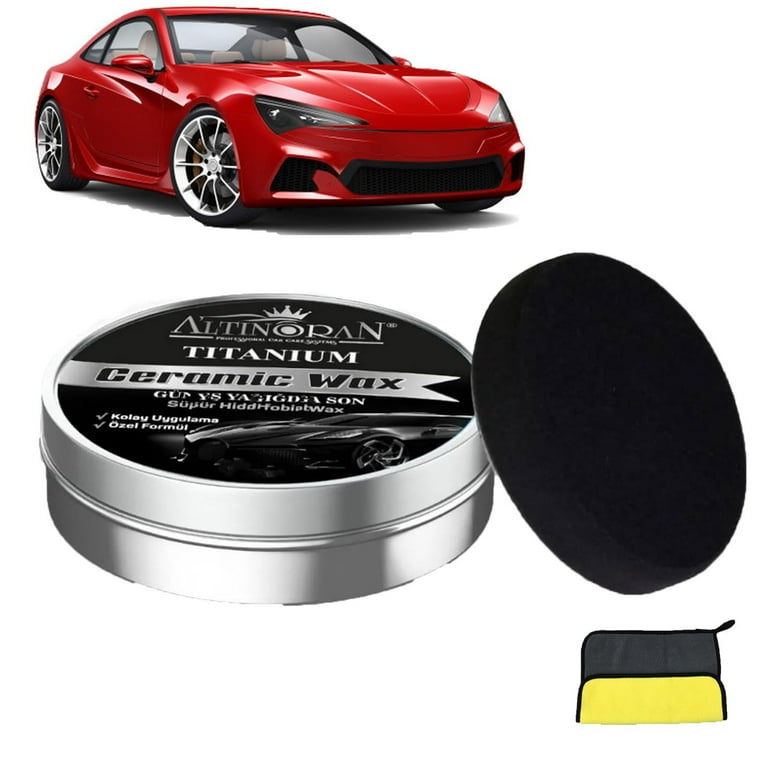
Car wax comes in natural and synthetic forms. Natural waxes usually contain carnauba. They give a deep, rich shine and a warm glow. Natural wax is great for enhancing color and depth. It lasts a few weeks and needs reapplication often.
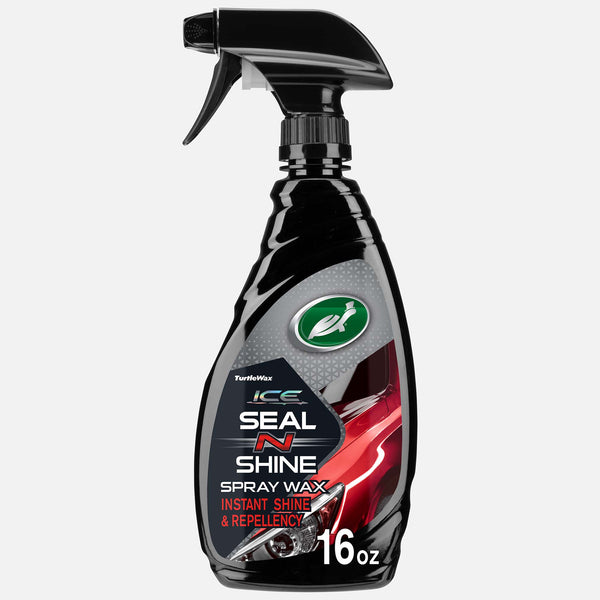
Synthetic wax is made from polymers. It lasts longer than natural wax. It protects better against weather and dirt. Synthetic wax can give a glossy look but may not be as warm as natural wax. It is easier to apply and remove.
Wax Vs. Sealant
Wax and sealant both protect your car’s paint. Wax adds shine and some protection. Sealants offer stronger protection and last longer. Sealants are made from synthetic materials. They create a hard, protective layer on the paint.
Wax is better for a natural look. Sealants suit those who want long-lasting protection. Some car owners use both: sealant first, then wax on top. This combines shine and protection for the new car.
Credit: www.walmart.com
Waxing Frequency For New Cars
Waxing a new car is an important step to keep its paint looking fresh and protected. Knowing how often to wax helps maintain the car’s shine and shield it from damage. The frequency of waxing depends on several factors, including the car’s exposure to sun, rain, and dirt. This section explains how often you should wax your new car for the best results.
Maintaining Shine And Protection
Wax creates a protective layer on your car’s paint. This layer keeps the surface smooth and shiny. For new cars, waxing every three to four months is usually enough. This schedule helps keep the paint safe from dust, bird droppings, and road grime. Regular waxing also makes washing your car easier.
Adjusting Based On Climate
The climate affects how often you should wax your car. In hot, sunny areas, wax wears off faster. Waxing every two to three months works better there. In cooler or rainy climates, waxing every four to six months is fine. Check your car’s paint regularly. If it looks dull or water doesn’t bead on the surface, it’s time to wax again.
Common Mistakes To Avoid
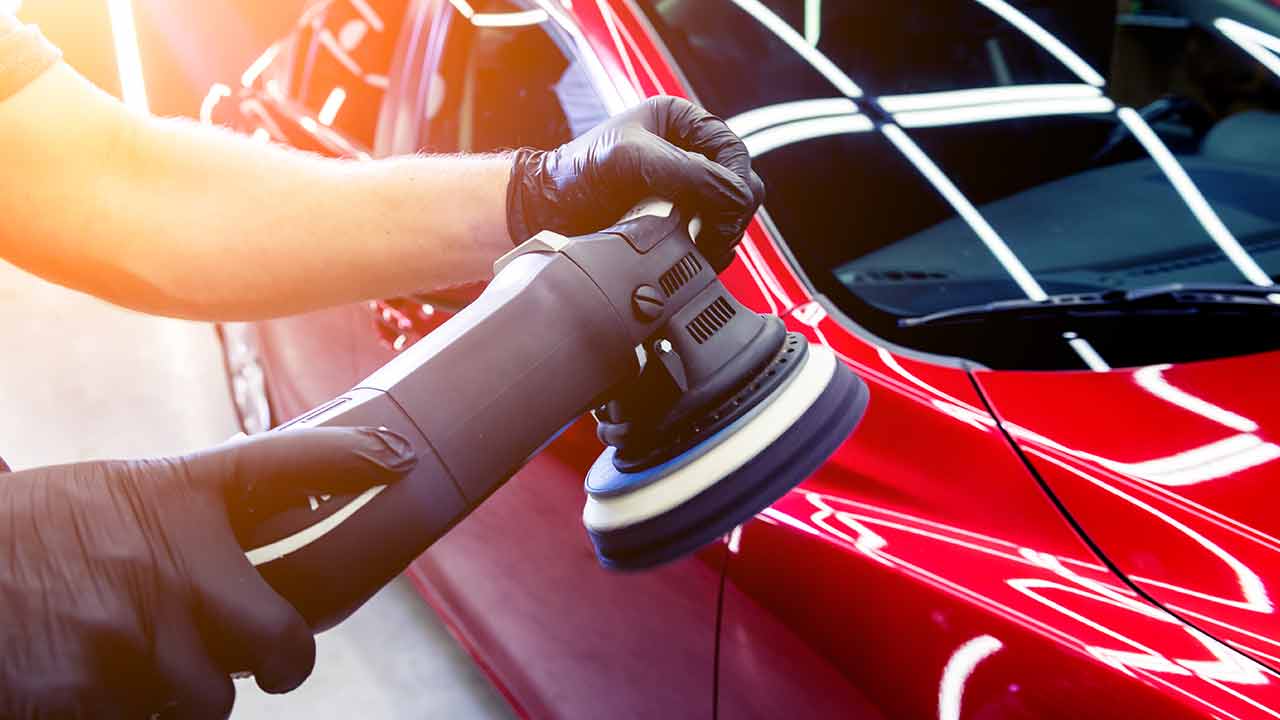
Waxing a new car protects its paint and keeps it shiny. Many car owners want to wax their new car quickly. But rushing can cause problems. Avoiding common mistakes helps maintain your car’s look and value.
Waxing Too Soon
New cars have a factory paint sealant. It takes time to cure fully. Waxing too soon can trap moisture or dirt. This may cause streaks or bubbles. Wait at least 30 days before waxing. Check your car’s manual for specific advice.
Using Harsh Products
Some cleaning products can damage new paint. Harsh chemicals strip away protective layers. Avoid strong detergents or abrasive cleaners. Use mild car wash soap made for new paint. Gentle products keep your car’s finish smooth and safe.
Credit: www.turtlewax.com
Credit: surfnshine.com
Frequently Asked Questions
How Long Should I Wait Before Waxing A New Car?
You should wait at least 30 days after buying a new car. This allows the factory paint sealant to fully cure. Waxing too early can damage the paint or reduce wax effectiveness. Waiting ensures better protection and shine.
Can I Wax A New Car Immediately After Washing?
No, avoid waxing immediately after washing a new car. The paint needs time to dry and cure. Waxing right after washing can trap moisture, leading to poor adhesion and uneven finish. Wait a few days before applying wax.
Why Is Waiting Important Before Waxing A New Car?
Waiting lets the paint cure and harden properly. New car paint often has a protective factory coating. Waxing too soon can strip this coating or cause damage. Proper curing ensures wax bonds well and enhances paint protection.
How Often Should I Wax A New Car After The First Time?
After the initial wax, wax your car every 3 to 4 months. This keeps the paint protected and maintains shine. Frequency depends on climate and exposure to elements. Regular waxing extends the life of your car’s finish.
Conclusion
Waxing a new car too soon can harm its finish. Wait at least 30 days after purchase before waxing. This lets the paint fully cure and harden. Waxing protects your car and keeps it shiny longer. Use gentle, good-quality wax and apply it carefully.
Regular waxing helps your car look fresh and clean. Patience pays off with better results and lasting shine. Take care of your new car, and it will look great for years.

