

When was the last time you checked your car’s brakes? Knowing how often to replace your rotors and brake pads is crucial for your safety and your wallet.
Worn-out brakes can lead to dangerous driving conditions and costly repairs. But how do you tell when it’s time for a change? You’ll discover clear signs to watch for and simple tips to keep your brakes in top shape. Keep reading to protect yourself and get the most from your vehicle.
Signs To Replace Brake Pads
Brake pads wear out over time and need replacement to keep your car safe. Knowing the signs helps avoid accidents and expensive repairs. Check your brakes often to spot problems early.
Squeaking And Squealing Noises
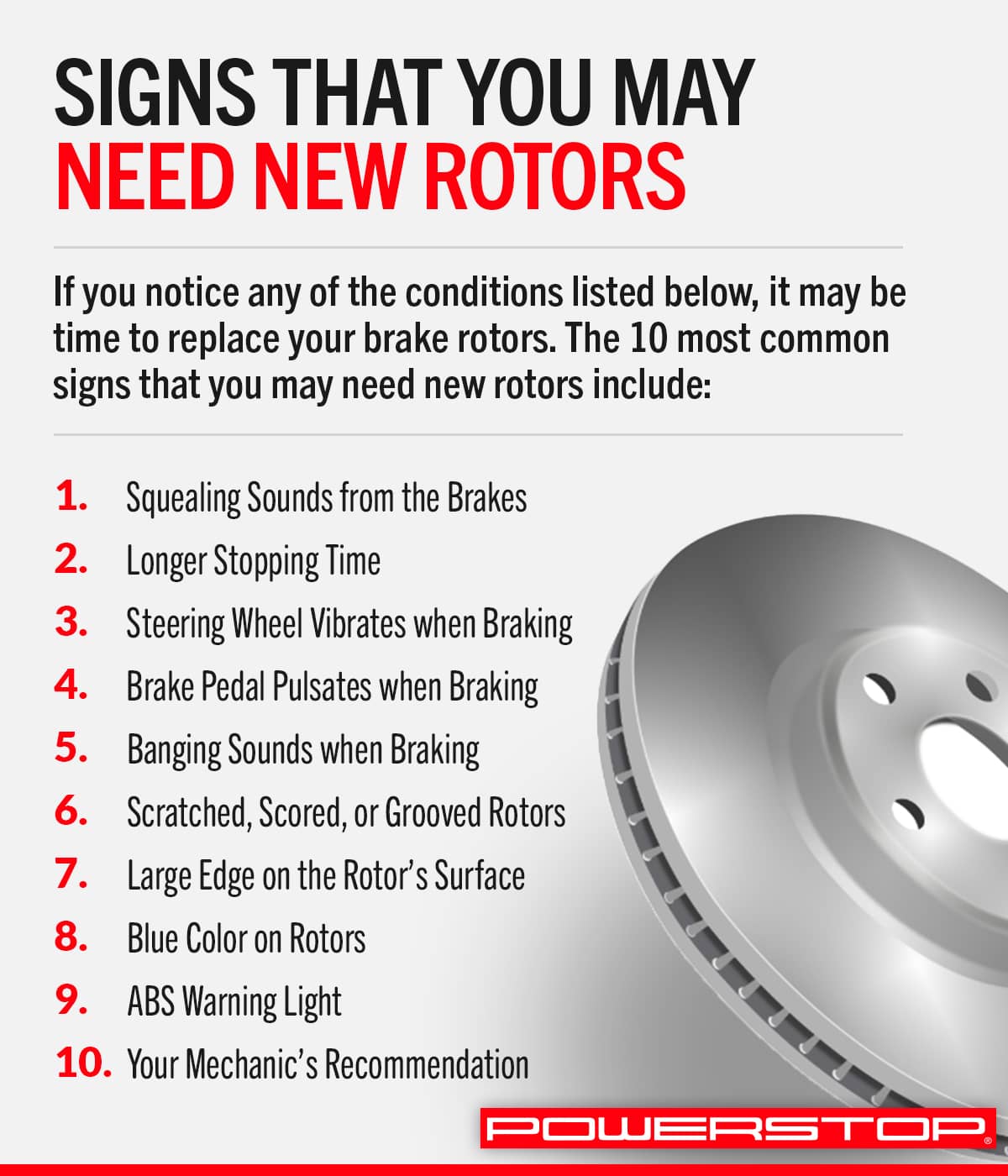
High-pitched noises while braking often mean worn brake pads. The sound comes from a small metal piece called a wear indicator. It rubs against the rotor to warn you of low brake pad thickness. Don’t ignore these noises. They signal it’s time to change the pads.
Reduced Braking Performance
Your car should stop quickly and smoothly. If it takes longer to slow down or the brake pedal feels soft, the pads may be worn out. Reduced braking power means less control on the road. Replace the brake pads to restore proper stopping power.
Vibration During Braking
Feel a shaking or vibration when you press the brake pedal? This often means the brake pads or rotors are damaged. Warped rotors or uneven pads cause this issue. Replacing worn pads can fix the problem and make braking smooth again.
Visual Wear Indicators
Many brake pads have a visible wear indicator slot or line. If the pad material is thin or the slot is gone, it’s time for new pads. You can check this by looking through the wheel spokes. Clear signs of wear mean replacement is necessary for safety.

Credit: www.hawkperformance.com
When To Replace Rotors
Rotors wear out over time and need replacement to keep brakes safe. Knowing when to replace rotors helps avoid costly repairs and unsafe driving. Signs of rotor wear often appear before brake pads need changing. Pay attention to specific rotor problems that affect braking performance.
Warping And Pulsation
Warped rotors cause vibration when braking. You feel a pulsing or shaking in the brake pedal. This happens because the rotor surface is uneven. Warping can result from heat buildup or hard braking. Replace rotors if warping causes strong vibrations or noise.
Deep Grooves And Scoring
Rotors develop grooves from worn brake pads or debris. Deep grooves reduce braking power and cause noise. Light scoring can be smoothed by resurfacing. Replace rotors if grooves are too deep for resurfacing. This keeps brakes working smoothly and safely.
Minimum Thickness Limits
Rotors have a minimum thickness set by manufacturers. Thinner rotors overheat and crack easily. Use a micrometer to check rotor thickness. Replace rotors if below the minimum limit. Driving with thin rotors risks brake failure and accidents.
Corrosion And Rust Issues
Rust forms on rotors from moisture and salt exposure. Surface rust can wear off with use. Heavy corrosion weakens rotor strength and braking. Replace rotors if rust causes pitting or flaking. This protects brake performance and vehicle safety.
Factors Affecting Replacement Frequency
Brake rotors and pads do not wear out at the same speed for every driver. Several factors influence how often they need replacement. Understanding these factors can help you keep your vehicle safe and avoid costly repairs.
Driving Habits And Conditions
Frequent hard braking wears out brake parts faster. City driving with stop-and-go traffic causes more wear than highway driving. Riding the brakes downhill can also speed up wear. Gentle braking helps extend the life of rotors and pads.
Type And Quality Of Brake Components
Higher quality brake pads last longer and perform better. Some materials wear down quickly but offer strong stopping power. Others last longer but may cost more. Choosing the right parts affects how often you replace them.
Vehicle Type And Weight
Heavier vehicles put more pressure on brakes. Trucks and SUVs often need brake parts replaced sooner than smaller cars. The size and weight of your vehicle play a big role in brake wear.
Environmental Influences
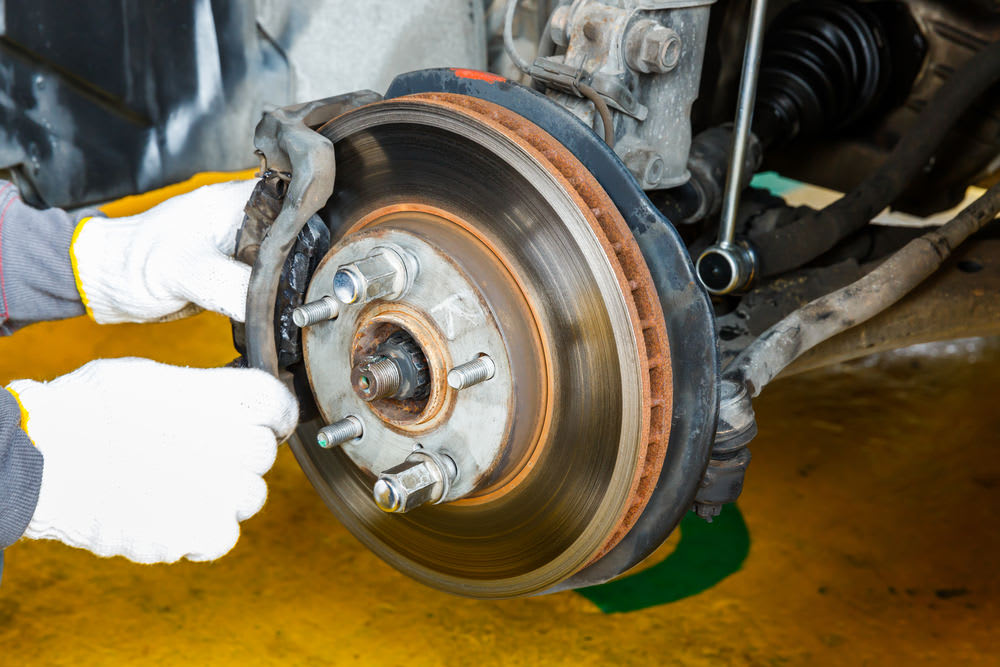
Driving in hilly or mountainous areas increases brake use. Dust, dirt, and road salt can cause rotors to rust faster. Wet weather also affects brake performance and wear. Environment shapes how quickly brake parts wear out.
Credit: www.yourmechanic.com
Typical Replacement Intervals
Knowing typical replacement intervals for rotors and brake pads helps keep your car safe. These parts wear out over time. Replacing them on time prevents bigger problems and costly repairs. Understanding the usual lifespan of brake pads and rotors helps plan maintenance. It also ensures your brakes work well every day.
Brake Pads Lifespan
Brake pads usually last between 30,000 and 70,000 miles. Driving style affects how fast they wear out. City driving with frequent stops wears pads faster. Highway driving is gentler on brake pads. Check pads regularly for signs of wear. Thin or noisy pads need quick replacement to stay safe.
Rotor Lifespan
Rotors last longer than brake pads but still wear out. Typical rotor lifespan ranges from 50,000 to 70,000 miles. Rotors can warp or become thin over time. This causes vibrations or poor braking. Rotors often get replaced every second time brake pads change. Regular inspection helps spot rotor damage early.
Manufacturer Recommendations
Car makers provide specific guidelines for brake part replacement. These vary by vehicle model and driving conditions. Follow the owner’s manual for exact intervals. Using recommended parts ensures proper fit and function. Ignoring these guidelines can reduce brake performance and safety. Always check manufacturer advice before replacing parts.
Maintenance Tips To Extend Brake Life
Maintaining your brakes helps keep them working longer and safer. Regular care stops quick wear and costly repairs. Simple steps can extend the life of rotors and brake pads. These tips save money and give you peace of mind on the road.
Regular Inspections
Check your brakes often. Look for signs like squeaking or grinding sounds. Inspect brake pads for thickness. Thin pads need replacement soon. Also, check rotors for grooves or cracks. Early spotting prevents bigger damage.
Proper Driving Techniques
Drive smoothly and avoid sudden stops. Gentle braking reduces stress on pads and rotors. Keep a safe distance to avoid hard braking. Slow down early at red lights and stop signs. This lowers brake wear and keeps parts lasting longer.
Brake Fluid Maintenance
Brake fluid helps brakes work correctly. Check fluid levels regularly. Change fluid as the car manual suggests. Old fluid can cause corrosion and reduce brake power. Clean fluid keeps the brake system healthy and efficient.
Diy Vs Professional Replacement
Deciding between DIY and professional replacement of rotors and brake pads depends on several factors. Many car owners consider doing it themselves to save money. Others prefer experts for safety and quality. Both options have benefits and challenges. Understanding these can help you choose the best option for your vehicle.
Safety Considerations
Brake systems are vital for safe driving. Mistakes during replacement can cause serious accidents. Professionals have training and experience. They follow strict safety standards. DIYers must know how to work carefully. Using the wrong parts or poor installation risks brake failure. Always check your knowledge before starting.
Tools Required
Replacing rotors and brake pads needs specific tools. You need a jack, lug wrench, and socket set. A C-clamp or brake caliper tool is necessary too. Professionals have all tools ready. DIYers may need to buy or rent them. Not having the right tools can make the job harder or unsafe.
Cost Comparison
DIY replacement saves money on labor fees. You only pay for parts and tools. Professionals charge for parts and service. The price depends on your car model and location. Mistakes during DIY can lead to extra costs. Professionals provide warranties on their work. This gives peace of mind after replacement.
Credit: www.powerstop.com
Frequently Asked Questions
How Often Should Brake Pads Be Replaced?
Brake pads typically need replacement every 30,000 to 70,000 miles. This varies by driving habits and pad material. Regular inspections help identify wear early and ensure safe braking performance.
When Do Rotors Need Replacement?
Rotors usually require replacement every 50,000 to 70,000 miles. Signs include warping, deep grooves, or vibration during braking. Proper rotor maintenance improves brake efficiency and vehicle safety.
Can I Replace Brake Pads Without Changing Rotors?
Yes, you can replace brake pads without changing rotors if the rotors are in good condition. However, worn or damaged rotors should be resurfaced or replaced to avoid brake issues.
What Factors Affect Rotor And Brake Pad Lifespan?
Driving style, road conditions, and vehicle type impact brake part lifespan. Frequent hard braking and hilly terrain cause faster wear. Regular maintenance extends the life of both rotors and pads.
Conclusion
Regularly changing rotors and brake pads keeps your car safe. Worn parts can cause poor braking and accidents. Check them every 30,000 to 70,000 miles or as your car manual says. Listen for squealing sounds or feel vibrations when braking.
These signs mean it is time to replace parts. Proper maintenance saves money and avoids bigger repairs later. Keep your brakes in good shape for smooth, safe driving. Simple checks make a big difference on the road. Don’t wait until problems get worse.
Stay alert and drive safely.


