

Your vehicle’s fuel filter plays a small but crucial role in keeping your engine running smoothly. But how do you know when it’s time to change it?
Ignoring this simple maintenance task can lead to poor performance, costly repairs, and even engine damage. If you want to avoid unexpected breakdowns and save money, understanding the signs of a clogged or failing fuel filter is essential. Keep reading to learn exactly what to watch for and how to keep your car running at its best.
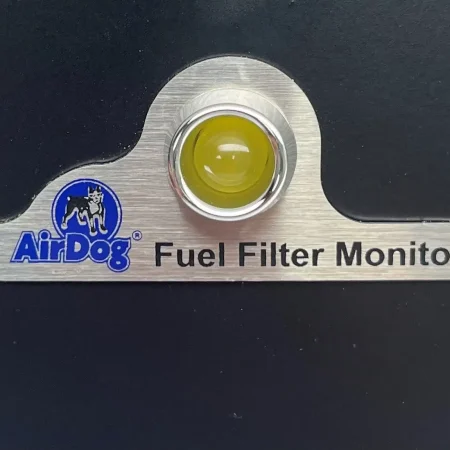
Credit: airdogdiesel.com
Role Of A Fuel Filter
The fuel filter keeps dirt and rust from entering the engine. It cleans the fuel before it reaches the engine parts. Clean fuel means the engine runs smoothly and lasts longer.
A clogged or dirty fuel filter can cause engine problems. It can reduce fuel flow and lower engine power. Changing the fuel filter on time helps avoid these issues.
How Fuel Filters Protect Your Engine
Fuel filters stop tiny particles from damaging the engine. Dirt and rust can block fuel injectors and cause poor engine performance.
By filtering out contaminants, the fuel filter keeps the engine parts safe. This helps the engine run clean and efficient. It also lowers repair costs.
Types Of Fuel Filters
There are two main types of fuel filters: inline and cartridge. Inline filters sit along the fuel line and are easy to replace.
Cartridge filters are inside the fuel system and need more work to change. Both types do the same job but fit different cars and engines.
Common Signs Of A Clogged Fuel Filter
A clogged fuel filter can cause several problems in your vehicle. It stops fuel from flowing properly. This can affect how your engine runs and how your car feels while driving. Knowing the common signs helps you decide when to change it.
Engine Performance Issues
Your engine may run rough or lose power. It might hesitate during acceleration. The car could stall or stop suddenly. These are clear signs the fuel filter is blocked. Fuel cannot reach the engine smoothly.
Difficulty Starting The Engine
Starting your car may take longer than usual. The engine might crank but not start easily. A clogged fuel filter limits fuel flow to the engine. This causes the engine to struggle during ignition.
Unusual Engine Noises
Listen for strange sounds from the engine. It may sputter or make knocking noises. These sounds show the engine is not getting enough fuel. A dirty fuel filter can cause this problem.
Fuel Efficiency And Filter Condition
Fuel efficiency depends a lot on the condition of your fuel filter. The filter stops dirt and debris from reaching the engine. Over time, it gets clogged. This makes the engine work harder and reduces fuel efficiency. Knowing the signs of a dirty fuel filter helps keep your car running smoothly.
Drop In Gas Mileage
A clogged fuel filter can cause a drop in gas mileage. You might notice that your car uses more fuel than before. The engine does not get enough clean fuel. This makes it burn more gas to keep the car moving. Tracking your mileage regularly can help spot this issue early.
Fuel Flow Restrictions
Fuel flow restrictions happen when the filter blocks fuel from flowing freely. The engine struggles to get the right amount of fuel. This can cause rough idling or trouble starting your car. Fuel flow problems often mean the filter needs to be replaced soon.

Credit: oilchangers.com
Visual And Maintenance Indicators
Fuel filters keep dirt and rust out of your engine. Over time, these filters get clogged. This can cause poor engine performance and even damage. Watching for visual and maintenance signs helps you know when to change the filter.
Manufacturer’s Replacement Schedule
Car makers set times to replace fuel filters. Check your owner’s manual for this schedule. Usually, it falls between 20,000 and 40,000 miles. Following this guide helps avoid filter problems. It saves money by preventing engine damage.
Fuel Filter Inspection Tips
Look at the fuel filter for dirt or rust buildup. A dark or clogged filter means it needs changing. Listen to your engine. Rough idling or trouble starting may signal a bad filter. Also, watch for a drop in fuel efficiency. These signs tell you the filter is blocked.
Consequences Of Ignoring Fuel Filter Replacement
Ignoring the need to replace a fuel filter can cause serious problems for your vehicle. The fuel filter cleans dirt and debris from the fuel before it reaches the engine. Over time, the filter gets clogged and stops working well. This can cause many issues that affect your car’s performance and health.
Skipping fuel filter changes can lead to bigger, more expensive problems. Your car might not run smoothly, and parts may wear out faster. Understanding the risks helps you avoid costly repairs and keep your vehicle in good shape.
Engine Damage Risks
A dirty fuel filter blocks fuel flow to the engine. This causes the engine to run poorly or stall. Lack of clean fuel can damage engine parts quickly. Dirt and debris may reach the engine, causing wear and tear. Over time, this can lead to engine failure. Repairing or replacing an engine is very costly and time-consuming.
Increased Repair Costs
Ignoring a clogged fuel filter can raise your repair bills. A blocked filter strains the fuel pump, causing it to fail. Fuel pumps are expensive to replace. Engine damage from dirty fuel adds to repair expenses. Regular filter replacement costs less than fixing engine or pump problems. Staying on top of filter changes saves money in the long run.
Steps To Replace A Fuel Filter
Replacing a fuel filter is a key part of car maintenance. It keeps the engine running smoothly by removing dirt and rust from fuel. Knowing the steps to replace a fuel filter helps save time and money. The process is simple with the right tools and safety measures.
This guide covers the tools needed, safety precautions, and basic replacement process. Follow these steps carefully for a successful fuel filter change.
Tools Needed
You need a few basic tools. A wrench or socket set fits the fuel filter bolts. Safety glasses protect your eyes from fuel splashes. A container or rag catches any fuel that leaks. Fuel line disconnect tools may be required on some cars. Have gloves ready to protect your hands.
Safety Precautions
Work in a well-ventilated area to avoid fuel fumes. Keep a fire extinguisher nearby for emergencies. Avoid open flames or sparks during the job. Wear safety glasses and gloves at all times. Relieve fuel system pressure before starting. Disconnect the car battery to prevent sparks.
Basic Replacement Process
Locate the fuel filter under the car or near the engine. Place a container or rag under the filter to catch fuel. Use the wrench to loosen the fuel lines. Remove the old filter carefully to avoid spills. Install the new filter in the same direction as the old one. Tighten the fuel lines securely. Reconnect the car battery. Start the engine and check for leaks. Dispose of the old filter properly.
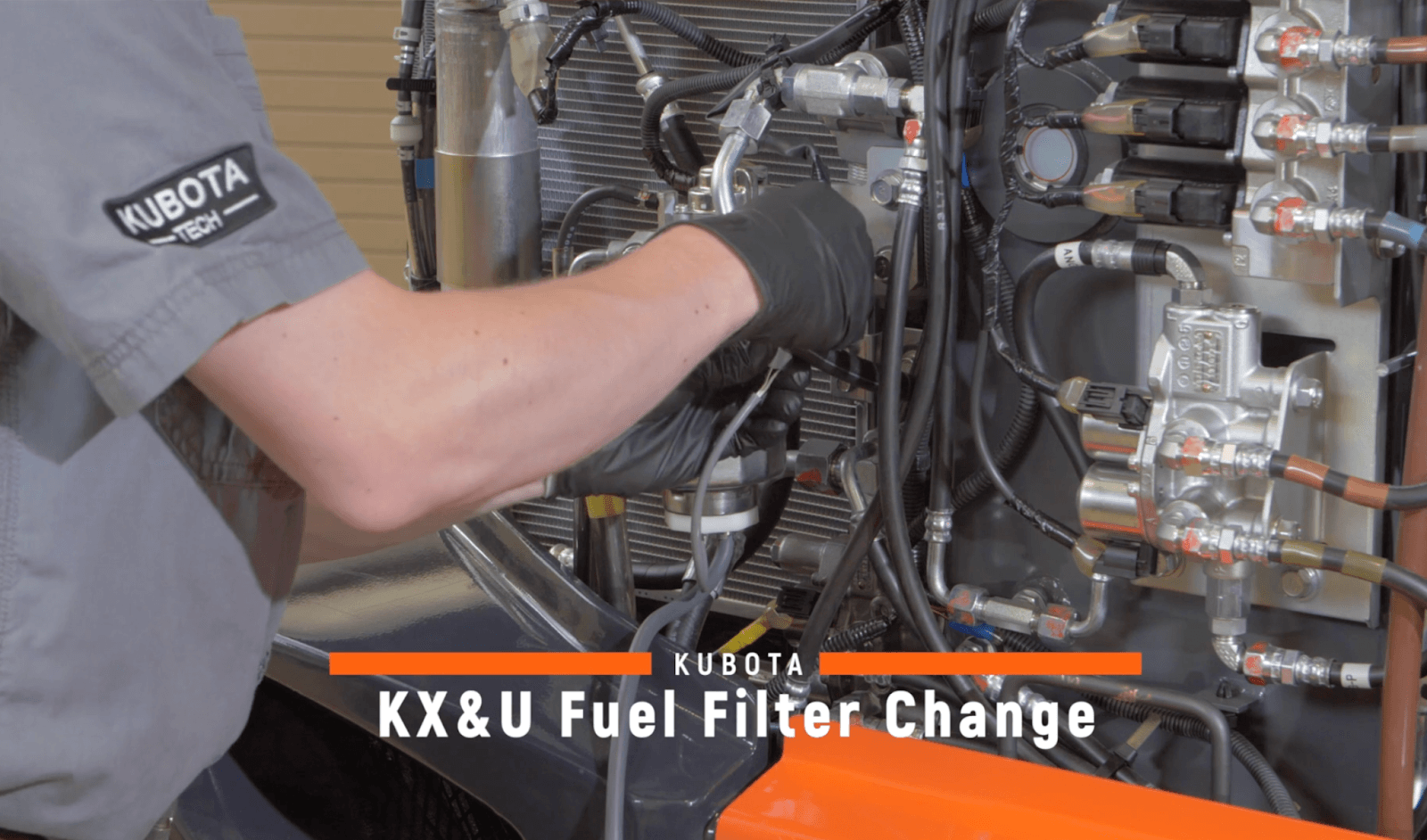
Credit: kubotacenter.com
Frequently Asked Questions
How Often Should I Change My Fuel Filter?
Fuel filters typically need replacement every 20,000 to 40,000 miles. Check your vehicle’s manual for specific intervals. Regular changes prevent engine issues and maintain fuel efficiency. Signs like rough idling or poor acceleration may indicate a clogged filter.
What Are Symptoms Of A Bad Fuel Filter?
Common signs include engine misfires, stalling, slow acceleration, and difficulty starting. A clogged fuel filter restricts fuel flow, causing these issues. Addressing symptoms early helps avoid costly repairs and ensures smooth engine performance.
Can A Dirty Fuel Filter Damage The Engine?
Yes, a dirty fuel filter can starve the engine of fuel. This leads to poor combustion and potential engine damage. Replacing the filter on time protects engine components and maintains optimal vehicle performance.
Is It Safe To Change A Fuel Filter Myself?
Changing a fuel filter can be safe with proper tools and precautions. Always relieve fuel system pressure and work in a well-ventilated area. If unsure, consult a professional mechanic to avoid injury or damage.
Conclusion
Changing your fuel filter keeps your engine running smoothly. Dirty filters block fuel flow and hurt performance. Watch for signs like rough idling or poor acceleration. Regular checks prevent costly repairs down the road. Trust your car’s manual for change intervals.
Taking care of this small part saves big money later. Don’t wait until problems appear. A clean fuel filter means better fuel efficiency and longer engine life. Simple steps can protect your vehicle and your wallet.


