

Have you ever wondered how often you should change your fuel filter? It’s one of those car maintenance tasks that many people overlook, but ignoring it can lead to serious engine problems.
Your fuel filter plays a crucial role in keeping dirt and debris out of your engine, ensuring your vehicle runs smoothly. If you want to avoid costly repairs and keep your car performing at its best, knowing when to replace this small but vital part is key.
Keep reading, and you’ll discover exactly how often you should change your fuel filter—and why it matters for your car’s health and your peace of mind.
Role Of A Fuel Filter
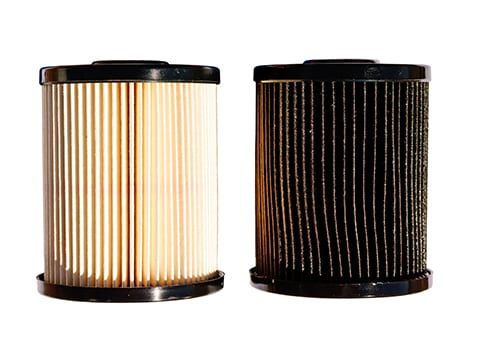
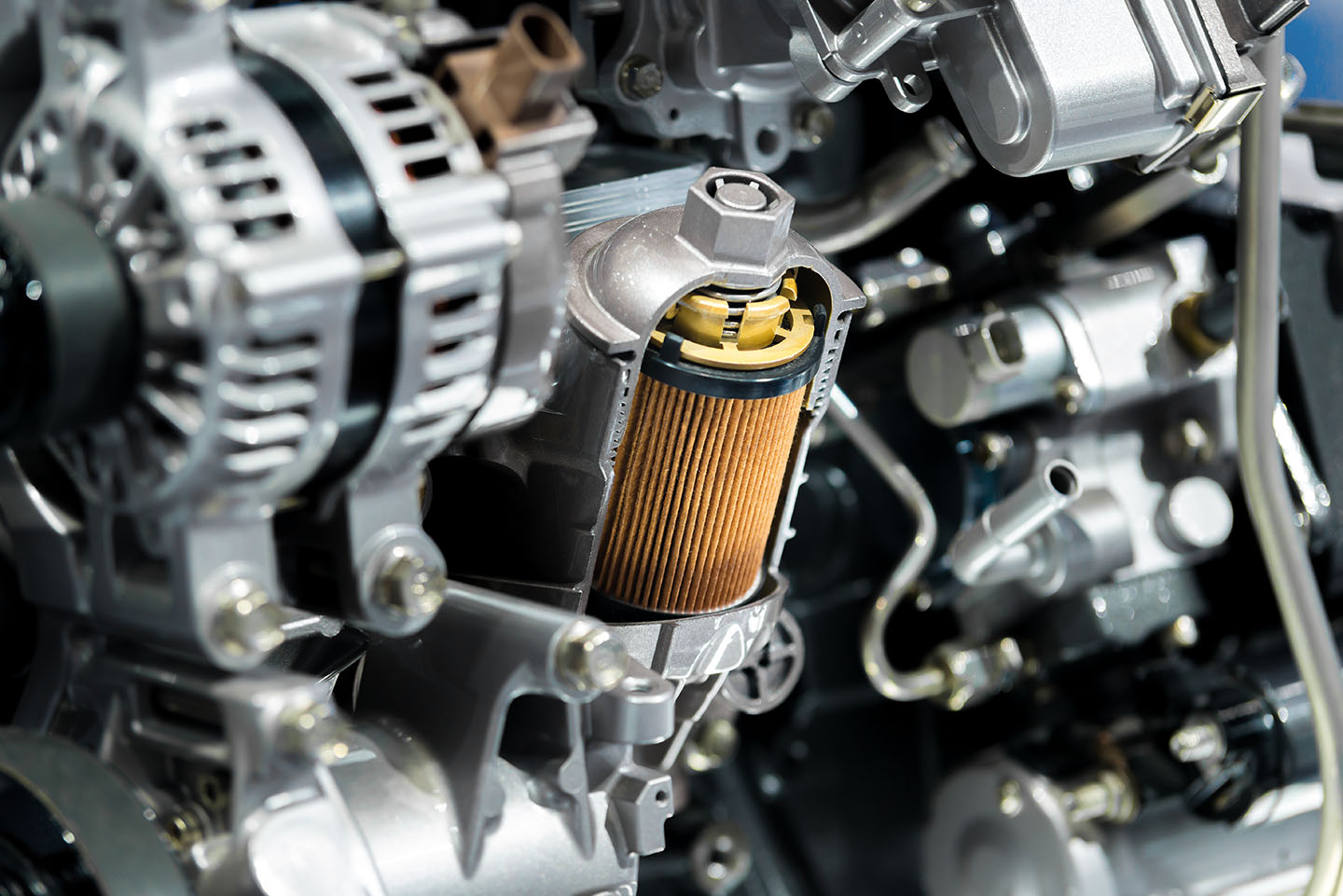
The fuel filter plays a key role in keeping your vehicle’s engine clean. It stops dirt, rust, and other particles from reaching the engine. This helps the engine run smoothly and last longer.
A clean fuel filter ensures that fuel flows freely and without blockage. It also protects important engine parts from damage caused by contaminants. Understanding the role of the fuel filter helps you maintain your vehicle better.
Fuel Filter Function
The fuel filter traps tiny particles in the fuel before they reach the engine. These particles can come from old fuel tanks or dirty fuel stations. The filter catches these impurities and keeps them out of the engine’s fuel system.
This filtering prevents clogs in fuel injectors and carburetors. It also stops corrosion inside the engine. Without a fuel filter, these particles would cause serious engine problems over time.
Impact On Engine Performance
A clean fuel filter helps the engine get the right amount of fuel. This keeps the engine running smoothly and efficiently. When the filter is dirty, fuel flow slows down. The engine may hesitate, lose power, or stall.
Dirty filters can make the engine work harder. This lowers fuel efficiency and increases emissions. Changing the fuel filter regularly helps avoid these problems and keeps your engine healthy.
Credit: www.waynesautocenter.com
Signs To Replace Fuel Filter
Knowing when to replace your fuel filter helps keep your car running well. A clogged filter blocks fuel flow. It can cause many engine problems. Watch for warning signs to avoid costly repairs. Here are key signs that mean it is time to change your fuel filter.
Decreased Fuel Efficiency
Your car uses more fuel than before. The engine works harder to get fuel through a dirty filter. You notice you fill the tank more often. This drop in miles per gallon is a clear sign.
Engine Misfires And Stalls
The engine hesitates or stops suddenly. Fuel does not reach the engine smoothly. This causes misfires or stalling, especially when accelerating or driving uphill. It shows the fuel filter is likely clogged.
Unusual Engine Sounds
You hear strange noises from the engine. A rough or sputtering sound means the engine struggles for fuel. The fuel filter may be dirty and needs replacement. Don’t ignore these sounds to avoid bigger issues.
Recommended Replacement Intervals
Knowing the right time to change your fuel filter helps keep your engine healthy. The fuel filter stops dirt and rust from reaching the engine. Changing it at the right time avoids poor engine performance and fuel system damage. Different factors affect how often you should replace it.
Manufacturer Guidelines
Car makers give specific advice on fuel filter changes. Check your vehicle’s manual for exact intervals. Most suggest changing the filter every 20,000 to 40,000 miles. Following these guidelines keeps your engine running smoothly. Ignoring them may cause engine problems and costly repairs.
Variations By Vehicle Type
Different vehicles need different fuel filter care. Diesel engines usually require more frequent changes than gasoline engines. Older cars may need filter replacement more often than newer models. High-performance vehicles might have special fuel filter needs. Always consider your vehicle type when planning replacements.
Driving Conditions Influence
Road and weather conditions affect fuel filter life. Driving on dusty or rough roads clogs filters faster. Frequent short trips can cause moisture buildup in the fuel system. Extreme temperatures also impact filter performance. Adjust your filter change schedule based on your usual driving conditions.
Credit: bostechauto.com
Diy Vs Professional Replacement
Changing a fuel filter is important for your vehicle’s health. You can choose to replace it yourself or hire a professional. Both options have pros and cons. Knowing these helps you decide what suits you best.
Tools Needed For Diy
Start with the right tools. You need a wrench set to loosen bolts. A screwdriver may be required for clamps. A container to catch fuel spills is useful. Gloves protect your hands from dirt and fuel. Safety glasses keep your eyes safe. A new fuel filter that fits your car is a must. Having a repair manual helps you follow steps correctly.
When To Seek Professional Help
Fuel systems can be tricky. If you notice leaks or strong fuel smells, stop immediately. Professionals have special tools and skills. They ensure the job is done safely. Complex fuel systems might need expert care. If your vehicle is under warranty, professionals keep it valid. Professionals can also check for other issues during replacement.
Consequences Of Neglecting Replacement
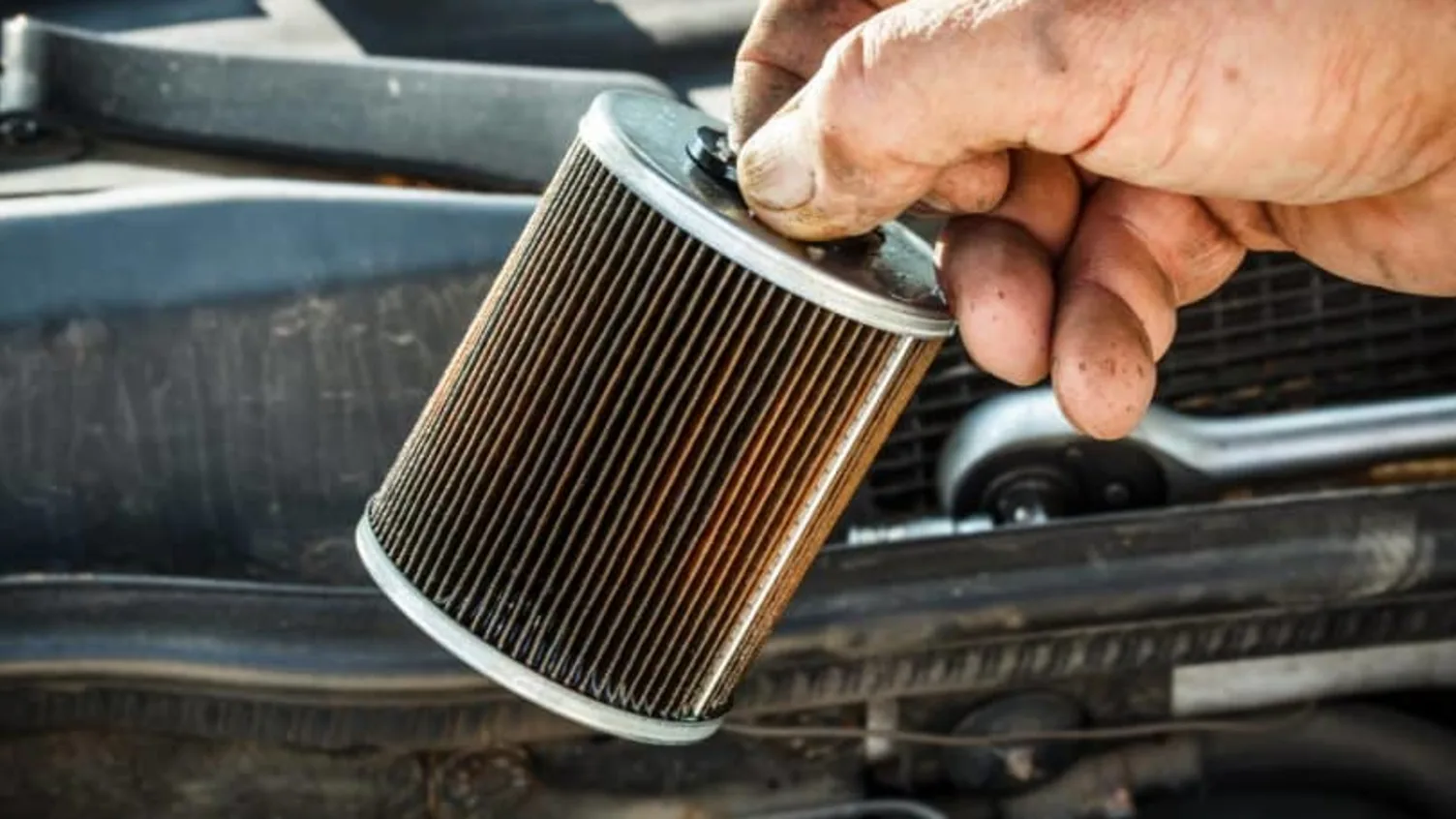
Ignoring the fuel filter replacement can cause serious problems for your vehicle. The fuel filter cleans dirt and debris from the fuel before it reaches the engine. Over time, it clogs and stops working well. This leads to several negative effects on your car’s performance and health.
Skipping this simple maintenance step can cause costly damage. It lowers your car’s efficiency and raises repair bills. Understanding the risks helps you avoid bigger issues later.
Engine Damage Risks
A dirty fuel filter lets dirt pass into the engine. This can damage fuel injectors and other parts. The engine may run roughly or stall. Long-term neglect can cause engine failure. Repairing engine damage is expensive and time-consuming.
Reduced Fuel Economy
A clogged filter reduces fuel flow. The engine works harder, using more fuel. You will notice your car uses fuel faster. This means more trips to the gas station. Over time, fuel costs add up quickly.
Cost Implications
Replacing a fuel filter is cheap compared to repairs. Ignoring the filter can cause damage costing hundreds or thousands. Engine repairs and fuel system fixes are costly. Regular filter changes save money and keep your car running smoothly.
Credit: www.bigboxcars.com.au
Tips For Maintaining Fuel Filter Health
Maintaining a healthy fuel filter keeps your engine running smoothly. A clean fuel filter stops dirt and rust from reaching the engine. This helps avoid costly repairs and improves fuel efficiency.
Simple habits help protect the fuel filter. These tips extend the filter’s life and keep your vehicle in good shape.
Using Quality Fuel
Choose good-quality fuel every time you fill up. Cheap or contaminated fuel can clog the filter quickly. Clean fuel reduces dirt and water buildup in the filter. This keeps the fuel system cleaner and more efficient.
Regular Vehicle Maintenance
Check your fuel filter during regular car service. Follow the manufacturer’s schedule for changing the filter. Inspect fuel lines and connections for leaks or damage. Clean filters improve engine performance and save money in the long run.
Frequently Asked Questions
How Often Should I Change My Car’s Fuel Filter?
Most experts recommend changing the fuel filter every 20,000 to 40,000 miles. Check your vehicle’s manual for exact intervals. Regular changes ensure clean fuel flow and prevent engine issues.
What Happens If I Don’t Change The Fuel Filter?
A clogged fuel filter can reduce fuel flow, causing engine misfires and poor performance. It may also increase fuel consumption and damage fuel injectors over time.
Can A Dirty Fuel Filter Cause Engine Problems?
Yes, a dirty fuel filter restricts fuel flow, leading to rough idling, stalling, and reduced acceleration. Replacing it promptly helps maintain engine efficiency and longevity.
Is Fuel Filter Replacement Necessary For All Vehicles?
Most vehicles require fuel filter replacement, but intervals vary. Some modern cars have lifetime filters. Always consult your owner’s manual or a trusted mechanic for guidance.
Conclusion
Changing your fuel filter regularly keeps your engine running smooth. Dirt and debris can block the filter and harm performance. Check your vehicle’s manual for the right change interval. Waiting too long may cause costly repairs. Clean fuel filters help save fuel and reduce emissions.
Stay on top of this simple task for better car health. Small steps like this make a big difference over time. Keep your fuel filter fresh and your car will thank you.

