

If you drive a diesel vehicle, you might wonder how often you should change your diesel fuel filter. This small but crucial part keeps your engine running smoothly by filtering out dirt and water from the fuel.
Ignoring it can lead to poor performance, costly repairs, or even engine failure. You’ll discover the signs that tell you it’s time for a change and learn the best schedule to keep your diesel engine healthy. Keep reading to protect your investment and avoid unexpected breakdowns.
Importance Of Diesel Fuel Filters
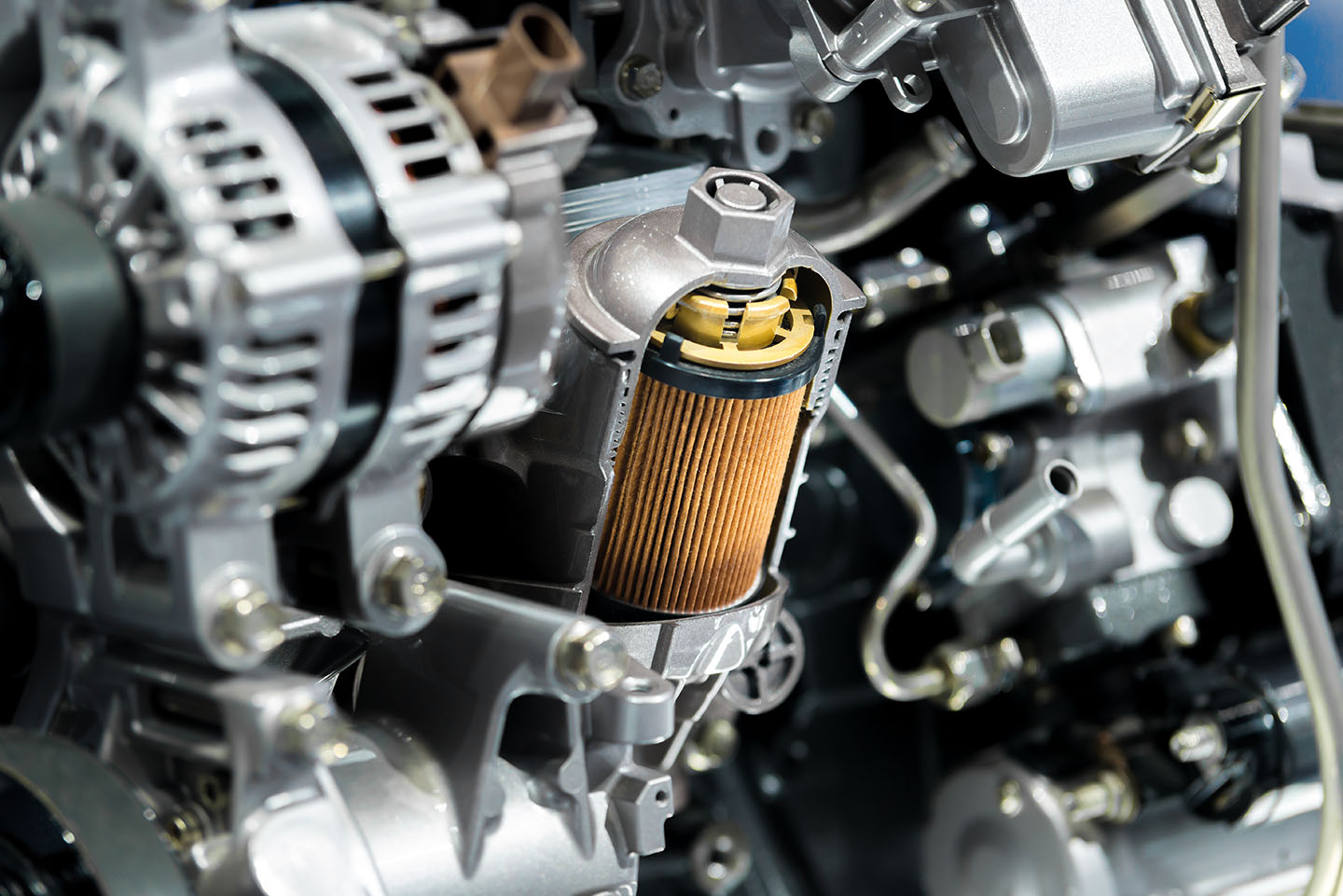
Diesel fuel filters play a key role in keeping your engine running well. They stop dirt, rust, and water from entering the engine. Clean fuel helps the engine work better and last longer. Changing the fuel filter regularly keeps your vehicle safe and efficient.
Role In Engine Protection
The fuel filter blocks harmful particles from reaching the engine. Dirt and rust can cause damage inside the engine parts. This damage leads to costly repairs. A clean filter ensures smooth fuel flow and protects engine components.
Impact On Fuel Efficiency
A clogged filter makes the engine work harder. The engine burns more fuel to run properly. This lowers fuel efficiency and raises fuel costs. Changing the filter helps keep fuel use low and performance high.
Common Issues From Neglect
Ignoring fuel filter changes causes many problems. The engine may stall or have trouble starting. Fuel injectors can get blocked or damaged. Engine power can drop, and emissions may increase. Regular filter changes prevent these issues.
Credit: bostechauto.com
Signs Of A Clogged Fuel Filter
A clogged diesel fuel filter can cause several problems in your vehicle. It blocks the flow of fuel to the engine. This leads to poor engine performance and other issues. Recognizing these signs early helps prevent engine damage. Below are key signs that show your fuel filter may be clogged.
Engine Performance Problems
The engine may lose power while driving. Acceleration becomes slow and weak. Your vehicle might stall or hesitate during use. These problems happen because the engine does not get enough fuel. A clean fuel filter allows smooth fuel flow to the engine.
Starting Difficulties
The engine struggles to start or won’t start at all. You might hear the engine turning but not firing up. This happens when fuel cannot reach the engine quickly. A clogged filter slows fuel delivery, making starting hard or impossible.
Unusual Noises
Strange sounds may come from the fuel pump area. You might hear whining or buzzing noises. These sounds occur because the pump works harder to push fuel. A clogged filter puts strain on the fuel system, causing noise and wear.
Recommended Replacement Intervals
Changing the diesel fuel filter at the right time keeps your engine healthy. It stops dirt and water from entering the fuel system. Knowing the recommended replacement intervals helps you avoid engine problems and costly repairs. These intervals depend on the vehicle and driving conditions.
Manufacturer Guidelines
Car makers give clear advice on when to change the fuel filter. This advice appears in the owner’s manual. Most suggest changing the filter every 20,000 to 40,000 miles. Following these guidelines keeps the engine running smoothly. Skipping this step may cause poor engine performance or damage.
Factors Influencing Frequency
Several things affect how often you need to replace the fuel filter. Driving on rough roads can bring more dirt into the fuel. Using low-quality diesel fuel may clog the filter faster. Frequent short trips do not let the fuel system clean itself well. Heavy towing or hauling loads can also increase filter wear.
Seasonal Considerations
Weather changes impact the diesel fuel filter’s lifespan. Cold weather can cause fuel to gel and block the filter. Water in diesel fuel may freeze and damage the filter in winter. Changing the filter before winter helps prevent these issues. Summer heat can also cause dirt to build up faster in the filter.
Credit: universalautospares.com.au
Step-by-step Replacement Process
Changing a diesel fuel filter is important for your engine’s health. It keeps dirt and water out of the fuel system. Follow this simple step-by-step process to replace the filter correctly. Doing this helps your engine run smoothly and last longer.
Tools Needed
- New diesel fuel filter
- Wrench or socket set
- Drain pan
- Gloves
- Rags or paper towels
- Screwdriver (if required)
- Safety glasses
Safety Precautions
Work in a well-ventilated area to avoid fumes. Wear gloves and safety glasses for protection. Make sure the engine is off and cool. Keep a fire extinguisher nearby. Avoid smoking or open flames during the process.
Filter Removal And Installation
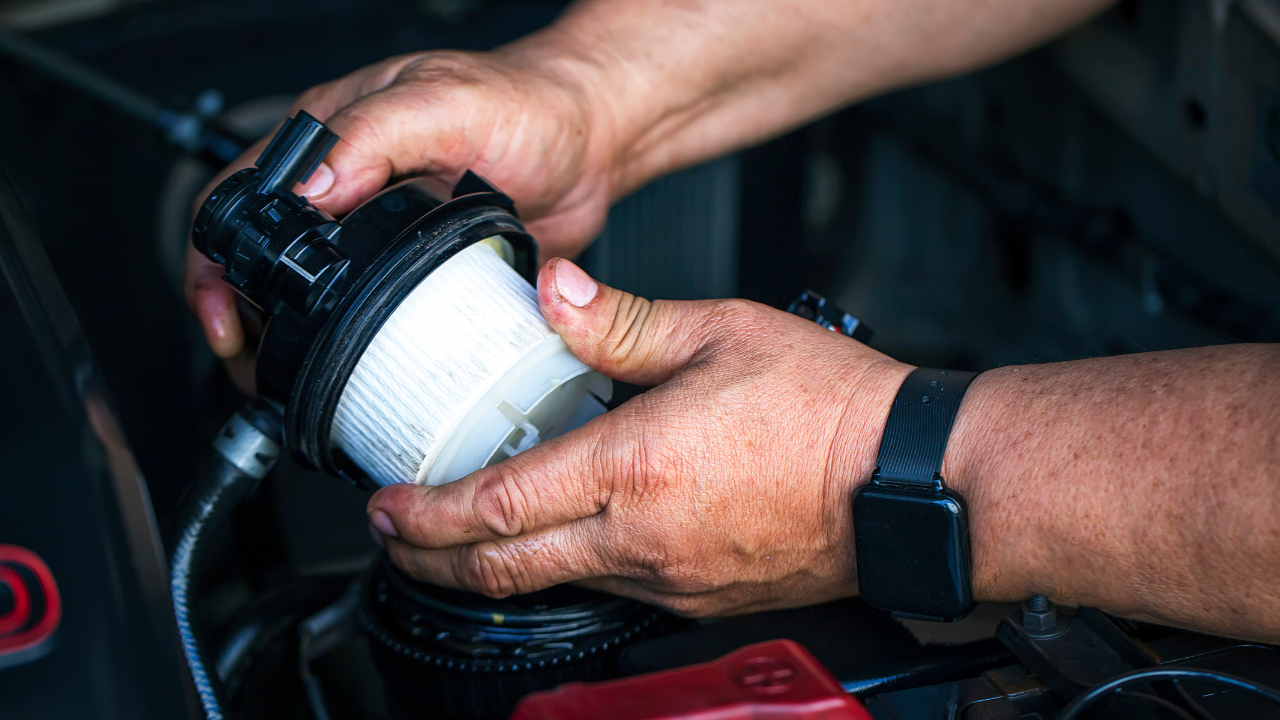
Place the drain pan under the filter to catch fuel. Loosen the old filter carefully with a wrench. Remove the filter and drain any fuel inside it. Clean the filter mount with a rag. Apply a thin layer of clean diesel to the new filter’s seal. Screw the new filter on by hand until tight. Use the wrench for a final snug fit but do not over-tighten.
Post-replacement Checks
Start the engine and check for leaks around the filter. Let the engine run a few minutes to remove air. Check the fuel system pressure if possible. Turn off the engine and inspect again. Dispose of the old filter and fuel safely.
Tips To Extend Fuel Filter Life
Extending the life of a diesel fuel filter saves money and keeps your engine running smoothly. Small steps make a big difference in fuel filter health. Proper care reduces the need for frequent changes.
Using High-quality Fuel
High-quality fuel contains fewer impurities that clog the filter. Choose trusted fuel brands to protect your system. Cleaner fuel means less dirt and debris in your filter. This keeps the filter working longer and better.
Regular Fuel System Cleaning
Cleaning the fuel system removes built-up dirt and sludge. This helps the filter avoid extra strain. Schedule fuel system cleaning as part of routine maintenance. It keeps fuel flowing smoothly and filter life extended.
Avoiding Contaminated Fuel
Contaminated fuel damages the fuel filter quickly. Always check fuel before filling your tank. Avoid fuel from unknown or suspicious sources. Clean fuel prevents damage to your diesel fuel filter.

Credit: www.fonho.com
Consequences Of Ignoring Filter Changes
Ignoring diesel fuel filter changes can cause serious problems for your vehicle. The fuel filter keeps dirt and debris out of the engine. When it clogs, the engine works harder and can suffer damage. This section explains the risks of skipping filter changes.
Engine Damage Risks
A dirty fuel filter reduces fuel flow to the engine. This causes poor engine performance and rough idling. Over time, the engine parts wear out faster. Fuel injectors can clog, leading to costly repairs. The engine may even stall or fail to start.
Increased Maintenance Costs
Neglecting filter changes leads to more frequent breakdowns. Repairing engine damage costs much more than replacing a filter. Fuel system repairs are expensive and time-consuming. Regular filter changes help avoid these high maintenance bills.
Reduced Vehicle Lifespan
Dirty fuel filters stress the engine and other components. This wear shortens the vehicle’s overall life. Engines that run on clean fuel last longer and perform better. Changing the fuel filter on time protects your investment.
Frequently Asked Questions
How Often Should I Change My Diesel Fuel Filter?
Typically, change your diesel fuel filter every 10,000 to 25,000 miles. Check your vehicle manual for exact intervals.
What Happens If I Don’t Change The Fuel Filter?
A clogged filter reduces engine performance, causes poor fuel efficiency, and may lead to engine damage.
Can I Change The Diesel Fuel Filter Myself?
Yes, with basic tools and knowledge, you can replace the filter safely at home.
How To Know When Diesel Fuel Filter Needs Replacement?
Look for symptoms like engine misfires, rough idling, or difficulty starting as signs for replacement.
Conclusion
Changing your diesel fuel filter regularly keeps your engine safe. Dirty filters block fuel and cause poor performance. Check your vehicle’s manual for the right change schedule. Usually, changing it every 10,000 to 15,000 miles works well. Clean fuel helps your engine run smoothly and last longer.
Don’t wait for problems to show up. Stay ahead with simple maintenance. Your diesel engine will thank you with better power and fewer repairs. Keep your fuel filter fresh for a strong, healthy engine.

