

You want your car to look shiny and new for as long as possible. But how often should you spray wax your car to keep that fresh, glossy finish?
If you’re wondering whether to wax every week, once a month, or only when your car looks dull, you’re not alone. Getting the timing right can protect your paint, save you time, and keep your ride turning heads. You’ll discover the perfect spray wax routine tailored just for your car and lifestyle.
Keep reading to find out how often you really need to spray wax and why it matters more than you think.

Credit: adamspolishes.com
Benefits Of Car Waxing
Waxing your car is more than just making it look good. It adds a strong layer of protection. This simple step keeps the paint safe and the car shiny. Regular waxing helps maintain the car’s value and appearance for a long time.
Here are some key benefits of car waxing that every car owner should know.
Protecting Paint
Car wax forms a shield over the paint. This shield guards against harmful UV rays from the sun. It stops the paint from fading or cracking. Wax also protects against small scratches and dirt damage. This keeps your car’s color fresh and bright.
Enhancing Shine
Wax makes your car’s surface smooth and shiny. It reflects light well, giving a glossy finish. A shiny car looks clean and cared for. This boost in shine improves the car’s overall appearance instantly.
Repelling Dirt And Water
Wax creates a water-resistant layer on the car. Water beads up and rolls off easily. This stops water spots and stains from forming. Dirt and dust do not stick as much, making the car easier to clean. The wax helps keep your car cleaner for longer.

Credit: mothers.com
Types Of Car Wax
Choosing the right car wax helps keep your car shiny and protected. Different waxes offer different benefits. Understanding each type helps you pick the best one for your needs.
Natural Wax
Natural wax is made from carnauba, a plant-based ingredient. It gives a deep, warm shine to your car’s paint. This wax is gentle and safe for all paint types. It lasts about 4 to 6 weeks before reapplication is needed. Natural wax is perfect for those who want a rich, natural look.
Synthetic Wax
Synthetic wax uses man-made chemicals to protect your car. It creates a strong, durable layer on the paint. This wax lasts longer than natural wax, up to 3 months. It also repels water and dirt effectively. Synthetic wax is great for drivers who want longer-lasting protection.
Spray Wax
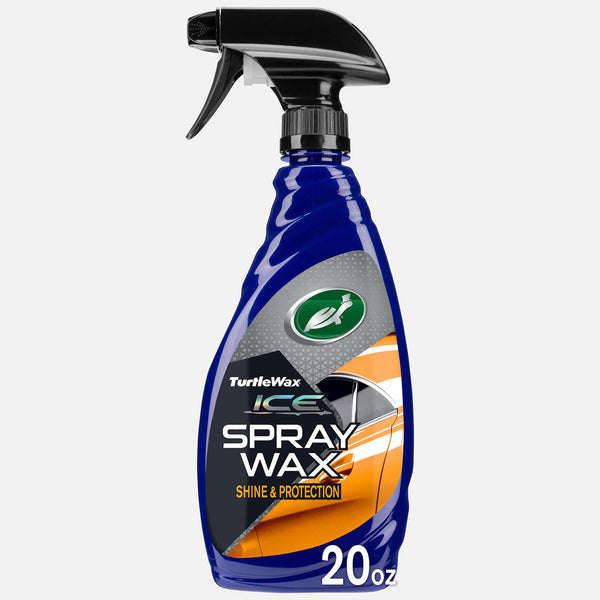
Spray wax is easy to apply and dries quickly. It gives a light shine and adds a layer of protection. This wax is ideal for quick touch-ups between full wax jobs. Spray wax does not last as long as natural or synthetic wax. Use it after washing to keep your car looking fresh.
When To Use Spray Wax
Spray wax is a quick and easy way to keep your car shiny. It does not replace regular waxing but helps between those sessions. Knowing when to use spray wax can save time and keep your paint protected.
Spray wax works best in certain situations. It adds a thin layer of protection and enhances shine. Use it often to keep your car looking fresh and clean.
Between Regular Waxing
Spray wax is perfect between regular waxing sessions. Regular wax lasts longer but takes more time to apply. Spray wax keeps your car shiny when the main wax fades. Use it every few weeks to maintain the shine.
Quick Touch-ups
Spray wax works well for quick touch-ups. It removes light dust and fingerprints. A fast spray and wipe bring back the gloss in minutes. Use it before trips or special events for a clean look.
After Washing Your Car
Applying spray wax after washing helps protect the paint. It seals the surface and adds water repellency. Spray wax makes drying easier and avoids water spots. Use it every time you wash for extra care.
Credit: www.turtlewax.com
Factors Influencing Wax Frequency
Knowing how often to spray wax your car depends on several key factors. These elements affect how quickly the wax wears off. Understanding them helps protect your car’s paint better. Your car’s environment and use are important to consider.
Climate And Weather
Hot sun can dry out wax faster. Rain and snow wash away protective layers. Humid areas may cause wax to break down quickly. Dust and dirt in dry places scratch paint. Cars in mild climates need less frequent waxing.
Driving Habits
Frequent long drives expose your car to dirt and debris. City driving with stop-and-go traffic can cause grime buildup. Off-road or dusty roads wear wax quicker. Gentle driving on clean roads helps wax last longer.
Storage Conditions
Cars kept in a garage face less weather damage. Outdoor parking exposes paint to sun, rain, and bird droppings. Covered parking reduces dust and dirt on the car. Indoor storage means waxing less often is okay.
Recommended Waxing Schedule
Maintaining a good waxing schedule protects your car’s paint and keeps it shiny. Spray wax is easy to apply and helps create a barrier against dirt and water. Knowing how often to spray wax depends on your car’s use and the environment. The right schedule keeps your car looking fresh without wasting time or product.
Monthly Waxing
Spraying wax once a month works well for most cars. It provides regular protection and keeps the paint smooth. Monthly waxing helps prevent dirt buildup and minor scratches. This schedule fits drivers who park in covered areas or drive mainly on clean roads.
Biweekly Spray Waxing
Spraying wax every two weeks suits cars exposed to harsher conditions. Frequent waxing adds extra layers of protection. It helps cars in rainy, dusty, or salty areas stay cleaner and safer. Biweekly waxing also keeps the shine strong and fresh.
Seasonal Adjustments
Adjust waxing frequency based on the season. In winter, spray wax more often to fight salt and grime. During summer, wax helps protect against sun damage and bird droppings. Changing your waxing routine with seasons keeps your car protected year-round.
Step-by-step Spray Wax Application
Applying spray wax to your car is a simple and quick way to protect its paint. Following a clear step-by-step process helps you get the best results. This section explains how to prepare your car, apply the spray wax, and buff it for a shiny finish.
Preparing The Surface
Start by washing your car thoroughly. Dirt and dust prevent wax from sticking properly. Use soap made for cars and rinse well with water. Dry the surface using a clean, soft towel. Check for any stubborn spots and clean them off. Your car’s surface must be cool and dry before waxing.
Applying Spray Wax
Shake the spray wax bottle well. Spray a light, even mist on a small area of the car. Avoid spraying too much to prevent streaks. Use a microfiber cloth to spread the wax gently. Work in small sections to cover the entire car evenly.
Buffing For Shine
Wait a few minutes for the wax to dry slightly. Take a clean, dry microfiber cloth and buff the wax in circular motions. This brings out the shine and smooth finish. Continue buffing until the surface feels smooth and glossy. Repeat the process on all sections for a complete shine.
Common Mistakes To Avoid
Spraying wax on your car keeps it shiny and protects the paint. But many people make simple mistakes that can harm the finish. Avoiding these errors helps your car look its best for longer.
Below are common mistakes to avoid when using spray wax.
Waxing Dirty Cars
Applying wax on a dirty car traps dust and dirt in the paint. This can cause scratches and dull the finish. Always wash and dry your car before spraying wax. Clean surfaces help the wax stick better and protect the paint.
Overusing Spray Wax
Using spray wax too often builds up layers on the paint. This can make the surface sticky and attract more dirt. Follow recommended intervals for waxing your car. Less is more when it comes to spray wax.
Ignoring Product Instructions
Each spray wax product has specific instructions for best results. Not following them can reduce effectiveness or cause damage. Read labels carefully and use the right amount. Apply in proper conditions, like shade and moderate temperature.
Maintaining Your Car’s Shine
Maintaining your car’s shine takes more than just spraying wax. It needs care and simple habits. A shiny car looks clean, fresh, and well kept. Regular care keeps the paint safe from damage. It also helps the wax last longer. Small steps make a big difference in keeping your car bright and smooth.
Regular Washing Tips
Wash your car often to remove dirt and dust. Use a gentle car shampoo and soft cloth or sponge. Avoid strong soaps that can strip wax. Rinse the car well with clean water. Dry with a soft towel to stop water spots. Washing keeps the surface clean and ready for wax.
Using Quick Detailers
Quick detailers clean and shine the car between washes. Spray a little on the surface and wipe with a microfiber cloth. They remove light dust and fingerprints without harming the wax. Use quick detailers to keep your car looking fresh every day.
Protective Measures
Park in shaded areas to protect the paint from sun damage. Use car covers if you park outside for long times. Avoid parking under trees to prevent sap and bird droppings. Clean any spills quickly to stop stains. These steps keep your car’s shine safe longer.
Frequently Asked Questions
How Often Should I Wax My Car For Best Protection?
Wax your car every three months to maintain a strong protective layer. This frequency shields paint from UV rays, dirt, and moisture. Regular waxing also enhances shine and prevents oxidation, keeping your car looking new longer.
Can I Wax My Car Too Often?
Yes, waxing too often can cause buildup and dull the finish. Stick to waxing every two to three months for optimal results. Over-waxing won’t improve protection and may require professional paint correction.
What Factors Affect How Often To Wax A Car?
Climate, driving conditions, and car color affect waxing frequency. Hot, sunny climates may need more frequent waxing. Similarly, frequent exposure to dirt or rain calls for regular maintenance to protect the paint.
Is Spray Wax Better Than Traditional Wax?
Spray wax is faster and easier to apply but offers less durable protection. Traditional wax provides a thicker, longer-lasting shield. Use spray wax for quick touch-ups and traditional wax for thorough protection every few months.
Conclusion
Spray waxing your car keeps its shine and protects the paint. Doing it every two to four weeks works well for most cars. This schedule helps prevent dirt and damage from building up. Remember, weather and driving habits can change how often to spray wax.
Check your car’s finish regularly to see if it needs a touch-up. A clean, waxed car looks great and lasts longer. Small efforts go a long way in car care. Keep your car shining with simple, regular spray waxing.


