Are your brakes making noise or feeling less responsive? You might be wondering how long it takes to change rotors and brakes.
Knowing the time involved can help you plan better and avoid unexpected delays. You’ll discover what affects the repair time and what to expect during the process. Stick with me, and by the end, you’ll feel confident about handling your brake maintenance or talking to your mechanic.
Let’s dive in and clear up the mystery around brake and rotor replacement times!
Time To Change Brake Pads
Knowing the time needed to change brake pads helps plan your car maintenance. Brake pads wear out over time and need replacement for safe driving. The process is not very long but varies by several factors. Understanding these factors helps set the right expectations. This section covers what affects the time and the average duration for changing brake pads.
Factors Affecting Replacement Time
Car model and brake system type influence the time required. Some cars have easier access to brake pads than others. The skill and experience of the mechanic also matter. New brake pads that fit perfectly speed up the job. Rust or damage can slow down the process. Tools and equipment used can make a difference. Sometimes extra steps like cleaning or resurfacing rotors add time.
Average Duration For Brake Pad Change
On average, changing brake pads takes 30 to 60 minutes per axle. Front brakes often take less time than rear brakes. A quick job may take about 30 minutes. Complex systems or additional repairs can stretch the time. Routine brake pad changes typically finish within one hour. Planning for an hour at the shop is safe for most cars.
Time To Replace Rotors
Knowing the time needed to replace rotors helps plan car maintenance better. Rotors wear down with use and must be replaced for safe braking. The time can change based on rotor condition and the tools available. Understanding these factors can prepare you for the repair process.
Rotor Condition And Replacement Needs
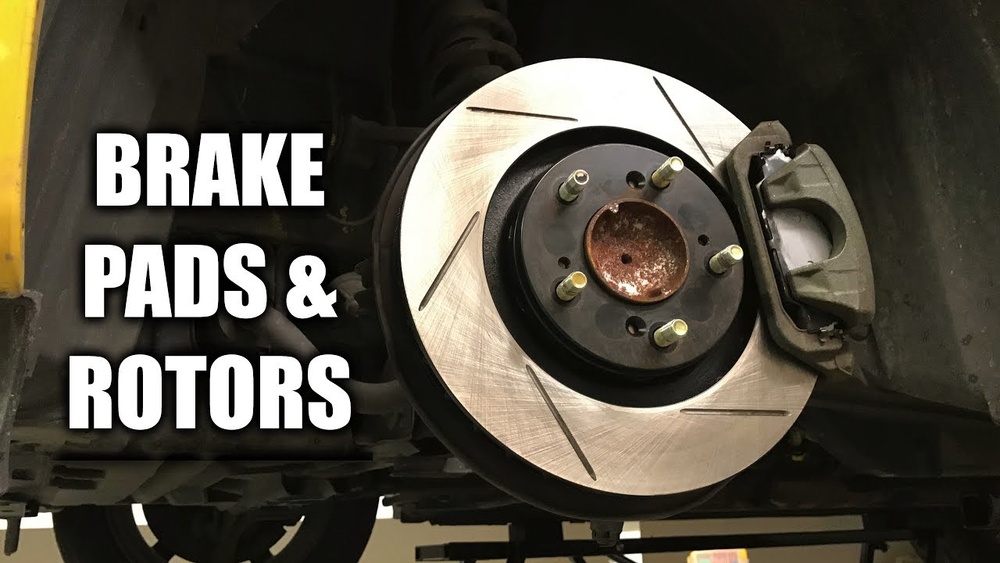
Rotors develop grooves, cracks, or warping over time. Deep grooves or warps cause brake vibration and noise. Thin rotors lose strength and can fail. A mechanic checks thickness and surface damage to decide replacement. Sometimes, rotors can be resurfaced if damage is light. Severe damage means full rotor replacement is necessary.
Typical Time Required For Rotor Change
Changing rotors usually takes between 30 and 60 minutes per axle. The process includes removing wheels, old rotors, and brake pads. Then, new rotors and pads are installed and tested. Complex vehicles or rusted parts can extend this time. Clean, modern cars often have faster rotor changes.
Tools And Preparation
Changing rotors and brakes requires more than just skill. Having the right tools and proper preparation makes the process smoother and safer. This section explains the tools needed and the steps to prepare before starting the job. Understanding these basics helps save time and avoid mistakes.
Essential Tools For Brake And Rotor Change
Basic tools include a jack and jack stands to lift the car safely. A lug wrench is necessary to remove wheel nuts. You will need a socket set with various sizes for bolts. A C-clamp or brake caliper tool helps compress the brake caliper piston. A flathead screwdriver assists in prying off parts gently. Brake cleaner keeps the new parts clean from dust. A torque wrench ensures bolts are tightened correctly. Gloves protect your hands from dirt and injury.
Preparation Steps Before Starting
Park the car on a flat surface and engage the parking brake. Loosen the wheel nuts slightly before lifting the car. Use the jack to raise the vehicle and secure it with jack stands. Remove the wheel fully to access the brake system. Check the new rotors and brake pads for any defects. Clean the hub surface to help the new rotor fit properly. Keep all removed parts organized to avoid confusion. Double-check your tools are within reach before you start the work.

Credit: vatire.com
Step-by-step Brake And Rotor Change
Changing your brake rotors and pads is a key car maintenance task. It keeps your vehicle safe and running well. The process is straightforward with the right tools and steps. Below is a clear guide to help you change them step-by-step.
Removing The Wheel
First, loosen the lug nuts with a wrench. Then, lift the car using a jack for safety. Remove the wheel carefully and set it aside. This gives full access to the brake system.
Detaching Old Brake Pads And Rotors
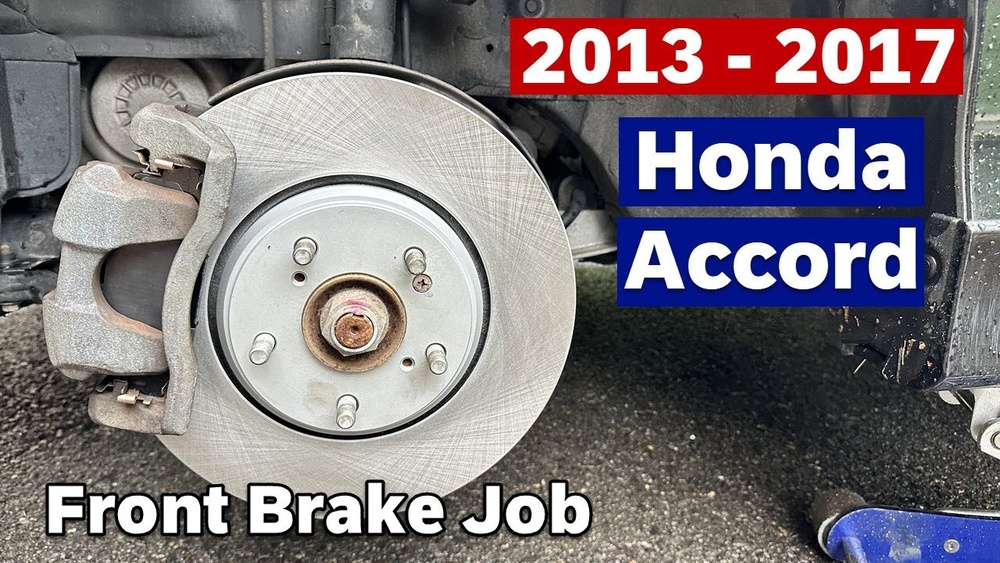
Locate the brake caliper and remove its bolts. Lift the caliper off the rotor and support it to avoid stress on the brake line. Remove the old brake pads from the caliper bracket. Next, remove the rotor by sliding it off the hub. Clean the hub surface to prepare for new parts.
Installing New Components
Place the new rotor onto the hub. Reinstall the caliper bracket and tighten its bolts securely. Insert the new brake pads into the bracket slots. Compress the caliper piston to fit over the new pads easily. Mount the caliper back over the rotor and pads.
Reassembling And Testing
Put the wheel back on and hand-tighten the lug nuts. Lower the car from the jack carefully. Tighten the lug nuts fully in a star pattern for balance. Press the brake pedal several times to set the pads. Test drive slowly to ensure brakes work smoothly.
Diy Vs Professional Service
Changing rotors and brakes can be done by yourself or by a professional. Each choice has its own benefits and challenges. This section looks at both options. It helps you decide what suits your needs best.
Pros And Cons Of Diy Replacement
Doing the job yourself saves money on labor costs. You learn more about your vehicle. You can work at your own pace.
DIY requires special tools and space. It takes longer if you lack experience. Mistakes can cause safety risks or extra costs. Not all brake systems are easy to fix at home.
When To Seek Professional Help
Professionals have the right tools and experience. They finish the job faster and safely. Warranty or insurance may require expert work.
Choose a pro if you feel unsure or lack tools. Complex brake systems or signs of deeper damage need expert care. Safety matters most with brakes and rotors.

Credit: www.youtube.com
Maintaining Brake And Rotor Longevity
Maintaining your brakes and rotors helps keep your car safe and running well. Good care can make these parts last longer. It also saves money by avoiding early replacements. Small steps in maintenance lead to big benefits over time.
Signs Of Wear To Watch For
Listen for squeaking or grinding noises when braking. These sounds often mean the brake pads are worn out. Check for vibration or pulsing in the brake pedal. This can show that rotors are warped or damaged. Notice if your car takes longer to stop. It may indicate brake wear or rotor issues. Look for visible grooves or cracks on the rotors. These signs mean it is time for a replacement.
Tips For Extending Brake Life
Drive gently to reduce brake wear. Avoid hard stops and fast starts. Keep your brakes clean by removing dust and debris. Have your brakes checked during regular car services. Replace brake fluid as recommended by your car’s manual. Use quality brake pads and rotors for better performance. Proper care helps your brakes last longer and work well.

Credit: www.jdpower.com
Frequently Asked Questions
How Long Does It Take To Replace Brake Rotors?
Replacing brake rotors typically takes 1 to 2 hours. The exact time depends on vehicle type and mechanic experience. Proper rotor replacement ensures braking safety and performance. DIY attempts may take longer without the right tools and knowledge.
Can I Change Rotors And Brake Pads Together?
Yes, changing rotors and brake pads together is common. It saves time and ensures optimal brake system performance. Rotors and pads wear together, so replacing both improves safety and longevity. Mechanics recommend doing both to avoid uneven wear.
What Factors Affect Brake Rotor Replacement Time?
Brake rotor replacement time varies by vehicle model, rotor condition, and mechanic skill. Rusted or stuck rotors require more effort and time. High-performance cars may need specialized tools, increasing replacement duration. Clear workspace and proper tools speed up the process.
Is It Safe To Drive Immediately After Changing Brakes?
It’s safe to drive after changing brakes, but initial bedding is crucial. Follow manufacturer instructions for proper pad break-in. Avoid hard braking for the first 100 miles. Proper bedding improves braking efficiency and rotor lifespan.
Conclusion
Changing rotors and brakes usually takes about one to two hours. This depends on your car model and the mechanic’s skill. Doing the job yourself might take longer if you are new. Regular brake checks keep your car safe and working well.
Don’t wait until you hear noises or feel vibrations. Timely maintenance saves money and prevents bigger problems later. Keep your brakes in good shape for smooth and safe driving. Simple steps can protect you and your passengers on the road.