Have you noticed a squeaky sound or rough feeling when you brake? Rust on your brake rotors might be the culprit.
It can affect your car’s performance and your safety. But don’t worry—you don’t have to be a mechanic to fix it. You’ll learn simple, effective ways to clean brake rotors rust and keep your brakes working smoothly. Keep reading, and you’ll discover easy steps that save you time and money while boosting your confidence behind the wheel.

Credit: bookmyboat.ca
Causes Of Rust On Brake Rotors
Rust on brake rotors appears more often than many drivers expect. It forms when metal meets certain conditions that cause oxidation. Understanding these causes helps in preventing and treating rust effectively.
Exposure To Moisture And Humidity
Brake rotors are metal and react quickly to water. Rain, dew, or washing the car leaves moisture on the rotors. High humidity speeds up the rust process. Moisture causes tiny rust spots that can spread fast.
Effects Of Road Salt
Road salt helps melt ice but harms metal parts. Salt sticks to brake rotors and causes rust to form. It eats away the protective layer on the metal. Salt increases rust damage, especially in winter months.
Inactivity And Storage Conditions
Cars left unused for a long time develop rust on rotors. Without driving, the rotors do not get cleaned by brake pads. Storing a vehicle in damp or unventilated areas worsens rust. Proper storage reduces the risk of rust forming.
Signs Of Rusty Brake Rotors
Rust on brake rotors affects your car’s safety and performance. Early detection helps prevent serious damage. Knowing the signs of rusty brake rotors keeps your vehicle in good shape. Below are common signs to watch for.
Visible Rust Patterns
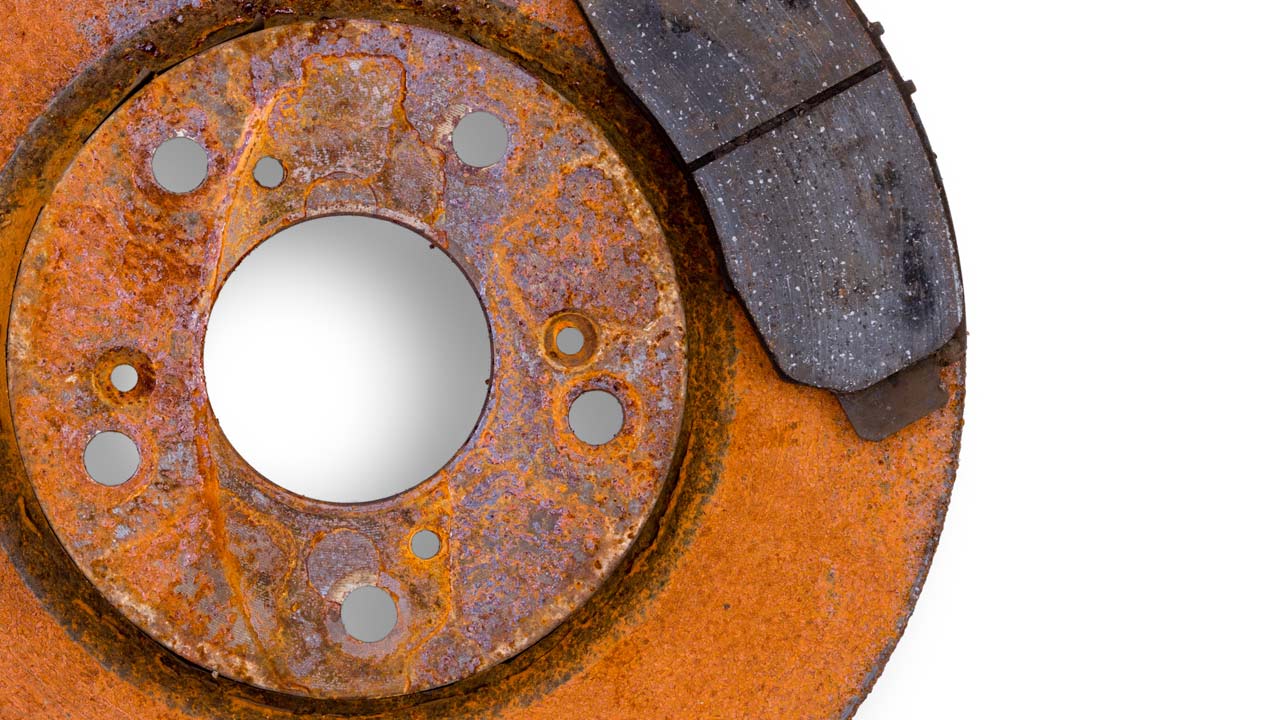
Rust often appears as a reddish-brown layer on the rotor surface. It may cover the entire rotor or form patches. Light surface rust can form quickly after rain or washing. Thick, flaky rust shows neglect and needs cleaning.
Brake Noise And Vibration
Squeaking or grinding noises during braking can signal rust buildup. Rust causes uneven contact between pads and rotors. This creates vibrations felt through the brake pedal. Noises and shaking warn of rotor damage.
Reduced Braking Performance
Rust reduces how well brakes grip the rotor. You may notice longer stopping distances or a soft brake pedal. The car might pull to one side during braking. These signs mean rusty rotors affect safety.
Tools And Materials Needed
Cleaning brake rotors rust requires specific tools and materials. Having the right items ensures a smooth and safe process. Prepare everything before starting the cleaning task. This saves time and avoids mistakes.
Cleaning Agents
Use a rust remover or brake cleaner spray. These products dissolve rust and grime quickly. Avoid harsh chemicals that can damage the rotor. Choose cleaners made for automotive use. They clean well without harming metal surfaces.
Brushes And Sandpaper
A wire brush is perfect to scrub off loose rust. It removes flakes and dirt easily. Sandpaper helps smooth rough spots on the rotor. Use medium-grit sandpaper to avoid deep scratches. Both tools help restore the rotor’s surface effectively.
Protective Gear
Wear gloves to protect your hands from chemicals. Safety glasses shield your eyes from rust particles. Use a dust mask to avoid breathing rust dust. Protective gear keeps you safe during the cleaning process.
Credit: www.drbeasleys.com
Step-by-step Cleaning Process
Cleaning rust off brake rotors keeps your brakes working well. It also helps your car stop safely. The process is simple and can be done at home. Follow these clear steps to clean the rust properly.
Preparing The Vehicle
Park the car on a flat surface. Turn off the engine and engage the parking brake. Use wheel chocks to stop the car from moving. Wear gloves and safety glasses for protection.
Removing The Wheel
Use a lug wrench to loosen the wheel nuts slightly. Lift the car using a jack and secure it with jack stands. Remove the loosened nuts and take off the wheel. Set the wheel aside safely.
Cleaning The Surface Rust
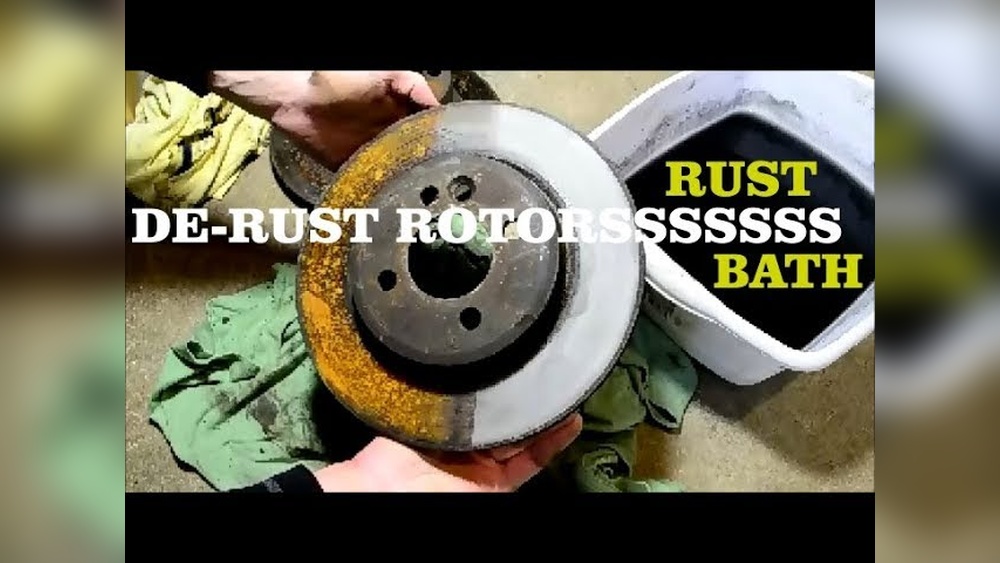
Use a wire brush or sandpaper to scrub the rusted areas. Apply firm but gentle pressure to avoid damage. Clean until the rust flakes off and the metal shines. Wipe off dust with a clean cloth.
Using Brake Cleaner
Spray brake cleaner evenly on the rotor surface. Let the cleaner sit for a few minutes. Use a clean cloth to wipe away dirt and leftover rust. Avoid touching the rotor with bare hands after cleaning.
Drying And Inspecting Rotors
Allow the rotors to dry completely before reassembling. Check for deep rust, cracks, or grooves on the rotor. If damage is visible, consider replacing the rotors. Otherwise, proceed to reinstall the wheel.
Preventing Future Rust Build-up
Rust on brake rotors reduces their effectiveness and safety. Preventing rust build-up helps keep your brakes working well. Simple habits and care can stop rust from forming again. Follow these easy steps to protect your brake rotors for a longer time.
Regular Driving And Maintenance
Driving your car regularly helps keep brake rotors clean. Each time you drive, the brake pads wipe off moisture and light rust. Avoid long periods of inactivity. Check rotors during routine maintenance. Clean off any dirt or surface rust early. This stops rust from getting worse and damaging the rotors.
Applying Protective Coatings
Use special brake rotor coatings to block moisture. These coatings create a thin barrier on the rotor surface. The barrier prevents rust from forming under damp conditions. Apply coatings after cleaning the rotors. Follow product instructions carefully for best results. Protective coatings can extend the life of your rotors significantly.
Proper Storage Tips
Store your vehicle in a dry, covered area. Avoid parking outside in rain or snow. If storage is long-term, clean and dry rotors before parking. Place moisture-absorbing materials near the wheels if possible. Proper storage reduces exposure to elements that cause rust. This simple step keeps brake rotors in better condition.
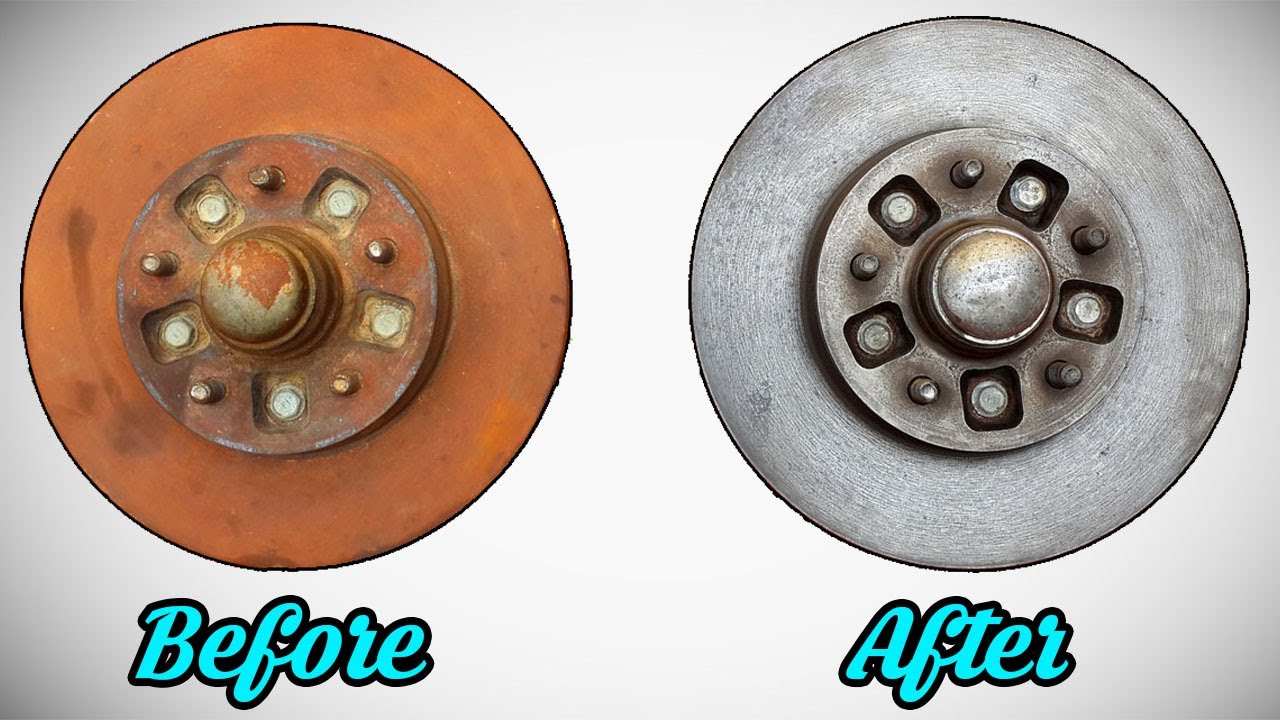
Credit: www.youtube.com
When To Replace Brake Rotors
Knowing when to replace brake rotors is key to safe driving. Rotors wear down over time and can develop rust or damage. Replacing them at the right time keeps braking smooth and reliable. Let’s explore the signs that show rotors need replacement.
Signs Of Severe Damage
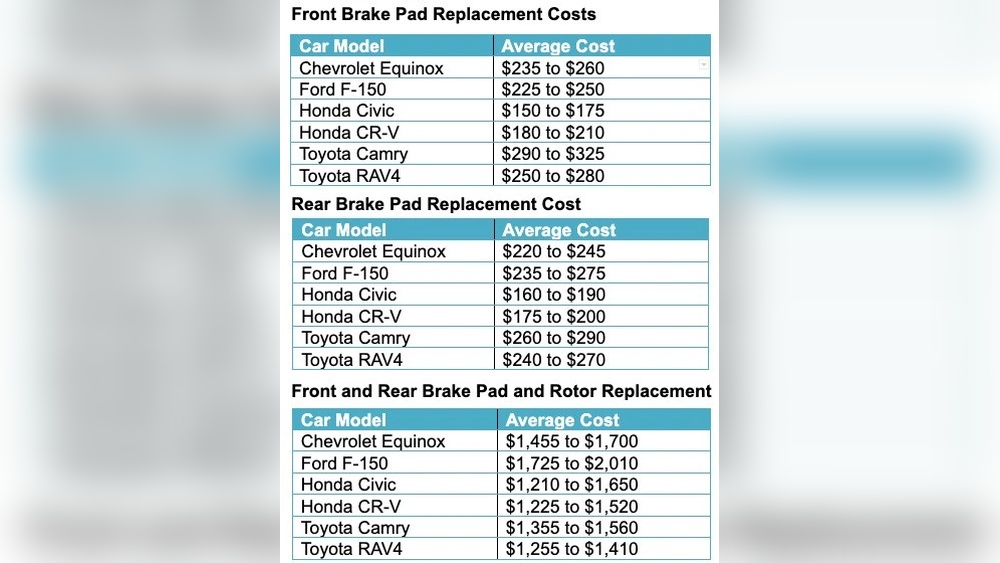
Look for deep grooves, cracks, or warping on the rotor surface. These signs mean the rotor is damaged and unsafe. You might feel vibration or noise when braking. Such symptoms mean the rotors must be replaced quickly.
Thickness And Wear Limits
Rotors have a minimum thickness limit set by the manufacturer. If the rotor is thinner than this limit, it cannot work properly. Use a micrometer to measure thickness. Replace rotors that do not meet the minimum thickness.
Consulting A Professional
A mechanic can check the rotors with special tools. They can measure thickness and spot hidden damage. Professionals know the safety standards and give the best advice. See a mechanic if unsure about rotor condition.
Frequently Asked Questions
How Do I Remove Rust From Brake Rotors Safely?
Use a wire brush or sandpaper to gently scrub the rust. Apply brake cleaner to remove residue. Always wear protective gear and avoid harsh chemicals that can damage rotors.
Can Rusted Brake Rotors Affect Vehicle Performance?
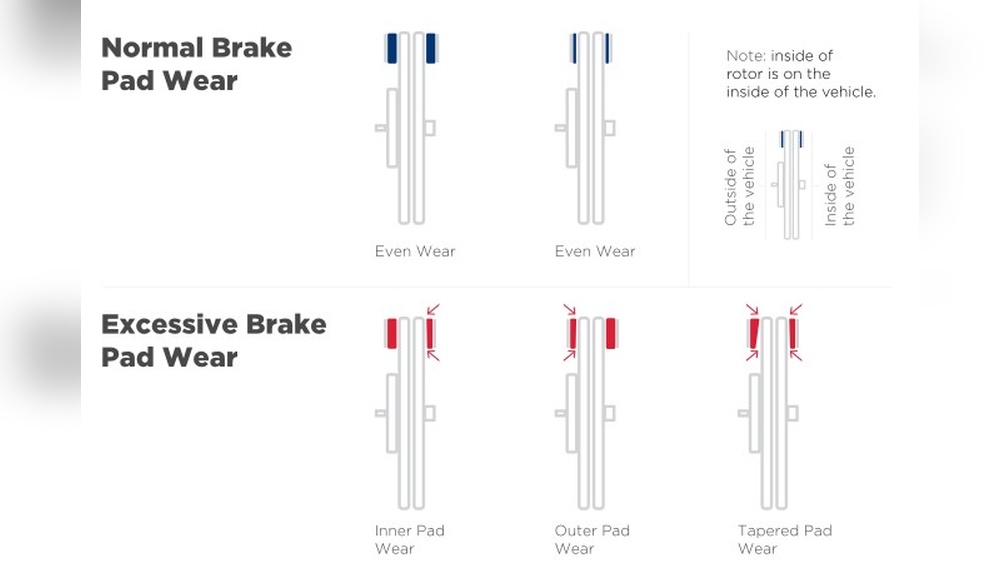
Yes, rust on rotors can cause brake noise, vibration, and reduced stopping power. Rust buildup may lead to uneven brake pad wear and compromise safety.
How Often Should I Clean Brake Rotors To Prevent Rust?
Clean rotors every few months or after exposure to moisture. Regular maintenance helps avoid rust buildup and ensures smooth braking performance.
Is It Necessary To Replace Rusted Brake Rotors?
Minor surface rust can be cleaned, but deep rust or pitting requires replacement. Consult a mechanic if rotors have severe corrosion or damage.
Conclusion
Cleaning brake rotors rust keeps your brakes working well. Simple tools and steps make the job easy. Regular cleaning prevents damage and saves money. Rust can cause noise and reduce brake safety. Taking time to clean rotors helps your car last longer.
A little effort now avoids bigger problems later. Stay safe by keeping your brake rotors clear of rust.