Have you ever wondered how often your fuel filter needs to be replaced? It’s a small part, but it plays a big role in keeping your engine running smoothly.
Ignoring it can lead to costly repairs and poor performance. You’ll discover the signs that tell you it’s time for a change and learn exactly when to replace your fuel filter to keep your vehicle in top shape. Keep reading—you don’t want to miss these simple tips that can save you time and money.
Credit: germanformula.com
Fuel Filter Basics
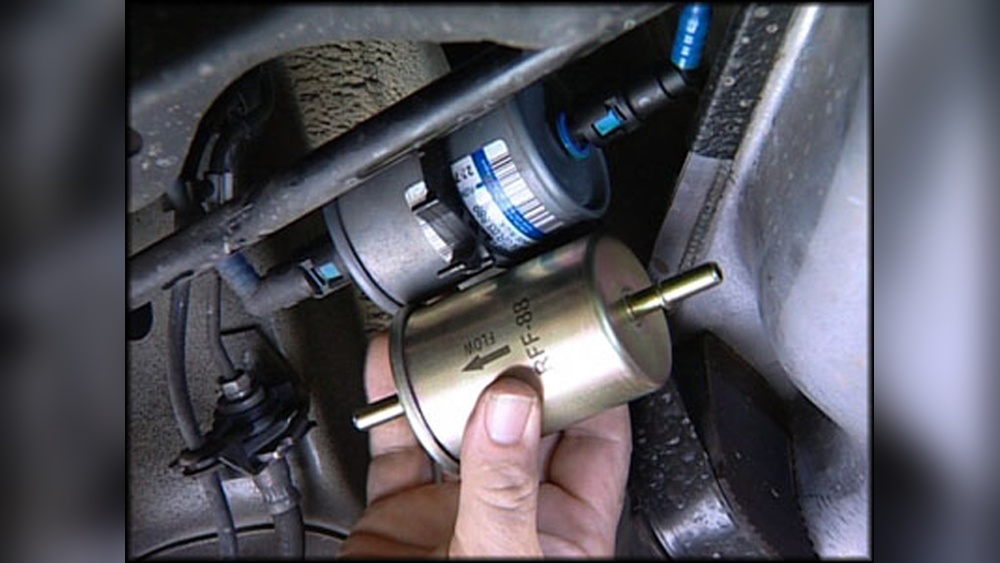
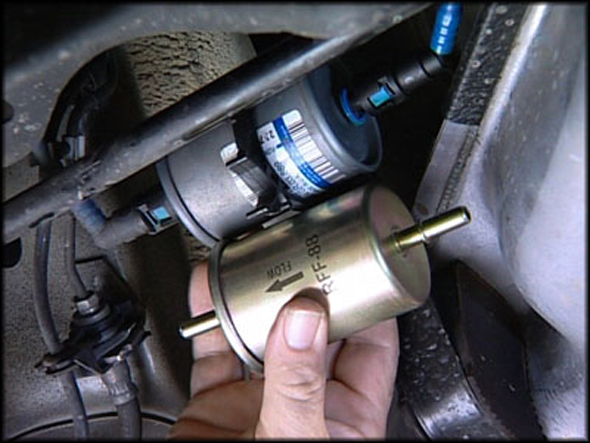
The fuel filter is a small but important part of your vehicle. It cleans the fuel before it reaches the engine. This keeps dirt and debris out. Clean fuel helps the engine run well and last longer. Understanding the basics of fuel filters can help you know when to replace them.
Fuel filters do more than just trap dirt. They protect many engine parts. Knowing their types and roles makes maintenance easier and more effective.
Role In Engine Performance
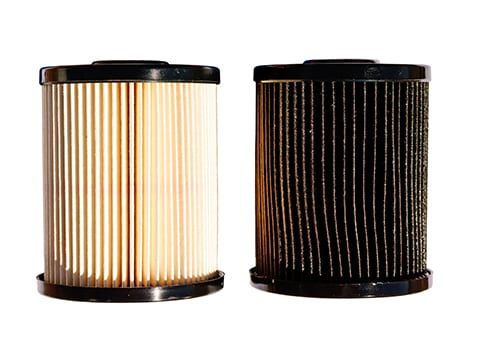
The fuel filter stops dirt and rust from entering the engine. These particles can block fuel injectors and cause poor engine performance. A clean fuel filter ensures steady fuel flow. It helps the engine run smoothly and use fuel efficiently. If the filter is dirty, the engine may lose power or stall.
Types Of Fuel Filters
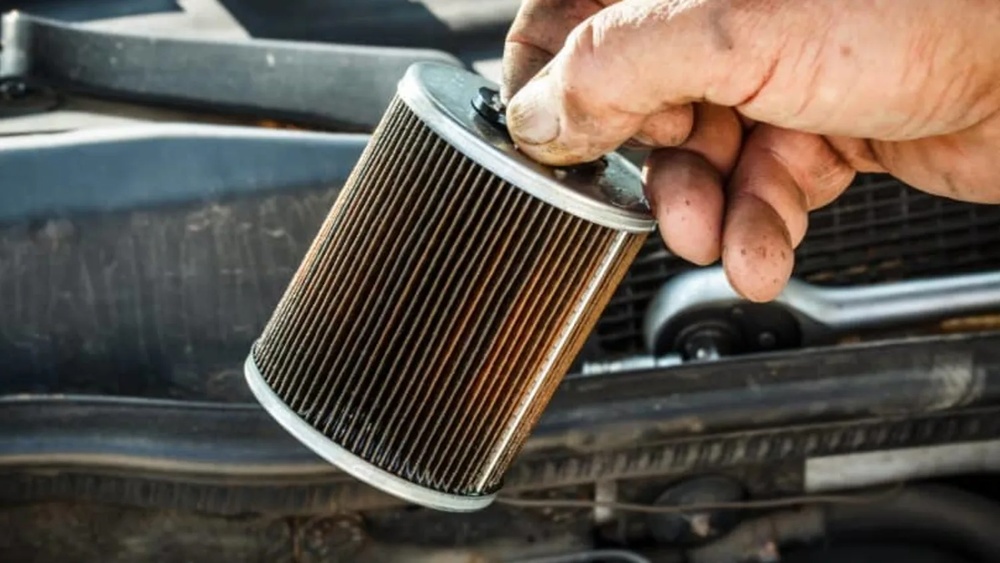
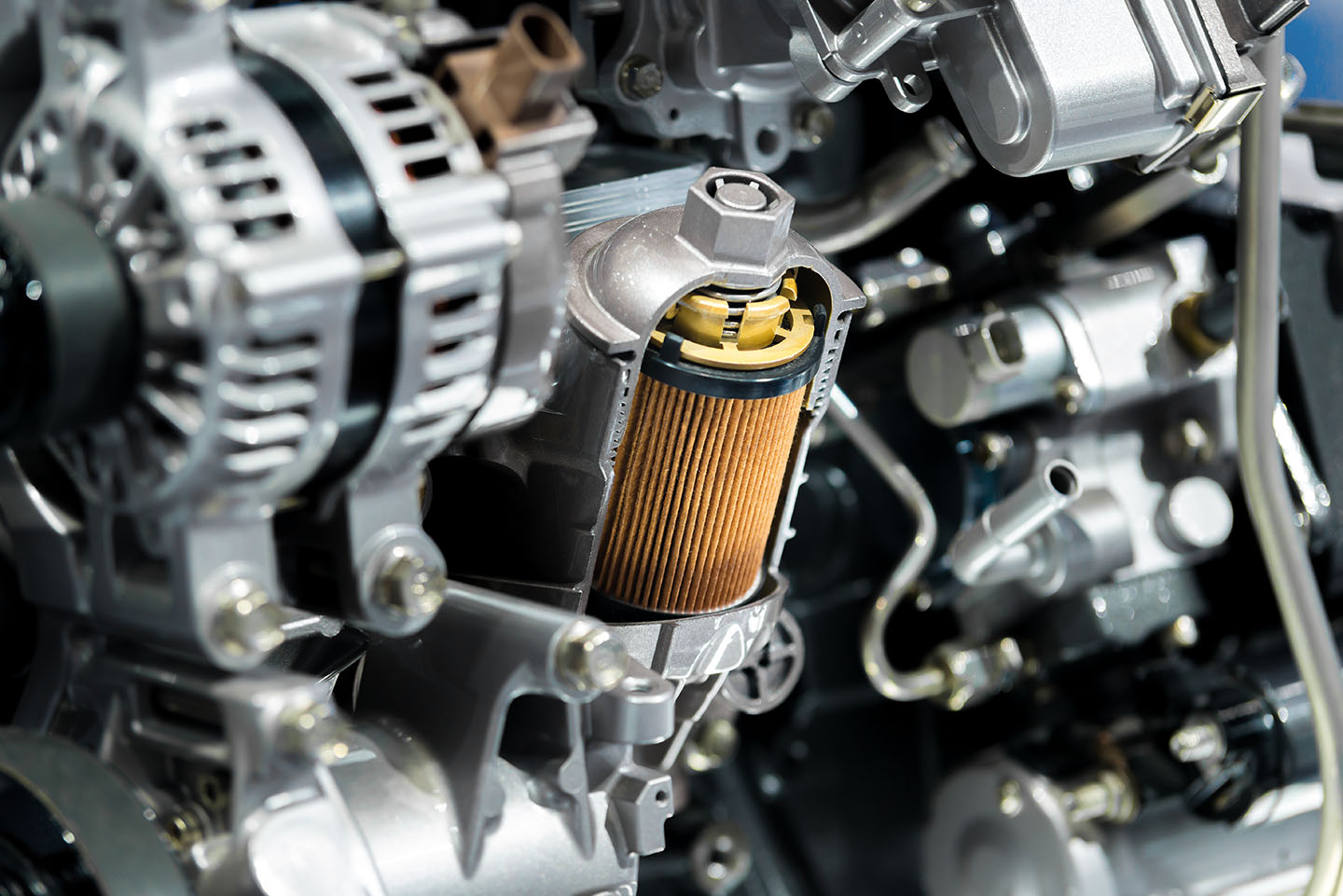
Fuel filters come in different types for different vehicles. Some are inside the fuel tank, called in-tank filters. Others are outside the tank, known as inline filters. Paper filters are common; they trap small particles well. Some filters use a mesh screen for larger debris. Knowing your vehicle’s filter type helps with proper replacement.
Credit: bostechauto.com
Signs Of A Clogged Fuel Filter
A clogged fuel filter can cause several problems in your vehicle. It stops fuel from flowing properly to the engine. This reduces engine performance and can damage other parts. Recognizing the signs early helps avoid costly repairs and keeps your car running smoothly.
Engine Misfires And Hesitation
The engine may misfire or hesitate during acceleration. This happens because the fuel supply is uneven or weak. The engine struggles to get enough fuel to work well. You might feel the car jerking or slowing down unexpectedly.
Reduced Fuel Efficiency
A dirty fuel filter makes the engine work harder. This uses more fuel than usual. You will notice your car needs gas more often. Reduced fuel efficiency means higher costs and more frequent stops at the pump.
Difficulty Starting The Engine
The engine may take longer to start or fail to start at all. A clogged fuel filter blocks fuel from reaching the engine. Without enough fuel, the engine cannot run properly. Starting problems often mean the filter needs checking or replacing.
Recommended Replacement Intervals
Knowing the right time to replace your fuel filter helps keep your vehicle running smoothly. The fuel filter traps dirt and debris that can harm the engine. Changing it at the right time protects your car’s performance and fuel efficiency.
Manufacturer Guidelines
Check your vehicle’s manual for specific fuel filter replacement advice. Most manufacturers suggest changing the filter every 20,000 to 40,000 miles. Some newer models may have longer intervals. Following these guidelines keeps the engine clean and avoids costly repairs.
Impact Of Driving Conditions
Driving in dusty or dirty areas clogs the fuel filter faster. Stop-and-go traffic and short trips also wear the filter more quickly. Harsh conditions may require replacing the filter sooner than the manual suggests. Watch for signs like engine hesitation or poor fuel economy as warnings.
Diy Vs Professional Replacement
Deciding between DIY and professional fuel filter replacement depends on your skills and tools. Changing a fuel filter can save money if done correctly. It requires care and the right equipment to avoid damage or safety risks.
Some car owners prefer doing it themselves to learn and cut costs. Others choose professionals for safety and guaranteed work. Knowing what each option involves helps make the best choice for your vehicle.
Tools Needed For Replacement
To replace a fuel filter yourself, gather these tools:
- Wrench set for loosening bolts
- Screwdrivers for clamps or covers
- New fuel filter matching your car model
- Container to catch fuel spills
- Safety gloves and goggles
- Rags for cleaning up
Having all tools ready before starting makes the process smoother.
Step-by-step Replacement Process
First, relieve fuel system pressure. This stops fuel from spraying out.
Next, locate the fuel filter. Check your car manual if unsure.
Use a wrench to loosen bolts holding the filter. Remove any clamps carefully.
Take out the old fuel filter. Watch for fuel spills and catch them.
Install the new filter in the correct direction. Tighten bolts and clamps securely.
Finally, start the engine and check for leaks. If none appear, the job is done.
When To Seek Professional Help
Seek help if you feel unsure or lack tools. Fuel system parts can be dangerous to handle.
If your car has a complex fuel system, a mechanic is safer. Professionals spot hidden issues during replacement.
Persistent leaks or engine problems after replacement also need expert care. They ensure proper installation and safety.
Choosing a professional can save time and prevent costly mistakes.
Consequences Of Delayed Replacement
Delaying the replacement of a fuel filter can cause many problems. The fuel filter cleans dirt and rust from the fuel. Over time, it clogs and stops working well. This leads to serious issues in your car’s engine and fuel system. Ignoring this part can cost you more money and trouble later.
Engine Damage Risks
A clogged fuel filter reduces fuel flow to the engine. This can cause the engine to run poorly or stall. Dirt and debris may reach the engine, causing wear and tear. Over time, this can lead to costly repairs. The engine may lose power and efficiency. Replacing the fuel filter on time helps protect the engine.
Fuel System Issues
A dirty fuel filter strains the fuel pump, making it work harder. This can cause the pump to fail early. Fuel injectors may also get clogged and stop working correctly. The car might have trouble starting or running smoothly. Clean fuel filters keep the fuel system parts safe and working well.
Tips For Maintaining Fuel Filter Health
Keeping your fuel filter in good shape helps your engine run smoothly. A clean fuel filter stops dirt and rust from reaching the engine. This saves you from costly repairs and improves fuel efficiency. Here are some simple tips to keep your fuel filter healthy and working well.
Regular Maintenance Schedule
Check your fuel filter at least once a year or every 20,000 to 30,000 miles. Follow the car maker’s advice for exact timing. Replace the filter if you notice rough engine running or poor fuel economy. Regular checks prevent clogging and keep fuel flowing freely.
Using Quality Fuel
Choose good quality fuel from trusted stations. Poor fuel may contain dirt or water that clogs the filter faster. Clean fuel helps your filter last longer and keeps the engine parts safe. Avoid cheap or unknown fuel sources to protect your fuel system.
Credit: www.waynesautocenter.com
Frequently Asked Questions
How Often Should A Car’s Fuel Filter Be Replaced?
Typically, replace the fuel filter every 20,000 to 40,000 miles. Check your vehicle’s manual for specific guidelines. Regular replacement ensures clean fuel flow and optimal engine performance.
What Are Signs Of A Clogged Fuel Filter?
Common signs include engine misfires, poor acceleration, and difficulty starting. A clogged filter restricts fuel flow, causing these issues. Timely replacement prevents engine damage.
Can I Replace The Fuel Filter Myself?
Yes, with basic tools and safety precautions, you can replace it. However, consult your vehicle manual and consider professional help if unsure.
Does Fuel Type Affect Fuel Filter Replacement Frequency?
Yes, diesel engines often require more frequent fuel filter changes than gasoline engines. Fuel quality and driving conditions also impact replacement intervals.
Conclusion
Regular fuel filter changes keep your engine running smooth. Dirty filters block fuel flow and cause problems. Check your car’s manual for the right replacement time. Usually, changing the filter every 20,000 to 30,000 miles works well. Don’t wait for signs like rough idling or poor gas mileage.
Staying ahead saves money and prevents damage. Clean fuel means better performance and longer engine life. Simple steps like this protect your vehicle every day. Keep your car healthy with timely fuel filter care.