

If you drive a diesel truck, you know how important it is to keep it running smoothly. One key part that often gets overlooked is the fuel filter.
But how often should you change the fuel filter in your diesel truck? Ignoring this simple maintenance step can lead to costly repairs and poor engine performance. You’ll discover exactly when and why changing your fuel filter matters. Keep reading to protect your truck and save money in the long run.
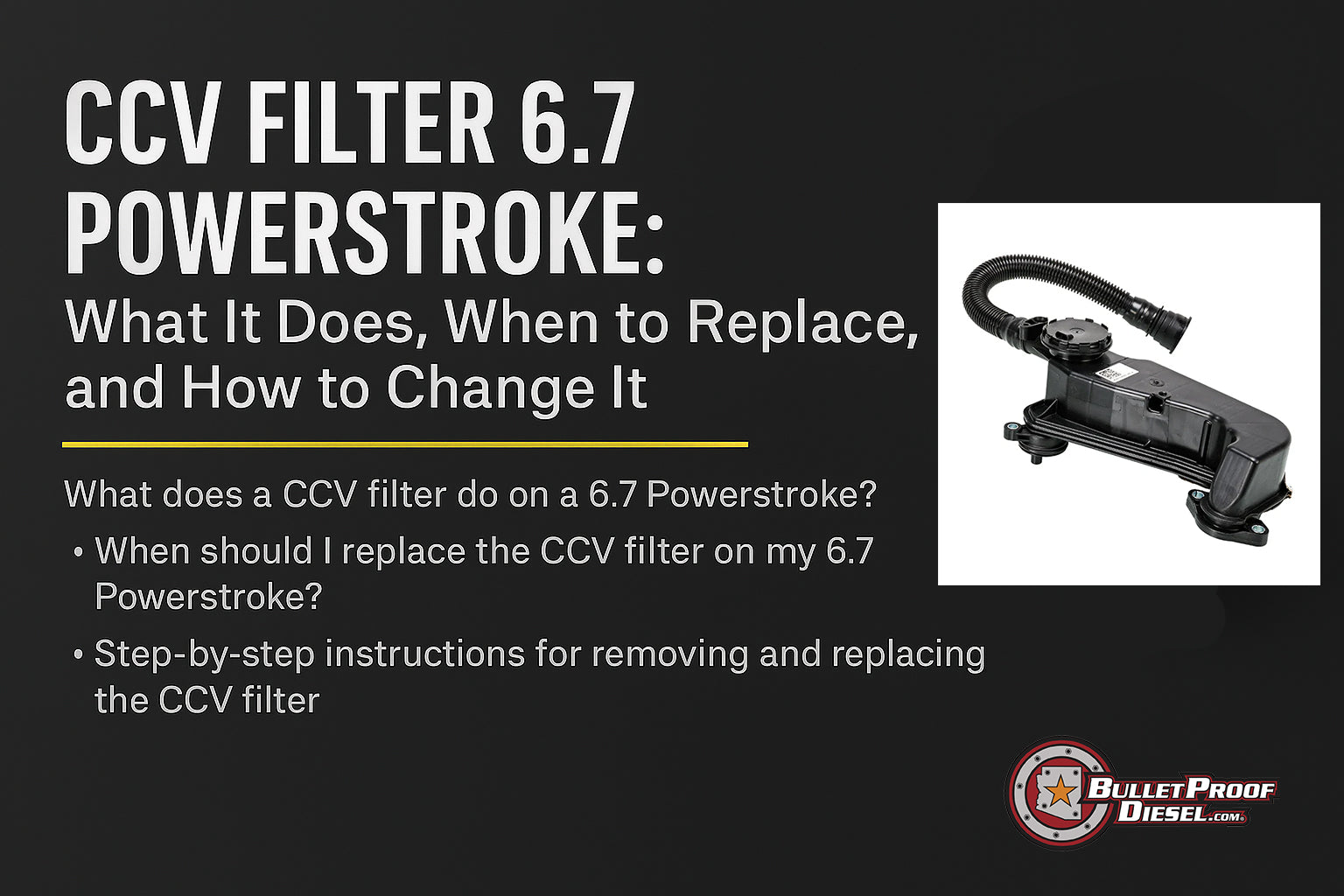
Credit: bulletproofdiesel.com
Role Of Fuel Filter In Diesel Trucks
The fuel filter plays a vital role in keeping diesel engines healthy. It cleans the diesel fuel before it reaches the engine. This helps protect the engine parts from dirt and damage.
Fuel filters stop tiny particles and water from entering the fuel system. Clean fuel ensures the engine runs smoothly and lasts longer. A good filter also improves fuel efficiency and reduces engine problems.
Fuel Contaminants And Engine Impact
Diesel fuel often contains dirt, rust, and water. These contaminants harm engine parts like injectors and pumps. They cause poor engine performance and higher fuel use.
Water in fuel can cause corrosion and damage the engine. Dirt and rust block fuel flow, leading to engine stalling or failure. The fuel filter removes these harmful substances to protect the engine.
Fuel Filter Types For Diesel Engines
There are different fuel filters for diesel trucks. The most common are cartridge and spin-on filters. Cartridge filters need replacement, while spin-on filters are easy to change.
Some filters include water separators to remove water from fuel. Choosing the right filter helps keep the engine clean and running well. Regular filter checks prevent fuel system damage.
Signs Of A Clogged Fuel Filter
A clogged fuel filter can cause many problems in a diesel truck. It blocks the fuel flow to the engine. This makes the engine work harder and less smooth. Recognizing the signs early helps avoid serious engine damage. Watch for changes in how your truck runs and starts.
Engine Performance Issues
A clogged fuel filter reduces fuel flow to the engine. The engine may hesitate or stall during acceleration. You might hear sputtering sounds or notice rough idling. The truck may lose power on hills or under heavy load. These issues mean the engine does not get enough fuel.
Fuel Efficiency Drop
Fuel filters trap dirt and debris from fuel. When clogged, the engine works less efficiently. You will see fewer miles per gallon on the road. The truck uses more fuel to maintain normal speed. A drop in fuel efficiency often signals a dirty fuel filter.
Starting Problems
A blocked fuel filter can stop fuel from reaching the engine. This causes hard starting or failure to start at all. The engine may crank longer or fail to catch. Frequent starting problems often point to a clogged fuel filter. Fixing this early saves time and money.
Recommended Replacement Intervals
Knowing the right time to change your diesel truck’s fuel filter is important. The fuel filter keeps dirt and debris out of the engine. Over time, it can get clogged and reduce engine performance. Following recommended replacement intervals helps keep your truck running smoothly and avoids costly repairs.
Manufacturer Guidelines
Truck makers provide specific advice on when to change fuel filters. These guidelines appear in the owner’s manual. Most manufacturers suggest changing the filter every 15,000 to 30,000 miles. This range varies depending on the truck model and engine type. Always follow the manufacturer’s schedule to protect your engine.
Factors Affecting Replacement Frequency
Several things can change how often you need to replace the filter. Driving in dusty or dirty areas clogs the filter faster. Using low-quality fuel can also cause buildup. Trucks that work hard or run long hours may need more frequent changes. Check the filter regularly for signs of clogging or damage.
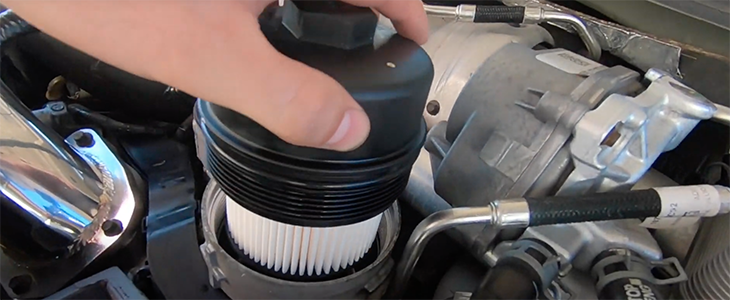
Credit: ecogard.com
Diy Fuel Filter Replacement Steps
Changing the fuel filter in a diesel truck is a task many owners can handle themselves. Doing it yourself saves money and helps you learn more about your vehicle. The process is straightforward and requires only a few tools. Follow these simple steps to replace the fuel filter safely and effectively.
Tools And Safety Precautions
Gather the right tools before starting. You will need a new fuel filter, wrenches, screwdrivers, and a container for old fuel. Wear gloves to protect your hands from diesel and dirt. Work in a well-ventilated area to avoid inhaling fumes. Keep a fire extinguisher nearby just in case. Make sure the engine is cool to prevent burns.
Step-by-step Replacement Process
Start by locating the fuel filter under the truck or near the engine. Loosen the clamps or bolts holding the old filter. Place a container underneath to catch any spilled fuel. Carefully remove the old filter and discard it properly. Install the new filter in the same position, tightening clamps or bolts securely. Prime the fuel system by pumping the filter or turning the ignition on and off a few times. Check for leaks and ensure the engine runs smoothly. Clean up any spilled fuel before finishing.
Benefits Of Timely Fuel Filter Changes
Changing the fuel filter on time brings many benefits to your diesel truck. It helps keep the engine clean and working well. A clean fuel filter stops dirt and rust from entering the engine. This makes your truck run smoother and last longer.
Prolonged Engine Life
A clean fuel filter protects the engine parts from damage. Dirt and debris can cause wear and tear inside the engine. Changing the fuel filter regularly reduces this risk. This leads to fewer repairs and a longer engine life.
Improved Fuel Efficiency
A fresh fuel filter helps fuel flow smoothly to the engine. This makes the engine burn fuel better. Better fuel burning means your truck uses less fuel. Saving fuel means spending less money on diesel.
Reduced Emissions
Dirty fuel filters can cause the engine to burn fuel poorly. Poor fuel burning creates more harmful smoke from the exhaust. Changing the fuel filter lowers these emissions. This helps keep the air cleaner and meets emission rules.
Common Mistakes To Avoid
Changing the fuel filter in a diesel truck is important for engine health. Many truck owners make common mistakes that reduce filter efficiency. Avoiding these errors helps keep your truck running smoothly and saves money on repairs.
Ignoring Warning Signs
Warning signs show when the fuel filter needs changing. These include rough engine idling, loss of power, and poor fuel economy. Ignoring these signs can cause engine damage. Always pay attention to how your truck runs.
Using Low-quality Filters
Low-quality filters do not clean fuel properly. They allow dirt and debris into the engine. This can cause clogs and damage fuel injectors. Choose filters from trusted brands to protect your engine and improve performance.
Improper Installation
Installing the fuel filter incorrectly causes leaks and poor fuel flow. It may also allow contaminants to enter the fuel system. Follow the manufacturer’s instructions carefully. Use the right tools and check for tight seals.
Professional Maintenance Vs Diy
Deciding between professional maintenance and DIY for changing your diesel truck’s fuel filter can impact your truck’s performance and your wallet. Both methods have pros and cons. Knowing when to call a professional and when to do it yourself helps keep your truck running smoothly.
When To Seek Expert Help
Fuel filters are vital for your diesel truck’s engine health. Sometimes, the job is simple and safe to do at home. But certain signs mean it’s best to call a mechanic. If you notice fuel leaks, engine misfires, or warning lights, let a professional check it. Complex fuel systems need special tools and skills. Professionals can spot hidden problems early. They also ensure the filter is installed correctly to avoid damage.
Cost Comparison
Doing the fuel filter change yourself saves money on labor costs. You only pay for the filter and basic tools. But mistakes can be costly. A wrong installation may harm the engine and lead to expensive repairs. Hiring a professional costs more upfront. The fee covers expertise, tools, and a warranty on the work. This can save money by preventing future damage. Choose the option that fits your budget and skill level best.

Credit: www.youtube.com
Frequently Asked Questions
How Often Should I Change A Diesel Truck Fuel Filter?
You should change the fuel filter every 15,000 to 25,000 miles. Check your truck’s manual for exact intervals. Frequent replacement prevents clogging and keeps your engine running efficiently.
What Are Signs Of A Clogged Fuel Filter?
Common signs include engine misfires, reduced power, poor acceleration, and hard starts. A clogged filter restricts fuel flow, causing performance issues. If you notice these, inspect or replace the fuel filter promptly.
Can I Change The Fuel Filter Myself?
Yes, with basic mechanical skills and proper tools, you can change it yourself. Follow safety precautions and your truck’s manual instructions. Otherwise, seek professional service to avoid damage.
Does Fuel Quality Affect Filter Lifespan?
Yes, low-quality or contaminated diesel fuels clog filters faster. Using clean, high-quality fuel extends filter life and improves engine performance. Regular fuel checks help maintain filter efficiency.
Conclusion
Changing the fuel filter keeps your diesel truck running well. Dirty filters block fuel and can cause engine trouble. Most trucks need a new filter every 15,000 to 25,000 miles. Check your truck’s manual for exact advice. Regular changes save money and avoid breakdowns.
Don’t wait for problems to start. Keep the fuel clean and the engine strong. Simple steps like this help your truck last longer. Stay on schedule, and your truck will thank you.


