Your car’s brakes are one of the most important safety features you rely on every day. But how often should you change your brake rotors to keep your vehicle running smoothly and, more importantly, keep you safe?
If you’ve been wondering whether your brakes need attention or if it’s time for a replacement, you’re not alone. Understanding when and why to change your brake rotors can save you money, prevent accidents, and give you peace of mind on the road.
Keep reading to find out exactly what signs to watch for and how to know when it’s time for new rotors.
Credit: a1clovis.com
Signs Of Worn Brake Rotors
Brake rotors wear down over time and need checking often. Recognizing signs of worn brake rotors helps keep driving safe. Early detection can prevent costly repairs and accidents.
Visible Damage And Warping
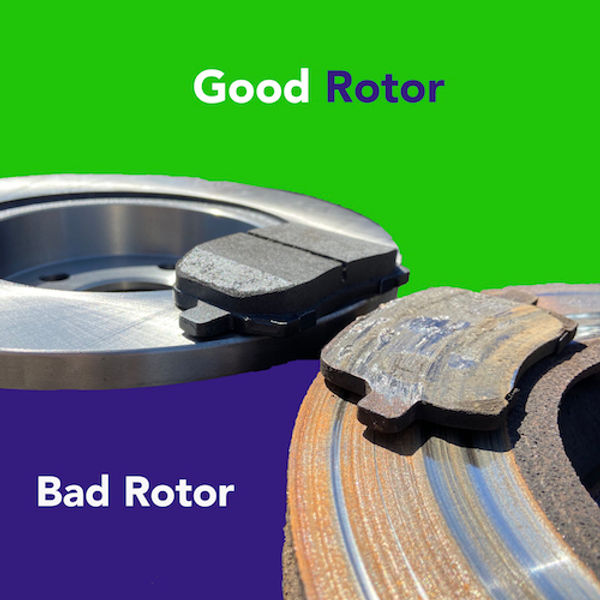
Look closely at your brake rotors. Cracks, grooves, or rust spots show damage. Warped rotors appear uneven or bent. These signs mean rotors need replacement soon.
Vibrations And Noise
Feel vibrations in the steering wheel or brake pedal when stopping. This shaking often means rotors are warped. Listen for squealing or grinding sounds during braking. Noises can indicate rotor wear or damage.
Reduced Braking Performance
Notice longer stopping distances or a soft brake pedal. These issues suggest worn rotors or brake pads. Reduced braking power lowers safety and needs quick attention.
Factors Affecting Rotor Lifespan
The lifespan of brake rotors varies greatly. Several factors play key roles in how long they last. Understanding these helps maintain safety and saves money. Proper care and timely replacement depend on these factors.
Driving Habits And Conditions
Frequent hard braking wears rotors faster. Driving in hilly or mountainous areas adds stress. Stop-and-go traffic causes more heat buildup. Heat leads to rotor warping and cracks. Gentle braking and steady speeds help rotors last longer.
Rotor Material Types
Rotors come in different materials. Cast iron rotors are common and affordable. They wear evenly but can rust. Composite rotors combine metal layers for strength. Carbon-ceramic rotors last longest but cost more. Material choice affects durability and performance.
Brake Pad Compatibility
Brake pads must match rotor type. Hard pads can wear rotors quickly. Soft pads are gentler but wear faster. Using the wrong pads causes uneven rotor wear. Proper matching improves braking and rotor life.
Recommended Replacement Intervals
Knowing when to change your brake rotors is key to safe driving. Rotors wear down over time and need replacement to keep brakes working well. This section explains the recommended times to replace brake rotors. It covers guidelines from makers, mileage tips, and how often to check your rotors.
Manufacturer Guidelines
Car makers give clear advice on rotor replacement. Check your vehicle’s manual for specific instructions. These guidelines often depend on the car model and brake type. Following them helps maintain brake safety and performance.
Mileage Benchmarks
Brake rotors usually last between 30,000 and 70,000 miles. This range depends on driving habits and road conditions. Regular drivers might replace rotors closer to 50,000 miles. Heavy braking or rough roads can shorten rotor life.
Inspection Frequency
Inspect brake rotors every 10,000 to 15,000 miles. Look for signs like grooves, cracks, or warping. Listen for squealing or vibrations when braking. Early checks help catch problems before they become serious.
Rotor Maintenance Tips
Taking care of your brake rotors helps keep your car safe and saves money. Proper maintenance extends rotor life and avoids costly repairs. Simple habits protect rotors from wear and damage.
Follow these easy rotor maintenance tips to keep brakes working well.
Regular Inspections
Check rotors often for cracks, grooves, or warping. Look for rust or uneven wear. Early spotting of problems stops bigger damage. Inspections help you know when to fix or replace rotors.
Proper Brake Pad Replacement
Change brake pads before they wear out fully. Worn pads can damage rotors fast. Use quality pads that match your rotor type. Proper pad care lowers rotor wear and ensures smooth braking.
Avoiding Overheating
Overheating makes rotors warp or crack. Avoid hard braking for long times. Give brakes time to cool on steep hills. Drive gently to keep rotors cool and healthy.
Risks Of Delaying Rotor Replacement
Delaying the replacement of your brake rotors can cause serious problems. Rotors wear down with use, and ignoring this can lead to bigger issues. Understanding the risks helps you keep your car safe and working well.
Safety Hazards
Worn rotors reduce your car’s ability to stop quickly. This increases the chance of accidents. The brake pedal may feel soft or vibrate, making it hard to control the car. Brake failure can happen if rotors become too thin or cracked.
Increased Repair Costs
Waiting too long to replace rotors can damage other parts. Brake pads wear out faster and may need replacing sooner. You might also damage the calipers or wheel bearings. Fixing all these parts costs much more than changing rotors early.
Impact On Vehicle Performance
Bad rotors cause uneven braking and pulling to one side. This affects how your car handles and drives. You may notice noise or shaking during braking. Poor performance can make driving uncomfortable and unsafe.
Choosing Quality Brake Rotors
Choosing quality brake rotors matters for safety and car performance. Good rotors last longer and stop your car better. Poor quality rotors can wear out fast and cause problems. Knowing the right type helps you pick the best for your vehicle. Understand the differences in rotor types and brands before buying.
Oem Vs Aftermarket Options
OEM rotors come from the car maker. They fit perfectly and meet original standards. Aftermarket rotors are made by other companies. They often cost less and offer different styles. Some aftermarket rotors match or beat OEM quality. Others may not last as long or fit as well. Choose based on your budget and needs.
Material Considerations
Brake rotors come in many materials. Cast iron is common and affordable. It handles heat well but can rust. Steel rotors are stronger but cost more. Some rotors have coatings to stop rust. Others use carbon or ceramic for high performance. Pick material that suits your driving style and climate.
Trusted Brands And Reviews
Choose brands known for quality and safety. Read reviews from other drivers and mechanics. Look for consistent good feedback on durability and performance. Avoid brands with many complaints or poor warranty. Trusted brands often invest in better materials and testing.
Diy Vs Professional Rotor Replacement
Changing brake rotors is essential for safe driving. You can choose to do it yourself or hire a professional. Both options have pros and cons. Understanding these helps you decide what suits you best.
Tools And Skills Required
DIY rotor replacement needs specific tools. You need a jack, lug wrench, socket set, and torque wrench. Some cars require special tools for caliper removal. Mechanical skills are important. You should know how to safely lift the car and remove parts. Mistakes can cause damage or injury.
When To Seek Expert Help
Seek professional help if you lack tools or skills. Complex brake systems are better handled by experts. Professionals can spot hidden issues like warped rotors or worn pads. If your brakes make noise or feel strange, a mechanic can diagnose the problem. Safety is the top priority.
Cost Comparison
DIY rotor replacement saves labor costs. You only pay for parts and tools. But buying tools can be expensive if you don’t have them. Professionals charge for labor and parts. The cost varies by car model and location. A professional job can last longer and avoid costly mistakes.

Credit: www.hawkperformance.com
Credit: www.reddit.com
Frequently Asked Questions
How Often Should Brake Rotors Be Replaced?
Brake rotors typically need replacement every 30,000 to 70,000 miles. Factors like driving habits and rotor quality affect this. Regular inspection helps identify wear or damage early, ensuring safe braking performance and preventing costly repairs.
What Are Signs Of Worn Brake Rotors?
Common signs include vibration during braking, squealing noises, and reduced braking efficiency. Warped or cracked rotors also cause uneven brake pad wear. If you notice these symptoms, have a mechanic inspect your rotors promptly.
Can Brake Rotors Be Resurfaced Instead Of Replaced?
Yes, rotors can be resurfaced if thickness and condition allow. Resurfacing removes minor imperfections, extending rotor life. However, severely worn or damaged rotors must be replaced for safety and optimal braking.
Does Driving Style Affect Brake Rotor Lifespan?
Aggressive braking and heavy loads cause faster rotor wear. Smooth, gradual braking extends rotor life. Regular maintenance and mindful driving help maintain rotor condition and improve overall brake system longevity.
Conclusion
Brake rotors wear down with time and use. Checking them regularly keeps your car safe. Signs like vibrations or noise mean it’s time to inspect. Changing rotors depends on driving habits and conditions. Don’t wait for a problem to get worse.
Stay ahead by watching for warning signs. Proper care helps your brakes work well. Keep your car running smoothly and stop safely every time.