

Is your engine struggling to run smoothly or losing power? The problem might be hiding right inside your fuel tank—a dirty fuel filter.
Knowing how to clean the fuel filter in your tank can save you time and money on repairs. You’ll discover simple, step-by-step instructions to get your fuel filter clean and your engine running like new. Keep reading, and you’ll learn how to protect your vehicle and avoid costly breakdowns.
Signs Of A Dirty Fuel Filter
A dirty fuel filter affects your vehicle’s performance. It blocks fuel flow to the engine. This causes several problems that are easy to notice. Spotting these signs early helps you fix the issue fast. Keep your engine running smooth by watching for these symptoms.
Reduced Engine Power
Your car feels weak and slow. It struggles going uphill or carrying heavy loads. The engine does not get enough fuel to run well. This loss of power is a clear sign of a clogged fuel filter. Driving feels less smooth and responsive.
Engine Stalling
The engine stops suddenly while driving or idling. This happens because fuel flow is interrupted. A dirty filter cannot supply steady fuel to the engine. Stalling can be dangerous, especially in traffic. It shows the fuel filter needs cleaning or replacement.
Poor Fuel Efficiency
Your car uses more fuel than usual. The engine works harder to get enough fuel. This wastes gas and increases costs. A blocked fuel filter reduces fuel efficiency. Cleaning the filter restores better mileage and saves money.

Credit: www.youtube.com
Tools And Materials Needed
Cleaning the fuel filter inside the tank requires specific tools and materials. Having the right items ready saves time and prevents mistakes. This section lists all essentials for a smooth cleaning process.
Basic Hand Tools
You need simple hand tools for the task. Common tools include screwdrivers, pliers, and wrenches. These help remove the fuel tank and access the filter. Keep a clean cloth handy to wipe any spills. A small container can catch fuel during removal.
Replacement Fuel Filter
A new fuel filter is necessary for replacement after cleaning. Choose a filter that fits your vehicle model exactly. Using the correct filter ensures better engine performance. Avoid using old or damaged filters to prevent fuel issues.
Safety Gear
Safety is important when handling fuel. Wear gloves to protect your skin from fuel contact. Use safety glasses to guard your eyes from splashes. Work in a well-ventilated area to avoid inhaling fumes. Keep a fire extinguisher nearby for emergencies.
Preparing Your Vehicle
Preparing your vehicle properly is important before cleaning the fuel filter in the tank. This step helps keep you safe and protects your car’s parts. Take your time and follow these key actions to get ready.
Each task makes the cleaning process easier and reduces risks. These simple steps also help avoid damage to the fuel system and other components.
Park On A Flat Surface
Choose a flat and stable area to park your vehicle. This stops the car from moving unexpectedly. It also helps the fuel inside the tank stay level. A flat surface makes your work safe and steady.
Relieve Fuel System Pressure
Fuel systems hold pressure that can spray fuel when opened. To avoid spills, relieve the pressure first. Locate the fuel pump fuse and remove it. Start the engine and let it run until it stops. This step releases the pressure safely.
Disconnect The Battery
Disconnect the negative battery cable before working on the fuel system. This cuts off electrical power and lowers fire risk. Use a wrench to loosen the cable clamp. Always handle the battery with care to prevent sparks or shocks.
Locating The Fuel Filter In Tank
Finding the fuel filter inside the tank is the first step in cleaning it. The filter keeps dirt and rust from reaching the engine. Knowing exactly where it sits helps avoid damage and saves time. This section guides you to locate the fuel filter safely and easily.
Consulting The Vehicle Manual
Start by checking the vehicle manual. It shows the exact location of the fuel filter. Manuals often include diagrams and instructions. This helps you understand the layout of the fuel system. Keep the manual close during the process for quick reference.
Accessing The Fuel Tank
Next, find a safe place to work on the fuel tank. Usually, the fuel tank is under the car or inside the trunk. Some cars have an access panel under the rear seat. Remove any covers or panels carefully. Avoid spilling fuel or causing damage.
Identifying The Filter
The fuel filter is a small, round or cylindrical part. It connects to the fuel pump or fuel lines inside the tank. Look for a plastic or metal housing. The filter often has fuel lines attached on both ends. Check for clamps or screws holding it in place.
Removing The Fuel Filter
Removing the fuel filter from the tank is a key step in cleaning it. This process helps keep the fuel system clean and the engine running smoothly. Take your time and follow each step carefully to avoid damage.
Disconnecting Fuel Lines
First, locate the fuel lines connected to the filter. Use pliers or a wrench to gently loosen the clamps. Slowly pull the fuel lines off the filter. Be ready for a little fuel to spill. Have a cloth nearby to catch any drips. Avoid stretching or damaging the lines during removal.
Removing Retaining Clips
Next, find the retaining clips holding the filter in place. These clips secure the filter inside the tank. Use a flathead screwdriver or needle-nose pliers to pry them open carefully. Keep the clips safe for reinstallation. Do not force the clips, as they can break easily.
Extracting The Filter
After the clips are free, gently pull the fuel filter out of the tank. Use steady pressure to avoid bending or breaking the filter. Check for dirt or debris stuck around the filter area. Clean the opening before installing a new or cleaned filter.
Cleaning The Fuel Filter
Cleaning the fuel filter is important to keep your engine running smoothly. Dirt and debris block fuel flow and reduce performance. Regular cleaning removes these particles and helps avoid engine problems.
Follow simple steps to clean the fuel filter inside the tank. Handle the filter carefully to avoid damage. Use the right materials for cleaning. Check the filter closely for any issues before reinstalling it.
Using Appropriate Cleaning Agents
Choose a cleaning agent safe for fuel filters. Avoid harsh chemicals that can damage the filter material. Use a mild detergent or a specialized fuel filter cleaner. Soak the filter in the solution to loosen dirt. Gently rinse with clean water after soaking. Do not use high-pressure water, which can harm the filter.
Inspecting For Damage
Look over the filter after cleaning. Check for cracks, holes, or tears in the mesh. Examine the frame for any bends or breaks. Replace the filter if you find any damage. A damaged filter cannot protect your engine properly. Make sure it is clean and intact before reinstalling.
Drying The Filter
Dry the fuel filter completely before putting it back. Use a clean, dry cloth to remove excess water. Allow air to dry the filter in a dust-free place. Avoid direct sunlight or heat sources that can warp the filter. Ensure no moisture remains to prevent fuel contamination.
Reinstalling The Fuel Filter
Reinstalling the fuel filter is a key step after cleaning it in the tank. This process ensures the fuel system works correctly and avoids leaks or damage. Take your time and follow each step carefully.
Proper Alignment
Place the fuel filter in the tank with the correct side facing the fuel flow. Check the arrows or markings on the filter for direction. Align the filter securely to avoid fuel flow issues. Proper alignment helps the engine run smoothly.
Securing Fuel Lines
Attach the fuel lines firmly to the filter’s connectors. Use clamps or clips to hold the lines tightly in place. Loose connections can cause leaks or reduce fuel pressure. Double-check each line to ensure it is secure and stable.
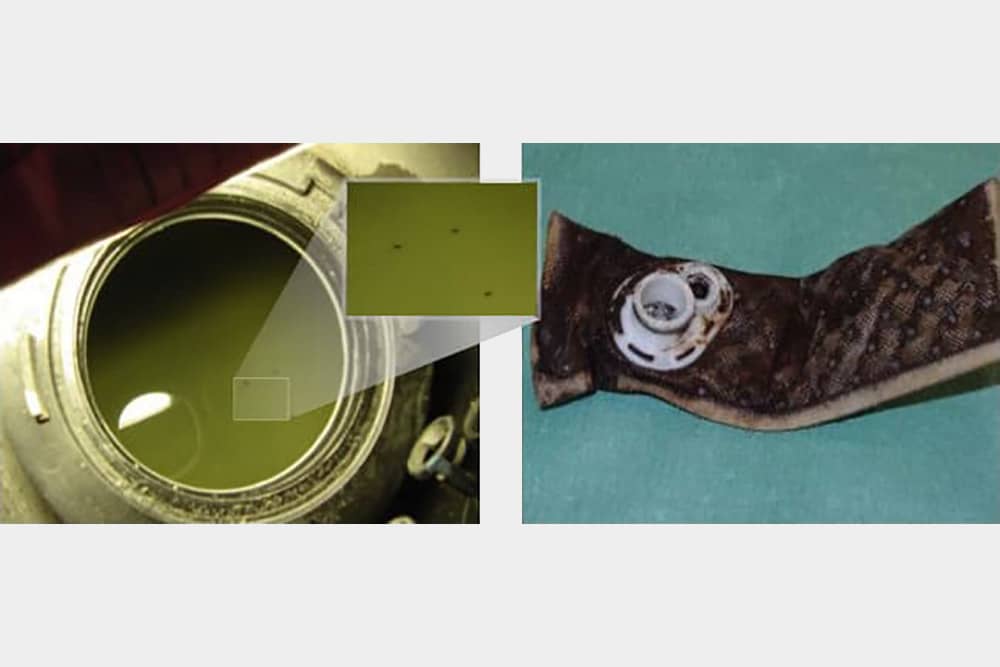
Checking For Leaks
After reinstalling, turn on the engine and watch for leaks around the filter. Look for drops of fuel or a smell of gasoline. If you see any leaks, tighten the connections or realign the filter. Confirm everything is sealed before finishing the job.
Credit: carterengineered.com
Post-cleaning Checks
After cleaning the fuel filter in the tank, performing post-cleaning checks is crucial. These checks ensure the filter works well and the engine runs smoothly. Skipping this step may cause problems later.
Starting The Engine
Turn the key to start the engine slowly. Listen carefully for any unusual sounds. The engine should start without hesitation. If it struggles, there might be air trapped in the fuel lines. Let the engine run for a few minutes to clear it out.
Monitoring Performance
Watch how the engine behaves after cleaning. Check for smooth acceleration and steady idling. Any sputtering or stalling signals an issue. Inspect fuel flow and look for leaks around the filter area. Fix any problems immediately to avoid damage.
Regular Maintenance Tips
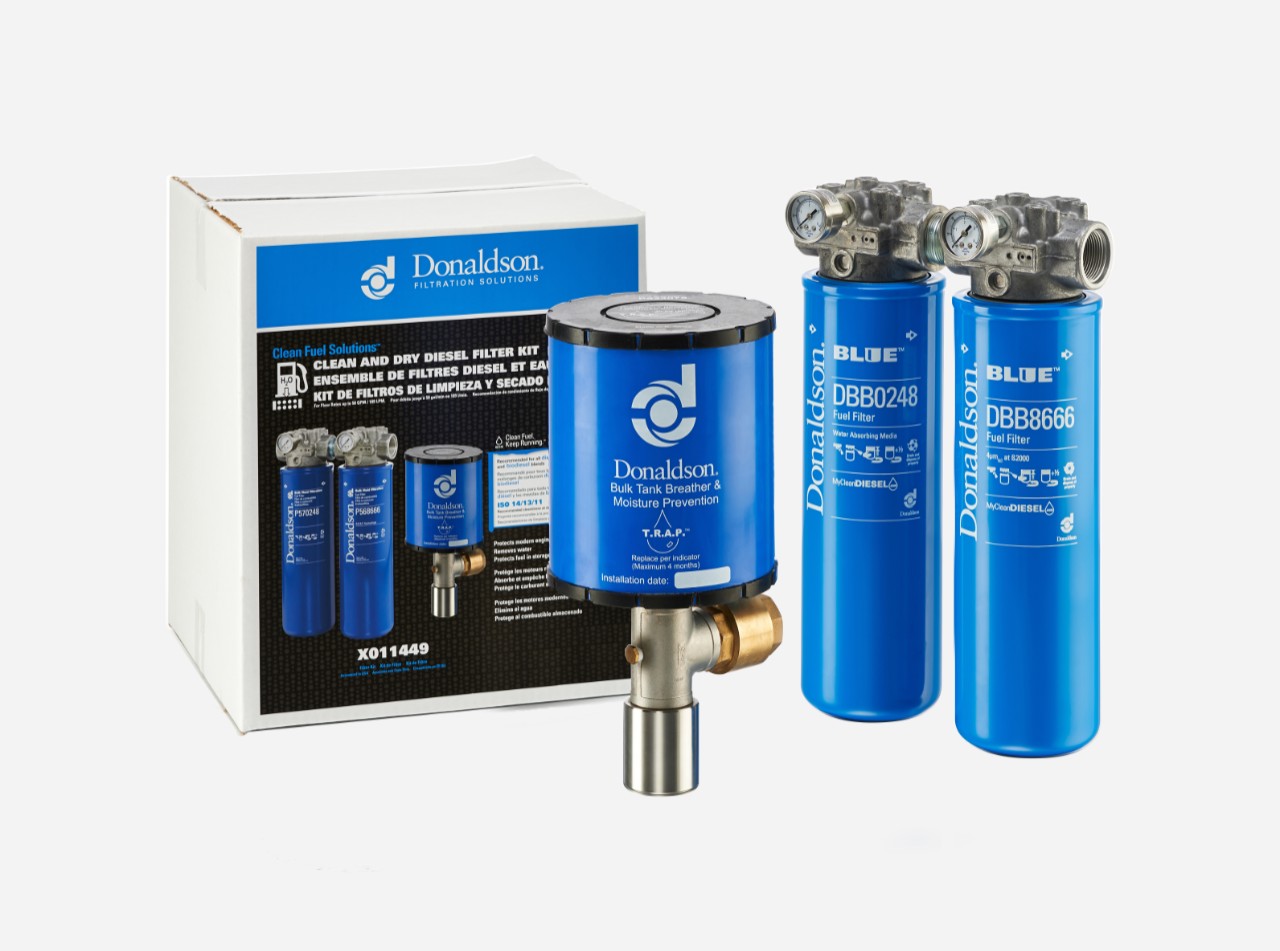
Clean the fuel filter regularly to keep your engine healthy. Follow the manufacturer’s schedule for replacements and cleanings. Use clean fuel and avoid dirty or old gasoline. Keep the tank sealed to prevent dirt entry. Regular checks save money on repairs.
Credit: www.donaldson.com
Frequently Asked Questions
How Often Should I Clean The Fuel Filter In The Tank?
Clean the fuel filter every 20,000 to 30,000 miles or as recommended by your vehicle’s manual. Regular cleaning prevents clogging and ensures smooth fuel flow, improving engine performance and fuel efficiency.
What Tools Are Needed To Clean A Fuel Filter In Tank?
You will need basic tools like screwdrivers, pliers, a wrench set, a clean container, and replacement fuel filters. Safety gloves and eye protection are also essential to handle fuel safely and avoid contamination.
Can I Clean The Fuel Filter Without Removing The Tank?
In most cases, the fuel filter inside the tank requires tank removal for proper cleaning. However, some models have accessible filters that can be cleaned without removing the tank. Always check your vehicle’s manual for specific instructions.
What Signs Indicate A Dirty Fuel Filter In The Tank?
Common signs include engine misfires, poor acceleration, rough idling, and reduced fuel efficiency. If you notice these symptoms, inspect and clean or replace the fuel filter to avoid engine damage.
Conclusion
Cleaning the fuel filter in the tank keeps your engine running smooth. Dirt and debris can block fuel flow and cause problems. Regular cleaning saves money on repairs and improves fuel efficiency. Take your time, follow steps carefully, and use the right tools.
A clean fuel filter helps your vehicle last longer. Small effort, big benefits. Keep your engine healthy and enjoy a smoother ride.


