

Have you ever wondered how often your fuel filter needs to be changed? You might not realize it, but this small part plays a big role in keeping your engine running smoothly.
Ignoring it could lead to costly repairs and poor performance. You’ll discover exactly when and why you should replace your fuel filter, helping you save money and avoid unexpected breakdowns. Keep reading to learn the simple steps that can protect your car and keep it running like new.
Credit: bostechauto.com
Role Of A Fuel Filter
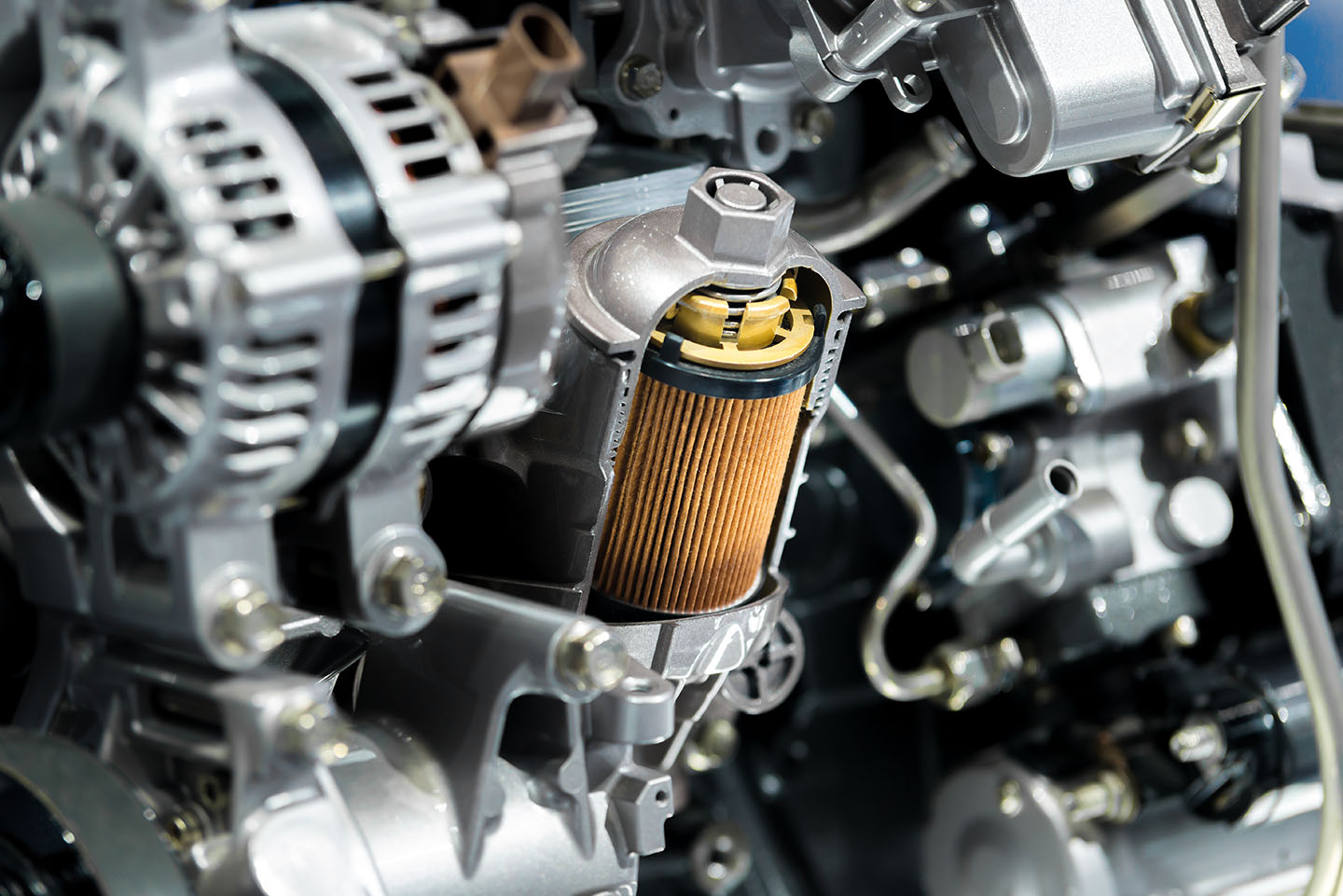
The fuel filter plays a vital role in your vehicle’s fuel system. It keeps the fuel clean by trapping dirt, rust, and other tiny particles. Clean fuel helps the engine run smoothly and last longer. Without a good fuel filter, harmful debris can clog the fuel injectors and damage the engine.
Changing the fuel filter regularly keeps your car in good shape. It prevents problems that reduce fuel efficiency and cause engine trouble. Understanding the role of the fuel filter helps you see why maintenance matters.
Fuel Filter Functions
The fuel filter’s main job is to clean the fuel before it reaches the engine. It removes dust, dirt, and metal particles from the fuel tank. These impurities can cause serious damage if they enter the engine. The filter ensures only clean fuel passes through the fuel lines. It also protects the fuel pump by preventing blockages. This helps the whole fuel system work better and last longer.
Impact On Engine Performance
A clogged or dirty fuel filter lowers engine performance. It restricts fuel flow, making the engine work harder. This causes poor acceleration and rough idling. The engine may also stall or hesitate during driving. Fuel efficiency drops because the engine burns more fuel. Replacing the fuel filter helps restore smooth engine function. It keeps your car running efficiently and saves fuel costs.
Signs Of A Clogged Fuel Filter
A clogged fuel filter can cause several problems for your vehicle. It stops fuel from flowing freely to the engine. This affects how well your car runs. Knowing the signs helps you avoid costly repairs. Spotting these early can keep your engine healthy and your drives smooth.
Common Symptoms
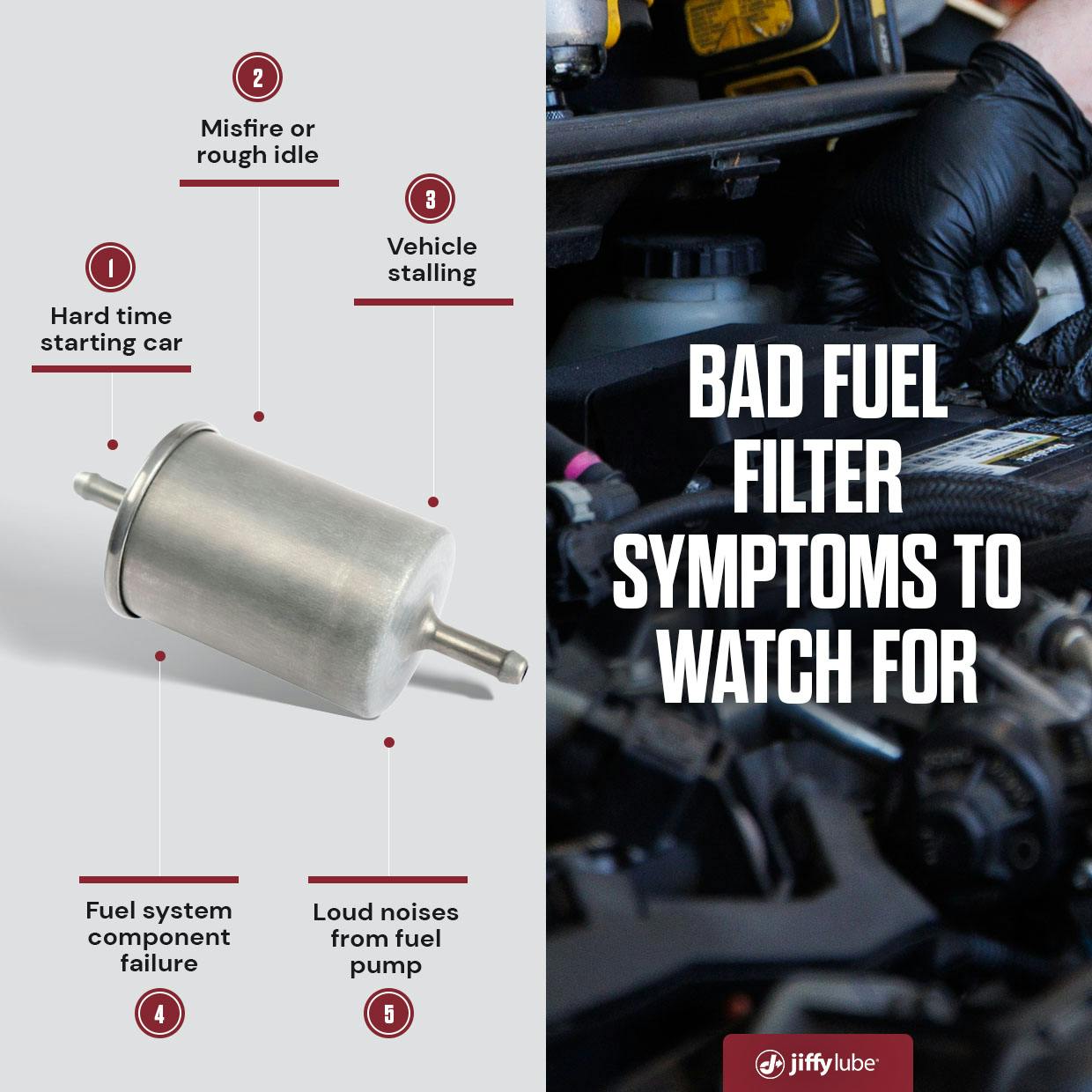
Engine stalls or hesitates during acceleration. The car may struggle to start or won’t start at all. You might notice a rough idle or uneven engine performance. The engine can misfire or run roughly. Sometimes, the check engine light turns on. These signs show the fuel filter is likely clogged.
Effects On Fuel Efficiency
A blocked fuel filter reduces fuel flow to the engine. The engine works harder to get fuel. This causes it to burn more fuel than usual. You might see a drop in miles per gallon. Poor fuel efficiency costs more money at the pump. Replacing the fuel filter can restore normal fuel use.
Manufacturer Recommendations
Most manufacturers suggest changing your fuel filter every 20,000 to 40,000 miles. This helps keep the engine clean and running smoothly. Ignoring this can cause poor fuel flow and damage.
Typical Replacement Intervals
Manufacturers set specific schedules for changing fuel filters. These intervals keep engines running smoothly. Most cars need a new fuel filter every 20,000 to 40,000 miles. Some models suggest changing it every two years instead of mileage. Following these guidelines helps avoid fuel flow problems. It also prevents engine wear caused by dirty filters.
Variations By Vehicle Type
Different vehicles have different fuel filter needs. Small cars often have longer intervals between changes. Trucks and SUVs, which work harder, may require more frequent replacements. Diesel engines usually need fuel filter changes more often than gasoline engines. Some high-performance cars use special filters that need expert care. Checking the owner’s manual ensures the right timing for each vehicle.
Driving Conditions And Fuel Filter Life
Driving conditions play a big role in how long your fuel filter lasts. The environment and the type of roads you drive on affect the dirt and debris that reach the filter. This changes how often the filter needs changing. Understanding these factors helps keep your engine clean and running well.
Impact Of Dusty Environments
Dusty roads fill your fuel system with more particles. These particles clog the fuel filter faster. Vehicles in desert or rural areas need more frequent filter changes. Dust mixes with fuel and dirt to block the filter. Changing the filter on time prevents engine problems and poor fuel flow.
Urban Vs. Highway Driving
City driving means many short trips and stop-and-go traffic. This causes more fuel contaminants and moisture buildup. Urban drivers should check their fuel filters more often. Highway driving is smoother with less engine strain. Filters last longer on highways because fuel flows steadily. Knowing your driving style helps set the right filter change schedule.
Diy Vs Professional Replacement
Changing your fuel filter is important to keep your car running well. You can either do it yourself or hire a professional. Each option has its benefits and challenges. Deciding which one to choose depends on your skills, tools, and the car model.
Tools Required For Replacement
To replace a fuel filter, you need some basic tools. A wrench set is essential to remove and tighten bolts. You will also need a screwdriver to open clamps or covers. A container helps catch any fuel that may spill. Safety gloves protect your hands from fuel. Rags or paper towels are useful to clean up spills. Some cars may require special tools for fuel line disconnection.
When To Seek Expert Help
Call a mechanic if you feel unsure about the process. Cars with complex fuel systems need professional care. If you notice fuel leaks or strange noises, get help. Professionals have the right tools and skills to avoid damage. They can also check the fuel system for other problems. Choosing expert help can save time and avoid risks.
Credit: www.jiffylube.com
Cost Factors And Maintenance Tips
Fuel filter maintenance affects your vehicle’s health and your wallet. Knowing cost factors helps plan your budget. Proper care extends the filter’s life and prevents engine problems. Small steps can save money and improve car performance.
Fuel Filter Price Range
Fuel filter prices vary by car model and quality. Basic filters cost between $10 and $30. Premium filters can reach $50 or more. Labor costs for replacement add $40 to $100. Checking local shops and online stores helps find better deals.
Extending Fuel Filter Lifespan
Use clean fuel to reduce dirt buildup. Avoid running your tank too low. Low fuel can cause sediment to clog the filter. Regular vehicle checkups catch filter issues early. Replace the filter as recommended in the owner’s manual.
Credit: www.ievilenergy.com
Frequently Asked Questions
How Often Should A Fuel Filter Be Replaced?
Typically, replace your fuel filter every 20,000 to 40,000 miles. Check your vehicle’s manual for exact recommendations. Regular replacement prevents engine issues and maintains fuel efficiency.
What Are Signs Of A Clogged Fuel Filter?
Common signs include engine misfires, difficulty starting, poor acceleration, and stalling. A clogged filter restricts fuel flow, causing these performance problems.
Can A Dirty Fuel Filter Damage My Engine?
Yes, a dirty fuel filter can cause fuel starvation. This leads to engine misfires, reduced power, and potential damage over time.
Is It Necessary To Replace The Fuel Filter During Servicing?
Yes, replacing the fuel filter during regular servicing ensures optimal fuel flow. It helps prevent costly repairs and keeps your engine running smoothly.
Conclusion
Changing your fuel filter regularly keeps your engine running well. A clean filter stops dirt from reaching the fuel system. Most experts suggest changing it every 20,000 to 30,000 miles. Check your car’s manual for exact advice. Ignoring this can cause poor fuel flow and engine problems.
Simple maintenance saves time and money later. Stay on top of your fuel filter to enjoy smooth rides. Small steps keep your vehicle healthy and efficient. Don’t wait for trouble—change your fuel filter on time.


