You want your car to look its best, right? A shiny, well-protected finish can make a huge difference in how your car stands out on the road.
But how often should you wax your car to keep that fresh, glossy look? Waxing too little can leave your paint vulnerable, while waxing too often might waste your time and money. You’ll discover the perfect waxing schedule tailored to your car’s needs.
Keep reading to learn the simple secrets that will keep your car shining like new, no matter the season.
Benefits Of Car Waxing
Waxing your car is more than just a cosmetic task. It plays a key role in keeping your vehicle in good shape. Regular waxing helps maintain the car’s surface and extends its life. It adds a layer of protection and keeps the paint looking fresh and new.
Many drivers miss out on the full benefits of waxing. Understanding these advantages can motivate you to wax your car often. Here are some important benefits to consider.
Enhances Paint Protection
Car wax forms a shield over the paint. This layer guards against small scratches and swirl marks. It stops harmful chemicals from reaching the paint. This keeps the surface safe from damage and fading.
Improves Gloss And Shine
Waxing brings out a deep shine in your car’s paint. It smooths the surface, making it reflect light better. The result is a glossy, bright look that makes your car stand out.
Prevents Dirt And Grime Build-up
Wax creates a smooth surface that dirt finds hard to stick to. This makes cleaning your car easier and faster. Less dirt means less wear and tear on the paint over time.
Protects Against Weather Damage
Wax acts as a barrier against rain, sun, and snow. It prevents water spots and fading caused by UV rays. Your car stays protected from harsh weather conditions all year.
Factors Affecting Waxing Frequency
Waxing your car keeps its paint safe and shiny. The frequency depends on several key factors. Understanding these can help protect your car better and save time.
Climate And Weather Conditions
Heat and sun can wear wax off faster. Cars in hot, sunny areas need waxing more often. Rain and snow also affect wax protection. Wet weather can wash away wax quicker. Dust and dirt in dry climates can scratch paint without proper wax. Adjust waxing frequency based on local weather.
Type Of Wax Used
Different waxes last different times. Natural carnauba wax may need more frequent application. Synthetic waxes tend to last longer. Some waxes protect better against UV rays and rain. Choose a wax type that fits your needs. Follow manufacturer’s instructions for best results.
Car Usage And Storage
Daily drivers face more dirt and grime. They need waxing more often than garage-kept cars. Parking outdoors exposes cars to sun, rain, and pollution. Covered or indoor storage helps wax last longer. Think about how and where you use your car.
Paint Condition And Age
Older paint may need more care. Faded or damaged paint absorbs wax differently. New cars often have factory wax that fades fast. Regular waxing helps keep paint smooth and shiny. Check paint condition to decide waxing frequency.
Recommended Waxing Intervals
Knowing how often to wax your car keeps its paint fresh and safe. Wax protects the surface from dirt, sun, and rain. The right timing helps your car look shiny and new longer. Different needs call for different waxing schedules. Here are the best waxing intervals to follow.
Monthly Waxing For Optimal Shine
Waxing every month gives your car a strong shine. It keeps the paint smooth and bright. Monthly wax adds a thick layer of protection. This routine works well for cars parked outside a lot. It also helps avoid dirt buildup and small scratches.
Seasonal Waxing For Protection
Waxing four times a year suits most drivers. Each season brings different weather that can harm paint. Wax before winter to guard against salt and snow. In summer, wax blocks harmful sun rays. Seasonal waxing balances good care with less effort.
Waxing After Harsh Conditions
After heavy rain, snow, or dusty roads, wax your car. Harsh conditions wear down the wax layer quickly. Cleaning and waxing right after protects the paint better. This keeps your car looking good and avoids damage.
When To Wax New Cars
New cars need wax after the first few months. Factory paint has a clear coat but no wax layer. Waxing early builds strong protection. After that, follow monthly or seasonal waxing to keep it fresh.
Credit: www.peoriavw.com
Types Of Car Wax
Choosing the right car wax can protect your paint and keep your car shiny. Different types of wax offer different benefits. Knowing these types helps you pick the best one for your car’s needs. This section explains the main types of car wax and their features.
Natural Vs Synthetic Waxes
Natural waxes come from plants, mainly carnauba wax. They give a deep, warm shine. Natural waxes protect well but need frequent reapplication. Synthetic waxes are made from polymers and chemicals. They last longer and resist dirt and water better. Synthetic waxes are easier to apply and maintain.
Liquid, Paste, And Spray Options
Liquid waxes spread easily and dry fast. They suit busy people who want quick results. Paste waxes are thicker and need more effort to apply. They offer strong protection and shine. Spray waxes are the fastest to use. They work well for touch-ups and light protection.
Choosing Wax Based On Durability
Waxes differ in how long they last on your car. Natural waxes usually last 2 to 4 weeks. Synthetic waxes can last 2 to 6 months. Paste waxes often provide longer protection than liquids. If you want long-lasting shine, choose synthetic or paste wax.
Eco-friendly Wax Choices
Eco-friendly waxes use natural ingredients and avoid harsh chemicals. They protect the environment and your car. Many eco-waxes are biodegradable and safe for water systems. These waxes are a good choice for green car care. They balance shine and safety for nature.
Waxing Techniques
Waxing your car protects its paint and keeps it shiny. Using the right techniques helps the wax last longer. This section explains how to wax your car step by step.
Preparing Your Car Surface
Start by washing your car thoroughly. Dirt and dust must be removed. Dry the car completely before waxing. Use a clay bar to remove stubborn contaminants. This creates a smooth surface for the wax.
Applying Wax Correctly
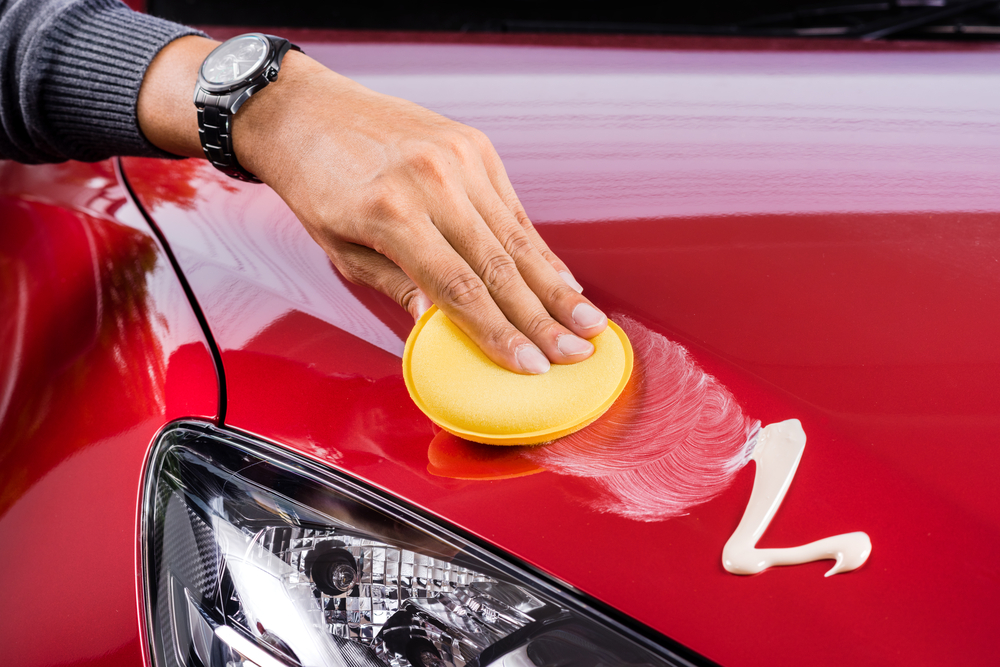
Use a soft applicator pad for even wax application. Apply wax in small sections. Spread it in circular motions. A thin, even layer works best. Avoid applying too much wax at once.
Buffing For Maximum Shine
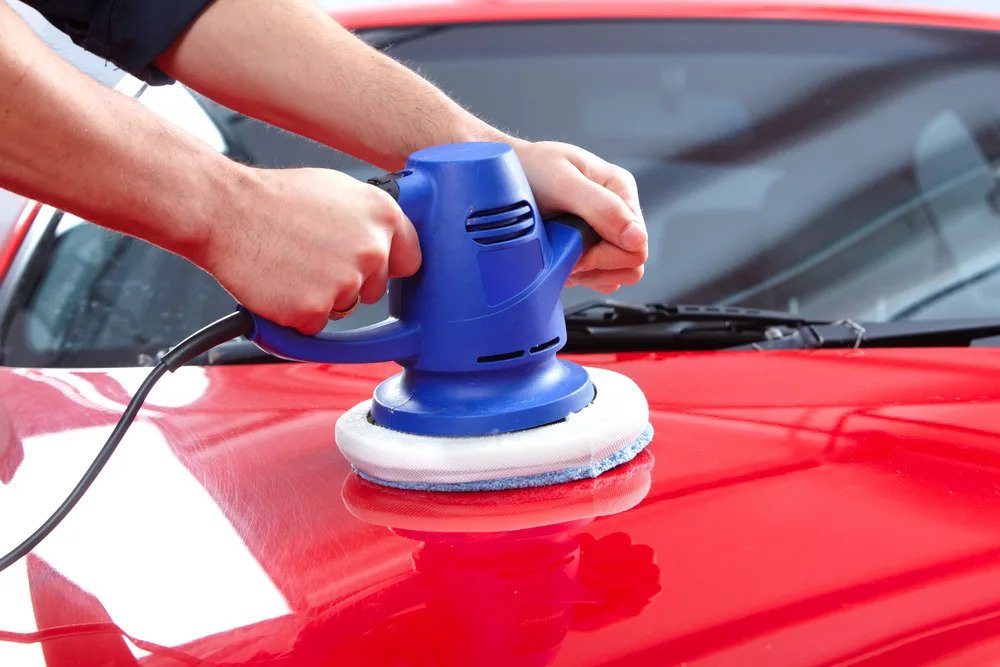
Wait a few minutes until the wax becomes hazy. Use a clean microfiber cloth to buff. Use gentle, circular motions. Buffing removes excess wax and brings out shine. Change cloth sides to avoid smudges.
Common Mistakes To Avoid
Do not wax in direct sunlight. Heat can cause uneven application. Avoid waxing over dirt or dust. Never rush the process. Skipping steps reduces wax effectiveness. Use the right wax for your car’s paint type.
Maintaining Your Wax Job
Keeping your car’s wax job looking fresh takes some care. Wax protects your paint from dirt, sun, and rain. Maintaining the wax helps your car shine longer and stay smooth. Simple steps keep the wax layer strong. This saves time and money on full waxing sessions.
Regular Washing Tips
Wash your car often to keep dirt off the wax. Use a soft sponge or mitt with gentle soap. Avoid rough brushes that can scratch the paint. Rinse well to remove all soap and grime. Dry with a clean towel to stop water spots. Clean surfaces help wax last longer.
Touch-ups Between Waxing
Small wax touch-ups help keep protection in place. Use a small amount of wax on areas that look dull. Apply with a soft cloth using light, circular motions. Let it dry, then buff gently with a clean cloth. Touch-ups keep your car shiny until the next full wax.
Using Quick Detailers
Quick detailers are sprays that clean and add shine fast. Spray a little on the surface and wipe with a microfiber cloth. They remove light dust and fingerprints without damaging wax. Use quick detailers after washing for extra smoothness. They keep your car looking fresh between washes.
Avoiding Harsh Chemicals
Strong cleaners can strip wax from your car’s surface. Avoid bleach, ammonia, and acidic cleaners. Choose products made for cars and safe for wax. Harsh chemicals break down wax and dull paint. Protect your wax by using mild, car-friendly cleaning products only.
Signs Your Car Needs Waxing
Knowing when to wax your car helps keep its shine and protects the paint. Watch for clear signs that your car needs waxing soon. These clues help you keep your car looking new and guard against damage.
Dull Or Faded Paint
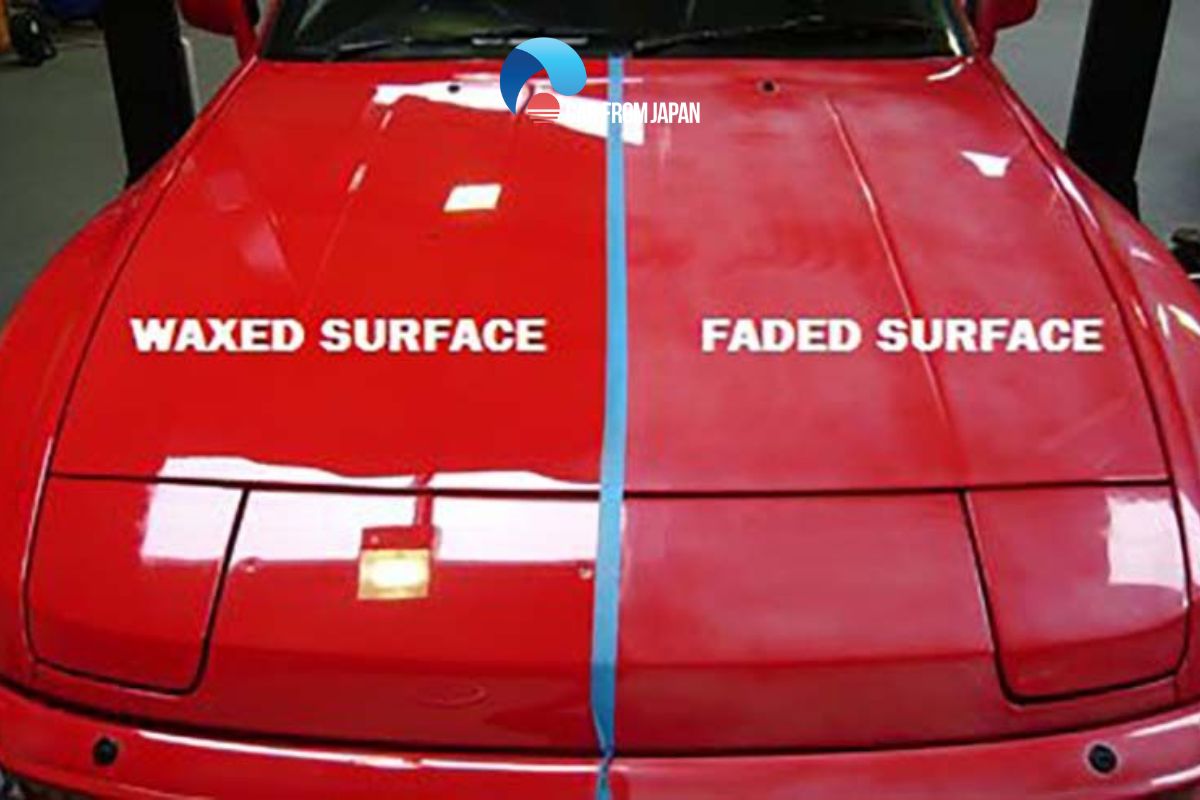
The paint loses its shine and looks dull. Colors seem less bright than usual. Waxing restores the glossy finish and improves the paint’s look.
Water Beading Loss
Water no longer beads up and rolls off the surface. Instead, it spreads out and sticks. Wax creates a protective layer that makes water bead and slide away easily.
Increased Dirt Accumulation
Dirt and dust stick more to the car’s surface. It gets dirty faster after washing. Wax helps repel dirt and keeps the car cleaner longer.
Surface Imperfections
Small scratches, swirl marks, or rough spots appear on the paint. Wax fills in tiny flaws and smooths the surface. This keeps the paint safe from damage.
Credit: carfromjapan.com
Credit: ethoscarcare.com
Frequently Asked Questions
How Often Should You Wax Your Car For Best Protection?
Wax your car every three months to maintain optimal protection. Regular waxing shields paint from UV rays, dirt, and moisture. It also preserves shine and prevents oxidation. For harsh climates, consider waxing every six to eight weeks for extra care.
Can Waxing Frequency Vary By Car Paint Type?
Yes, waxing frequency depends on the paint type. Softer paints require more frequent waxing to prevent damage. Harder paints may last longer between waxes. Always follow your car manufacturer’s recommendations for best results.
Does Frequent Waxing Damage Car Paint?
No, frequent waxing does not damage paint when done properly. Use quality wax and apply gently to avoid scratches. Over-waxing is rare, but avoid using abrasive products. Proper waxing actually extends paint life and enhances appearance.
What Factors Influence How Often To Wax A Car?
Climate, driving conditions, and storage affect waxing frequency. Cars in harsh sun or rain need more frequent waxing. Frequent washing also wears down wax faster. Indoor-stored cars may need waxing less often. Adjust waxing schedule based on these factors.
Conclusion
Waxing your car every three months keeps its shine fresh. Too often can damage the paint; too little leaves it unprotected. Regular waxing protects against dirt, rain, and sun damage. It also makes washing easier and keeps your car looking new.
Pay attention to your environment and car’s condition. A simple routine helps your car stay beautiful longer. Keep it clean, wax it well, and enjoy the shine. Simple care makes a big difference over time.