

If you want your engine to run smoothly and avoid costly repairs, knowing how to drain your fuel water separator filter is a must. Water in your fuel can cause serious damage, but clearing it out is easier than you might think.
You’ll discover simple steps to keep your filter clean and your engine protected. Keep reading to learn how to do this essential maintenance task quickly and confidently.
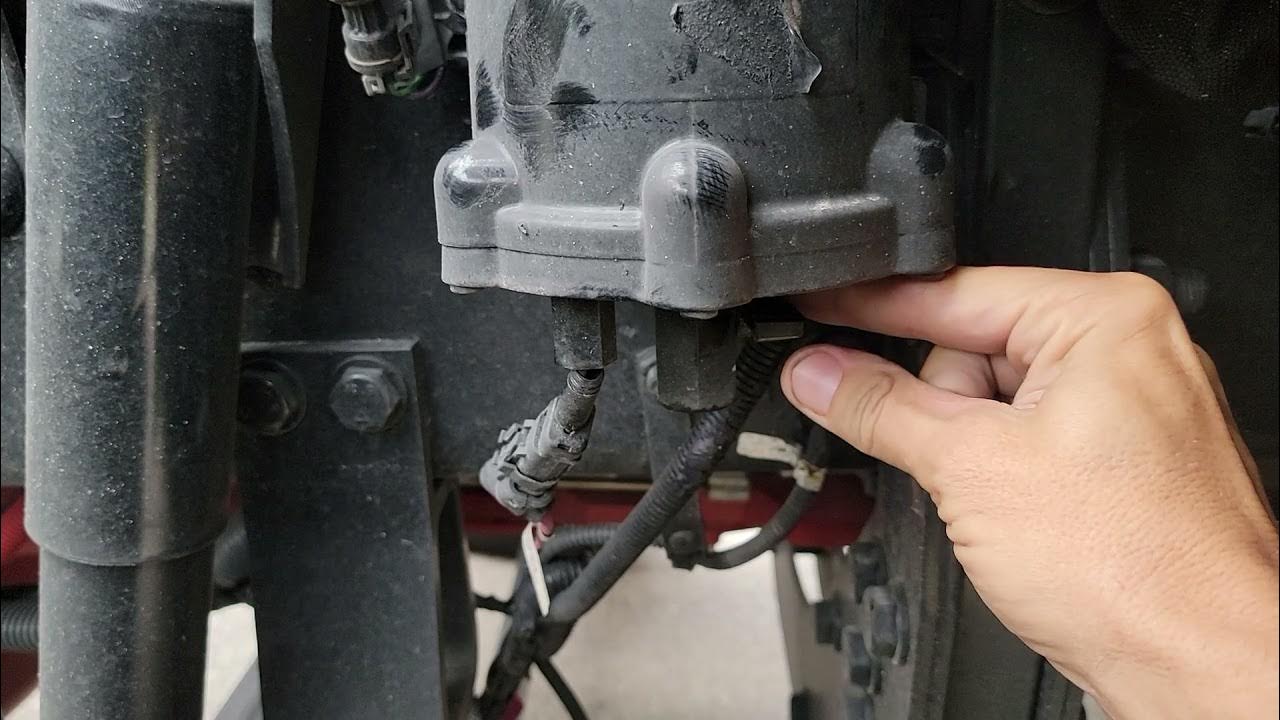
Credit: www.youtube.com
Purpose Of Fuel Water Separator
Fuel water separators remove water and dirt from fuel to protect the engine. Draining the filter keeps fuel clean and prevents damage. Regular draining helps engines run smoothly and last longer.
Role In Fuel System
A fuel water separator removes water from the fuel before it reaches the engine. Water can enter fuel tanks through condensation or bad fuel. The separator catches this water and stops it from damaging the engine. It acts as a filter to protect fuel injectors and pumps. This helps the engine run smoothly and last longer.
Benefits Of Removing Water
Water in fuel causes poor engine performance and corrosion. It can lead to engine stalling or failure. Removing water prevents rust inside the fuel system. It also improves fuel efficiency and reduces repair costs. Clean fuel means better engine power and reliability. Draining the water regularly keeps the separator effective.

Credit: www.ebay.com
Signs Of Water In Fuel Filter
Water in the fuel filter can cause many problems. It reduces engine efficiency and may damage parts. Knowing the signs helps you act early. This keeps your engine safe and running smoothly.
Engine Performance Issues
Water in the fuel filter makes the engine run poorly. You might notice rough idling or stalling. The engine may hesitate or lose power during acceleration. Fuel injection problems can also appear. These issues happen because water blocks fuel flow.
Visual Indicators
Check the fuel water separator filter for water. It often collects at the bottom of the filter bowl. The water looks like a clear or cloudy layer below the fuel. Some filters have a drain valve to release water. Seeing water inside means it is time to drain the filter.
Tools And Materials Needed
Draining the fuel water separator filter requires certain tools and materials. These help you do the job safely and correctly. Having everything ready saves time and avoids mistakes. Use tools designed for the task to protect your engine and fuel system.
Essential Tools
A clean container to catch drained water and fuel is necessary. A wrench or socket set helps to loosen the drain valve or plug. A screwdriver may be needed to open the filter housing. Rags or paper towels clean up spills quickly. A flashlight helps you see tight or dark areas clearly.
Safety Equipment
Wear gloves to protect your hands from fuel and dirt. Safety glasses prevent fuel splashes from reaching your eyes. Use a mask if working in a poorly ventilated area to avoid inhaling fumes. Work in a well-ventilated space to reduce fire risk. Keep a fire extinguisher nearby just in case.
Preparation Before Draining
Preparing to drain the fuel water separator filter is an important step. It ensures the process goes smoothly and safely. Taking time to prepare can prevent damage and keep the engine running well. Follow these steps before starting the drain.
Locating The Filter
First, find the fuel water separator filter on your engine. It is usually near the fuel tank or engine block. The filter looks like a small canister with a drain valve at the bottom. Check your engine manual if you cannot find it. Knowing the exact location helps avoid mistakes during draining.
Ensuring Engine Safety
Turn off the engine before draining the filter. Let it cool down to avoid burns or accidents. Make sure the vehicle or machine is on a flat surface. Use gloves and safety glasses to protect yourself. Keep a container ready to catch the water and fuel mixture. Proper safety steps stop spills and injuries.
Step-by-step Draining Process
Draining the fuel water separator filter is important for keeping your engine safe. Water and dirt can harm the fuel system. Follow these simple steps to drain the filter correctly. This process helps keep your engine running smoothly and avoids costly repairs.
Positioning A Container
Place a clean container under the drain valve. It should catch all the water and sediment that comes out. Use a container with enough space to avoid spills. Position it close to the filter for easy drainage.
Opening The Drain Valve
Locate the drain valve at the bottom of the filter bowl. Turn the valve slowly to open it. Water and sediment will start to flow out. Open the valve just enough to let the liquid drain steadily.
Removing Water And Sediment
Allow all water and sediment to drain into the container. Watch for clean fuel to start flowing. This means most of the contaminants are out. Keep the valve open until no more water appears.
Closing The Valve
Turn the drain valve back to the closed position. Ensure it is tight to stop leaks. Clean any spills around the filter area. Properly closing the valve keeps the filter sealed and ready to use.
Post-draining Checks
After draining the fuel water separator filter, some checks must follow. These ensure the system works well and avoids engine damage. Taking a few moments to inspect and restart properly can save trouble later.
Inspecting The Filter
Look closely at the filter for cracks or damage. Check for any remaining water or dirt inside the filter bowl. A clean, dry filter means draining was successful. Replace the filter if you see damage or heavy dirt. Tighten all fittings and seals to prevent leaks. Proper inspection helps maintain fuel quality and engine health.
Restarting The Engine
Start the engine slowly after draining and inspecting. Listen for unusual sounds or vibrations. Watch for warning lights on the dashboard. Let the engine run for a few minutes to check fuel flow. Stop the engine if there are any issues and recheck the filter. A smooth restart shows the system is ready and safe to use.
Maintenance Tips
Proper maintenance keeps your fuel water separator filter working well. It stops water and dirt from damaging your engine. Regular care extends the life of the filter and protects your fuel system.
Regular Draining Schedule
Set a regular time to drain the filter. Doing this every few weeks stops water buildup. Water in fuel can cause engine problems and reduce performance. Check the drain valve and empty the water carefully. Follow the manufacturer’s guide for the best draining intervals.
Replacing The Filter
Change the filter after a set period or when it looks dirty. A clogged filter stops fuel flow and harms the engine. Use the right filter type for your machine. Always replace the filter seal to avoid leaks. Keep the area clean before installing the new filter.

Credit: www.yachtingmonthly.com
Common Mistakes To Avoid
Draining the fuel water separator filter is a key task. Avoiding common mistakes helps keep your engine safe. Mistakes can cause damage or make the process harder. Focus on careful steps and safety rules.
Improper Handling
Do not rush the process. Handle the filter and drain valve gently. Forcing parts can break them. Use the right tools for loosening or tightening. Avoid spilling fuel on hot engine parts. Spills may cause fire or damage. Keep a container ready to catch drained water and fuel. Clean spills immediately to avoid slips or stains.
Neglecting Safety
Always work in a well-ventilated area. Fuel vapors are harmful and flammable. Wear gloves to protect your hands from fuel. Avoid smoking or open flames nearby. Keep a fire extinguisher close just in case. Turn off the engine before starting the draining process. Make sure the engine is cool to prevent burns. Safety is the top priority during maintenance tasks.
Frequently Asked Questions
How Often Should I Drain A Fuel Water Separator Filter?
You should drain the fuel water separator filter every 500 hours or as recommended by the manufacturer. Frequent draining prevents water buildup, protecting your engine from corrosion and fuel contamination. Regular checks ensure optimal engine performance and extend the filter’s lifespan.
What Tools Are Needed To Drain The Fuel Water Separator?
Typically, you need a container to catch water, a wrench to open the drain valve, and gloves for safety. Some filters have a manual drain knob, so no tools are required. Always consult your equipment manual for specific tool recommendations.
Can I Drain The Fuel Water Separator While The Engine Runs?
No, always turn off the engine before draining the fuel water separator. Draining while running can cause fuel spills and air to enter the fuel system, leading to engine damage or stalling. Safety first: ensure the engine is cool and off before draining.
How Do I Know If My Fuel Water Separator Needs Draining?
Signs include water accumulation in the separator, engine misfires, or poor fuel efficiency. Some separators have a clear bowl or sensor indicating water level. Regular inspection helps catch water buildup before it affects engine performance.
Conclusion
Draining the fuel water separator filter keeps your engine safe. Regular checks stop water from damaging fuel parts. Simple steps help your machine run smoothly longer. Clean filters mean better fuel flow and less trouble. Stay consistent with maintenance to avoid costly repairs.
Taking care of this small part saves big expenses. Remember, a dry filter means a healthy engine. Keep your equipment ready for any job ahead.


