

Have you noticed your car acting up lately? Maybe it’s slower than usual or struggles to start.
These could be signs that your fuel filter is clogged. Ignoring this problem can lead to serious engine issues and costly repairs. But how can you tell if your fuel filter is the real culprit? You’ll discover simple ways to recognize the warning signs and learn what to do next.
Keep reading to protect your vehicle and save yourself time and money.

Credit: oilchangers.com
Symptoms Of A Clogged Fuel Filter
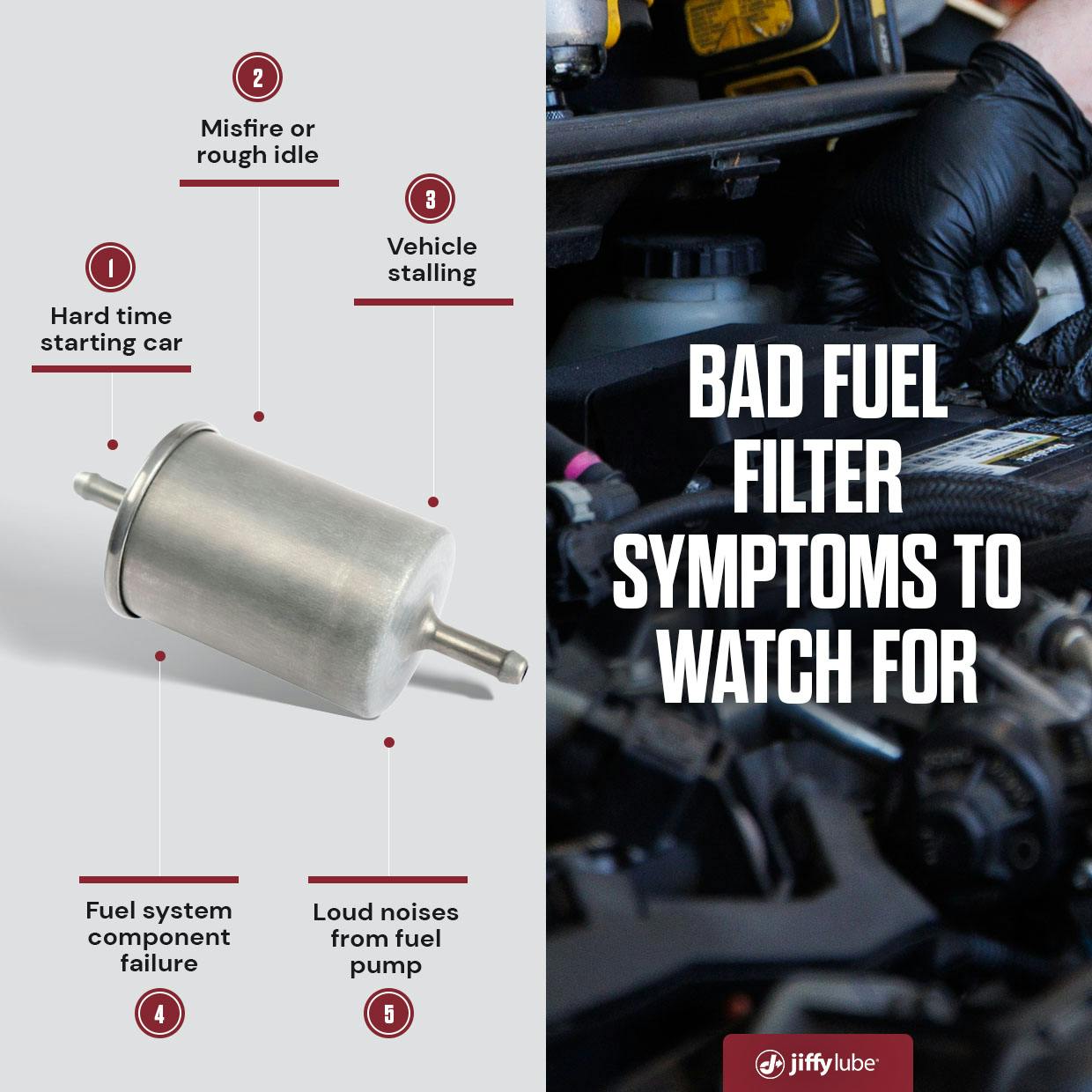
A clogged fuel filter can cause many problems in your vehicle. It stops fuel from flowing properly to the engine. This affects the car’s performance and can lead to serious damage. Recognizing the symptoms early can save you time and money. Here are some common signs that your fuel filter may be clogged.
Engine Misfires And Stalling
The engine may misfire due to poor fuel flow. It can also stall suddenly without warning. This happens because the engine does not get enough fuel to run smoothly. You might notice jerking or hesitation while driving. These issues often point to a clogged fuel filter.
Reduced Fuel Efficiency
Your vehicle might use more fuel than usual. This happens because the engine works harder to get fuel. A clogged filter restricts fuel supply, making the engine less efficient. You will notice the fuel gauge dropping faster than normal. It is a clear sign of fuel system trouble.
Difficulty Starting The Vehicle
The car may take longer to start or fail to start at all. This happens when the fuel flow is weak. A clogged fuel filter limits fuel reaching the engine. You might hear the starter turning, but the engine won’t catch. This symptom often means the filter needs attention.
Unusual Engine Noises
The engine might make strange noises, like sputtering or coughing sounds. These noises happen because of uneven fuel supply. A clogged fuel filter disrupts normal engine operation. You may also hear a rough or shaky engine. Pay attention to these sounds as they signal fuel issues.
Visual Inspection Tips
Visual inspection helps find signs of a clogged fuel filter early. It saves time and costly repairs. You do not need special tools. Just a careful look at the fuel filter and its surroundings. Spotting issues early keeps your engine running smoothly. Here are easy tips for a thorough check.
Checking Fuel Filter Condition
Start by locating the fuel filter. It is usually near the fuel tank or engine. Look for cracks or damage on the filter’s body. A worn or old filter might have discoloration. Clean filters look clear or slightly yellow. Check the filter’s connections. Loose or corroded clamps can cause problems.
Signs Of Dirt And Debris
Look closely at the filter surface. Dirt or black spots show clogging. You may see dust, rust, or other particles. These block fuel flow and reduce engine power. A dirty filter often feels rough or sticky. Clean the area around the filter to avoid more dirt.
Fuel Leakage Indicators
Check for wet spots near the filter. Fuel leaks appear as dark, oily stains. Smell for fuel odor around the filter. Leaks cause fuel loss and fire risk. Tighten loose fittings or replace damaged seals. Fix leaks quickly to keep safety and performance.
Performance Issues Linked To Fuel Filter
Fuel filters play a key role in your vehicle’s performance. They stop dirt and debris from entering the engine through the fuel system. A clogged fuel filter can cause several performance problems. These issues affect how your engine runs and how smoothly your car drives.
Loss Of Engine Power
A clogged fuel filter restricts fuel flow to the engine. This leads to less power during driving. The engine struggles to keep up, especially on hills or when carrying heavy loads. You may notice your car feels weak or sluggish.
Acceleration Problems
Your car may hesitate or jerk when you press the gas pedal. This happens because the fuel filter blocks enough fuel from reaching the engine quickly. The delay causes a rough or uneven acceleration. Smooth speeding becomes difficult.
Irregular Idling
The engine may run unevenly or stall while idling. A dirty fuel filter can cause fuel supply to drop during idle. This makes the engine shake or sputter. You might hear strange noises or feel vibrations inside the car.
Testing Methods For Fuel Filter Blockage
Testing methods for fuel filter blockage help identify if the filter stops fuel flow. These tests give a clear idea about the fuel system’s health. They help catch blockages early. This way, you avoid engine problems and costly repairs.
Simple tools and steps can show if the fuel filter is clogged. Some tests check pressure, others look at flow. Professional tools provide deeper insights. Each method plays a key role in diagnosis.
Fuel Pressure Test
The fuel pressure test measures pressure in the fuel line. Low pressure often means a clogged fuel filter. A pressure gauge attaches to the fuel rail or line. The engine runs while pressure readings are taken. Comparing these readings to manufacturer specs shows if pressure is normal or low.
This test is quick and effective. It points out blockages by showing pressure drops. No pressure means fuel can’t pass freely.
Flow Rate Examination
Flow rate examination checks how much fuel passes through the filter. Removing the filter lets you test fuel flow directly. Fuel is pumped through the filter, and flow speed is observed. Slow flow indicates a clog or dirt buildup.
This method is simple but needs care. It helps confirm blockages and decide on filter replacement. Clear flow means the filter is clean.
Professional Diagnostic Tools
Professional diagnostic tools offer detailed fuel system analysis. These tools connect to the vehicle’s computer. They read sensor data and fuel system performance. Some tools measure real-time fuel pressure and flow digitally.
These diagnostics provide precise results. They detect subtle issues not visible in manual tests. Mechanics often use these tools to ensure accurate diagnosis and repair.
Preventive Measures And Maintenance
Preventive measures and regular maintenance keep your fuel system healthy. They stop clogs before they cause trouble. Taking small steps saves you time and money on repairs. Your engine runs smoother, and fuel efficiency improves with good care.
Regular Fuel Filter Replacement
Replace your fuel filter at the intervals suggested in your vehicle manual. Old filters trap dirt and block fuel flow. A clean filter ensures proper fuel delivery to the engine. Changing it on time prevents engine stalling and poor performance.
Using Quality Fuel
Choose fuel from trusted gas stations only. Low-quality fuel contains dirt and water that clog filters fast. Clean fuel helps your engine run cleaner and last longer. It also reduces the chance of damage to fuel system parts.
Routine Vehicle Checkups
Schedule regular checkups with your mechanic. They inspect the fuel system and spot issues early. Catching problems early avoids costly breakdowns. Routine checkups keep your car reliable and safe to drive.
Credit: www.jiffylube.com

Credit: www.autonationmobileservice.com
Frequently Asked Questions
What Are Common Signs Of A Clogged Fuel Filter?
Common signs include engine misfires, poor acceleration, and stalling. You may also notice difficulty starting your vehicle or unusual engine noises. These symptoms indicate restricted fuel flow due to a clogged filter.
How Often Should I Replace My Fuel Filter?
Fuel filters typically need replacement every 20,000 to 40,000 miles. Check your vehicle’s manual for specific intervals. Replacing it regularly ensures smooth engine performance and prevents clog-related issues.
Can A Clogged Fuel Filter Cause Engine Misfires?
Yes, a clogged fuel filter limits fuel supply, causing engine misfires. Insufficient fuel leads to incomplete combustion, resulting in rough idling or hesitation during acceleration.
Is A Clogged Fuel Filter Bad For Fuel Efficiency?
Absolutely. A clogged fuel filter restricts fuel flow, making the engine work harder. This reduces fuel efficiency and increases fuel consumption over time.
Conclusion
A clogged fuel filter can cause many car problems. Watch for signs like poor engine performance or trouble starting. Regular checks keep your vehicle running smooth. Clean or replace the filter when needed. Don’t wait for serious damage. Taking small steps saves time and money.
Stay alert and keep your car healthy. Simple care helps avoid big repairs later. Trust your instincts if something feels off. Your vehicle will thank you with better fuel flow and power.


