

Have you noticed strange noises or vibrations when you press your brakes? These could be signs that your brake rotors are wearing out.
Knowing how to tell if your brake rotors are bad is crucial for your safety and your car’s performance. You’ll learn simple ways to spot the warning signs before small problems turn into costly repairs. Keep reading to protect yourself and your vehicle on the road.
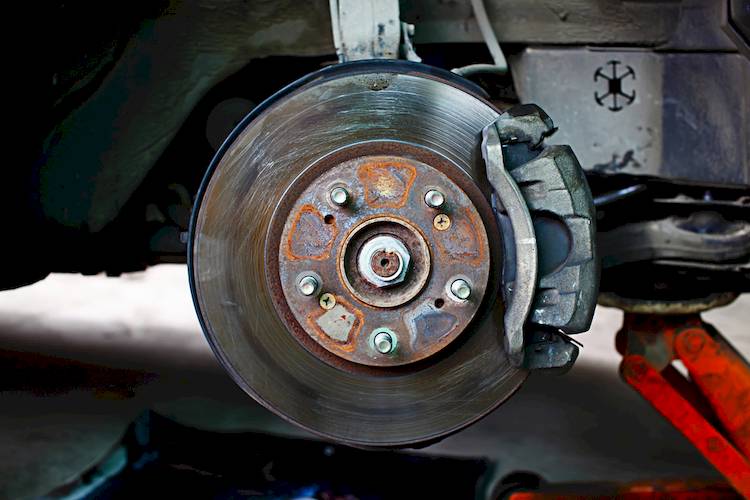
Credit: www.yourmechanic.com
Common Brake Rotor Problems
Brake rotors face many common problems that affect car safety and performance. These issues can cause noise, vibration, and poor braking. Knowing these problems helps you spot rotor trouble early. Below are some typical brake rotor problems to watch for.
Warping And Vibration
Warped rotors cause shaking or vibration when braking. Heat and heavy use can warp the metal. This makes the brake pedal feel uneven. The steering wheel may also shake during stops. Warping reduces braking power and comfort.
Cracks And Damage
Cracks appear on rotors due to stress and heat. Small cracks can grow over time and weaken the rotor. Deep cracks risk rotor failure and unsafe braking. Damage from hitting road debris can also harm rotors. Check rotors for visible cracks or chips.
Excessive Wear
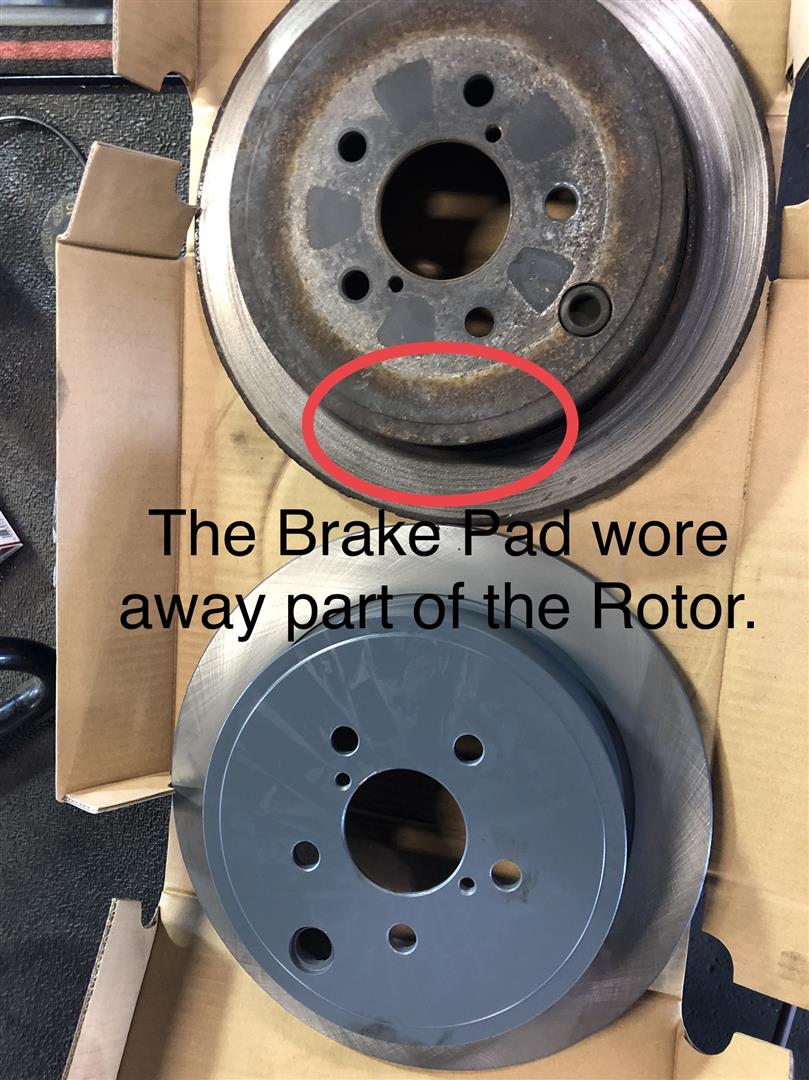
Rotors wear down as brake pads press against them. Thin rotors lose strength and can crack easily. Worn rotors cause longer stopping distances. Measure rotor thickness regularly to ensure safety. Replace rotors if they are below the minimum thickness.
Rust And Corrosion
Rust forms on rotors exposed to moisture and salt. Surface rust can cause noise and uneven braking. Severe rust weakens the rotor structure. Corroded rotors need cleaning or replacement. Keep rotors dry to reduce rust build-up.
Signs Of Bad Brake Rotors
Brake rotors play a vital role in your vehicle’s braking system. Over time, rotors wear down and can cause problems. Knowing the signs of bad brake rotors helps you stay safe on the road. It also prevents costly repairs and keeps your brakes working well.
Squealing Or Grinding Noises
Squealing sounds often mean your brake pads are worn, but they can also signal bad rotors. Grinding noises are worse. They usually mean the rotors are damaged or warped. These sounds happen when the brake pads rub unevenly on the rotor surface.
Pulsating Brake Pedal
A pulsating or vibrating brake pedal feels like it’s shaking. This happens when the rotors are warped or uneven. The brake pedal does not press smoothly. It pulses with every push, making it hard to stop smoothly.
Longer Stopping Distances
Bad rotors reduce your braking power. It takes more distance to stop your car. This is dangerous, especially in traffic or bad weather. If your car does not stop as quickly as before, check the rotors.
Visible Rotor Grooves
Look at the rotors through the wheel spokes. Deep grooves or ridges on the rotor surface mean damage. These grooves cause uneven braking and reduce brake effectiveness. Smooth rotors are important for safe stops.
How To Inspect Brake Rotors
Inspecting brake rotors is key to safe driving. Rotors wear out over time and affect braking. Checking them regularly helps catch problems early. This guide explains how to inspect your brake rotors step-by-step.
Visual Inspection Tips
Start by looking at the rotor surface. Check for deep grooves or cracks. These signs show rotor damage. Rust can appear but is normal if light. Avoid heavy rust that flakes off. Look for discoloration or blue spots. These mean the rotor is too hot. Uneven wear or scoring also means rotor trouble.
Measuring Rotor Thickness
Use a micrometer or caliper to measure thickness. Find the rotor’s minimum thickness in the manual. Measure at several points around the rotor. If below minimum, the rotor must be replaced. Thin rotors can cause brake failure or warping. Measure carefully to avoid mistakes.
Checking For Rotor Runout
Rotor runout means the rotor wobbles when spinning. Use a dial indicator for this test. Attach it near the rotor’s edge. Slowly rotate the rotor and watch the gauge. If runout exceeds the limit in the manual, the rotor is warped. Warped rotors cause vibrations and poor braking. Correcting runout may need rotor resurfacing or replacement.
Risks Of Ignoring Bad Rotors
Ignoring bad brake rotors can lead to serious problems. These problems affect your vehicle’s performance and your safety. It is important to recognize the risks early. This helps avoid costly repairs and dangerous situations on the road.
Reduced Braking Efficiency
Worn or damaged rotors reduce your braking power. Your car may take longer to stop. This makes driving risky, especially in emergencies. Uneven rotors cause vibrations and noise. These issues lower your control over the vehicle.
Increased Repair Costs
Bad rotors cause other brake parts to wear out faster. Brake pads may wear unevenly or fail early. This leads to more repairs and higher bills. Fixing rotors early saves money in the long run. Ignoring the problem means facing bigger costs later.
Safety Hazards
Damaged rotors increase the chance of brake failure. This can cause accidents or loss of vehicle control. Bad rotors can lead to sudden stops or skidding. Your safety and that of others depend on good brakes. Do not take risks with bad rotors.
When To Replace Brake Rotors
Knowing when to replace brake rotors is key for safe driving. Rotors wear out over time and need checking. Ignoring bad rotors leads to poor braking and costly repairs. Watch for specific signs to decide if replacement is needed.
Manufacturer Thickness Limits
Every rotor has a minimum thickness set by the maker. This limit keeps brakes working safely. Use a micrometer to measure rotor thickness. If the rotor is thinner than the limit, replace it. Thin rotors can crack or warp easily.
Severe Damage Indicators
Look for deep grooves, cracks, or rust on the rotor surface. These damages affect how the brake pads grip the rotor. Warped rotors cause vibration during braking. Any severe damage means the rotor must be replaced right away.
Brake Performance Issues
Weak braking or a longer stop distance shows rotor problems. Feel for shaking or pulsing in the brake pedal or steering wheel. Strange noises like squealing or grinding can also signal rotor wear. Replace rotors to restore proper brake function.

Credit: www.reddit.com
Maintaining Brake Rotors
Maintaining brake rotors helps keep your car safe and stops costly repairs. Good care extends rotor life and improves braking. Simple steps help prevent damage and wear.
Regular Brake Inspections
Check brake rotors often. Look for cracks, grooves, or rust. Listen for unusual sounds when braking. Early checks catch problems before they get worse. Visit a mechanic if you notice any issues.
Proper Driving Habits
Drive smoothly to protect brake rotors. Avoid hard stops and sudden braking. Slow down gradually to reduce stress on rotors. This lowers heat and prevents warping. Gentle driving helps your brakes last longer.
Timely Brake Pad Replacement
Replace brake pads on time. Worn pads can damage rotors quickly. New pads grip rotors better and stop your car safely. Check pads regularly and change them as needed. This keeps rotors in good shape.
Credit: www.ricksautoservice.org
Frequently Asked Questions
How Do I Know If Brake Rotors Are Worn Out?
Worn brake rotors cause vibrations, noise, and reduced braking power. Check for grooves, cracks, or warping on the surface. If you feel pulsing when braking, your rotors likely need replacement. Regular inspections help catch wear early and ensure safe driving.
What Causes Brake Rotors To Go Bad?
Brake rotors wear out due to heat, friction, and heavy braking. Frequent hard stops and driving in hilly areas increase rotor stress. Lack of maintenance or using poor brake pads also accelerates rotor damage. Timely care prevents rotor failure and costly repairs.
Can I Drive With Bad Brake Rotors?
Driving with bad rotors is unsafe and can cause brake failure. It increases stopping distance and may lead to accidents. Replace or resurface rotors as soon as you notice symptoms. Prioritize safety by maintaining your braking system regularly.
How Often Should Brake Rotors Be Replaced?
Brake rotors typically last between 30,000 to 70,000 miles. Replacement depends on driving habits and rotor condition. Inspect rotors during brake pad changes and look for signs of damage. Follow your vehicle’s maintenance schedule for optimal performance.
Conclusion
Bad brake rotors can cause serious driving problems. Listen for noises like squealing or grinding. Feel for vibrations when braking. Check for visible cracks or deep grooves. Acting early keeps you safe on the road. Regular brake checks help catch issues fast.
Don’t ignore signs of worn rotors. Staying alert protects you and others. Brake rotor health matters for every driver. Keep your vehicle’s brakes strong and reliable.

