
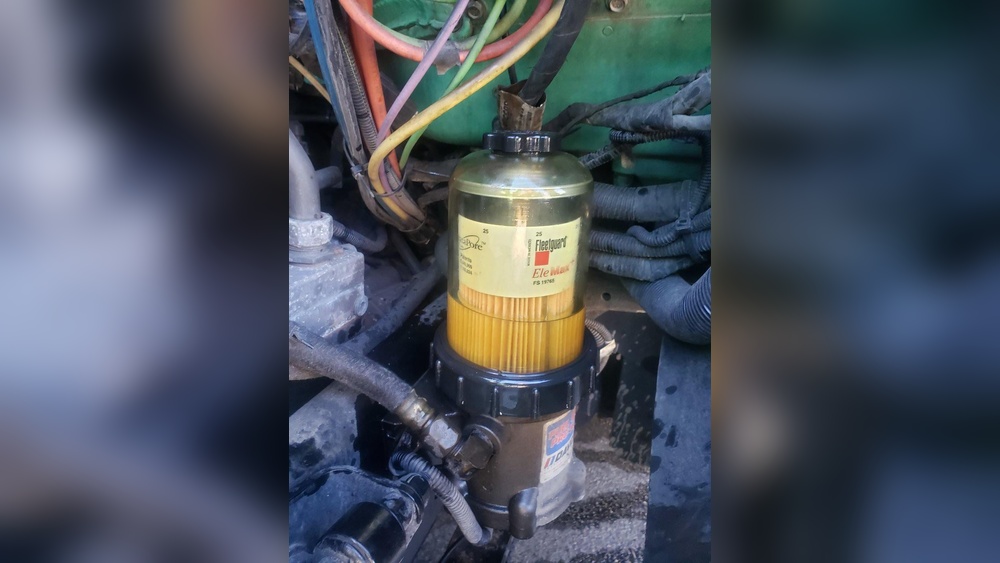
If you rely on a diesel engine, you know how crucial it is to keep it running smoothly. One key part that often gets overlooked is the fuel water separator filter.
But how often should you change it? Ignoring this simple maintenance step can lead to costly repairs and engine trouble. You’ll discover exactly when and why you need to replace your fuel water separator filter. Keep reading to protect your engine and save yourself from unexpected breakdowns.
Credit: www.alibaba.com
Role Of Fuel Water Separator Filter
The fuel water separator filter plays a key role in keeping your engine healthy. It removes water and dirt from the fuel before it reaches the engine. This helps the engine run smoothly and last longer. Without this filter, water and particles can cause serious damage.
Preventing Water Contamination
Water in fuel can cause many problems. It reduces fuel efficiency and can lead to engine stalling. The fuel water separator filter captures water before it enters the engine. This stops corrosion and rust inside the fuel system. Clean fuel means better engine performance and fewer repairs.
Protecting Engine Components
Water and dirt damage vital engine parts. Injectors and pumps can get blocked or worn out. The filter catches these contaminants early. This protects delicate engine components from harm. As a result, the engine works better and lasts longer. Changing the filter regularly keeps protection strong.

Credit: www.youtube.com
Signs It’s Time To Change The Filter
Knowing the signs that show the fuel water separator filter needs changing can save your engine. Ignoring these signs can lead to bigger problems and costly repairs. Pay close attention to how your engine runs and check the filter regularly. Early action keeps your engine healthy and fuel system clean.
Reduced Engine Performance
The engine may run rough or lose power. You might notice slow acceleration or stalling. These problems happen because dirty fuel clogs the filter. The engine struggles to get clean fuel, reducing its performance. Changing the filter restores smooth engine operation and power.
Fuel System Issues
Fuel system problems can include hard starting or frequent stalling. The fuel pump may make strange noises or work harder. Clogged filters strain the fuel system, causing these issues. Regular filter changes prevent damage and keep the fuel flowing properly.
Visible Water In Filter
Look at the fuel water separator filter closely. Water collects at the bottom of the filter bowl. If you see water, it means the filter is working but may need changing soon. Excess water can harm the engine and fuel system. Draining the water and replacing the filter keeps everything safe and clean.
Recommended Change Intervals
Knowing when to change your fuel water separator filter is key. It keeps your engine safe and running well. Changing the filter on time stops water and dirt from damaging the fuel system. The recommended change intervals help you plan maintenance and avoid costly repairs.
Manufacturer Guidelines
Check your engine or vehicle manual first. Manufacturers give the best advice for filter changes. They set change intervals based on engine type and fuel system design. These guidelines often suggest a range, like every 500 to 1,000 hours of operation. Some filters have a mileage recommendation, such as every 10,000 miles. Follow these instructions to keep warranty coverage valid.
Factors Affecting Frequency
Fuel quality matters a lot. Dirty or contaminated fuel clogs filters faster. Operating conditions also change how often to replace the filter. Harsh environments, such as dusty or wet areas, increase filter wear. Frequent short trips or idling can cause water buildup. Heavy machinery or boats may need more frequent changes. Regular checks help catch problems early and keep the engine healthy.
Steps To Replace The Filter
Replacing the fuel water separator filter is important for engine health. Follow clear steps to do it right. This helps keep fuel clean and prevents damage. The process is simple with the right tools and care.
Read each part carefully before starting. This guide makes the task easy and safe for everyone.
Tools And Materials Needed
Gather these items before you begin:
- New fuel water separator filter
- Wrench or filter removal tool
- Drain pan to catch fuel
- Clean rags or paper towels
- Gloves for hand protection
- Safety glasses to protect eyes
- Fuel-resistant container for old filter
Safety Precautions
Work in a well-ventilated area to avoid fumes. Wear gloves and safety glasses to protect skin and eyes. Avoid open flames or sparks near fuel. Dispose of the old filter and fuel properly. Keep a fire extinguisher nearby for emergencies.
Removal And Installation Process
Place the drain pan under the filter to catch fuel. Loosen the old filter using the wrench or tool. Remove the filter carefully and drain any remaining fuel. Clean the filter mount with a rag to remove dirt.
Prepare the new filter by applying a thin layer of clean fuel or oil to the seal. Screw the new filter onto the mount by hand. Tighten it securely but do not over-tighten. Start the engine and check for leaks. Replace the filter regularly for best engine performance.
Maintenance Tips For Longevity
Keeping your fuel water separator filter in good shape helps your engine run smoothly. Proper maintenance extends the filter’s life and protects the fuel system. Follow simple steps to avoid costly repairs and downtime.
Regular Inspections
Check the fuel water separator filter often. Look for cracks, leaks, or dirt buildup. Early detection stops damage before it spreads. Replace the filter if it looks worn or clogged. Keep a schedule based on your engine’s use and manufacturer advice.
Proper Fuel Storage
Store fuel in clean, sealed containers. Avoid moisture getting inside the fuel tank or containers. Moisture causes rust and clogs the filter quickly. Use fuel stabilizers to keep fuel fresh during long storage. Keep storage areas cool and dry to prevent contamination.
Using Quality Fuel
Choose fuel from trusted sources. Poor quality fuel has dirt and water that harm the filter. Use fuels that meet engine specifications for best results. Clean fuel reduces the load on the filter and keeps the engine healthy. Avoid buying fuel from unknown or unreliable sellers.
Credit: www.grdiesel.com
Common Mistakes To Avoid
Changing the fuel water separator filter is important for engine health. Many people make simple mistakes that cause problems. Avoiding these errors helps your engine run smoothly and last longer.
Ignoring Warning Signs
Warning signs show the filter needs changing. Dirty fuel or water buildup can cause engine trouble. Do not ignore unusual engine sounds or loss of power. These signs mean the filter is clogged. Acting quickly prevents bigger problems.
Overlooking Filter Quality
Using a low-quality filter harms your engine. Cheap filters may not remove water or dirt properly. Always choose a filter that fits your engine model. Good filters protect your engine and improve performance. Don’t save money by buying poor filters.
Improper Installation
Installing the filter wrong can cause leaks or damage. Follow the instructions carefully during installation. Make sure the filter is tight and sealed well. A loose filter lets water and dirt enter the engine. Proper installation keeps the engine safe and clean.
Frequently Asked Questions
How Often Should I Change My Fuel Water Separator Filter?
You should change the fuel water separator filter every 12 months or 500 hours of operation. Regular replacement prevents water contamination and engine damage. Always check your vehicle’s manual for specific recommendations.
What Are Signs Of A Clogged Fuel Water Separator?
Signs include engine misfires, loss of power, and difficulty starting. A clogged filter reduces fuel flow and causes poor engine performance. Inspect the filter if you notice these symptoms.
Can I Clean The Fuel Water Separator Filter Instead Of Replacing It?
Cleaning is possible but not recommended for all filters. Some separators have disposable elements that must be replaced. Check the manufacturer’s guidelines before attempting to clean the filter.
Why Is Changing The Fuel Water Separator Filter Important?
Changing the filter removes water and debris from fuel. It protects the engine from corrosion and improves fuel efficiency. Neglecting replacement can lead to costly repairs.
Conclusion
Changing the fuel water separator filter keeps engines running smoothly. Check the filter regularly, especially after heavy use. Replace it every few months or as the manual suggests. Clean filters stop water and dirt from damaging the engine. Don’t wait for problems to appear.
A simple filter change can save time and money. Stay ahead with regular maintenance. Your engine will thank you with better performance and longer life. Small steps make a big difference in engine care. Keep your filter fresh, and your machine will run strong.


